
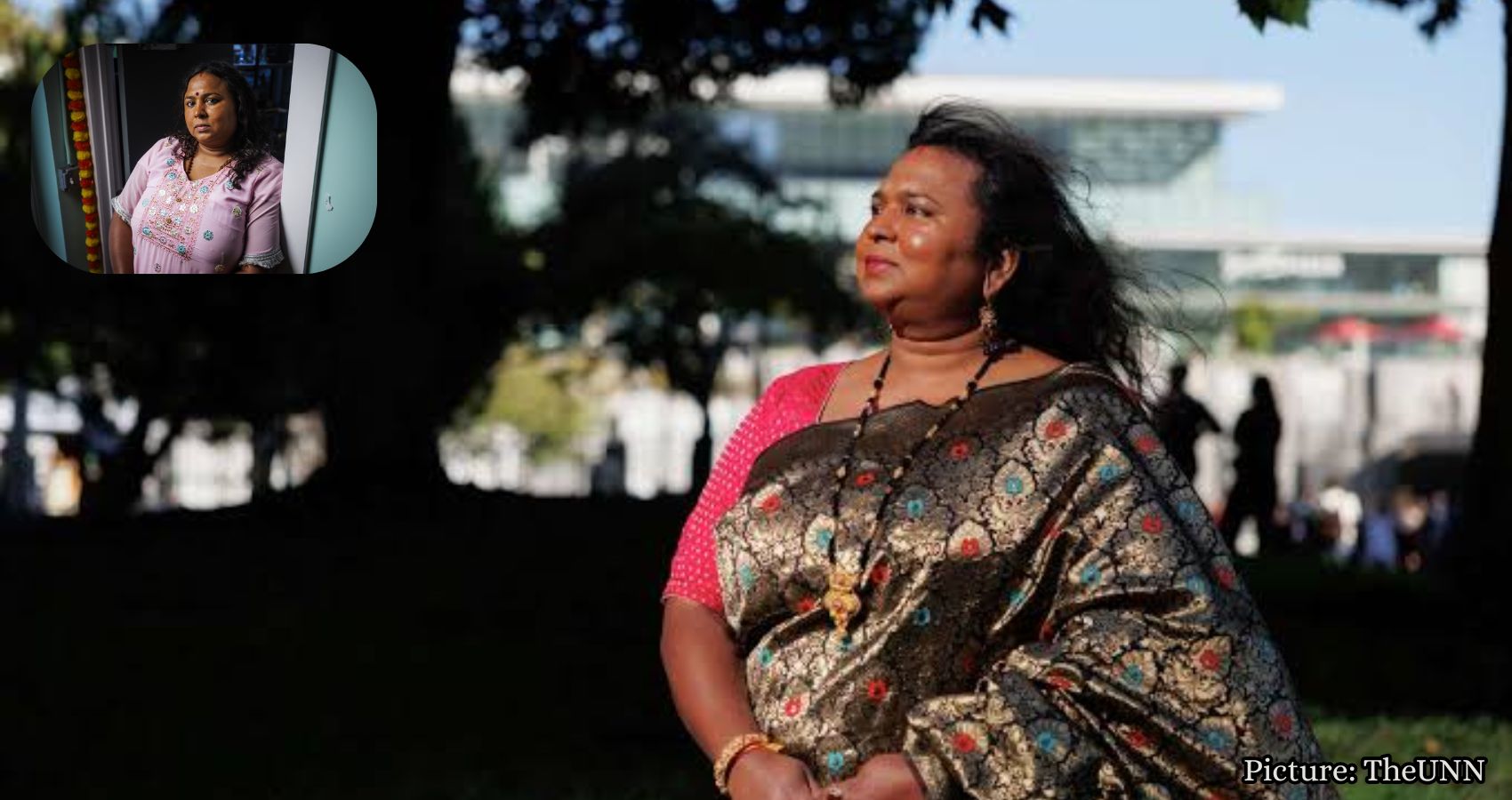
Parivar Bay Area, the only South Asian trans organization in the U.S., faces imminent closure due to a lack of funding, threatening vital support for the Kinnar and Hijra communities.
Parivar Bay Area, a unique organization dedicated to serving the Kinnar and Hijra communities, is on the brink of closure. Founded by Anjali Rimi eight years ago, Parivar has become a crucial resource for transgender immigrants and asylees from the South Asian diaspora. However, Rimi has announced that without immediate funding, the organization may cease operations as early as this week.
“Our public funding has not been awarded back to us, despite quantifiable and qualitative results and deliverables met for two fiscal years now,” Rimi stated. “And therefore our programming, which highly relied on public funding, has been stalled since April 2026.”
This year, Parivar lost both city and state funding, forcing it to pause local programming since April. Rimi expressed her concerns, stating that without new financial support, the organization risks losing its physical space and may have to scale back its services even further.
“It’s heartbreaking after spending eight years and more building this organization,” she lamented. “Our future will become smaller, and eventually we will become history.”
Since its inception, Parivar has assisted over 104,000 individuals globally, with approximately 50,000 of those served in the nine Bay Area counties. The organization is widely recognized as one of a kind, specifically designed to uplift and support trans leadership and the trans community among South Asian immigrants.
Parivar prioritizes various identities within the trans and gender-diverse spectrum, including Hijra, Kinnar, Thirunangai, Mangalmukhi, and Khwaja Sira. Its core programs include trans-specific immigration and resettlement support, a legal clinic called Tilari in partnership with Okan Law, an emerging immigrant leadership program, community and cultural events, and direct crisis response for transgender immigrants facing urgent needs.
Rimi emphasized that the organization’s staff possess lived experiences that foster trust within the community, a quality that cannot be easily replicated elsewhere. However, since April, nearly all of Parivar’s programs have been suspended.
Founded in 2018, Parivar initially relied on a diverse funding mix, including corporate donations and individual contributions. However, as the organization’s programs expanded, its funding shifted significantly. “Ninety-seven percent of our funding since 2022 has been coming from government public funding, primarily through the city and county of San Francisco,” Rimi explained.
This heavy reliance on public funding has become a critical vulnerability for Parivar. The city did not award new funding this year, and a state grant that had been supporting the organization has now been depleted. “That grant kind of allowed us to stay afloat and continue our programming, which only increased the number of community needs, or slots, through the last two fiscal years,” Rimi noted.
Timing has also played a role in the organization’s funding challenges. Rimi mentioned that many involved with Parivar were navigating their own immigration issues during the budget advocacy period, which limited their ability to secure necessary funding. She highlighted the precarious position of trans immigrant organizations both nationally and locally, stating, “We are transgender people who have lived traumatic lives, who have stepped up to be on the front lines of an organization called Parivar Bay Area.”
City officials have recognized the funding gap affecting Parivar. A spokesperson from the Human Rights Commission noted that the city’s budget process has yielded “critical funding gains” for many trans-serving organizations this year, and they continue to work with Parivar.
The funding crisis has also jeopardized Parivar’s headquarters. The organization opened its Turk Street office less than a year ago during a Diwali celebration attended by city officials. Now, the lease, which had been subsidized, is set to increase significantly. “Our rent, if we want to continue to stay here, is now going back to market rate to be four times more than what we are paying,” Rimi stated.
In response to the funding crisis, Parivar is seeking immediate assistance from the mayor’s office, including the release of funds already owed for completed work. Despite the suspension of many programs, Rimi emphasized that community needs have not diminished. “It has not stopped just because Parivar Bay Area has no funding,” she asserted. “We still continue to help folks in critical emergency situations, whether it’s immigration relief or particular transgender struggles.”
As Parivar advocates for emergency funding, the organization has also faced increased visibility, which has unfortunately led to a rise in anti-trans hate directed at Rimi on social media. “This kind of hate reminds us of why our work is so necessary,” she said, noting that negative narratives about trans and immigrant communities often paint them as burdens to society.
Despite the challenges, Rimi remains resolute. “I am not defeated,” she declared. “Every person who walks through our doors looking for hope tells me that I need to keep going and do everything I can to keep us remaining, and not just be remembered.”
Rimi concluded with a call to action, urging the community to support trans and immigrant individuals. “If not Parivar Bay Area, if not Anjali Rimi, you can support or show up, or if nothing else, be a silent ally to trans folks and immigrant folks,” she said. “We are all in this together — If it’s us today, it could be you tomorrow.”
According to India Currents, the future of Parivar hangs in the balance as it seeks urgent support to continue its vital work.