
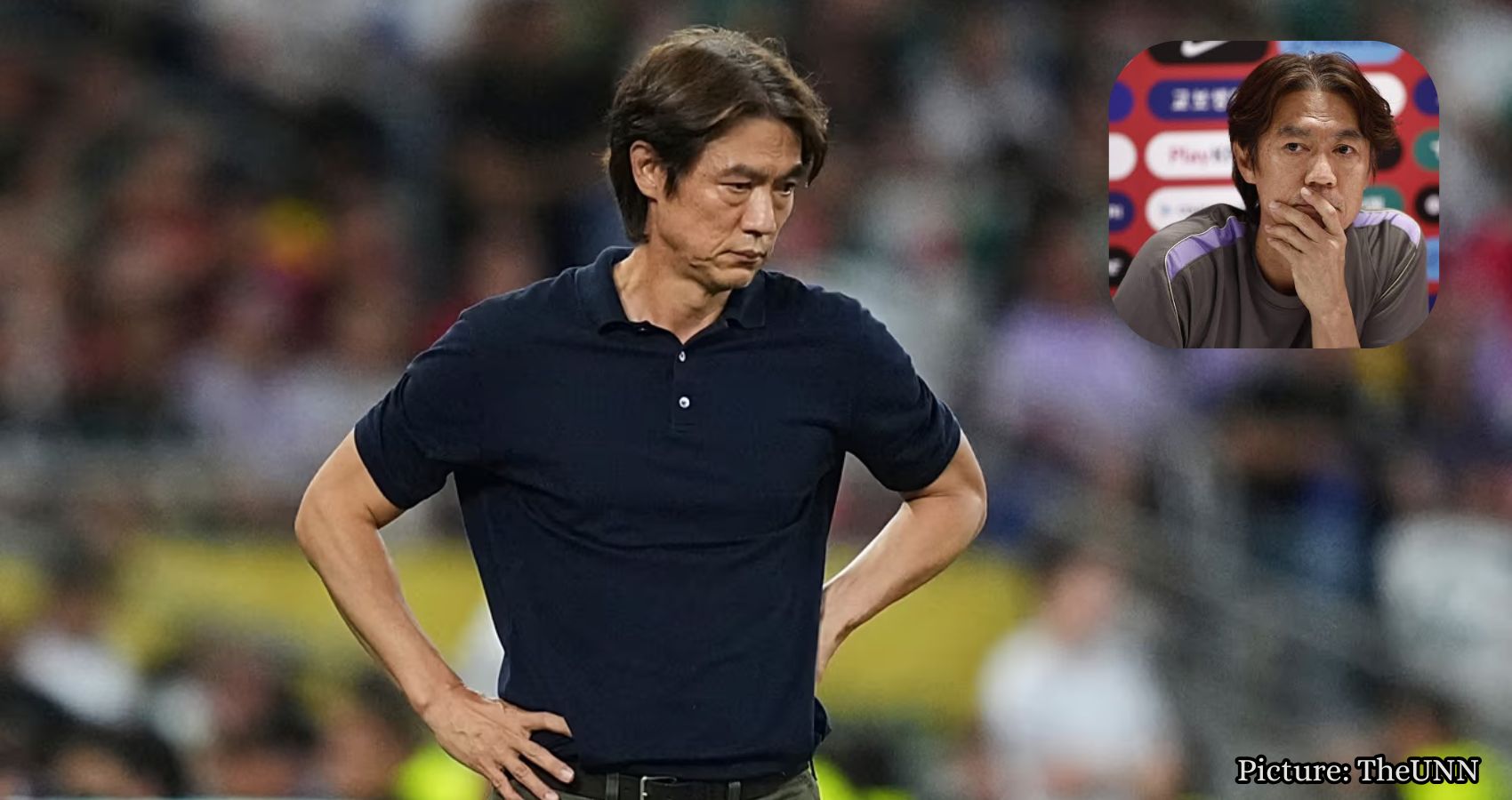
South Korea’s exit from the FIFA World Cup 2026 has ignited a football crisis, prompting a presidential investigation, the resignation of coach Hong Myung-bo, and widespread calls for reform within the Korea Football Association.
South Korea’s disappointing performance at the FIFA World Cup 2026 has escalated into a significant crisis in the nation’s football history. The team’s shocking elimination in the group stage has led to a presidential investigation, the resignation of head coach Hong Myung-bo, and increasing scrutiny of the Korea Football Association (KFA). This situation has sparked nationwide outrage and demands for comprehensive reforms in the sport.
During the tournament, South Korea began Group A with a promising 2-1 victory over the Czech Republic. However, the team suffered two consecutive losses, falling 1-0 to both Mexico and South Africa. This dismal performance left South Korea in third place in their group, failing to qualify for the knockout stage as one of the eight best third-placed teams.
The expanded 48-team format of the tournament had raised expectations for South Korea, with local media dubbing the squad a “golden generation.” Key players included former Tottenham Hotspur forward Son Heung-min, Paris Saint-Germain midfielder Lee Kang-in, and Bayern Munich defender Kim Min-jae.
The defeat to South Africa became a pivotal moment, with coach Hong facing criticism for his decision to leave Son out of the starting lineup, only bringing him on at halftime when the score was still 0-0. In hindsight, Hong admitted he would have made different choices had he anticipated the match’s outcome.
The backlash against South Korea’s exit is rooted in deeper frustrations regarding the KFA’s management of the national team. This includes the controversial appointment and subsequent firing of Juergen Klinsmann, the former German striker who coached the team in 2023.
Hong’s appointment in July 2024, following Klinsmann’s dismissal after just a year, was met with skepticism. A celebrated figure in South Korean football, Hong had previously captained the national team to the semi-finals of the 2002 World Cup and led South Korea to an Olympic bronze medal in 2012. However, his first tenure as national team manager ended in disappointment in 2014, when his squad was eliminated in the group stage of the World Cup in Brazil.
After a challenging period in the Chinese Super League, Hong regained his reputation in the domestic K League, guiding Ulsan Hyundai to consecutive titles in 2022 and 2023. Despite initial reluctance to leave Ulsan during the season, he accepted the national team role in 2024, which raised eyebrows among fans, former players, and lawmakers. Critics argued that the KFA had abandoned a thorough search for foreign candidates in favor of a quick decision to reappoint Hong.
Former national team midfielder Park Joo-ho, who was part of the KFA’s search committee, publicly criticized the appointment process, sharing insights on YouTube about the decision-making behind Hong’s return. In October 2024, South Korea’s sports ministry revealed that the KFA had violated its own hiring protocols in both Hong’s and Klinsmann’s appointments, although it stopped short of demanding the cancellation of Hong’s contract due to a lack of evidence of illegal actions.
The controversy surrounding Hong’s appointment led to a parliamentary committee hearing in September 2024, where KFA President Chung Mong-gyu and Hong were questioned. Chung maintained that there had been no significant procedural violations, asserting that the association had worked diligently and adhered to regulations. Hong characterized his role as his “final service” to Korean football, emphasizing his commitment to strengthening the team and achieving results at the World Cup.
In light of the backlash, Chung announced his intention to step down after the World Cup. Prior to the tournament, South Korean police had already been investigating allegations of improper interference in Hong’s appointment, although no criminal findings have yet been made against him or KFA officials. Following the World Cup exit, President Lee Jae Myung expressed his bewilderment over the team’s performance, attributing the failure to personnel decisions that prioritized loyalty over competence. He has requested the sports ministry to investigate and propose measures to prevent similar occurrences in the future.
The ruling Democratic Party is reportedly planning a parliamentary hearing next week to address the World Cup failure and the KFA’s management. This inquiry is expected to scrutinize the association’s practices and leadership.
In the wake of the World Cup exit, Hong resigned, taking full responsibility for the team’s performance. Upon returning to Seoul on June 29, he faced boos from fans at the airport, while the players received applause. Many supporters expressed that their frustration extended beyond the disappointing results, pointing to a perceived pattern of opaque appointments, lack of accountability, and a culture of self-protection among football officials.
As Hong departed for the United States shortly after the tournament, he indicated uncertainty about when he would return. The immediate future of South Korean football now hinges on who will lead the national team next, whether the government review will prompt broader reforms, and if the KFA can regain public trust ahead of the next major tournament.
According to Reuters, the ramifications of this World Cup exit may reshape the landscape of South Korean football for years to come.