
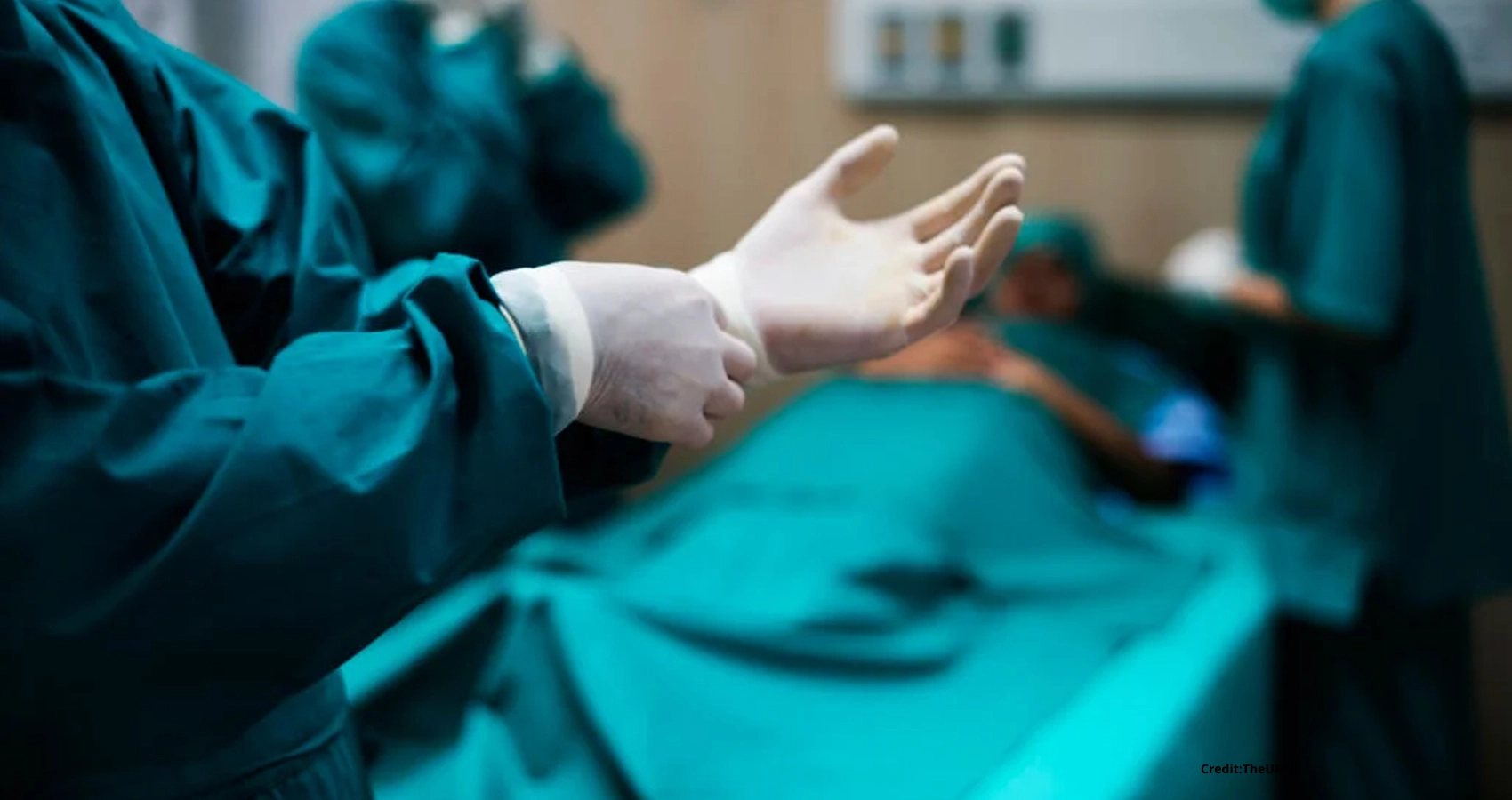
Patients are increasingly requesting to keep removed body parts as souvenirs after surgery, but complex rules and regulations often complicate these desires.
While many surgical patients prefer to forget their time in the operating room, a growing number are asking hospitals to return removed body parts—such as organs, teeth, and joints—as keepsakes. According to TIME magazine, these requests are becoming more common, although hospitals typically dispose of such tissue as medical waste.
Patients seek to keep these items for various reasons, ranging from personal milestones to cultural traditions. For instance, one patient preserved her removed uterus in a jar as a reminder of the pain she endured, while another dried her fallopian tubes to display alongside flowers. Other unique keepsakes include a pulled wisdom tooth transformed into a calligraphy pen and a piece of medical tubing saved from a hospital stay, later gifted to a future spouse.
Dr. Robyn Power, a gynecologic surgeon based in South Florida, noted that only about five of her patients completed the necessary paperwork to take tissue home in the past year, although interest is rising. She explained that patients suffering from painful conditions, such as endometriosis, often desire the removed tissue as tangible proof of their struggles. “It means something different to everybody,” Power stated.
However, obtaining a body part after surgery involves more than simply asking a surgeon in the recovery room. Dr. Kenneth Perry, an emergency room physician in South Carolina, highlighted the complexity of ownership rules surrounding removed tissue, which can vary significantly by state and institution. “As odd as it sounds, the ownership of tissue and other things removed from a person’s body is actually not settled law,” Perry explained.
In emergency situations, doctors may allow patients to take home low-risk items, such as passed kidney stones or splinters, provided these items are not related to a police investigation, like a bullet. However, larger organs or body parts present more challenges, as medical professionals must first rule out infection or serious disease before releasing them.
For example, if an extremity or organ is removed due to infection or bleeding, it typically must undergo pathology testing to ensure its safety. Additionally, different protocols apply to pregnancy-related tissues, such as placentas or remains from miscarriages, with hospitals often implementing separate procedures for families wishing to take them home.
Some surgical patients have turned to platforms like Reddit to express their confusion and share experiences regarding the challenges of keeping removed body parts. One user recounted their frustration when a surgeon in Washington State denied their request to keep a hip bone, citing state law. “Seeing as the hip bone is coming from my own body, I don’t understand why I cannot,” the user wrote. They also mentioned that a friend’s son was allowed to take one of his tonsils to school for show and tell.
Responses from other users highlighted the complexities of hospital policies and health risks associated with keeping removed body parts. “It’s considered medical waste. Yes, bones can carry risks,” one commenter noted. Another user, who claimed to work in pathology, added, “It really depends on the state laws, but most will not allow it. You can have a funeral home bury it if you like, but probably not take it home.”
As patients continue to navigate these complicated regulations, the conversation around ownership of removed body parts remains a nuanced and evolving topic in the medical community.
For further insights, refer to TIME.