
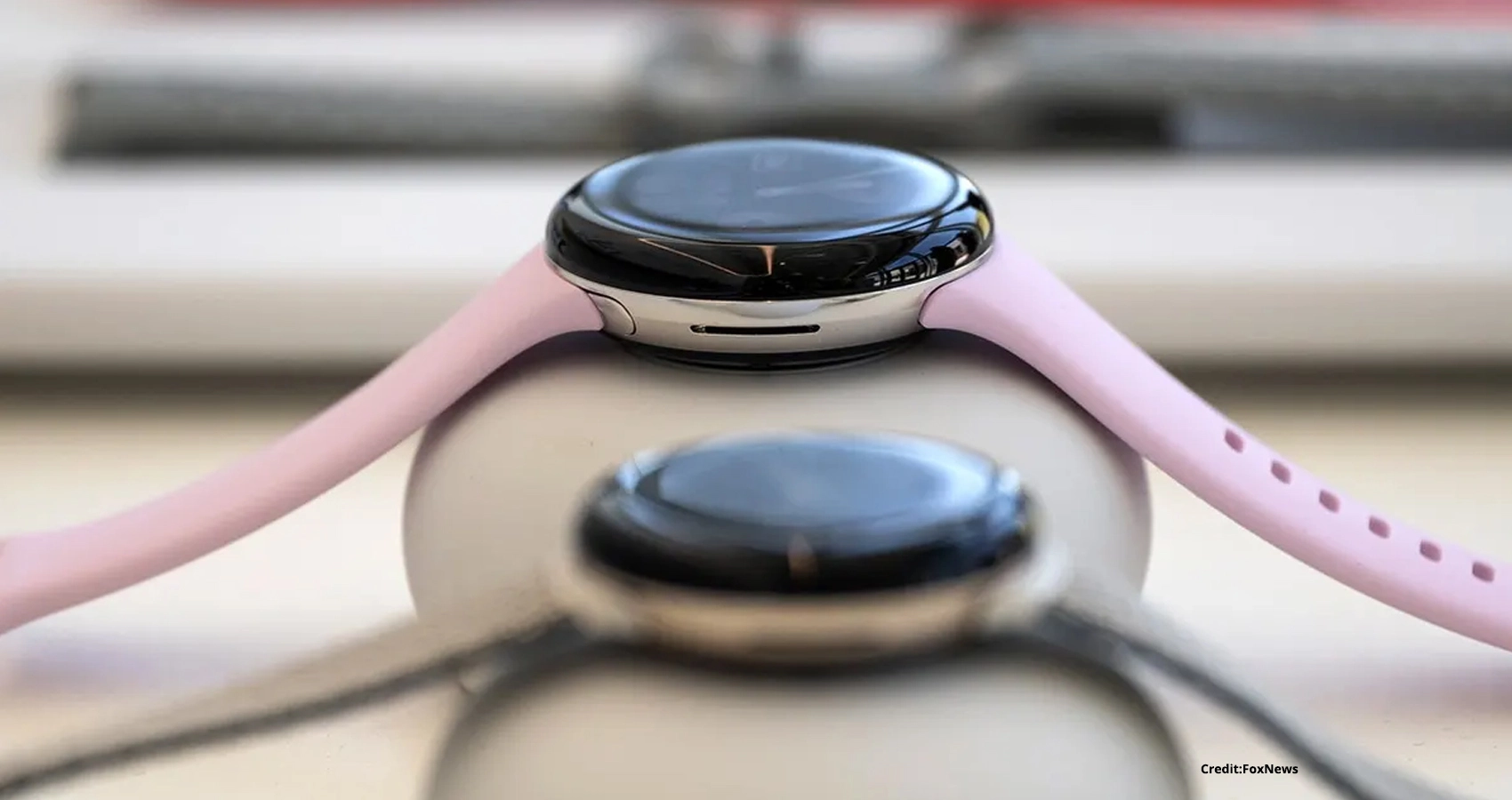
Google’s new AI technology leverages smartwatch sensors to detect hypertension, but a recent study reveals it may miss a significant number of cases.
When was the last time you checked your blood pressure? For many, it likely occurred during a routine doctor’s visit. If you feel healthy, you might not think about it again. This lack of awareness is concerning, as high blood pressure can persist for years without noticeable symptoms. Now, researchers at Google are investigating a method to uncover this hidden risk using a device many of us wear daily: the smartwatch.
A recent study published in Nature demonstrates an artificial intelligence system capable of identifying signs of hypertension through standard smartwatch sensors. This innovative technology operates in the background, eliminating the need for traditional blood pressure cuffs.
The AI utilizes sensors already present in consumer smartwatches, potentially making early detection of hypertension more accessible. However, the study also highlights a significant limitation that users should be aware of.
Google’s AI analyzes data from two types of sensors. The first sensor employs light to detect changes in blood volume beneath the skin, a method commonly used to monitor heart rates. The second sensor measures movement, capturing subtle vibrations caused by the heart pumping blood—vibrations that are imperceptible to the wearer. By analyzing these vibrations alongside pulse patterns, the AI seeks to identify indicators of ongoing high blood pressure.
The system collects data over several days, combining these patterns with the user’s height to estimate the likelihood of sustained hypertension. Unlike traditional monitors, the smartwatch does not provide a specific reading, such as 120 over 80. Instead, it looks for signs that blood pressure may be consistently elevated, allowing users to go about their daily activities while the smartwatch quietly monitors for potential warning signs.
Google collaborated with researchers from Beth Israel Deaconess Medical Center and Harvard Medical School to develop and test this system. The AI was trained using nearly 500,000 hours of smartwatch sensor data collected from 2,109 consenting participants. The researchers then evaluated the hypertension detection system in a clinical study involving 196 participants across five locations in the United States. None of these participants had known cardiovascular disease or were on blood pressure medication.
During the study, participants wore consumer smartwatches for seven days. The AI’s findings were compared with results from 24-hour ambulatory blood pressure monitoring, a medical test that uses a cuff to measure blood pressure repeatedly throughout the day and night. This method is commonly used to confirm hypertension.
Initial screenings revealed that traditional blood pressure checks in medical offices identified 55.3% of participants with hypertension. While this is a promising result, the difference between the smartwatch and office screening was not statistically significant, according to a summary of findings from the Nature Portfolio.
In a smaller group of 48 individuals who had elevated blood pressure readings during their initial doctor’s visit, the AI successfully identified 78.4% of those with ongoing hypertension. It also accurately ruled out the condition in 90.9% of those without it. Although these results are encouraging, further testing is necessary to determine the technology’s reliability in detecting high blood pressure.
For current Google smartwatch users, the company introduced its Health Guardian features in September 2026. Among these is a blood pressure trends feature available through the Google Health app, at no additional subscription cost for eligible Pixel Watch 3, Pixel Watch 4, and Pixel Watch 5 devices, depending on the region.
This feature analyzes pulse and movement patterns over time, providing a monthly assessment of whether blood pressure trends appear high. However, Google emphasizes that this existing feature is intended for general wellness and cannot diagnose hypertension or serve as a medical screening tool. It also does not provide actual systolic or diastolic blood pressure numbers, offering only trend assessments such as “High” or “Not high.” A “Not high” result does not guarantee normal blood pressure, and Google advises against using these estimates to alter medications or treatment plans.
In the competitive landscape, Apple has also introduced FDA-cleared hypertension notifications for compatible Apple Watch models. This feature detects patterns associated with chronic high blood pressure using data from the watch’s optical heart sensor over 30-day periods. Similar to Google’s approach, Apple clarifies that its feature cannot diagnose hypertension and recommends traditional cuff measurements for confirmation.
High blood pressure, often referred to as the “silent killer,” affects over one billion adults globally, many of whom are unaware of their condition. Untreated hypertension can damage blood vessels and elevate the risk of heart attacks or strokes. Younger adults, in particular, may overlook the importance of regular checks, feeling healthy and seeing no reason to monitor their blood pressure.
Imagine if a smartwatch could detect concerning patterns before symptoms arise. This early warning could prompt individuals to seek medical advice and potentially receive treatment before complications develop. However, researchers still need to determine whether smartwatch-based screening can effectively improve diagnosis rates and long-term health outcomes.
If your smartwatch alerts you to possible high blood pressure, it is essential not to ignore it, but also not to assume a diagnosis. The next step should be to check your blood pressure using a validated upper-arm cuff. The American Heart Association recommends automatic upper-arm monitors for home measurements, as they provide more reliable readings than wrist or finger monitors.
For those using Google’s blood pressure trends feature, if you receive a “High” result, Google suggests monitoring your blood pressure twice daily for a week and sharing these readings with your healthcare provider. It’s crucial to follow the monitor’s instructions and use the correct cuff size. Additionally, if you experience emergency symptoms like chest pain or difficulty breathing, seek immediate medical attention rather than waiting for another smartwatch assessment.
Even if your smartwatch does not send an alert, regular blood pressure checks remain vital. While the technology shows promise, the study indicates that the AI missed approximately one in three individuals with hypertension. This statistic is concerning, especially given the serious health risks associated with the condition. Although Google’s technology has great potential, it is essential to continue relying on traditional methods for accurate blood pressure readings.
As researchers work to refine this technology, the hope is that everyday wearables can help identify individuals who might otherwise remain undiagnosed. For now, a reliable blood pressure cuff and consultation with a healthcare professional are crucial for monitoring this critical health metric. The journey toward integrating smartwatch technology into routine medical screening is just beginning.
Would you trust your smartwatch to alert you about high blood pressure? Share your thoughts with us at Cyberguy.com. According to Nature, the research remains exploratory, and further validation is needed before this technology can be widely adopted.