
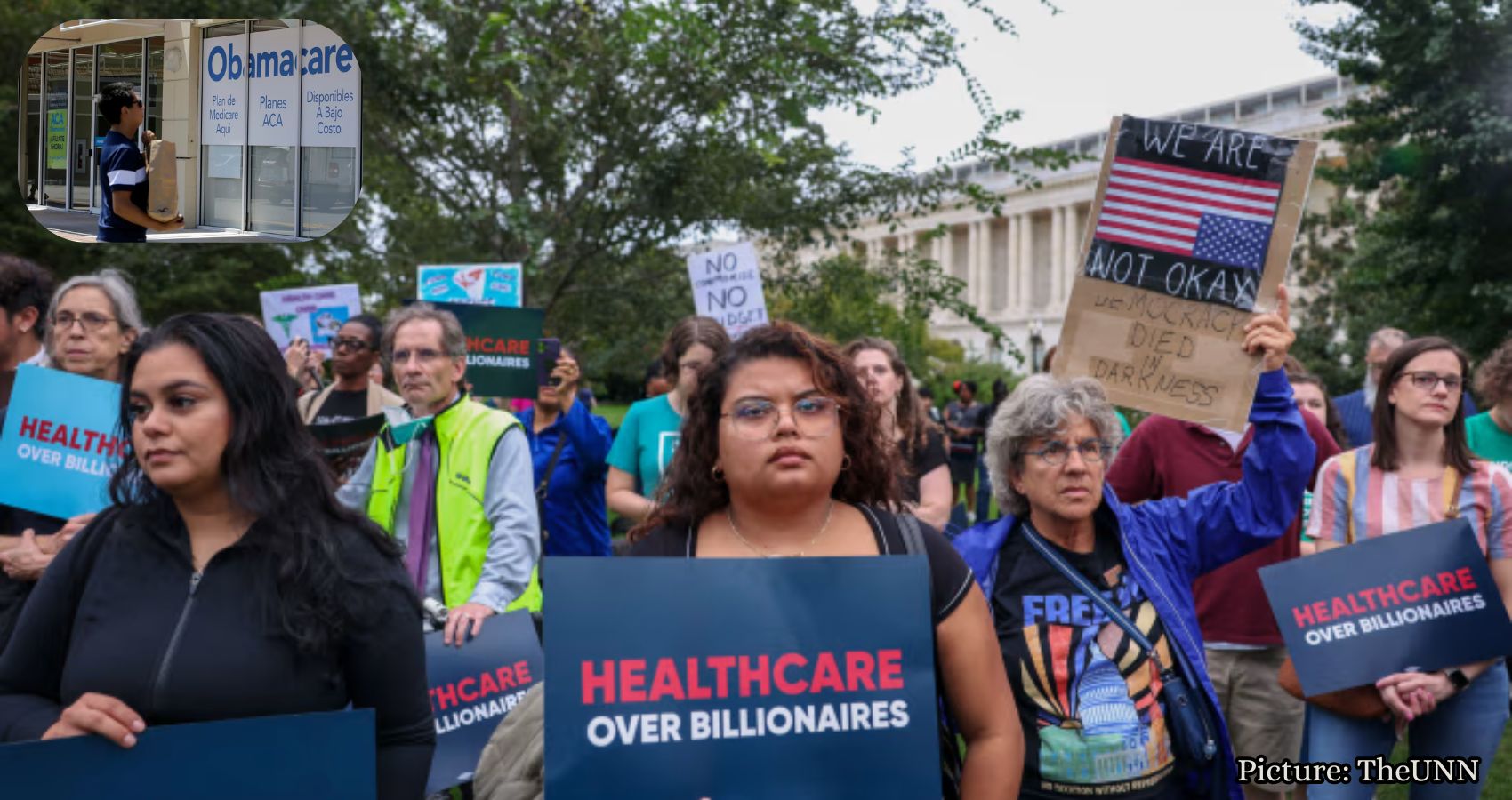
Approximately four million Americans have lost their Affordable Care Act coverage in 2023 due to the expiration of enhanced subsidies that made insurance premiums more affordable.
In 2023, around four million Americans have exited their Affordable Care Act (ACA) insurance plans, following the expiration of enhanced subsidies that significantly improved coverage affordability. According to the Centers for Medicare and Medicaid Services (CMS), enrollment in ACA plans has fallen to an estimated 19.2 million as of February 2023. This marks a decline of over 16 percent from the 23 million individuals who were enrolled at the end of the previous open enrollment period.
The expiration of these enhanced subsidies has led to substantial increases in premium costs for many enrollees. Reports indicate that some individuals have faced premium hikes in the double digits, resulting in what experts describe as ‘sticker shock’ among consumers. Unable to cope with the new financial demands, many have chosen to drop their coverage entirely. This trend raises significant concerns about access to necessary medical care, as millions of Americans now find themselves without affordable health insurance options.
The decline in ACA enrollment is expected to play a pivotal role in the upcoming midterm elections. Democrats have indicated their intention to highlight the impact of the subsidy expiration, alongside legislative changes introduced under the One Big Beautiful Bill and regulatory adjustments made during the Trump administration. As health care costs become a central issue, candidates from both parties are likely to engage in heated debates over the future of the ACA and access to health care.
The political negotiations surrounding the ACA have been contentious. Last year, congressional Democrats faced a challenging situation that culminated in a government shutdown lasting a record 45 days. During this period, they attempted to negotiate an extension of the enhanced ACA subsidies in exchange for their support to reopen the government. However, these negotiations ultimately fell short. Republicans offered a vote on a bill of the Democrats’ choosing to extend these subsidies, but that vote did not pass, resulting in the subsidies expiring at the beginning of 2023.
Supporters of the ACA noted that enrollment had sharply increased during the Biden administration, reaching the highest levels seen in any year prior to 2024. However, the recent decline raises significant concerns regarding the future stability of the ACA marketplace. Administration officials and some congressional Republicans have contested claims that the number of individuals losing insurance has been overstated, attributing part of the enrollment decline to efforts aimed at combating fraud and ensuring proper enrollment practices emphasized during the Trump administration.
Despite these assertions, health policy experts have expressed concerns about the potential implications of the enrollment drop. They emphasize that while a catastrophic ‘death spiral’ in the marketplace, reminiscent of the challenges faced in 2017, is unlikely, there are still considerable concerns regarding stability. The current trend of falling enrollments, coupled with a notable increase in the number of individuals switching to less generous, high-deductible bronze plans, raises alarms about the long-term viability of the ACA and its ability to provide affordable health insurance options for Americans.
As the nation approaches the midterm elections, the ongoing political discourse surrounding the ACA and health care access will be critical. The Democratic Party is likely to leverage the enrollment decline and rising health care costs as part of their campaign strategy, asserting that the expiration of subsidies directly impacts the well-being of American families. Conversely, Republicans may focus on promoting their narrative around the importance of fiscal responsibility and the need for reforms in the health care system.
As various stakeholders engage in this dialogue, the future of health care access and affordability remains uncertain. The implications of this enrollment drop extend beyond immediate figures, potentially affecting public health outcomes and the overall stability of the insurance market. Policymakers, insurers, and health advocates will need to closely monitor these trends and actively seek solutions to ensure that millions of Americans do not face a gap in coverage that could jeopardize their access to essential medical services.
In conclusion, the expiration of enhanced subsidies has led to a significant and concerning decline in ACA enrollment, impacting millions of Americans and shaping the political landscape ahead of the midterm elections. As the debate over health care continues to unfold, the actions taken by lawmakers in the coming months will be crucial in determining the future of the ACA and the health care system as a whole, according to Source Name.