
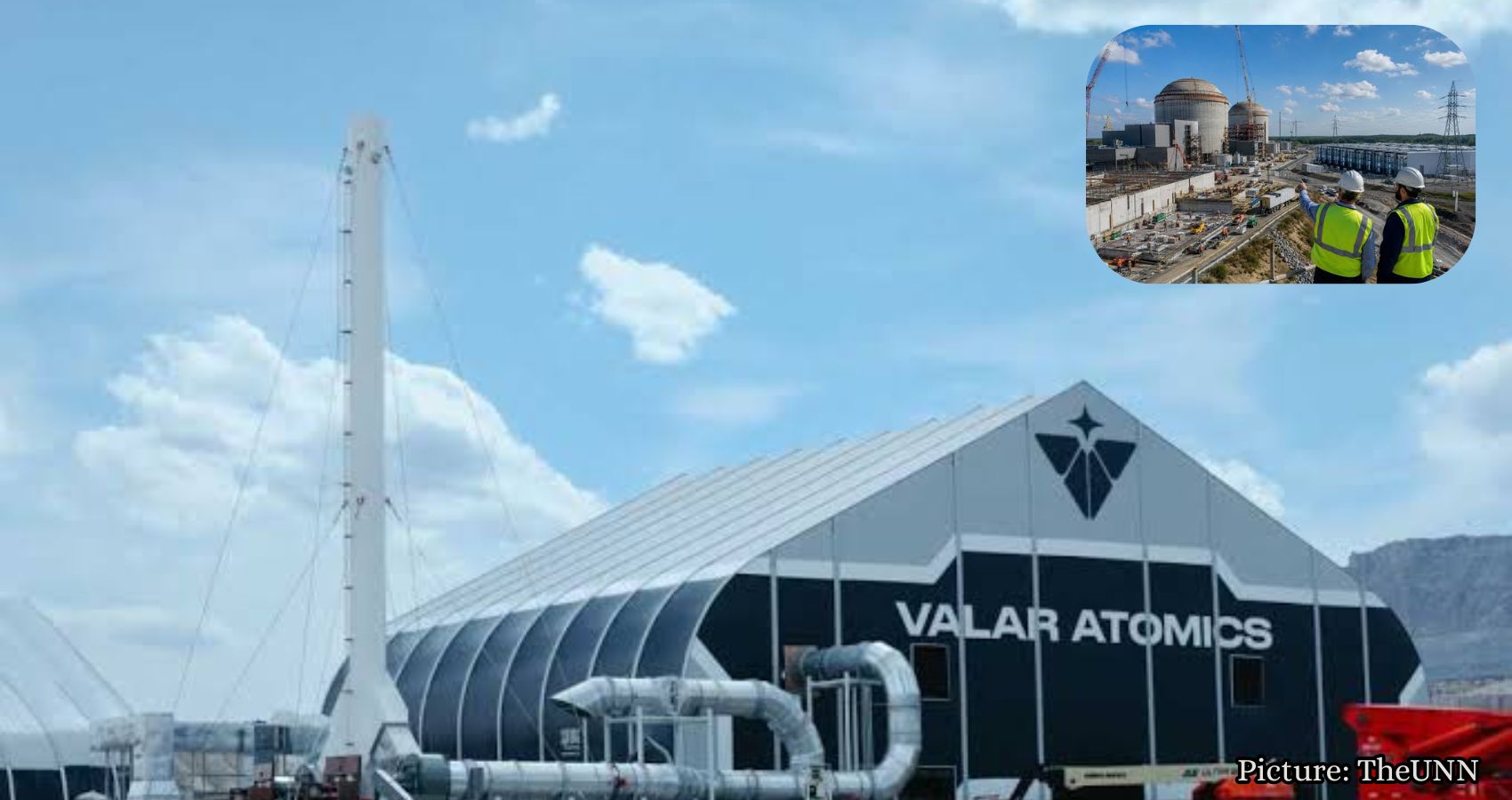
America’s ambitious plan to construct up to 250 nuclear reactors aims to enhance clean energy efforts while igniting discussions about safety and regulatory challenges.
The United States is embarking on a significant nuclear energy expansion, potentially adding as many as 250 new reactors in the coming decades. This initiative represents one of the largest investments in nuclear power since the 1970s. Proponents argue that this expansion is crucial to meet the increasing electricity demand driven by advancements in artificial intelligence, data centers, and advanced manufacturing. However, critics express concerns regarding unresolved issues related to safety, costs, and waste management.
The renewed focus on nuclear energy arises as electricity consumption is expected to surge after years of relatively stagnant demand. The rise of AI data centers, the proliferation of electric vehicles, and the reshoring of manufacturing have intensified the need for utilities to secure reliable, continuous power. As a result, policymakers are revisiting nuclear energy as a low-carbon alternative to fossil fuels.
Unlike earlier generations of nuclear plants, many of the proposed facilities will utilize advanced reactors and small modular reactors (SMRs). Developers assert that these modern designs incorporate passive safety systems that can automatically shut down during emergencies without the need for external power or human intervention. Advocates contend that these innovations not only reduce the likelihood of accidents but also facilitate quicker and more cost-effective construction of nuclear plants.
The federal government has ramped up its support for the nuclear industry through various initiatives aimed at accelerating reactor development. The Department of Energy’s Launch Pad program, for instance, provides developers with access to federal testing sites, technical expertise, and assistance with regulatory licensing. This effort is designed to expedite the commercialization of next-generation reactors.
Several advanced nuclear projects are already transitioning from the planning phase to construction. Companies such as TerraPower, Kairos Power, and X-energy are in the process of building demonstration reactors, bolstered by financial support from the Department of Energy under the Advanced Reactor Demonstration Program. Additionally, major technology firms like Google and Meta have entered into agreements to purchase future nuclear-generated electricity to power their expanding AI infrastructures.
Despite the optimism surrounding these developments, safety experts caution that the introduction of new reactor technologies introduces new uncertainties. While advanced reactors are equipped with modern engineering and enhanced safety features, each new design must undergo rigorous testing and regulatory review before it can be deployed commercially. Experts emphasize that operational experience with these advanced reactors remains limited compared to conventional reactors, making oversight particularly critical during the initial years of operation.
The ongoing debate reflects policymakers’ efforts to balance energy security, climate objectives, and economic competitiveness. The success of the United States in achieving its nuclear expansion plans may hinge not only on technological advancements but also on maintaining public confidence in the safety and economic viability of the next generation of reactors.
According to The American Bazaar, the future of nuclear energy in the U.S. will depend on addressing these multifaceted challenges while fostering a sustainable energy landscape.