
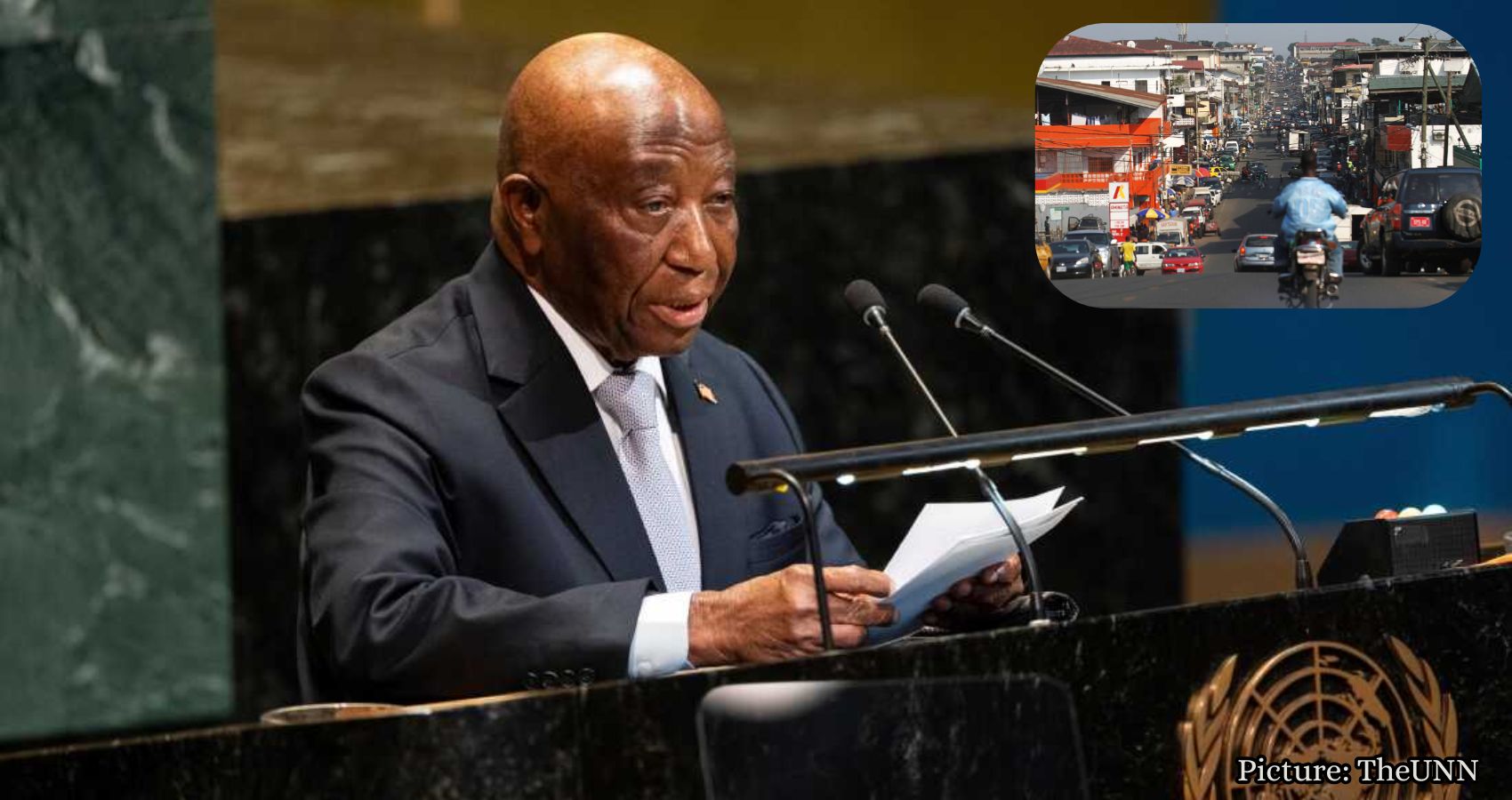
Liberia has agreed to accept 1,200 third-country deportees from the U.S. over the next year, with the first group of 20 set to arrive shortly.
Liberia has officially agreed to accept up to 1,200 third-country deportees from the United States over the next year, as part of a bilateral arrangement announced on Tuesday. This agreement is one of the largest of its kind to emerge from the Trump administration’s immigration enforcement policies.
The first group of 20 deportees is expected to arrive in Liberia on Thursday, according to Jerolinmek Piah, Liberia’s Information Minister. This initiative follows a meeting last year between President Joseph Boakai of Liberia and U.S. President Donald Trump, where Boakai was one of five West African leaders who engaged in discussions regarding immigration policies.
Under the terms of the agreement, the deportees will include individuals from various regions, such as Africa, North America, South America, and the Caribbean. Piah emphasized that the deportees would be welcomed “as guests” in Liberia, with the option to leave at their discretion and apply for asylum if they choose.
In addition to accepting the deportees, Liberia will receive support from the U.S. to help manage the program and enhance its migration system. However, Piah clarified that this arrangement is not a quid pro quo with the U.S. government, and Liberia is not seeking compensation for accepting the deportees. “Liberia’s gesture is entirely humanitarian and in keeping with the country’s longstanding traditions,” he stated.
The Liberian government has highlighted its historical ties to the United States, tracing its roots back to a 19th-century settlement established for free and formerly enslaved Black Americans. Liberia has a long-standing tradition of accepting individuals seeking refuge from political and other crises.
Justice Minister Natu Oswald Tweh noted that the migrants have been screened prior to their arrival, indicating that most have faced immigration violations or offenses. Importantly, the Liberian government has stated that the arriving deportees are not considered criminals and will not face prosecution under U.S. or Liberian law.
Since Trump took office in January 2017, his administration has negotiated several agreements with African nations to accept third-country deportees. These arrangements have included migrants who may have legal protections preventing their return to their countries of origin due to risks of torture, persecution, or other abuses. It remains unclear whether any members of the group being sent to Liberia possess such protections.
The U.S. administration has defended these third-country deportation deals as lawful, asserting that federal immigration law allows for the removal of migrants to willing third countries. In a significant ruling last year, the Supreme Court stayed a lower-court order that had imposed additional procedural requirements on third-country removals while litigation was ongoing.
The U.S.-Liberia agreement stipulates that Liberia will not return any transferred individual to their home country while a protection claim is pending. Both governments have expressed their intention to act in accordance with their obligations under refugee and anti-torture laws.
Rights groups have raised concerns about the potential risks faced by migrants who are sent to countries they have never visited or where they may encounter safety threats. This situation could increase pressure on them to return to their countries of origin.
Other African nations that have accepted third-country deportees include the Democratic Republic of Congo, Central African Republic, Equatorial Guinea, Cameroon, Ghana, and Sierra Leone. The ongoing developments in these agreements continue to draw attention from immigration advocates and human rights organizations.
According to Reuters, the situation surrounding third-country deportations remains complex and contentious, with ongoing discussions about the implications for both the deportees and the countries involved.