
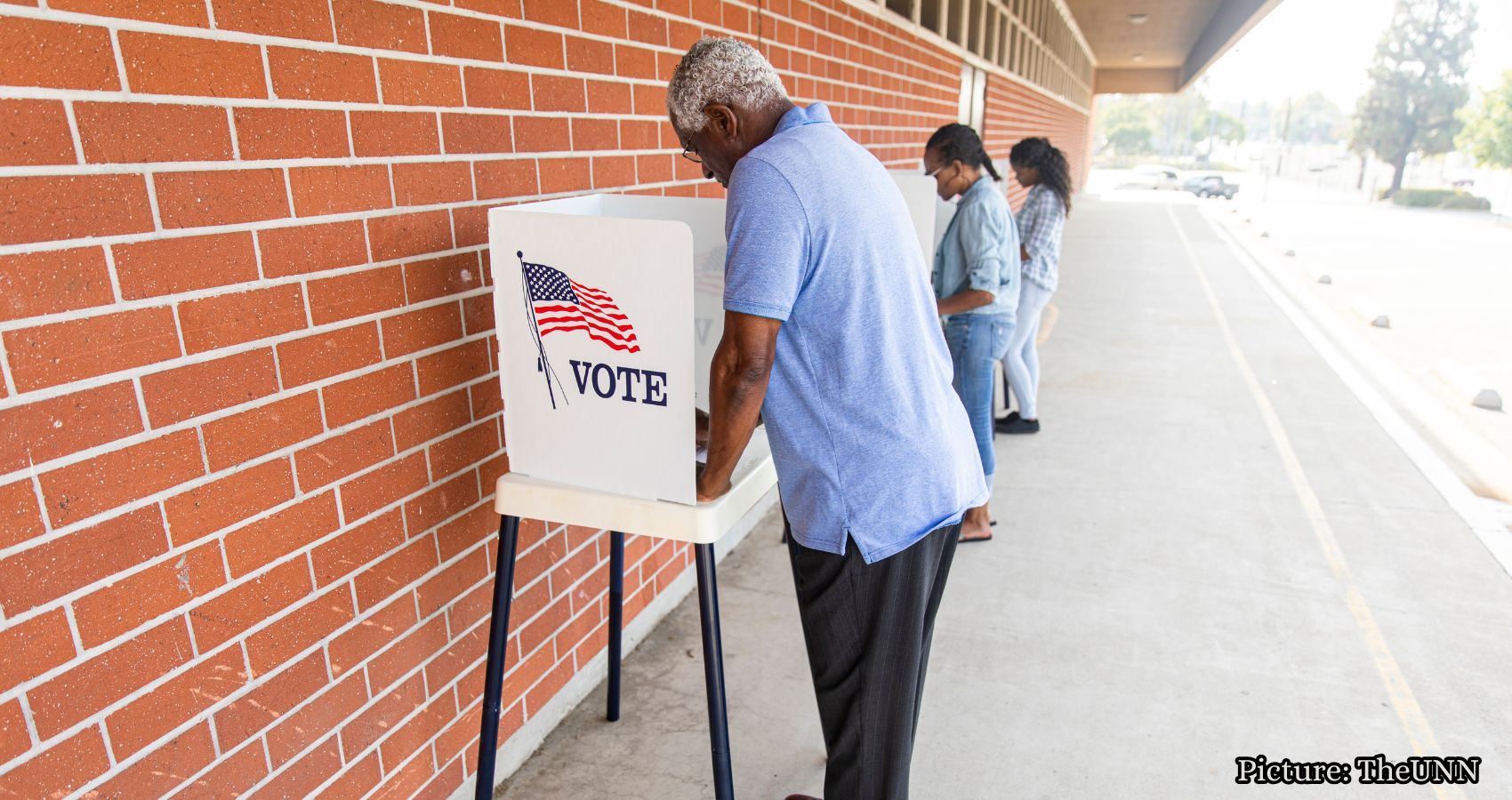
The 2026 midterm elections are poised to be pivotal, yet changes to voting rules are already creating confusion and potential barriers for voters across the United States.
The 2026 midterm elections may be among the most consequential in recent history, but even before ballots are cast, significant changes to voting regulations are underway. New voter ID laws, proposals mandating documentary proof of citizenship, a recent Supreme Court ruling on redistricting, and ongoing local disputes regarding vote counting are all reshaping access to the electoral process.
During a national briefing on June 26, 2026, hosted by American Community Media, three experts provided a clear overview of the current landscape: a civil rights litigator, a national voter ID researcher, and a local journalist whose county has become a focal point for these issues. Their message was urgent and straightforward: the primary threat to democracy is not voter fraud, but rather confusion stemming from last-minute changes to voting rules, ID requirements that disproportionately affect marginalized voters, and the gradual erosion of trust in the electoral process.
Thomas A. Saenz, president and general counsel of the Mexican American Legal Defense and Educational Fund (MALDEF), emphasized a crucial point: the White House does not control elections. “The president of the United States has no authority to regulate elections,” Saenz stated. “Without congressional action, executive orders have no effect.”
According to the Constitution, only Congress has the authority to regulate federal elections. This is why federal proposals like the SAVE Act are significant, even though states manage the actual voting process. A federal mandate could have widespread implications for all races on the ballot in November.
Saenz described the upcoming election as potentially “the most important election we’ve faced to date in this country,” highlighting the stakes involved with control of the House, Senate, and numerous state and local offices. He also sought to dispel a common misconception: “I want to just put away a myth that there is widespread voter fraud. That is simply false. There has not been any demonstrated, proven widespread voting by non-eligible voters in the last 60 years.”
This myth, Saenz noted, is influencing policy decisions across the country.
Da Hae Kim, policy and advocacy manager at VoteRiders, presented data illustrating the impact of voter ID laws. Currently, 38 states require some form of identification at polling places, with new legislation emerging each year. Nearly 21 million voting-age U.S. citizens lack a current driver’s license, and citizens of color are approximately four times more likely than white citizens to be without an up-to-date ID. “These laws are a solution in search of a problem, because voter fraud is virtually non-existent,” Kim asserted.
Research conducted by VoteRiders in California, in collaboration with the University of Maryland’s Center for Democracy and Civic Engagement, revealed that nearly one in five Californians of voting age do not possess a current driver’s license with accurate information. Among voters aged 18 to 24, this figure rises to 35 percent. Furthermore, over 3 million voting-age citizens in California—about 14 percent of the state—would struggle to provide documentary proof of citizenship if required by law.
Kim highlighted the practical barriers that these laws create. “If it’s a choice between putting food on the table or obtaining an up-to-date license or ID, most will prioritize food,” she explained, illustrating the dilemma faced by minimum-wage workers who must weigh a $29 ID fee against basic necessities. Geographic distance also complicates matters, as rural residents often lack access to a DMV, and natural disasters can result in the loss of essential documents.
Despite these challenges, Kim emphasized her intention to empower voters rather than discourage them. “I am sharing these statistics to encourage everyone to continue adding their voice to our democracy,” she said, noting that her organization operates a free voter ID helpline and assists with fees and transportation for those in need.
The disparities Kim described on a national level are manifesting in specific, localized ways, particularly in northern California.
Annelise Pierce, founder and managing editor of Shasta Scout, has reported extensively on Shasta County, which has become a focal point for election-related controversies. Located an hour south of the Oregon border, this rural, predominantly white, and conservative county has turned into a case study of what occurs when distrust in election infrastructure translates into policy changes.
Following the 2020 election, Pierce noted that a new county board majority decided to terminate the contract with Dominion voting machines and shift to hand counting votes. However, the state blocked this move in a jurisdiction with approximately 116,000 registered voters. In June, voters passed Measure B, which, if implemented, would separate Shasta County’s voter rolls from those of California, prompting the state to file a lawsuit before the results were even certified.
Pierce’s reporting captures the palpable unease within the community as the mechanisms of democracy become sources of contention. Changes to voting machines, poll pads, and worker training have shaken voter confidence, leading some residents to express discomfort at the polls for the first time.
While Pierce refrains from assigning intent to these changes, she acknowledges the importance of strict election policies and procedures to ensure access for those facing barriers. “Elections are about process and policy, but it’s also about optics and perception,” she stated.
Shasta County represents an extreme case, yet the dynamics of confusion leading to distrust, which then solidifies into barriers, are evident in milder forms across the nation.
One of the most significant threats identified by Saenz is the impact of redistricting, particularly following the Supreme Court’s ruling in Louisiana v. Callais. This decision raised the threshold for Voting Rights Act challenges to redistricting, resulting in several Southern states redrawing congressional lines in the midst of primary season, after ballots had already been mailed, effectively erasing majority-Black districts.
“Absent a significant increase in voting by voters of color, some of our longstanding Black Congress members may lose their seats in November,” Saenz warned. However, he urged voters to remain engaged: “Redrawn maps can backfire on those who draw them.” He cited Texas as an example, where the distribution of Republican voters across more districts could create opportunities for upsets in a high-turnout year.
All three experts agreed on a common concern: the real threat lies not in the policies themselves, but in the confusion they generate and the misinformation that fills the void.
“There is no reason to lose any confidence in our election security. Our election security is among the best in the world,” Saenz asserted. His primary concern is misinformation, which tends to emerge as elections approach. “You can anticipate it happening, but the specifics often arise right before the election.”
Kim expressed a more practical worry: “I fear that people will discover too late that they lack the correct IDs needed to vote in their states.” In Shasta County, even the local journalist closest to the situation cannot provide residents with clear guidance. “We don’t know if you’ll need an ID to vote in Shasta, and we’re only a few months away,” Pierce noted, highlighting the uncertainty surrounding the upcoming election.
The experts emphasized the importance of proactive measures: voters should familiarize themselves with their state’s rules, secure the necessary ID, and verify their registration and polling place well in advance of November. Both MALDEF and VoteRiders offer online resources detailing state-specific requirements. Ultimately, the power remains in the hands of the voters, and understanding the rules is essential to ensuring that power is exercised effectively.
According to Source Name, the upcoming elections will test the resilience of the democratic process amid evolving challenges.