
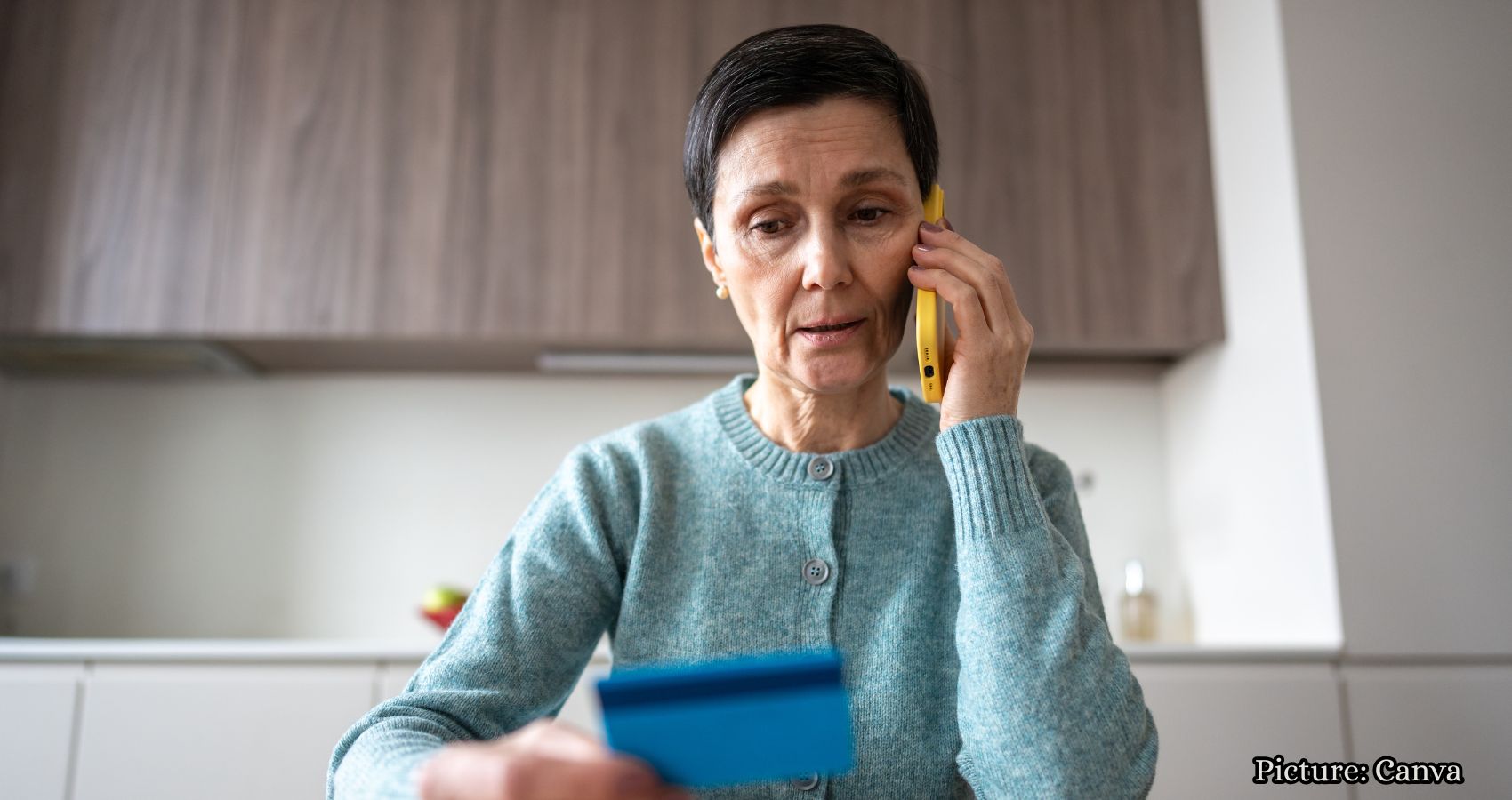
A Texas man narrowly avoided an account takeover after a scammer impersonated a Verizon fraud investigator, using panic and text verification to gain access to his account.
A recent incident in New Braunfels, Texas, highlights the dangers of sophisticated phone scams. A man, identified only as Chuck, nearly fell victim to a fraud scheme that involved a fake Verizon fraud call. The scammer’s tactics included official-looking texts and urgent requests for identity verification, creating a sense of panic that almost led to an account takeover.
Chuck described his experience, stating, “I usually am pretty savvy when it comes to scams, but I almost got fooled by a fake Verizon fraud investigator. He tricked me into giving him access to my account through text verification.” The scammer even attempted to order an upgrade for Chuck’s daughter’s phone, a change she would never make without his consent. Fortunately, Chuck recognized the red flags in time and contacted the real Verizon fraud team to halt the scam.
The call came in around 7:15 p.m., with the scammer claiming to be from Verizon’s fraud department. He provided a name, “John Rodriguez,” and a phone number that appeared legitimate. This detail, along with additional fraudulent information, made the call seem credible. The scammer also supplied a cancellation number, a common tactic in account takeover scams designed to create a false sense of security.
As the conversation progressed, Chuck received several alarming messages that seemed to be from Verizon. One message indicated a request for authentication from the Verizon website, while another warned of a potential scam involving a password change. The urgency of these alerts, combined with the ongoing phone call, created a perfect storm for confusion and manipulation.
Chuck recounted how the caller pressured him to verify his identity multiple times. When he clicked a link to deny access, he believed he was taking a safe action. However, this move may have played right into the scammer’s hands. Once a criminal has a victim on the phone, they can guide them through a series of actions that appear to be protective but actually facilitate the scam.
After the call, Chuck noticed that his daughter’s line had been changed to a new iPhone 17 Pro Max, a purchase she would never authorize. He later received an email that appeared to confirm the cancellation of the order, further complicating the situation. The email, which came from a non-verified address, could have easily led Chuck to believe that the issue was resolved, while the scammer continued to attempt account changes.
Realizing something was amiss, Chuck contacted the legitimate Verizon fraud team. They confirmed that both the fraud case number and cancellation number provided by the scammer were fake. After verifying Chuck’s identity through a secure process, Verizon removed his credentials and advised him to re-register using two-factor authentication (2FA).
This incident underscores the growing prevalence of social engineering scams, which often borrow the language of legitimate fraud prevention to deceive victims. A spokesperson for Verizon acknowledged the rise in such fraudulent activities, stating, “This type of fraudulent activity has unfortunately become all too common. Verizon actively works against bad actors by tracking every case and identifying the hallmarks of social engineering events against our customers.”
To protect against similar scams, Verizon recommends several proactive measures. Customers should always use official contact numbers found on their carrier’s app, website, or billing statements, rather than relying on numbers provided by callers. Additionally, if a caller requests verification through a text link, it is advisable to stop and access the carrier’s app directly instead.
Verizon also suggests that customers enable features such as Number Lock and SIM Protection in the My Verizon app, which can help prevent unauthorized account changes. Using strong, unique passwords and enabling the strongest available 2FA options can further enhance account security.
Chuck’s experience serves as a cautionary tale about the importance of vigilance in the face of increasingly sophisticated scams. The pressure tactics employed by scammers can quickly turn a routine call into a potential disaster. As Chuck aptly put it, “Please use my mistake to help others avoid losing potential thousands in theft of service and money.”
For anyone who has received a suspicious carrier fraud alert, it is crucial to remain cautious and verify the legitimacy of the communication through trusted channels. By taking proactive steps and staying informed, consumers can better protect themselves from falling victim to these deceptive schemes.
According to CyberGuy, it is essential to treat mobile and email accounts with the same level of security as bank accounts and to be wary of sharing personal information with unexpected callers.