
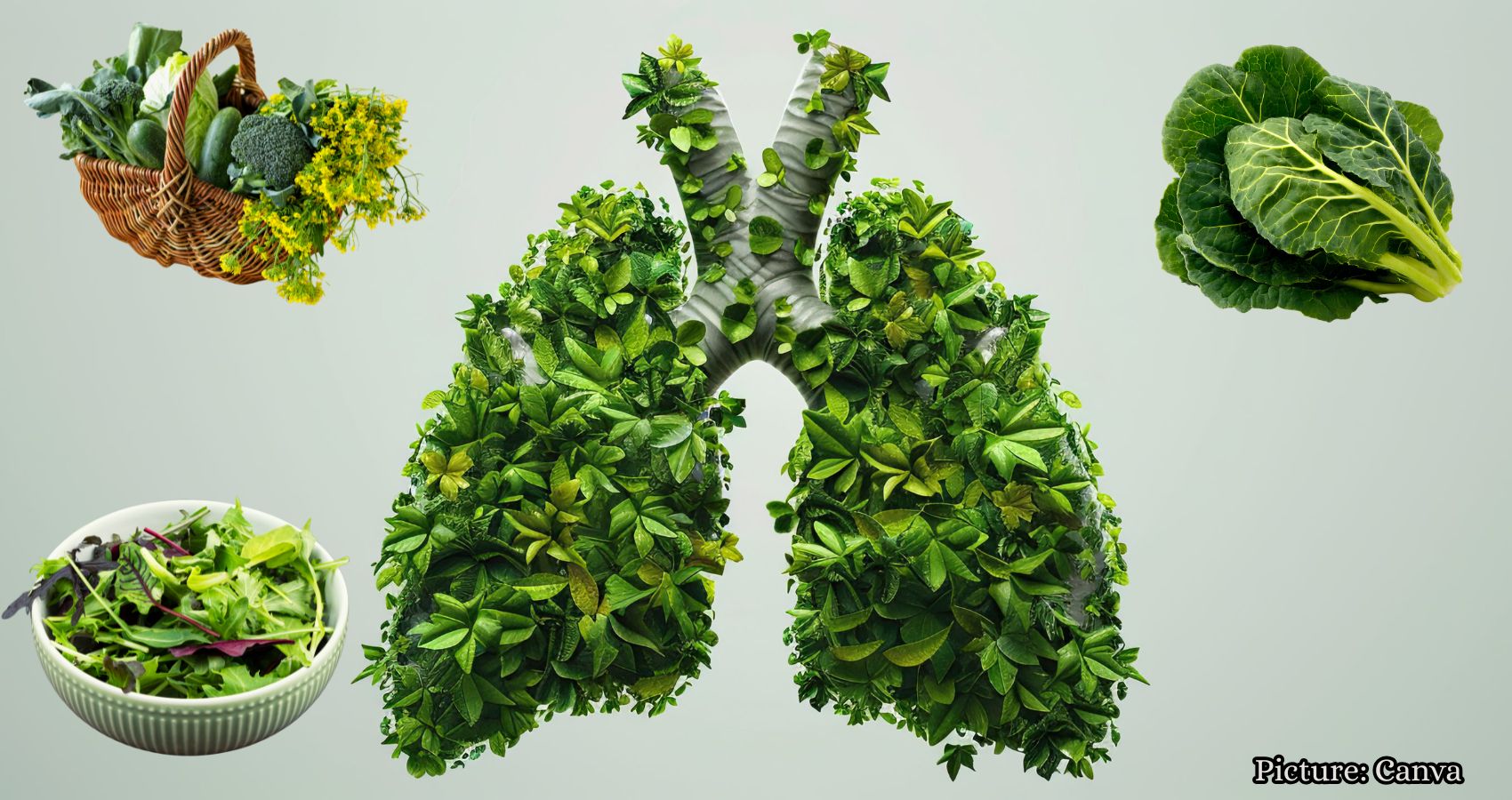
Researchers suggest that increased intake of vitamin K1 from leafy greens like spinach and kale may significantly lower the risk of chronic obstructive pulmonary disease (COPD).
New research indicates that consuming leafy green vegetables such as spinach, kale, and broccoli is linked to improved lung health. Specifically, a study conducted by researchers at Edith Cowan University in Australia found that higher dietary intake of vitamin K1 is associated with a 16% lower likelihood of developing chronic obstructive pulmonary disease (COPD) over a ten-year period.
Vitamin K exists in two primary forms: K1 and K2. Vitamin K1 is predominantly found in vegetables and plays a crucial role in the body’s blood-clotting process. In contrast, vitamin K2 is found in fermented foods, certain dairy products, eggs, and meats, where it helps regulate calcium levels and supports bone health.
The study aimed to explore the relationship between dietary intake of vitamins K1 and K2 and their impact on chronic respiratory diseases, including COPD and asthma. Chronic respiratory diseases are among the most common noncommunicable diseases globally, with COPD and asthma ranking as significant health concerns. According to the researchers, these conditions were the third leading cause of death in 2019, accounting for approximately 4 million deaths and affecting 454.6 million individuals worldwide.
While asthma and COPD can be managed with existing treatments, neither condition is curable, highlighting the importance of effective prevention strategies. Smoking is the leading cause of COPD, as reported by the Mayo Clinic, with exposure to irritants such as dust, chemicals, and pollution also contributing to the disease.
In their analysis, the researchers examined data from 179,062 participants over a span of 10½ years. They concluded that higher dietary intake of vitamin K1 was linked to better lung function and a reduced rate of COPD. Notably, participants who consumed the highest amounts of vitamin K1 exhibited a 16% lower likelihood of developing COPD. This effect was particularly pronounced among smokers and individuals in high-risk occupations.
Interestingly, the study found no correlation between vitamin K2 intake and lower rates of COPD. Furthermore, the researchers noted that there was no association between either vitamin K1 or K2 intake and asthma.
Associate Professor Marc Sim, a contributor to the study, suggested that vitamin K may activate a protein that helps maintain lung tissue flexibility and prevents damage. However, it is important to note that the study’s observational nature means it cannot definitively prove that vitamin K1 directly reduces the risk of COPD; it can only establish an association between higher intake and improved lung health.
For those looking to increase their vitamin K1 intake, researchers recommend incorporating just one additional serving of leafy greens into their diet. Other foods rich in vitamin K1 include collard greens, Swiss chard, Brussels sprouts, and turnip greens.
This study underscores the potential health benefits of leafy greens and their role in promoting respiratory health, particularly for individuals at risk of chronic lung diseases.
According to The American Journal of Clinical Nutrition, the findings highlight the importance of dietary choices in maintaining lung function and overall health.