
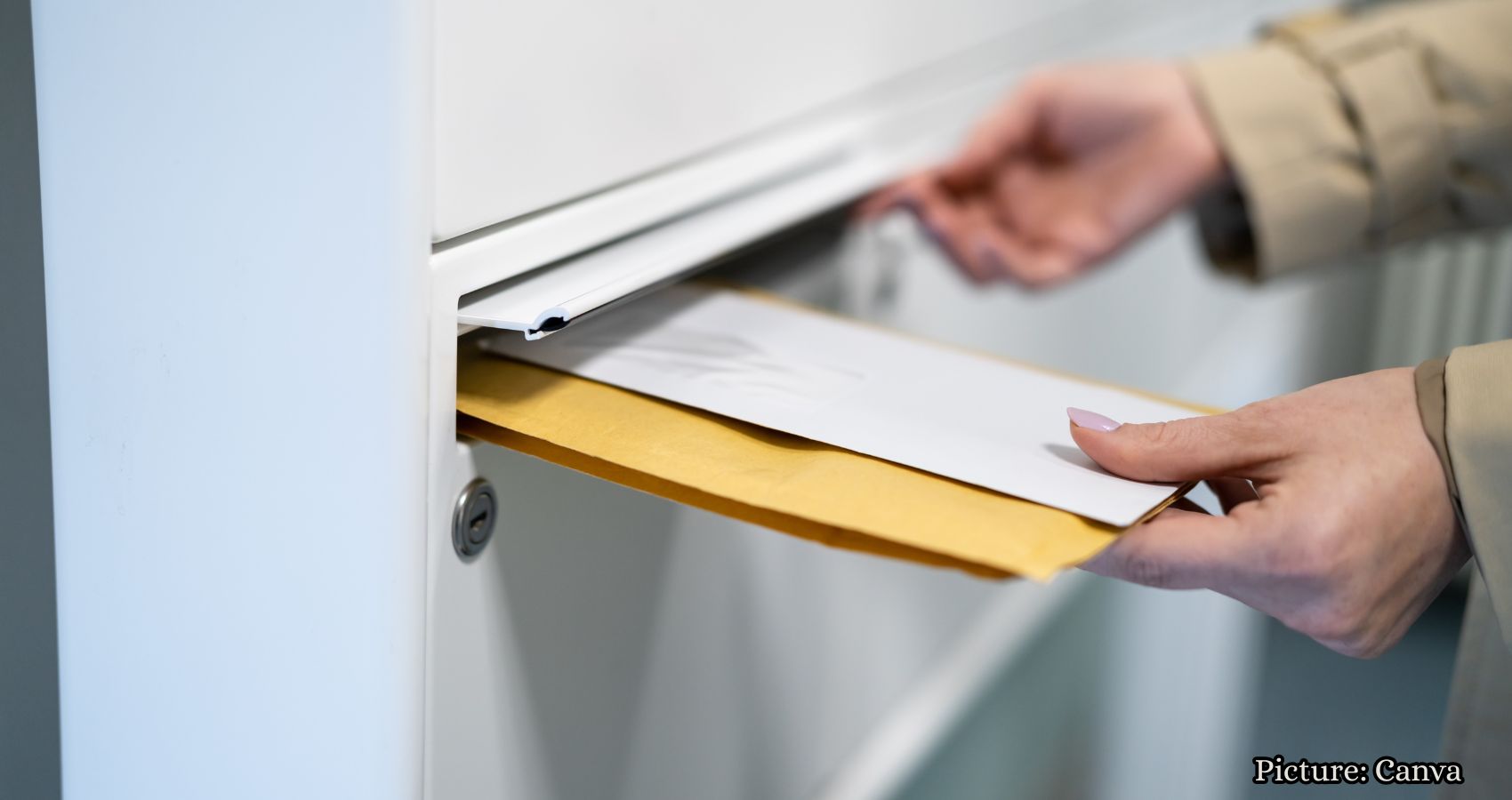
Empty envelopes in your mailbox may signal brushing scams, where scammers use your address to create fake reviews, potentially compromising your personal information.
Receiving an empty envelope in your mailbox can be more than just a curiosity; it may be a sign of a scam known as brushing. This deceptive practice involves sellers sending items—sometimes nothing at all—to real addresses to fabricate verified reviews.
Imagine opening a plain white envelope addressed to you, complete with a tracking number, only to find it completely empty. There’s no note, no product, and no explanation. This scenario is increasingly common, and it’s designed to pique your curiosity, which scammers exploit.
Consumer protection groups and investigators have raised alarms about these empty envelopes and the potential risks they pose. In some cases, these envelopes may contain a QR code that could lead to a malicious website or attempt to steal your personal information.
The real danger lies in what scammers hope you will do next. If they can entice you to scan a QR code, click a link, or provide personal information, that seemingly innocuous envelope can escalate into a serious problem.
Brushing scams often involve sending cheap items or empty envelopes to legitimate addresses, allowing scammers to falsely claim that a product was delivered. Once marked as delivered, the scammer can post a fake “verified buyer” review on online marketplaces, misleading potential customers about the product’s popularity.
Reports indicate that individuals are receiving small white padded envelopes from unfamiliar or potentially fake senders. Some recipients report receiving multiple envelopes, while others find cheap trinkets, packing materials, or nothing at all inside.
While this may seem like a minor annoyance, it raises a significant concern: your personal information may already be compromised. Scammers do not need to send valuable items; they only require a tracking number that indicates a package was delivered to a real address.
Here’s how the scam typically unfolds: a scammer acquires your name and address from data brokers, public records, or online leaks. They then create a fake order using your information and send a cheap item or an empty envelope to your home. Once the delivery is marked complete, the scammer can falsely present you as a “verified buyer,” enhancing their credibility and enabling them to mislead other consumers.
Some of these mystery packages now include QR codes, often accompanied by messages like “scan to see who sent this gift” or “scan to verify delivery.” It’s crucial to resist the temptation to scan these codes.
A QR code is essentially a hidden link, and it’s impossible to know where it leads before your phone scans it. Scammers are aware of the power of curiosity, especially when a package arrives with your name on it. Scanning the code could direct you to a fraudulent website that requests sensitive information such as your name, phone number, address, credit card details, or even your online account passwords.
This is where the financial risk escalates. If you inadvertently provide scammers with your login credentials or banking information, they could gain access to your accounts, make unauthorized purchases, or manipulate payment apps.
If you receive an envelope or package that you did not order, do not panic. Treat it as a warning sign and take precautionary steps. Even if the package urges you to scan a QR code to identify the sender, it’s best to avoid doing so. Instead, visit the retailer’s or shipper’s official website directly.
Scammers may include fake customer service numbers or websites in these packages. If you need to contact a major retailer or shipping company, ensure you type their official website into your browser or use their official app.
Log into your shopping accounts, such as Amazon or eBay, and check for any unfamiliar orders, strange reviews, or unusual payment methods. Start by reviewing your email, shopping accounts, and financial accounts. Use strong, unique passwords, and consider employing a password manager to help manage them securely.
Implementing two-factor authentication (2FA) adds an extra layer of security to your accounts, making it more difficult for scammers to gain access. Whenever possible, use an authenticator app, as it offers stronger protection than text message verification.
Monitor your accounts for small test charges, unfamiliar purchases, or new subscriptions that you did not authorize. If you notice anything suspicious, report it to your bank immediately.
If you suspect your identity may be at risk, review your credit reports. You might also consider placing a fraud alert or credit freeze with the major credit bureaus: Equifax, Experian, and TransUnion.
Report suspicious packages to the U.S. Postal Inspection Service at uspis.gov/report. Additionally, you can file a scam report with the FBI’s Internet Crime Complaint Center at ic3.gov. If a retailer’s name appears on the package label, report it directly through their official site.
While scanning a QR code does not always mean your accounts are compromised, if you have entered any information or downloaded an app from a suspicious source, it is vital to act quickly.
Employing a reliable security tool can help block phishing websites, unsafe links, and malicious downloads before they cause harm. Strong antivirus software provides protection beyond basic virus scanning, including phishing and scam protection for various devices.
Brushing scams often arise because your personal information is already available online. Data brokers collect and sell this information, making it easier for scammers to target you. Utilizing a data removal service can help limit your exposure by requesting the removal of your personal information from these broker sites.
An empty envelope may appear harmless, but it can indicate that your personal information is being misused. The key is to avoid any actions that could lead you deeper into a scam. Do not scan QR codes from unknown packages, call unfamiliar numbers, or enter personal information on websites linked to unsolicited deliveries. Scammers rely on your curiosity; take a moment to verify before acting.
Have you received an empty envelope or mystery package that you did not order? Share your experience with us at Cyberguy.com.
According to CyberGuy, staying vigilant and informed is your best defense against these scams.