
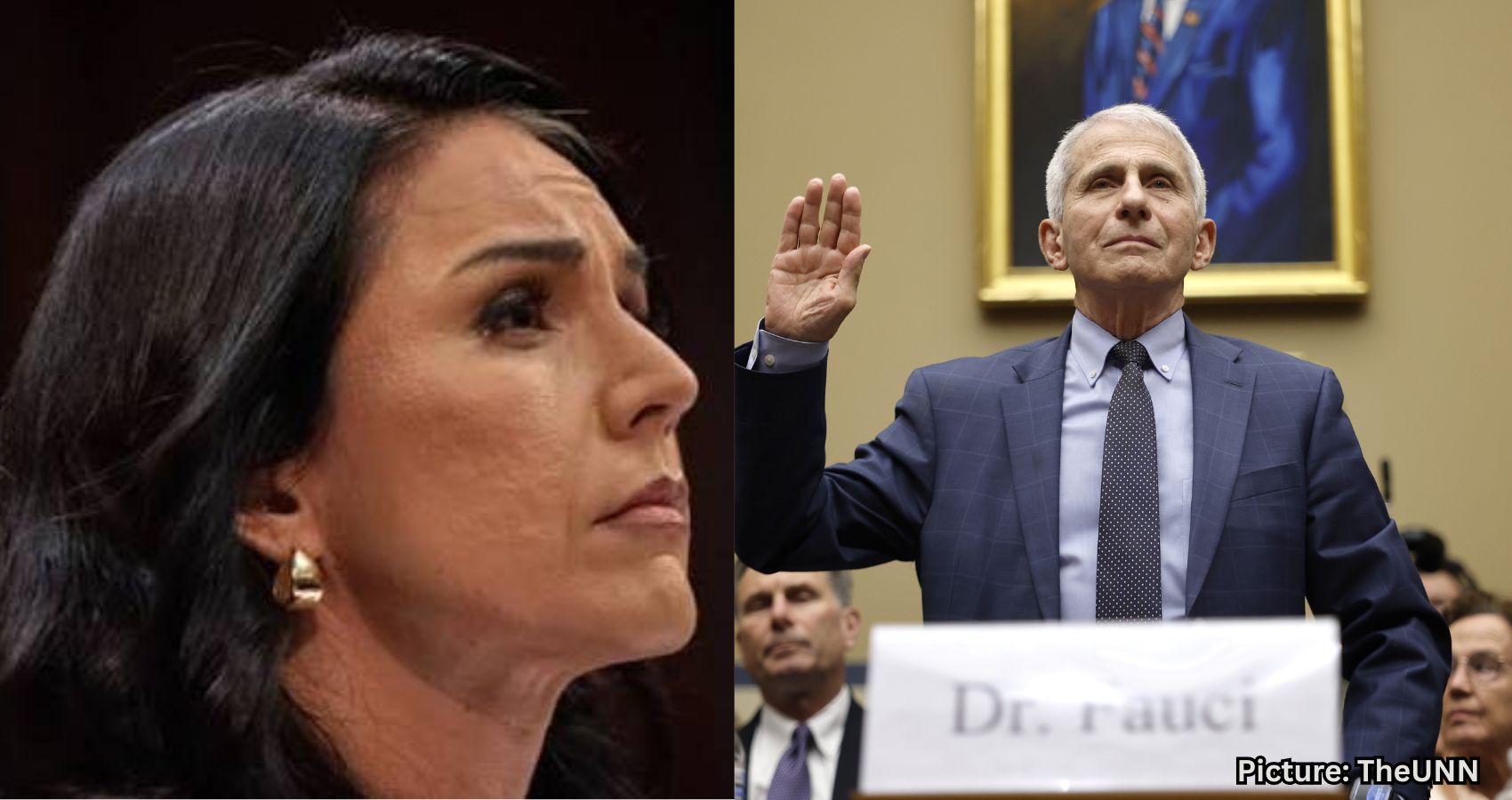
Former National Intelligence Director Tulsi Gabbard has unveiled newly declassified documents suggesting that Anthony Fauci influenced intelligence assessments regarding the origins of Covid-19 and subsequently denied such interactions under oath.
In a significant development in the ongoing discourse surrounding the origins of the Covid-19 pandemic, Tulsi Gabbard, the former Director of National Intelligence, has released newly declassified documents. Gabbard asserts that these documents reveal that Anthony Fauci, the former Director of the National Institute of Allergy and Infectious Diseases (NIAID), played a role in shaping intelligence assessments related to the virus’s origins and later denied these interactions during congressional testimony.
The release of these documents by the Office of the Director of National Intelligence (ODNI) represents a notable escalation in efforts to scrutinize the origins of the pandemic, particularly the involvement of U.S. government agencies, scientists, and intelligence officials throughout the global health crisis.
According to Gabbard, the documents indicate that Fauci engaged with intelligence officials as discussions intensified regarding whether the virus emerged naturally or from a laboratory in Wuhan, China. She emphasized the need for transparency and accountability, stating, “The COVID-19 pandemic caused tremendous hardship and pain for millions of our fellow Americans and for countless people around the world. After years of lies, censorship, and cover-ups, the American people deserve transparency, truth, and accountability.”
Gabbard further accused Fauci of manipulating intelligence, lying to Congress, and undermining a duly elected president by restricting access to crucial information necessary for national safety. She described Fauci and other “politicized self-serving leaders” as having covered up their own misconduct and abuses of power.
The ODNI noted that the declassification process was initiated under President Donald Trump’s transparency directive and involved a year-long review. This review included testimonies from whistleblowers within the intelligence community who reported facing retaliation for challenging official assessments regarding the origins of the virus.
Among the documents released, one email from July 2021 indicated that intelligence officials sought to follow up on Fauci’s recommendations, as he was regarded as a subject matter expert with extensive knowledge of both current and historical research. The email described Fauci as someone who likely knew better than most about the true experts on coronaviruses.
In his 2024 testimony before the House Select Subcommittee on the Coronavirus Pandemic, Fauci denied having knowledge of any discussions with intelligence agencies concerning viral research. However, the newly released documents purportedly reveal multiple interactions between Fauci and intelligence officials regarding inquiries into the origins of Covid-19.
Included in the declassified materials is an August 2021 communication from the Intelligence Community Inspector General’s office, which referenced a whistleblower complaint alleging that Fauci provided “false testimony to Congress related to the conduct of gain of function research at the National Institutes of Health, thereby ‘misleading the American people and Congressional oversight.’”
Additionally, the release contains allegations from whistleblowers that intelligence analysts who supported the lab-leak hypothesis faced professional retaliation and were marginalized or discouraged from voicing dissenting opinions. Gabbard mentioned that several of these complaints have been referred to the Intelligence Community Inspector General for further investigation.
This development marks a pivotal moment in the ongoing examination of the Covid-19 pandemic’s origins and the role of key figures within the U.S. government. As the discourse continues, the implications of these documents could have far-reaching effects on public trust and accountability in the handling of the pandemic.
According to IANS, the release of these documents is part of a broader effort to ensure transparency in the government’s response to the pandemic and to address concerns regarding the integrity of intelligence assessments related to Covid-19.