
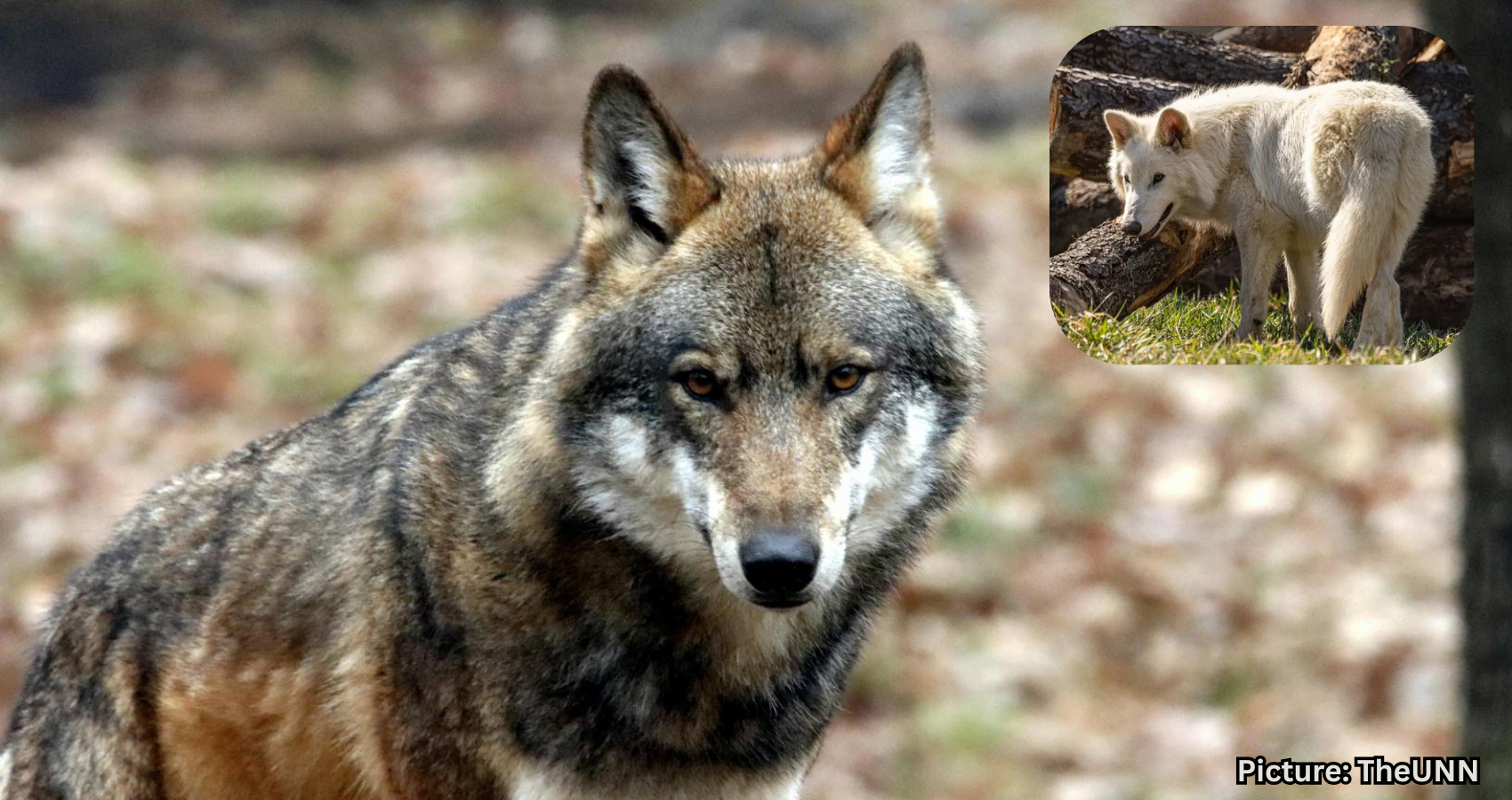
A Dallas-based company claims to have resurrected the dire wolf, an extinct species that last roamed the Earth over 12,500 years ago, using advanced genetic technologies.
A U.S. company has announced a groundbreaking achievement in the field of genetic engineering: the resurrection of the dire wolf, a species that last inhabited the American midcontinent approximately 12,500 years ago. This wolf species gained fame through the popular HBO series “Game of Thrones,” where it is depicted as larger and more intelligent than modern wolves.
Colossal Biosciences, based in Dallas, asserts that it has successfully brought back three dire wolves through genome-editing and cloning techniques. The company claims this marks the world’s first successful instance of “de-extinction,” although some experts argue that the company has merely genetically modified existing wolves rather than fully resurrecting the extinct species.
According to Colossal Biosciences, dire wolves roamed the American midcontinent during the Ice Age, with the oldest confirmed fossil dating back 250,000 years, found in the Black Hills of South Dakota. In “Game of Thrones,” these wolves are portrayed as fiercely loyal companions to the Stark family, the series’ central noble house.
The three litters of dire wolves created by Colossal include two adolescent males named Romulus and Remus, and a female puppy called Khaleesi. To achieve this, scientists extracted blood cells from a living gray wolf and employed CRISPR technology—an acronym for “clustered regularly interspaced short palindromic repeats”—to make 20 specific genetic modifications. These edits were designed to replicate the traits of the ancient dire wolf, such as larger body size and longer, lighter-colored fur, which are believed to have helped the species survive in cold climates.
Of the 20 genetic modifications made, 15 were aligned with genes found in actual dire wolves. The ancient DNA used in this process was sourced from two fossils: a tooth from Sheridan Pit, Ohio, estimated to be around 13,000 years old, and an inner ear bone from American Falls, Idaho, dating back approximately 72,000 years.
The genetic material was then transferred to an egg cell from a domestic dog, and the embryos were implanted into domestic dog surrogates. After a gestation period of 62 days, the genetically engineered pups were born.
Ben Lamm, CEO of Colossal Biosciences, described this achievement as a significant milestone, showcasing the effectiveness of the company’s comprehensive de-extinction technology. “It was once said, ‘any sufficiently advanced technology is indistinguishable from magic,’” Lamm remarked. “Today, our team gets to unveil some of the magic they are working on and its broader impact on conservation.”
Colossal Biosciences has previously announced similar initiatives aimed at genetically altering living species to create animals resembling other extinct creatures, such as woolly mammoths and dodos. In a recent announcement, the company also revealed the successful birth of two litters of cloned red wolves, which are critically endangered. This development, according to Colossal, serves as evidence of its capability to conserve species through de-extinction technology.
In late March, Lamm and his team met with officials from the U.S. Department of the Interior regarding their projects. Interior Secretary Doug Burgum praised the company’s work on social media, calling it a “thrilling new era of scientific wonder.” However, some scientists have expressed skepticism about the feasibility and implications of restoring extinct species.
Corey Bradshaw, a professor of global ecology at Flinders University in Australia, voiced concerns about the claims made by Colossal Biosciences. “So yes, they have slightly genetically modified wolves, maybe, and that’s probably the best that you’re going to get,” Bradshaw stated. “And those slight modifications seem to have been derived from retrieved dire wolf material. Does that make it a dire wolf? No. Does it make a slightly modified gray wolf? Yes. And that’s probably about it.”
Colossal Biosciences reports that the newly created wolves are currently thriving in a 2,000-acre ecological preserve in Texas, which is certified by the American Humane Society and registered with the USDA. Looking ahead, the company aims to restore the species in secure ecological preserves, potentially on indigenous lands, as part of its long-term conservation strategy.
As the debate continues over the implications of such scientific advancements, the resurrection of the dire wolf raises questions about the ethics and practicality of de-extinction efforts in the modern world, according to Fox News.