
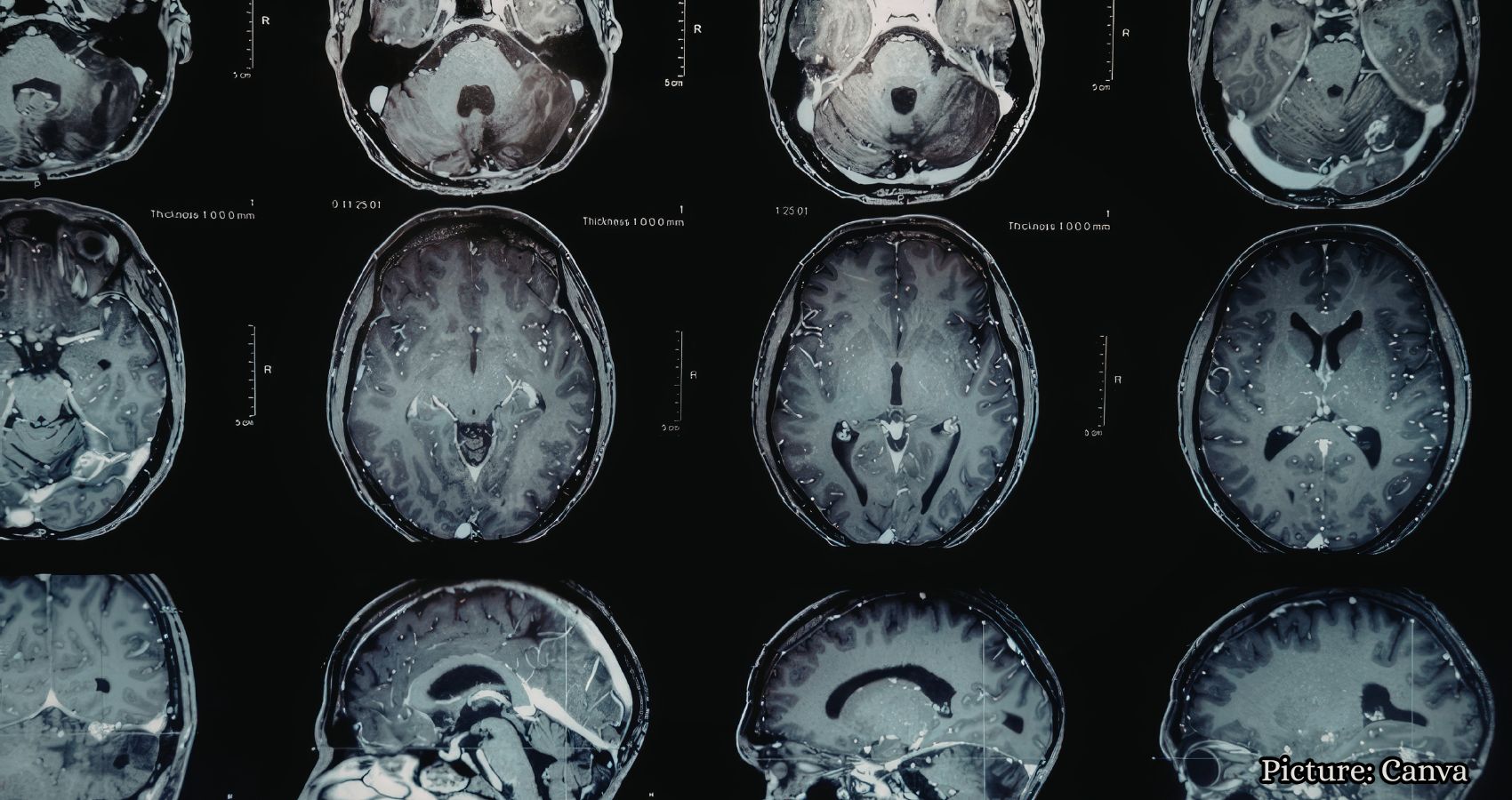
Full-body MRI scans are gaining attention for their potential to detect diseases early, but medical experts urge caution regarding their use in asymptomatic individuals.
Full-body scans are back in the spotlight following a recent revelation by former “Bachelor” contestant Josh Seiter, who disclosed that a preventive scan uncovered a brain tumor before any symptoms appeared. This incident has reignited discussions among medical professionals about the advantages and disadvantages of full-body MRI screenings.
Celebrity endorsements from figures like Kim Kardashian and Paris Hilton have further fueled public interest in these screenings, despite ongoing debates among healthcare experts regarding their efficacy for healthy individuals. Full-body scans utilize various imaging technologies, including magnetic resonance imaging (MRI), computed tomography (CT), and positron emission tomography (PET), as outlined by the Dana-Farber Cancer Institute. The primary aim of these scans is to identify early signs of diseases such as cancer and heart conditions.
Dr. Daniel Durand, chief medical officer at Prenuvo, one of the largest providers of full-body scans in the U.S., likened the scan to a “virtual physical.” He explained that a radiologist can examine the internal structures of the body in ways that traditional annual physicals cannot. Prenuvo’s MRI technology gathers extensive health data, which is then analyzed by two licensed providers who explain the findings and suggest next steps to optimize health.
However, insurance coverage for whole-body scans is typically limited. Dr. Mikhail Varshavski, known as “Dr. Mike,” a primary care physician and podcaster, noted that coverage varies significantly depending on the insurance plan and specific clinical guidelines. He pointed out that for general screening purposes, these tests are often not covered due to a lack of documented clinical benefits versus potential harms. Some coverage may be available for individuals with high-risk genetic syndromes or specific medical conditions.
Durand expressed hope that as more research is conducted, insurers will recognize the benefits of proactive healthcare approaches and expand coverage options. Prices for full-body scans can reach as high as $2,500, depending on the provider and selected options. The two leading companies in this field are Prenuvo, based in California, and Ezra, located in New York City.
Dr. Brett Osborn, a neurologist and longevity expert from Florida, has also discussed the potential benefits of full-body MRI scans. He emphasized that MRI technology allows for a comprehensive, non-invasive examination of the body, enabling the detection of various conditions, including cancers and vascular malformations like aneurysms, without the harmful radiation associated with CT scans.
Durand claimed that Prenuvo scans can identify many diseases based on internal changes detectable by MRI, often before symptoms manifest or before any signs are evident during a physical examination. He stated that early detection could lead to timely treatment, potentially preventing permanent damage from diseases such as cancers, infections, or aneurysms.
Despite these claims, Dr. Mike has not recommended MRI screening scans to his patients. He cited the high upfront costs and the absence of clear medical indications for broad screening in low-risk, asymptomatic individuals as reasons for his stance. He aligns with major medical organizations that do not endorse routine whole-body MRI screening for the general population.
Much of the popularity surrounding these scans can be attributed to celebrity endorsements, which Dr. Mike finds concerning. He noted that even when celebrities receive scans for free, it can create a misleading impression about the necessity and effectiveness of such screenings. He pointed out that companies cannot claim their tests save lives, leading to a situation where celebrities make personal claims that may not undergo the same scrutiny.
Dr. Marc Siegel, a clinical professor of medicine at NYU Langone Health and senior medical analyst for Fox News, also advises against full-body scans for patients. He believes that current technology is better suited for more targeted evaluations conducted by expert physicians who understand what they are looking for. Siegel cautioned that full-body scans might lead to unnecessary follow-ups for positive findings that may not be significant.
He also highlighted the high costs associated with these scans and the fact that they are often oversensitive. Siegel noted that the medical community is shifting towards more personalized healthcare approaches, enhanced by genetics and artificial intelligence, which will likely lead to more directed evaluations rather than broad full-body scans.
Dr. Mike outlined some significant risks associated with full-body scans, including false positives, overdiagnosis, and overtreatment. He also mentioned mental health risks, such as anxiety during the procedure and stress from incidental findings, which could exacerbate health-related worries. While some proponents argue that these scans can alleviate health-related anxiety, Dr. Mike remains skeptical, citing his clinical experience that suggests even clear scan results provide only temporary peace of mind.
A 2020 study indicated that imaging abnormalities are expected in about 95% of individuals screened, meaning that most will receive some form of finding, which could be distressing for those already prone to health anxiety.
During a podcast interview in 2025, Andrew Lacy, CEO of Prenuvo, acknowledged that long-term data on the effectiveness of these screening scans is still lacking. Dr. Mike reiterated that without clear data on the benefits and harms of such interventions, particularly for healthy individuals, he cannot recommend them widely.
Durand cited a recent study involving over 1,000 patients followed for one year, which found that 2.2% of Prenuvo patients had pathologically proven cancer, most of which were early-stage and for which there are no widely accepted screening exams. However, the FDA has echoed the concerns of many doctors, stating that there is currently no scientific evidence demonstrating that whole-body scanning of asymptomatic individuals provides more benefits than harms.
The FDA also warned about the relatively high radiation exposure associated with CT scans, emphasizing that while the risks are outweighed by the benefits of diagnostic scans, the advantages of whole-body screening for asymptomatic individuals remain questionable. They advise patients to carefully consider the potential risks and benefits of CT screening procedures and to discuss them with their physicians.
The American Academy of Family Physicians (AAFP) similarly recommends against full-body scans for early tumor detection in asymptomatic patients, reinforcing the need for caution in the use of these advanced imaging technologies.
As the conversation around full-body scans continues, it is essential for individuals to weigh the potential benefits against the risks and to seek guidance from qualified healthcare professionals.
According to Fox News.