
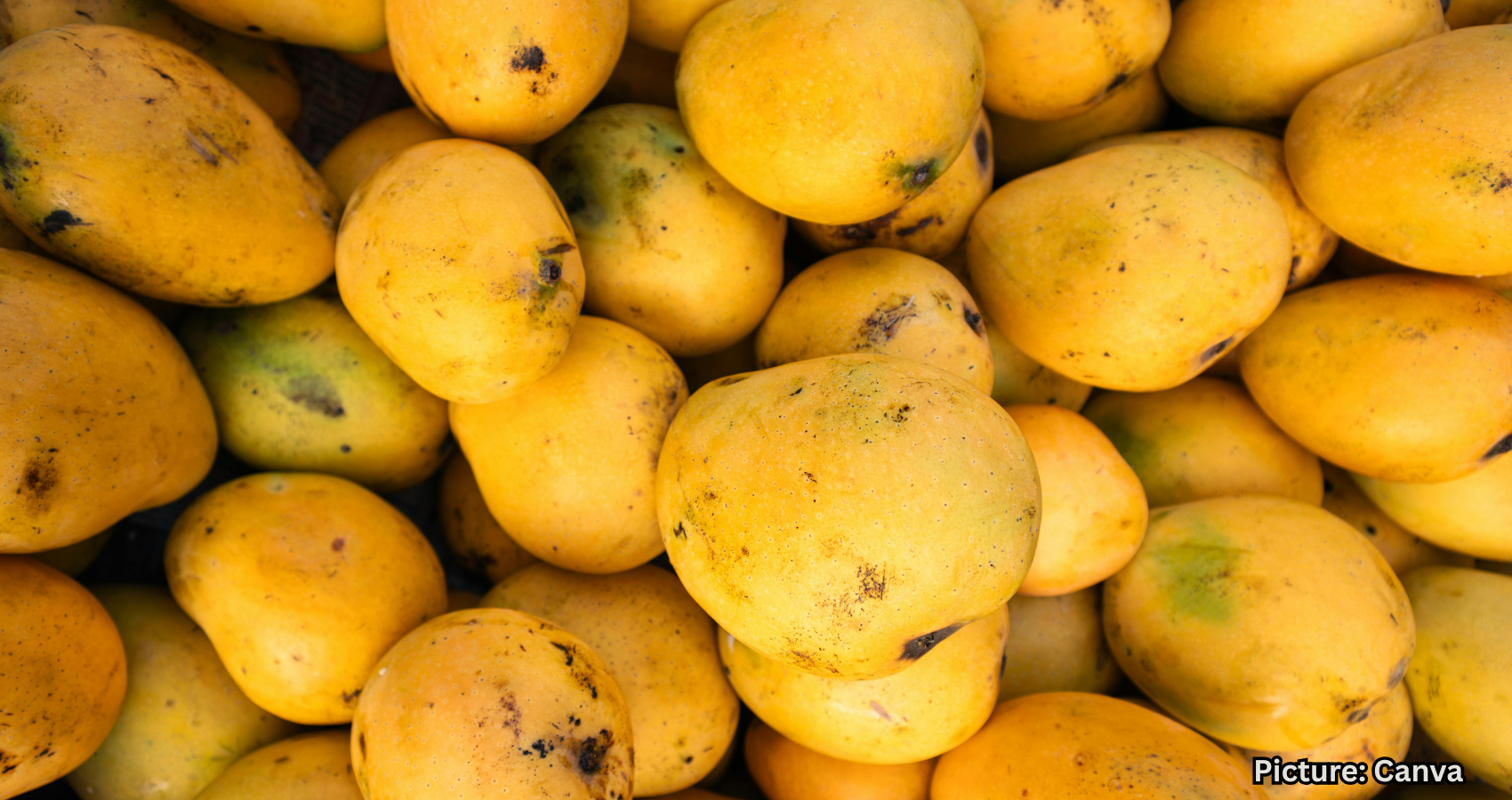
India remains the world’s largest producer and exporter of mangoes, with the United Arab Emirates as its top importer, reflecting the fruit’s global appeal and cultural significance.
India has solidified its position as the world’s largest producer and exporter of mangoes, with the United Arab Emirates (UAE) leading the way in imports. Following the UAE are the United Kingdom and Nepal, both of which have shown significant demand for this beloved fruit.
The country is renowned for its diverse mango varieties, including Alphonso, Kesar, Banganapalli, and Dasheri, all of which have gained international acclaim. In the 2024-2025 fiscal year, Indian mangoes reached consumers in over 150 countries, highlighting their global appeal, particularly during the summer months.
The United Arab Emirates: The Leading Importer
Recent trade data reveals that the UAE has emerged as the largest market for Indian mangoes, importing approximately 12,897 metric tonnes (MT) in the 2024-2025 fiscal year. This substantial figure underscores the UAE’s strong demand for mangoes, driven by several factors.
A significant Indian expatriate community in the UAE plays a crucial role in this demand. The high consumption of mangoes during the Gulf’s summer season, coupled with established trade links and efficient shipping routes, further cements the UAE’s status as a primary market for Indian mangoes. Exporters have noted that varieties such as Alphonso, Kesar, and Banganapalli are particularly popular in urban centers like Dubai and Abu Dhabi.
The United Kingdom: A Key European Market
The United Kingdom ranks as one of the largest European importers of Indian mangoes, with imports totaling approximately 4,367 MT during the 2024-2025 period. British consumers, especially in cities with significant South Asian populations like London, Leicester, and Birmingham, have long favored Indian mangoes, which are available in both specialized grocery stores and mainstream supermarkets.
The continued popularity of Indian mango varieties in the UK reflects deep-rooted cultural ties and a demand for familiar tastes among the South Asian diaspora. This connection ensures a steady market for Indian mangoes, particularly during the peak season.
Nepal: A Neighboring Importer
Nepal has also established itself as a notable market for Indian mangoes, with imports reaching around 3,329 MT in the same fiscal year. The geographical proximity between India and Nepal facilitates quick transportation and reduces logistical costs, ensuring that mangoes arrive fresh. Varieties such as Alphonso, Dasheri, and Kesar are particularly favored in Nepal, catering to local preferences and seasonal demand.
The United States: Growing Market Potential
The United States has emerged as an increasingly valuable market for Indian mangoes, with exports totaling approximately 2,138 MT in the 2024-2025 fiscal year. Broader trade databases indicate that over 9,400 MT of fresh mango-related shipments were made under various product categories during this period.
Demand in the U.S. is primarily driven by Indian and South Asian diaspora communities, as well as a growing interest in tropical fruits among consumers who are becoming more adventurous in their culinary choices. Alphonso mangoes, known for their sweetness and flavor, are particularly popular in cities with large Indian-origin populations, such as New York and San Francisco.
Other Notable Markets in the Gulf Region
Other countries in the Gulf region also significantly contribute to India’s mango export landscape. Kuwait imported around 1,260 MT of Indian mangoes in 2024-2025, driven by strong demand from expatriate communities familiar with Indian fruit varieties. Oman closely follows, with approximately 1,238 MT of imports, benefiting from its proximity to India, which allows for rapid shipping and quality preservation during the peak mango season.
Qatar has also emerged as a noteworthy market, with imports nearing 1,194 MT of Indian mangoes in the same period. Demand in Qatar is fueled by both expatriate communities and a growing interest in premium tropical fruits. Indian mango varieties, especially Alphonso and Kesar, have gained strong visibility in Qatari supermarkets and specialty grocery stores during the summer months, catering to a market eager for high-quality fruit.
Implications for India’s Mango Industry
As India continues to cultivate its reputation as the world’s leading mango producer and exporter, the strong performance across diverse international markets illustrates the fruit’s significance in global trade. The combination of cultural ties, geographical advantages, and a rising global appetite for tropical fruits positions India’s mango exports for sustained growth in the coming years.
The future of India’s mango export industry appears promising, with potential for expanding into new markets and increasing product awareness among consumers worldwide. However, challenges such as logistics, maintaining quality, and adapting to international trade regulations will require the attention of exporters and policymakers alike. By navigating these challenges, India can continue to solidify its position as the king of mangoes on the global stage, according to GlobalNet News.