
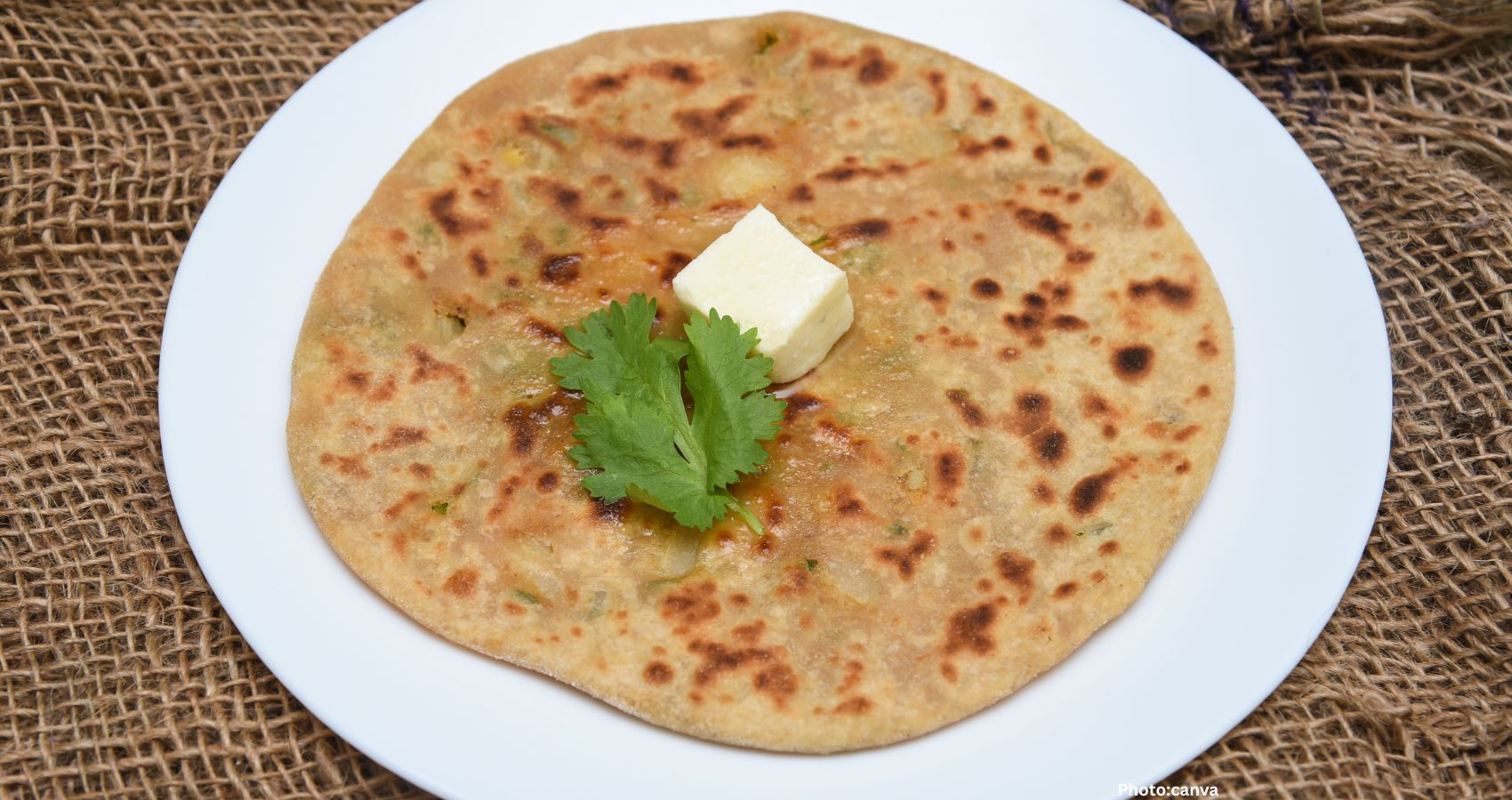
In a Georgia kitchen, a Punjabi mother’s culinary skills evoke memories of home, bridging the gap between generations through the flavors of parathas and cherished family traditions.
The rain in Alpharetta, Georgia, lacked the familiar scent of rain in Punjab, yet within Pramila’s kitchen, the boundaries of time and space began to dissolve. Fifty years had passed since she left her homeland, but fragments of her childhood remained alive in her muscle memory. As I leaned against the doorframe, surrounded by her thriving money plants and succulents, I felt the weight of loss: the loss of land, of home-cooked meals, of sleeping beside my mother, and the soft comfort of her dimpled cheek.
Pramila skillfully worked the chakki ka aatta until it became soft and pliable, a technique passed down through generations. She pressed her thumb into the center of the dough ball, and it dented easily—a silent signal that it was ready. Beside her, the filling was a fragrant blend of boiled, mashed potatoes, finely chopped green chilies, and a generous pinch of coriander and fennel powder. As she crushed dried kasuri methi between her palms, the herbal aroma wafted through the air, transporting me miles away to the image of my own mother.
My mother was a culinary prodigy, managing my Nanaji’s household kitchen at just nine years old. Her early mastery blossomed into a lifelong enchantment; she was the genie of my culinary whims. Whatever I longed for, she conjured: creamy mutter paneer, kesar pista ice cream, and cakes adorned with chocolate ganache. Her larder was a treasure trove filled with sweet mango murabbas, badam barfi, pinnis, gulab jamuns, and airy mango soufflés.
“Is it almost ready?” I asked, watching Pramila roll the dough. Just weeks earlier, in Mumbai, I had missed my mother’s physical presence, yet she felt close, reaching me from afar. I would simply wish for something—Goan poi bread, ajwain roti, or amti with puran polis—and like magic, that exact dish would appear in my hotel room. It felt as if she were walking alongside me, holding my hand as I sang to her.
“Almost,” Pramila replied, rolling the dough into a four-inch disc. She placed a generous portion of the potato stuffing in the center and deftly pleated the edges, sealing the homemade filling inside.
As the first paratha hit the hot griddle, the sizzle and aroma of melting homemade ghee filled the room. Suddenly, the gray Alpharetta sky and the tall oak trees outside the window faded away. In their place, the vibrant mustard fields of our childhood home sprang to life. The fragrance of gardenias mingled with the scent of desi gulab and mogra. I could almost see the yellow mustard blooms swaying in the breeze, and I felt the tall stalks of sugarcane brush against my arms as I ran through them in carefree abandon. Waves of young wheat stretched toward the horizon, golden and inviting.
I recalled my mother feeding my children with the same devotion, shaping mini parathas into birds and rabbits, and preparing halwa and khichadi that were as beautiful as they were delicious.
Pramila flipped the paratha, which puffed up happily, the steam inside expanding like a held breath gently released. My anticipation grew as I watched her smear the paratha with more ghee, pressing the edges until they were crisp and speckled with golden-brown spots.
“I made a green pepper pickle following a recipe on YouTube,” she said.
“Oh, this looks great,” I replied. “We call this pickle tipore in Rajasthan. It was a staple in my mother-in-law’s kitchen.” Pramila nodded, noting how it paired perfectly with dal and chapattis. I examined the anise and fenugreek coating the spicy, sautéed, lemon-infused green chilies on the table, accompanied by a bowl of cool, creamy raita.
Pramila’s raita differed from mine; it contained cubed cucumber and tomatoes, spiced with dry ginger powder, roasted cumin, rock salt, and black pepper, tempered with mustard seeds and curry leaves. It was delicious!
She poured two mugs of strong, milky chai, and we sat down to our impromptu lunch. As I tore into the flaky, light paratha, the steam carried the scent of ginger and coriander—the very essence of home. In that moment, we were not just two friends in a foreign land; we were daughters again, our knees scraped from climbing mango trees, our hearts full of nostalgia.
As I leaned over the simple, wholesome aloo paratha, the decades that separated us vanished. My mother and Pramila’s mother were present in the salt and spice of our meal. This spontaneous lunch was a testament to the enduring legacy of our mothers, proving that one never truly leaves their mother’s kitchen as long as they carry her flavors in their heart.
According to India Currents, the essence of home is often found in the flavors and memories we cherish, transcending time and distance.