
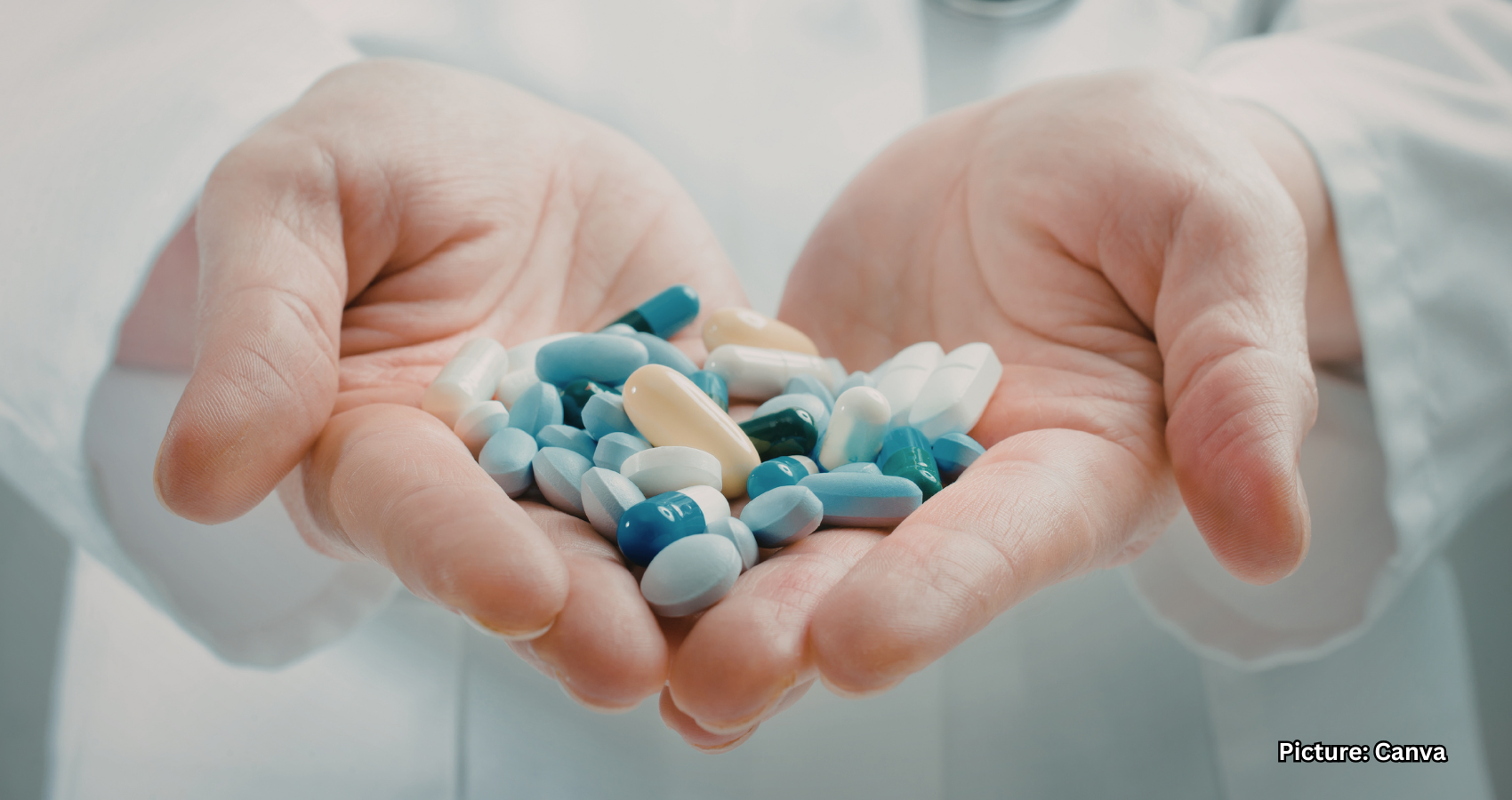
Three antidepressants have been found to outperform fluoxetine in long-term treatment for depression, according to a major study involving over 30,000 patients.
A comprehensive study examining 20 different antidepressants has revealed that three medications may provide superior long-term results compared to fluoxetine, commonly known by its brand name, Prozac. The research, published in The Lancet Psychiatry, evaluated the effectiveness of these antidepressants in alleviating symptoms of depression and preventing relapse over time.
Conducted by researchers at Radboud University Medical Center in the Netherlands, the study analyzed data from 115 previous clinical trials involving more than 30,000 participants. The findings indicate that escitalopram, marketed as Lexapro; duloxetine, known as Cymbalta; and agomelatine are more effective in maintaining long-term remission from depression than fluoxetine, which served as the primary comparison drug.
In a statement to Fox News Digital, Eli Lilly, the manufacturer of Prozac, noted that production of the medication was discontinued in 2024. However, fluoxetine remains available in various FDA-approved generic forms. The company emphasized that neither the study nor the accompanying news release specifically mentioned Prozac or any of Lilly’s products.
The results of the study suggest that while antidepressants can effectively assist individuals in managing their symptoms, some medications are more adept at sustaining wellness over time. Paul van Haaren, a researcher involved in the study, highlighted the distinct advantages and disadvantages associated with each of the three medications.
“Escitalopram is already widely used,” van Haaren stated. “Agomelatine is effective, but it carries a risk of liver failure as a side effect. Duloxetine is less commonly prescribed as a first-line treatment.” Escitalopram is classified as a selective serotonin reuptake inhibitor (SSRI), a category of antidepressants often recommended as an initial treatment option for depression. Among the SSRIs evaluated in the study, escitalopram demonstrated the most effectiveness in helping patients maintain their well-being over time.
Eric Ruhé, a professor specializing in difficult-to-treat depression at Radboud University Medical Center, noted that the study’s findings could potentially influence prescribing practices among healthcare professionals. However, he cautioned that this does not imply that escitalopram is the best choice for every individual suffering from depression.
“As a prescriber, you consider the balance between a medication’s benefits and side effects,” Ruhé explained. “That balance differs from person to person.”
Dr. Carole Lieberman, a board-certified psychiatrist based in Beverly Hills, California, who was not involved in the study, urged caution in interpreting the results. She pointed out that agomelatine is not approved for use in the United States.
“The best way to treat someone with depression is not always with antidepressants, and certainly not with antidepressants alone,” Lieberman stated. She emphasized the importance of psychotherapy or talk therapy in treating depression, noting that some patients may benefit from a combination of medication and therapeutic interventions.
The researchers acknowledged certain limitations within the study. Instead of enrolling a new cohort of patients and tracking their progress over time, the team combined results from existing clinical trials to assess the performance of the medications. Consequently, the findings do not predict which antidepressant will be most effective for any specific individual.
The researchers stressed the importance of considering both the potential benefits and side effects when selecting a medication. Individuals with questions regarding their antidepressants are encouraged to consult with their healthcare provider before making any changes to their treatment regimen.
This study underscores the ongoing evolution of antidepressant research and its implications for clinical practice, as healthcare providers seek to optimize treatment for patients dealing with depression. According to Fox News Digital, the findings may lead to more informed choices in prescribing practices, ultimately enhancing patient care.