
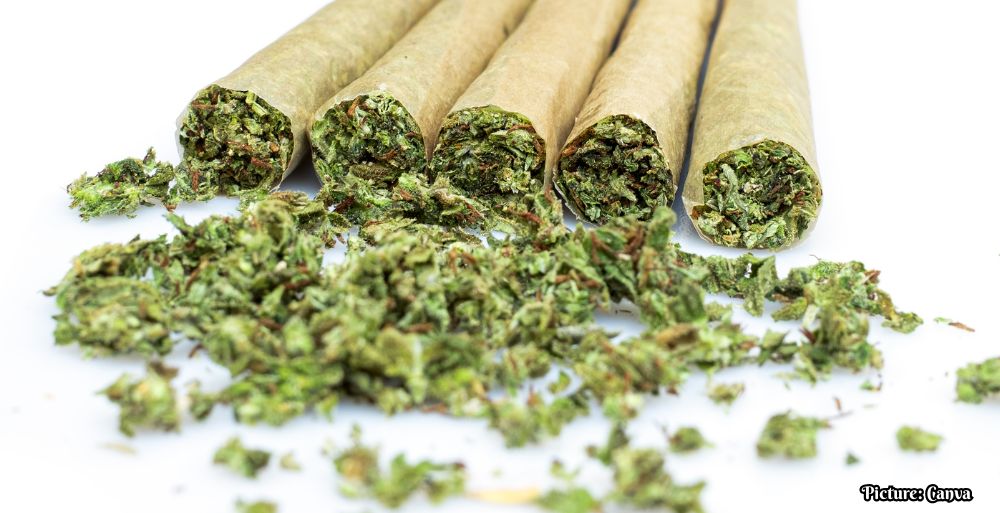
Recent research from Northwestern Medicine indicates that marijuana users experience objectively poorer sleep quality, raising concerns about the efficacy of cannabis as a sleep aid.
A recent study conducted by Northwestern Medicine has revealed troubling insights regarding the use of marijuana as a sleep aid. Despite its popularity among many Americans, the study found that cannabis users exhibited objectively worse sleep quality, even though they did not perceive their sleep to be negatively affected.
The research involved 1,266 participants who were monitored over nearly 35 years, tracking their cannabis use from young adulthood into middle age. In this phase of the study, participants wore wrist monitors for a week to record their sleep patterns and completed surveys regarding their sleep quality.
According to the findings, both lifetime and recent cannabis users demonstrated poorer sleep quality. Senior study author Mercedes R. Carnethon, Ph.D., emphasized that the data contradicts the common belief that cannabis aids sleep. “Our data do not support the belief that cannabis is helpful as a sleep aid,” Carnethon stated, as reported by Northwestern Now.
As cannabis becomes more widely accepted and accessible, understanding its long-term health implications, particularly concerning sleep, is increasingly important. The study indicated that participants with greater lifetime exposure to marijuana experienced worse objective sleep quality. Those who used cannabis more frequently tended to sleep for a lower percentage of the night and faced increased sleep disruptions.
Furthermore, recent cannabis users were found to have higher levels of sleep fragmentation and lower sleep efficiency compared to non-users. Interestingly, the study noted that recent cannabis users were also more likely to sleep longer than eight hours per night, which raises questions about the quality of that sleep.
Alfred Joshua, M.D., a board-certified emergency medicine physician in California who was not involved in the study, commented on the findings. “What makes this study particularly interesting is that participants who used cannabis demonstrated objectively poorer sleep, yet their own assessments of sleep quality did not reflect those differences,” he explained. “In other words, someone may believe marijuana is helping them sleep, while objective measurements suggest otherwise.”
The researchers took into account various external factors, including age, race, sex, smoking frequency, alcohol consumption, and physical activity. Even after adjusting for these variables, a consistent correlation between cannabis use and poorer objectively measured sleep remained evident. However, the study did not examine the mode of cannabis consumption, such as smoking versus edibles.
Carole Lieberman, M.D., a board-certified psychiatrist from California, also weighed in on the findings. She noted that the poor sleep quality observed in chronic marijuana users is not surprising. “It is not surprising that the actual quality of sleep of these subjects, after chronic marijuana use, is poor compared to those who do not smoke marijuana,” she remarked. “People who claim that they need to smoke marijuana before they go to sleep, in order to relax, are only kidding themselves.” Lieberman suggested that the reliance on cannabis for sleep may stem more from psychological addiction than physical dependence.
Joshua reiterated the study’s findings, highlighting that greater cumulative cannabis exposure was linked to reduced sleep efficiency, increased sleep fragmentation, and more time spent awake after initially falling asleep. “These findings raise important questions about whether habitual marijuana use is a sustainable strategy for managing sleep problems,” he added.
In light of these findings, it is essential for individuals to reconsider their reliance on marijuana as a sleep aid. The implications of this research suggest that while many may believe cannabis helps them sleep, the objective data indicates otherwise.
In related news, a separate study involving nearly 450,000 American adults found a link between cannabis use and an increased risk of stroke and cardiovascular disease. These findings are set to be presented at the American Heart Association’s Scientific Sessions 2026 in Chicago from November 6 to 9. The study indicated that both casual and heavy marijuana users face higher odds of developing heart conditions compared to non-users.
As the conversation around cannabis continues to evolve, understanding its effects on sleep and overall health remains a critical area for further research, according to Fox News Digital.