
Israel’s recent election saw high voter turnout, with Prime Minister Benjamin Netanyahu’s Likud party emerging as the largest faction but lacking a parliamentary majority, raising the prospect of a political deadlock.
In the aftermath of Israel’s recent elections, exit polls indicate that Prime Minister Benjamin Netanyahu’s Likud party is gaining ground against its political rivals, yet it still falls short of a parliamentary majority. This situation leaves the country facing a potential political deadlock, despite a projected combined majority for parties outside his governing bloc.
An updated exit poll from Channel 12, released at 3:30 a.m. local time, projected that Netanyahu’s right-wing and religious bloc would secure 53 seats, while the main opposition, led by former military chief Gadi Eisenkot, is expected to garner 49 seats. Additionally, Arab parties are projected to win 19 seats. Together, the opposition and Arab factions would hold a total of 68 seats in the 120-seat Knesset, although they remain divided on the possibility of forming a government together.
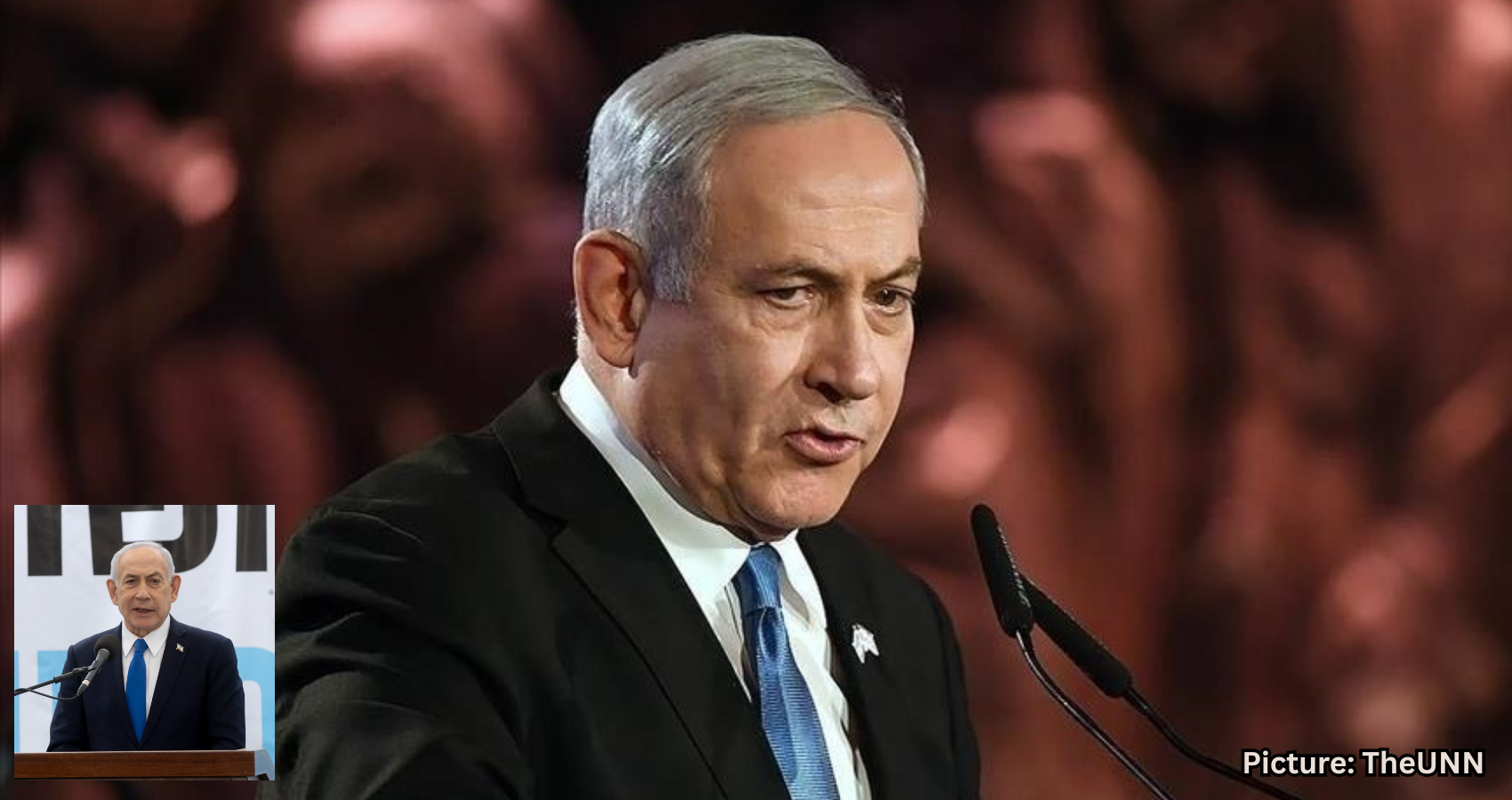
In his first election-night speech at Likud headquarters in Jerusalem, Netanyahu asserted that his party had emerged as the largest in Israel and called for the establishment of a strong right-wing government. “We are still waiting for the actual results, which we will receive over the next day or two,” he told supporters. “Two things have become clear. The first is unequivocal: Likud is the largest party in Israel.”
Netanyahu emphasized the need for a robust national right-wing government, cautioning against reliance on Arab parties, which he accused of opposing Israel’s existence. His remarks came shortly after Eisenkot addressed his supporters in Tel Aviv, where they celebrated earlier projections showing the opposition ahead. Eisenkot urged Netanyahu to accept the election results and step aside, but the updated numbers underscored the uncertainty surrounding the election outcome.
Netanyahu also highlighted what he termed a “once-in-a-lifetime historic opportunity” to eliminate the existential threat posed by Iran, referencing his relationship with former President Donald Trump.
The central question emerging from the election is who will be granted the first opportunity to form a government. If Eisenkot can secure recommendations from at least 61 lawmakers, potentially including Arab parties, he could receive the first mandate, despite Netanyahu’s Likud being the largest individual party. However, this would not guarantee that he could assemble a governing coalition.
For Netanyahu, the election results present a waiting game. Even without a majority, he could still be tasked with forming a government or receive another opportunity if Eisenkot’s efforts fail, which could lead to weeks of political negotiations.
Voter turnout for this election was exceptionally high, with 77.7% of eligible voters casting their ballots by the time polls closed, according to Israel’s Central Elections Committee. This figure marks the highest turnout recorded since 1999, reflecting the intensity surrounding this national election.
The surge in participation prompted election officials to streamline voting procedures, assuring voters that anyone arriving at a polling station before the 10 p.m. deadline would be allowed to cast their ballot. This election was widely perceived as a referendum on Netanyahu’s leadership, following three years of conflict and ongoing scrutiny regarding the security failures that allowed Hamas terrorists to carry out a deadly attack on October 7, 2023, resulting in approximately 1,200 deaths and the abduction of 251 individuals.
Netanyahu, Israel’s longest-serving prime minister, campaigned on his record of confronting Iran and its regional proxies, emphasizing Israel’s military achievements and his relationship with Trump. His opponents criticized him for failing to take responsibility for the security lapses that preceded the October 7 attacks and for opposing his government’s approach to investigating those failures.
In the final hours of the campaign, Netanyahu, Eisenkot, former Prime Minister Naftali Bennett, and other party leaders intensified their efforts to mobilize supporters and sway undecided voters. Netanyahu’s Likud party deployed hundreds of targeted campaign videos and social media messages, making digital outreach a key component of its last-minute strategy. Meanwhile, Eisenkot’s campaign urged supporters to rally behind Yashar as the leading alternative to Likud, while Bennett engaged voters directly through personal outreach and WhatsApp conversations.
The pivotal question now is which candidate can secure the backing of at least 61 lawmakers when President Isaac Herzog consults with the newly elected parliamentary factions. If Eisenkot can obtain those recommendations, including from Arab parties, he would have a strong claim to receive the first opportunity to form a government, even though Netanyahu’s Likud is projected to remain the largest individual party. Importantly, Arab parties could recommend Eisenkot without formally joining his governing coalition.
The final decision rests with Herzog, who is tasked with selecting the lawmaker he believes has the best chance of forming a government. Securing the first mandate does not guarantee that Eisenkot could assemble a governing majority, leaving the door open for another political deadlock.
The closing hours of the campaign featured personal appeals, phone calls to undecided voters, and aggressive turnout operations across the political spectrum. The final days were crucial, as a relatively small share of voters remained undecided about their party preference. A poll published five days before the election indicated that 87% of respondents had made their final choice, while only 2.4% remained undecided between the pro and anti-Netanyahu blocs.
Despite the exit poll projections, the identity of Israel’s next prime minister may remain uncertain for weeks. Unlike in the United States, Israelis vote for political parties rather than directly electing their head of government. The 120 seats in parliament are allocated proportionally, and parties must secure at least 3.25% of valid votes to gain representation.
Once the final results are certified, President Herzog will consult with the newly elected political factions and select the lawmaker he believes has the strongest chance of forming a government. That candidate will have 28 days to negotiate a governing coalition, with the possibility of a 14-day extension. Official results are expected to be published by November 4. Until a new government is established, Netanyahu’s outgoing administration will remain in power.
According to Fox News, the situation remains fluid as the final vote count continues to unfold.