
Iraq has officially devalued its currency, raising the exchange rate from 1,300 to 1,500 dinars per US dollar amid economic pressures and disruptions caused by the ongoing US-Iran war.
Iraq has recently announced a significant devaluation of its currency against the US dollar, with the official exchange rate revised from approximately 1,300 dinars to 1,500 dinars per dollar. This decision was made by the Iraqi Cabinet and communicated by the country’s central bank on Wednesday.
The previous official rate had been in effect since 2023. However, Iraq has faced a persistent disparity between its official exchange rate and the rates available in the market, which has prompted this adjustment.
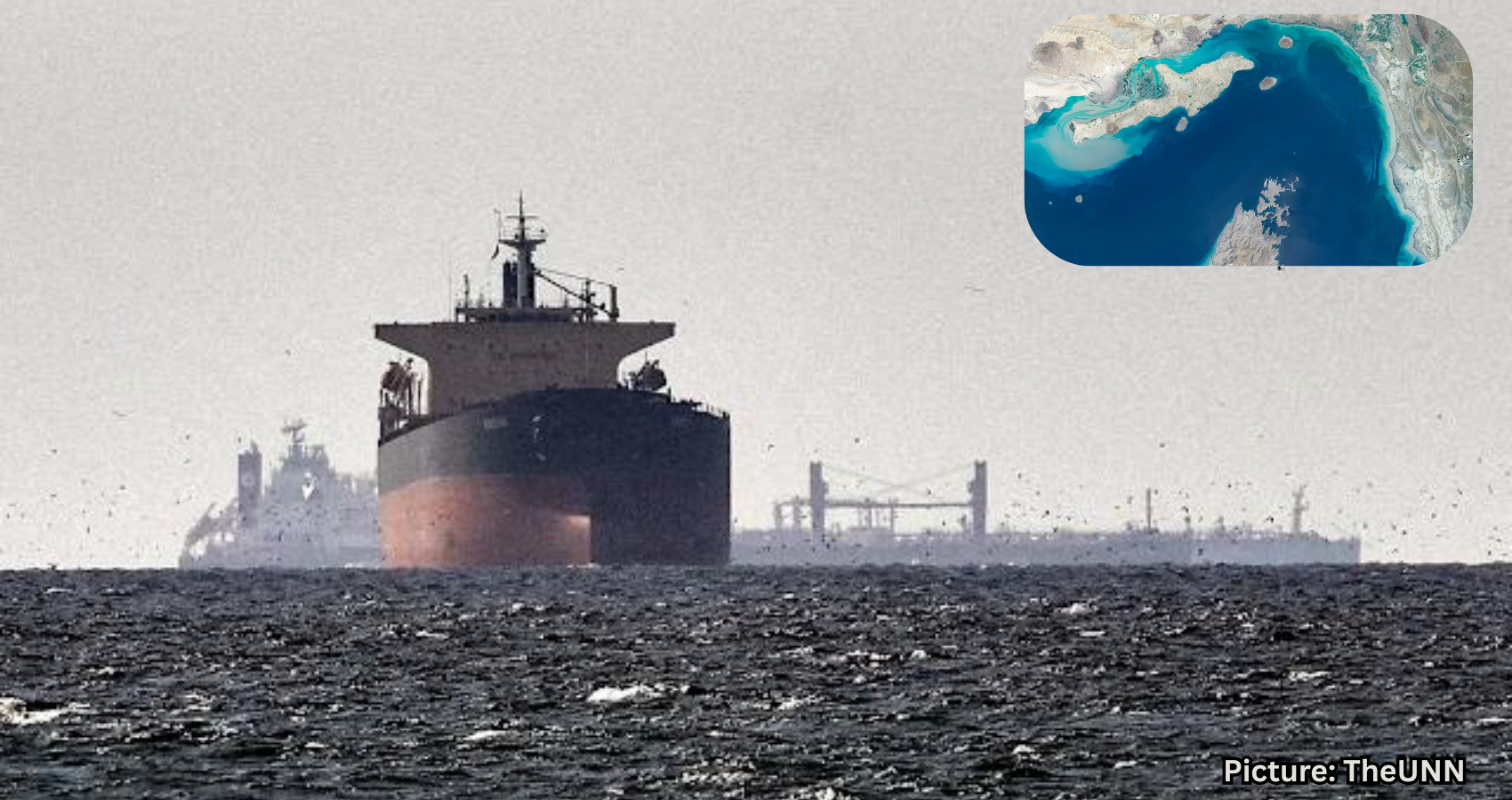
The devaluation is primarily a response to increasing economic pressures linked to the ongoing US-Iran conflict, as well as disruptions in shipping through the strategically important Strait of Hormuz. Iraq’s economy is heavily reliant on oil exports, with a significant portion of its oil historically transported through this vital waterway. Since the onset of the conflict, Iraq has been forced to utilize an overland route through Syria for oil exports, leading to heightened transportation costs and reduced operational efficiency.
This disruption has exacerbated the gap between Iraq’s official and unofficial currency rates, prompting the need for the recent adjustment.
Under the new official exchange rate, one US dollar is equivalent to 1,500 Iraqi dinars for government dollar sales. Consumers purchasing dollars through banks will pay 1,520 dinars per US dollar. This change marks a considerable weakening of the Iraqi dinar’s official value against the US dollar.
Prior to the government’s announcement, the dinar was already trading at a significantly weaker rate in the unofficial market, with rates climbing above 1,600 dinars per dollar. Following the announcement of the new official rate, the market rate surged further, exceeding 1,700 dinars per US dollar.
The persistent difference between the official and market rates continues to pose challenges for Iraq’s currency market, complicating economic stability.
The ongoing US-Iran war has had a profound impact on Iraq’s economy, largely due to its dependence on oil exports and its geographical positioning in the region. The Strait of Hormuz serves as a crucial route for global energy shipments, and disruptions in this area have made it increasingly difficult and costly for Iraq to export oil through its traditional channels.
The reliance on alternative overland routes has further inflated costs, while regional instability continues to exert pressure on the Iraqi dinar.
As the situation evolves, the economic ramifications of the conflict and the currency devaluation will likely continue to unfold, affecting both the Iraqi economy and its citizens.
According to The Sunday Guardian, the devaluation reflects the broader economic challenges facing Iraq amid ongoing geopolitical tensions.