
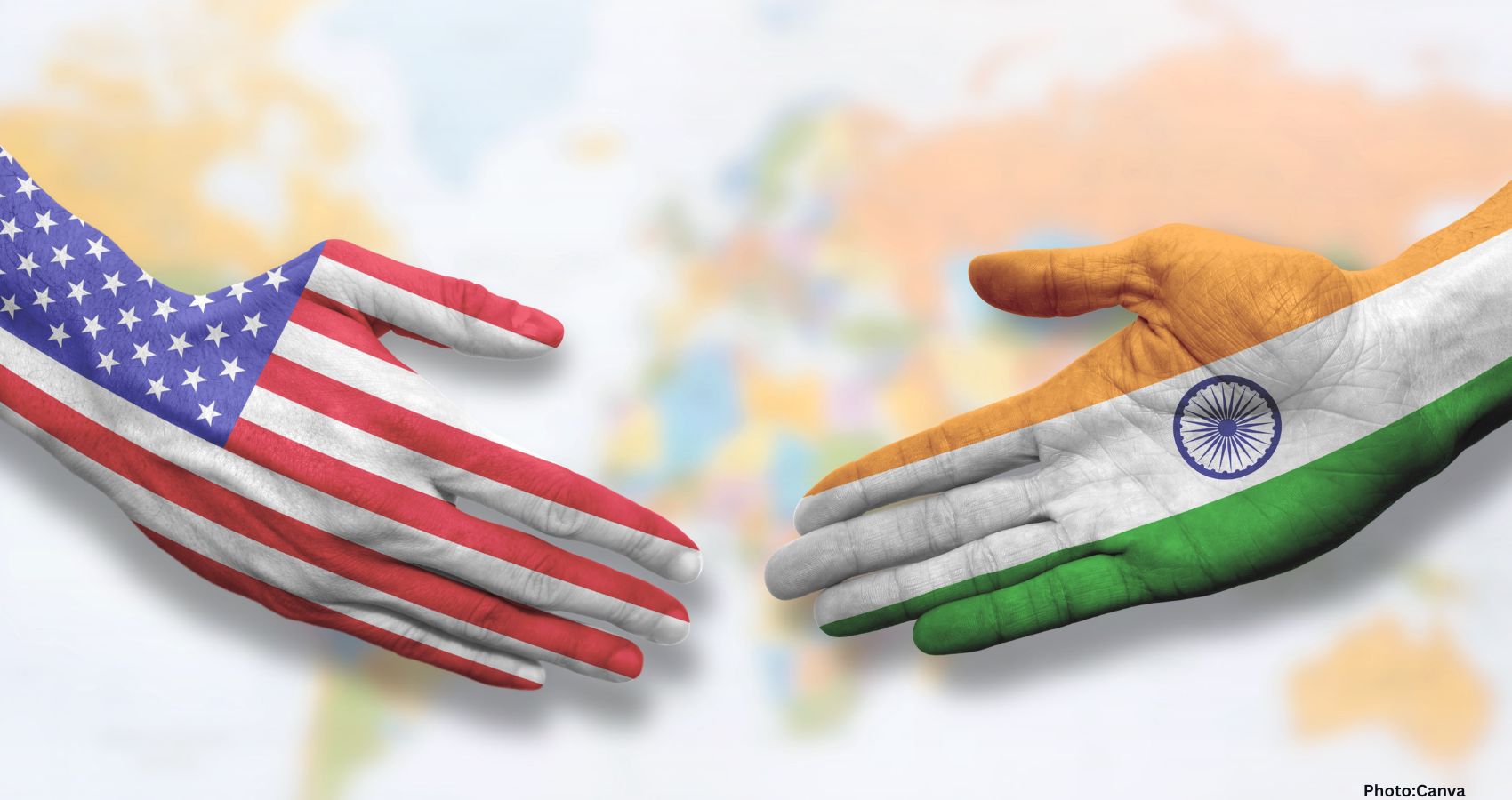
India faces significant challenges in negotiating a trade deal with the United States, as both nations navigate complex economic and political landscapes.
The potential for India to finalize a trade deal with the United States is a topic of considerable interest, particularly in light of the complexities involved in such negotiations. Trade expert Ajay Srivastava, in a recent article for the Business Standard, outlines the factors influencing the India-U.S. bilateral trade arrangement and the challenges that lie ahead.
Historically, the U.S. has pursued trade agreements primarily with countries whose security it guarantees, such as the United Kingdom, Japan, South Korea, and members of the European Union. Recently, on July 25, the U.S. and Indonesia agreed to a framework for a bilateral trade agreement, further emphasizing the U.S. preference for aligning with nations that share strategic interests. Other Southeast Asian nations, including Malaysia, Thailand, and Vietnam, have also been exceptions to this trend.
One of the key takeaways from Srivastava’s analysis is that U.S. free trade agreements (FTAs) are typically structured on American terms. This raises questions about the feasibility of a trade deal between Prime Minister Narendra Modi and former President Donald Trump, especially when significant policy issues remain unresolved.
The U.S. has specific demands that India must consider in any trade negotiations. These include:
1. Unrestricted access for U.S. agricultural products into the Indian market.
2. Allowing online platforms like Amazon to operate similarly to Indian companies such as Jio, which operate on a stock-based model.
3. Utilizing trade regulations as a means of political leverage, particularly concerning digital rules, data flows, and defense purchases.
4. Ensuring that data from U.S. digital companies is stored exclusively within the United States.
5. Pressuring India to refrain from purchasing oil and defense products from Russia.
On the other hand, India must also keep its own interests at the forefront of negotiations. With a population exceeding 1.4 billion, India represents a vast market for the U.S. and other countries. Despite its lower economic base, India is experiencing growth rates of 6 to 7 percent annually, making it an attractive destination for investment.
India boasts a significant pool of talent and labor that is increasingly sought after globally. U.S. investments in artificial intelligence, for instance, require access to Indian consumers, especially as American AI companies face restrictions in markets like China and Russia.
Moreover, India needs capital and technology that the U.S. can provide, while also considering the role of non-resident Indians (NRIs) who contribute billions of dollars to the Indian economy and support its resurgence.
However, there are concerns regarding the reliability of the U.S. as a defense partner. For example, issues surrounding the procurement of General Electric engines for the Tejas aircraft highlight the complexities involved in defense collaborations. Additionally, U.S. equipment tends to be costly and often lacks technology transfer agreements.
Indian IT firms, such as Tata Consultancy Services (TCS) and Infosys, generate substantial revenue from the U.S. market, indicating a mutual dependency between American companies and Indian service providers. Furthermore, the U.S. market is a significant destination for Indian exports, including gems, jewelry, shrimp, and textiles, underscoring the need for India to diversify its export portfolio.
India’s pharmaceutical exports to the U.S. primarily consist of generics, which help maintain lower prices for consumers. Any increase in tariffs could lead to higher consumer prices and inflation in the U.S. Additionally, the U.S. refinery capacity is more suited for processing heavier crude oil, which could create opportunities for India to supply lighter crude oil.
Robinder Sachdev, author of “Trumpotopia – A Guide to Decode Donald Trump,” emphasizes the importance of understanding negotiation tactics, particularly in high-stakes environments like New York’s real estate sector. Effective strategies include setting artificial deadlines, gaining insights into the other party’s motivations, and using media narratives to shape public perception.
As the U.S. administration under Trump seeks to negotiate directly with world leaders, it is crucial for India to approach these discussions with care. Avoiding public disputes with the U.S. President and allowing officials to handle negotiations at the bureaucratic or ministerial level could prove beneficial.
India may also consider importing modified corn and soybean varieties for ethanol production, while resisting U.S. pressure regarding tariffs. Despite the potential for increased duties, it is unlikely that the U.S. will impose higher tariffs on smartphones and generic pharmaceuticals.
Furthermore, India should continue to procure arms from Russia while exploring alternative oil sources beyond the Middle East. Re-establishing commercial ties with China could also be part of a broader strategy to enhance economic resilience.
As negotiations unfold, it is clear that the U.S. will continue to leverage its position until it achieves its objectives. India must remain steadfast, collaborating with the U.S. in areas of mutual interest while simultaneously seeking to expand its trade relationships with other nations.
Ultimately, the evolving landscape of international trade and geopolitics, particularly under the Trump administration, presents both challenges and opportunities for India. The outcome of these negotiations will depend on the ability of both nations to navigate their respective priorities effectively.
This analysis draws on insights from Ajay Srivastava’s article in the Business Standard.