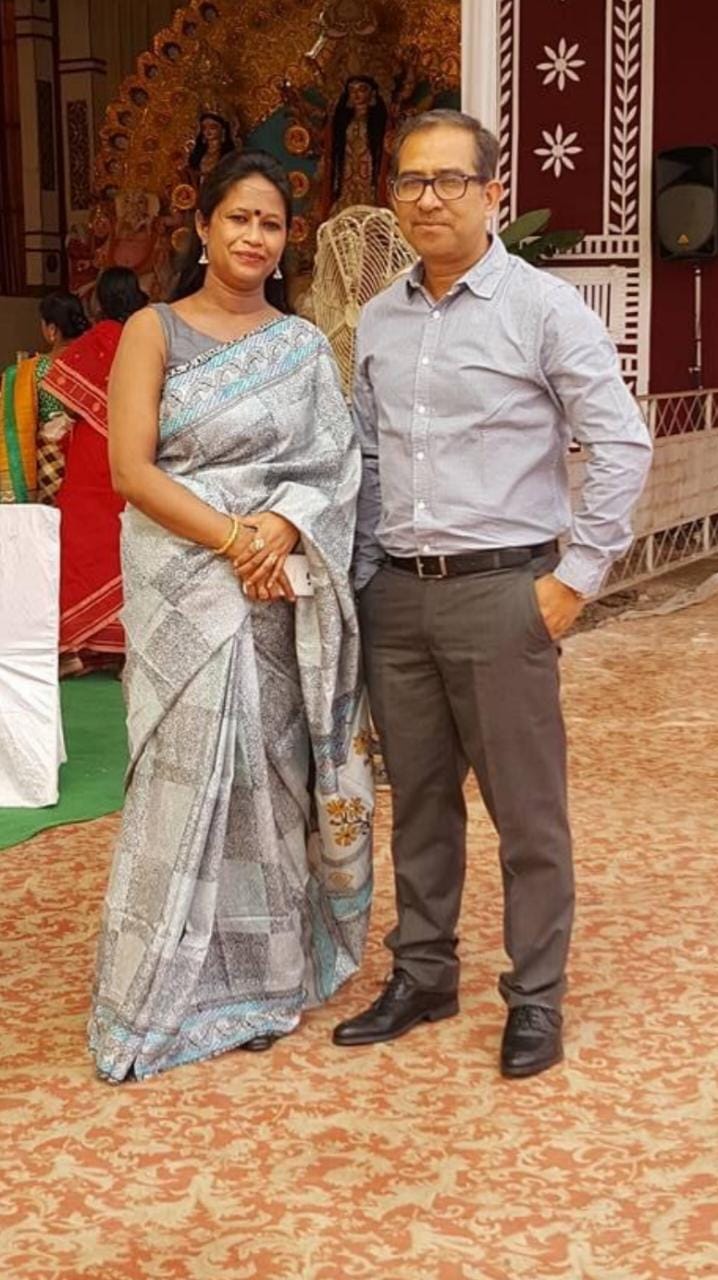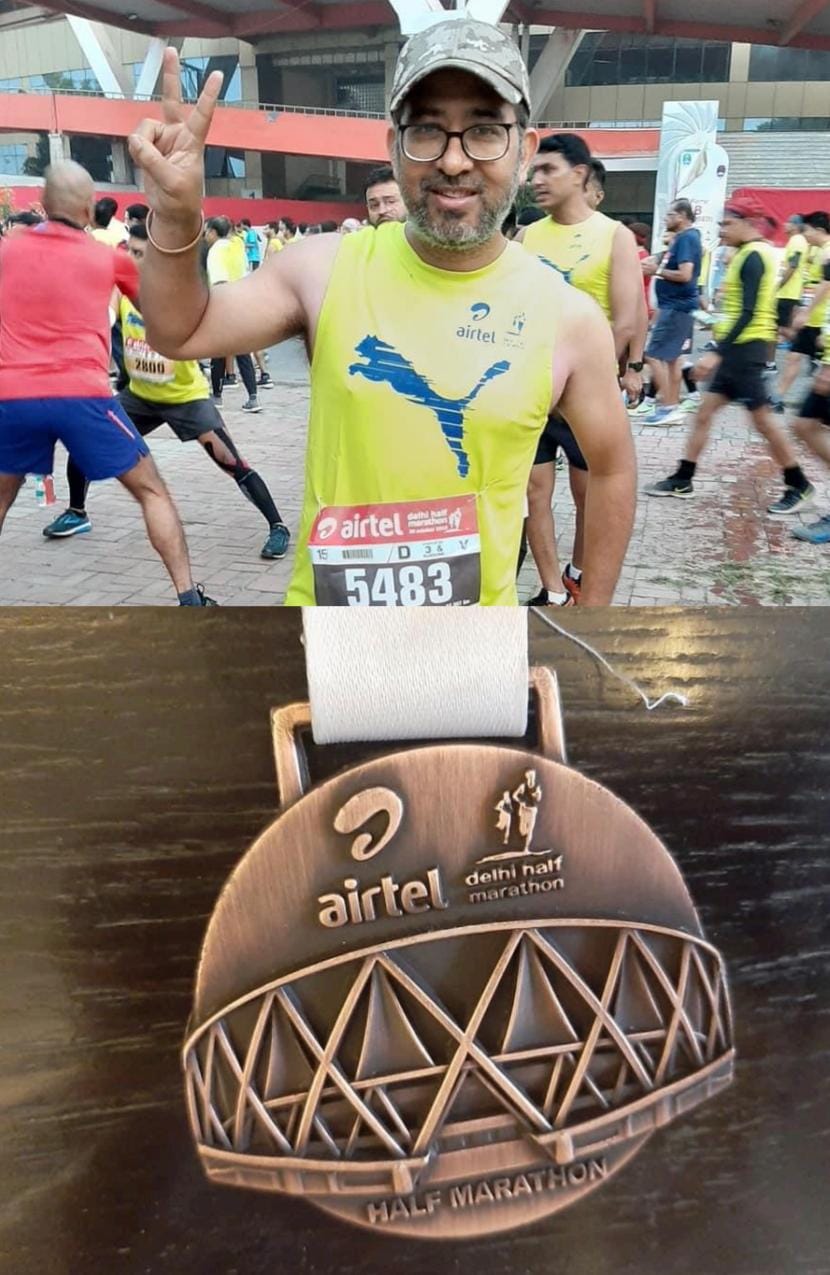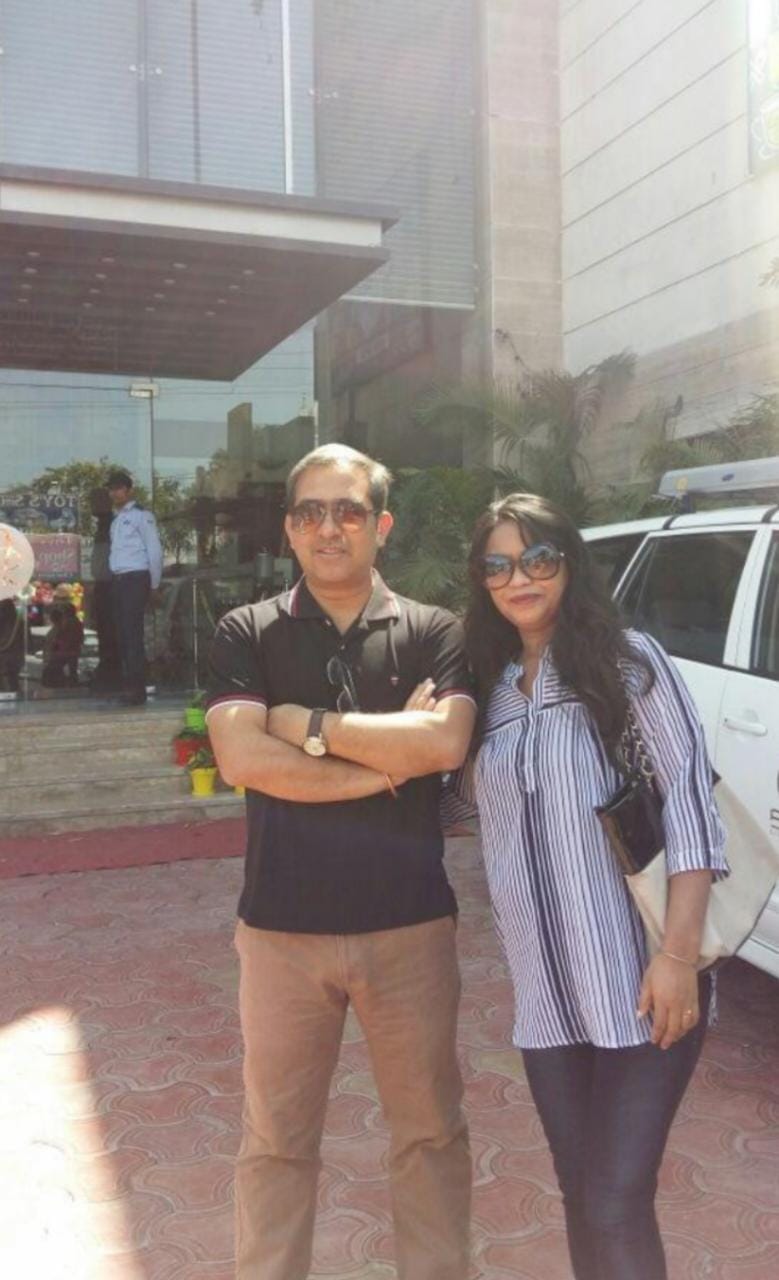
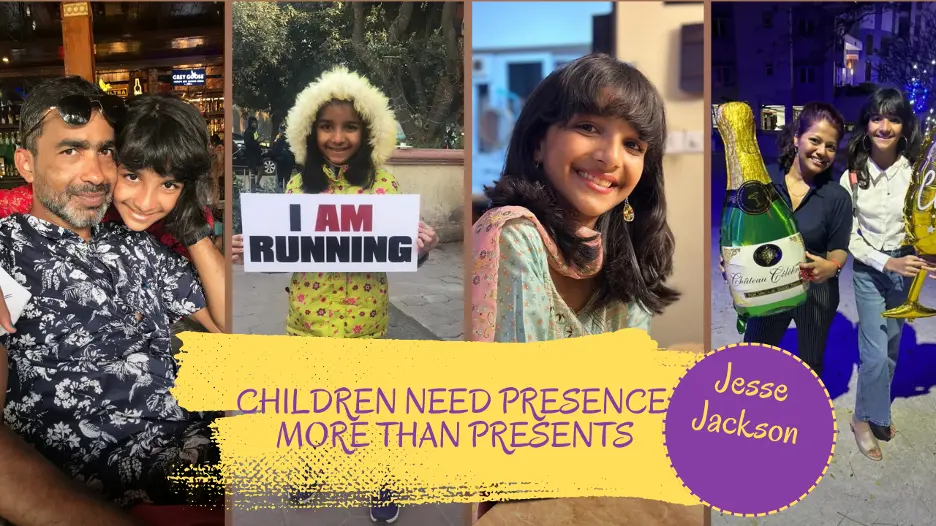
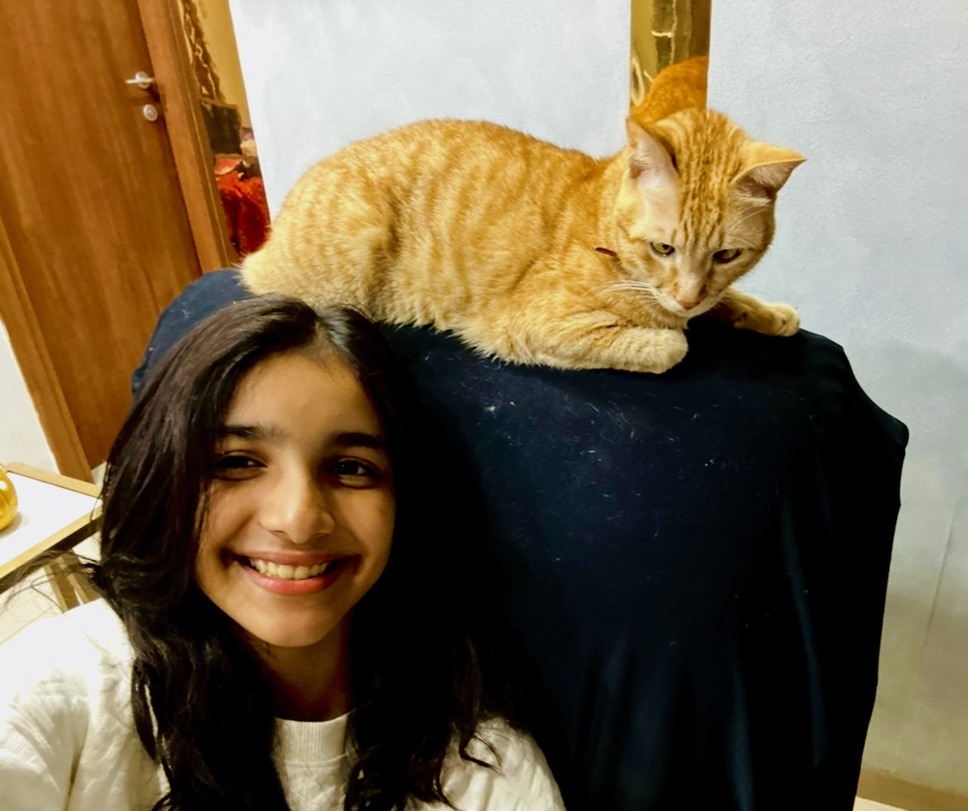
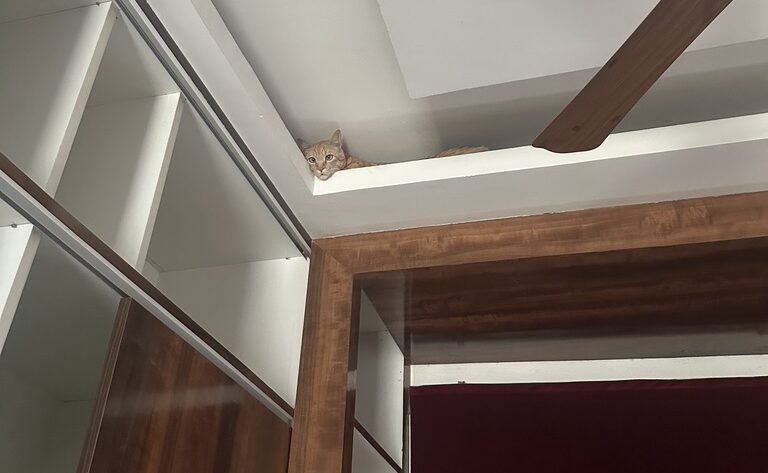
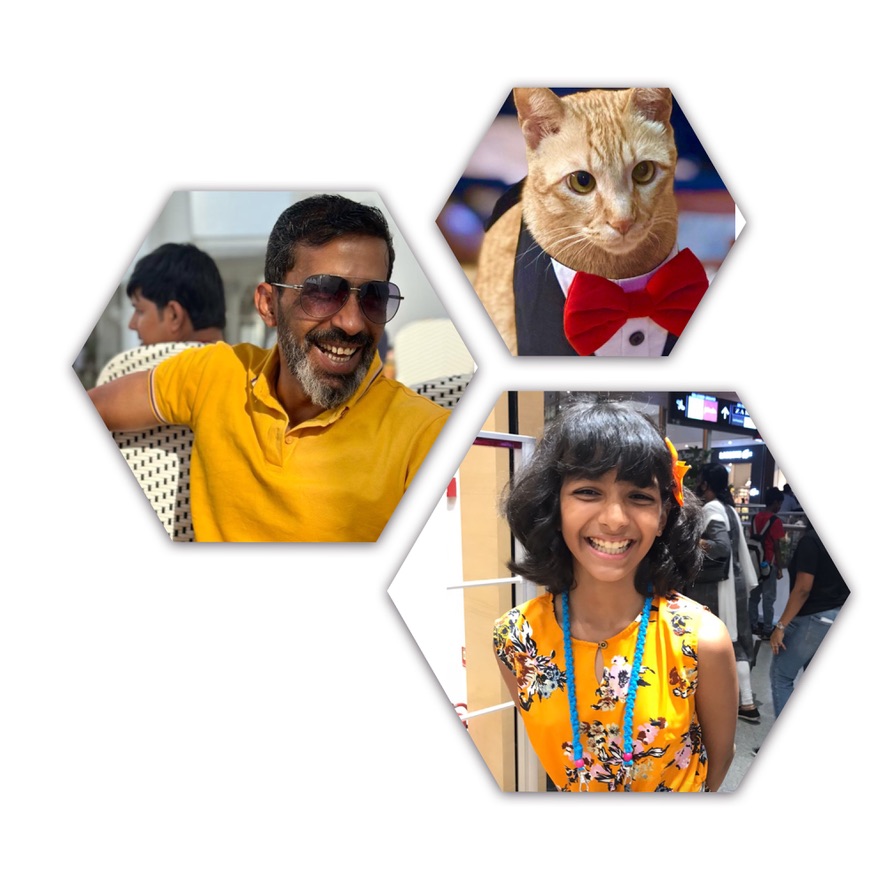
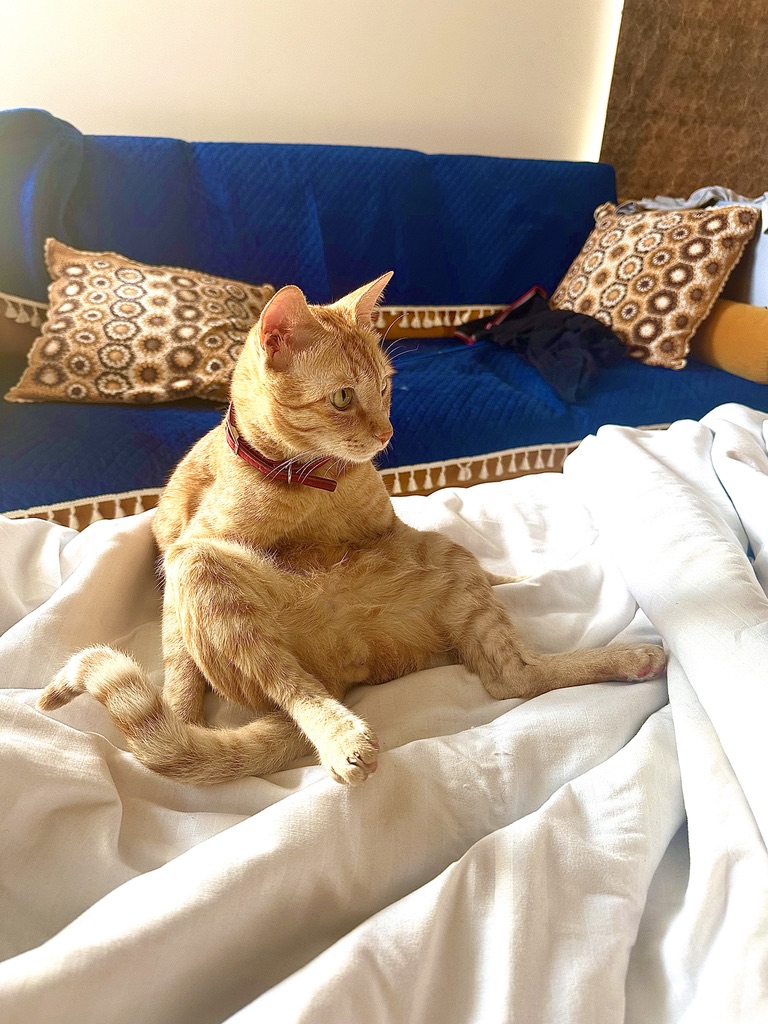
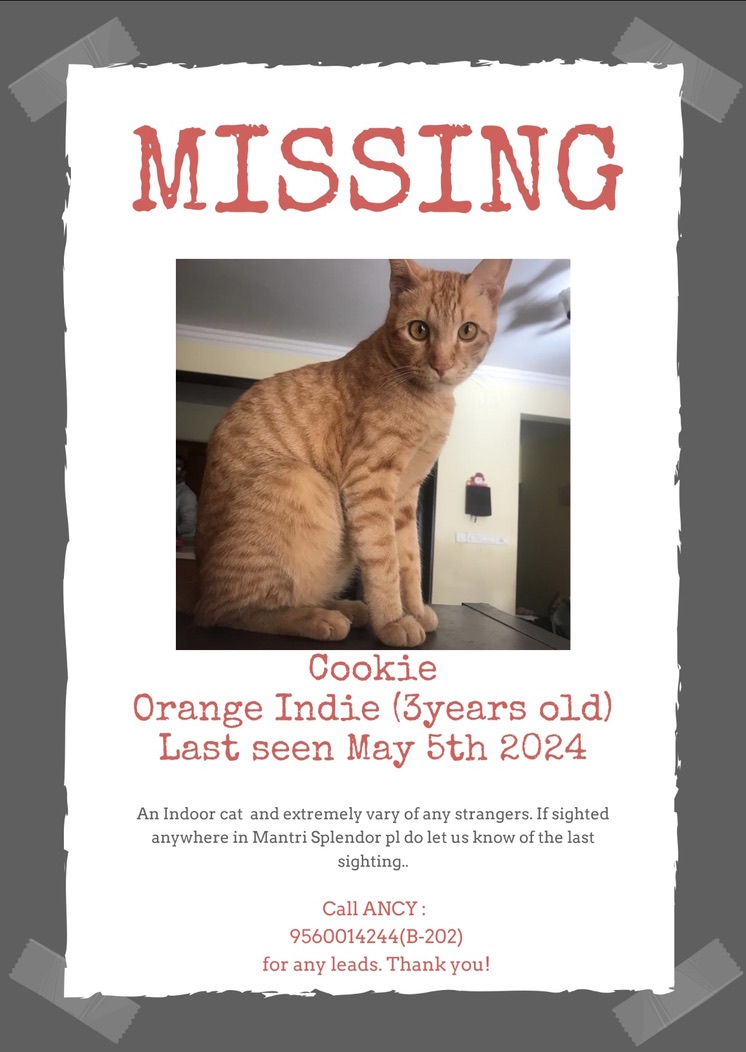
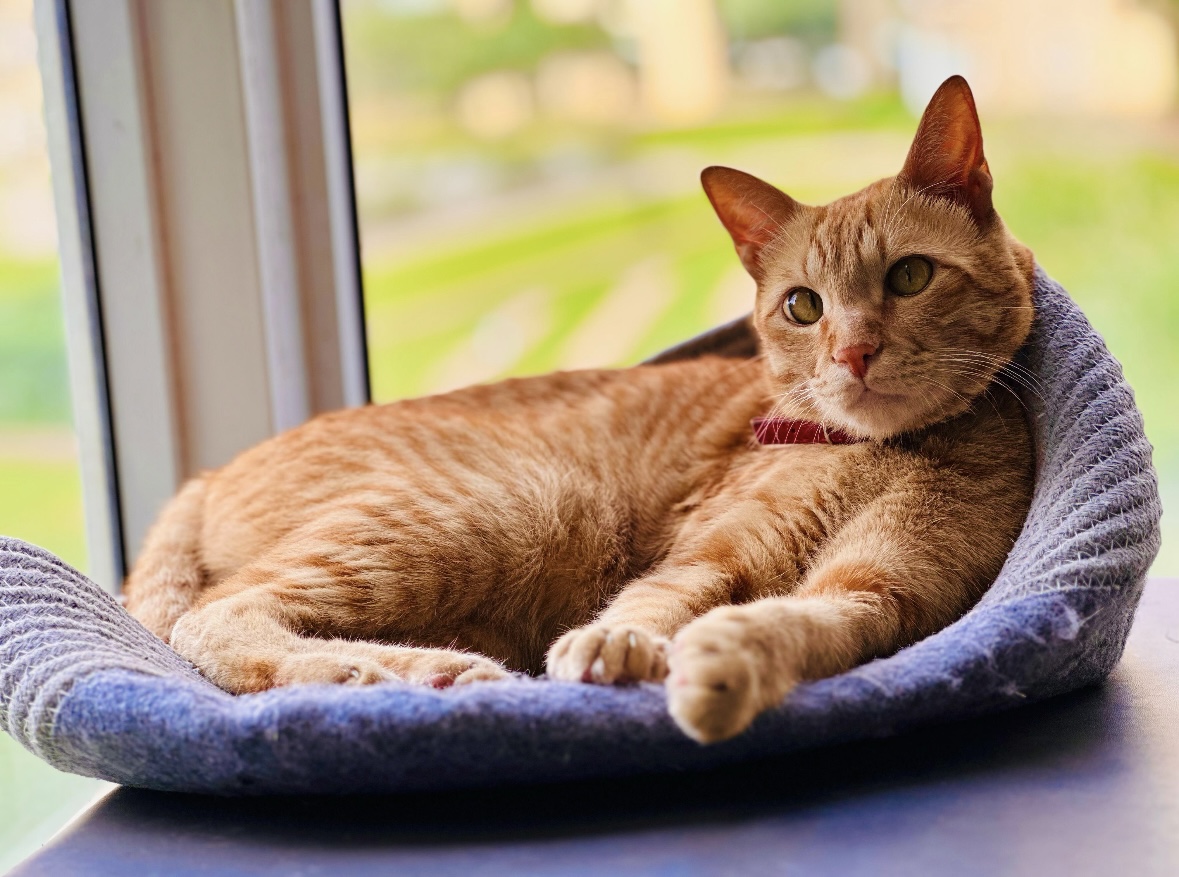
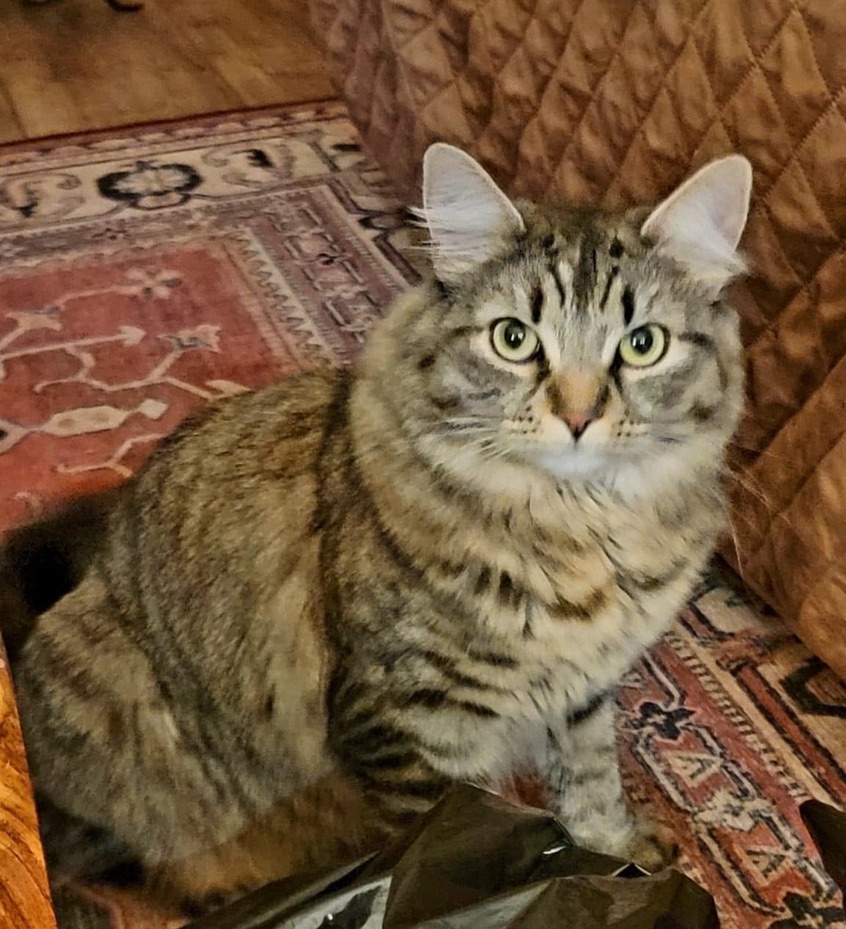
Every home has a rhythm. Ours has a soundtrack. Teenage sighs that feel algorithmically generated, a Gen X father who speaks in short, durable sentences built to survive recessions and emotional storms, my voice delivering extended director’s cuts of conversations no one formally commissioned, and a cat who meows in at least seventeen emotional registers.
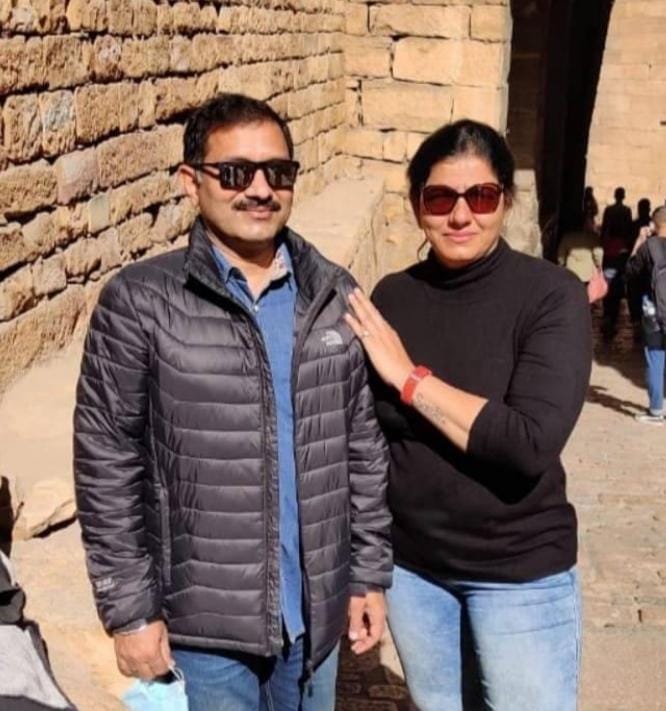
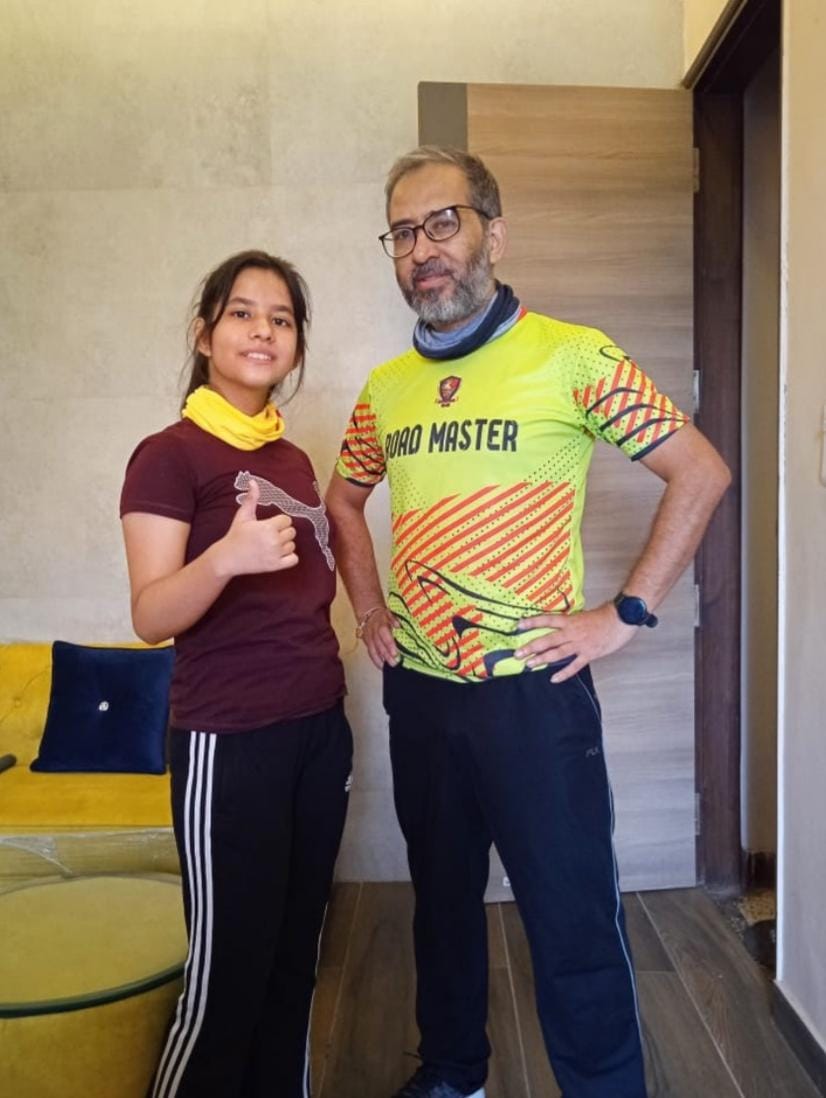
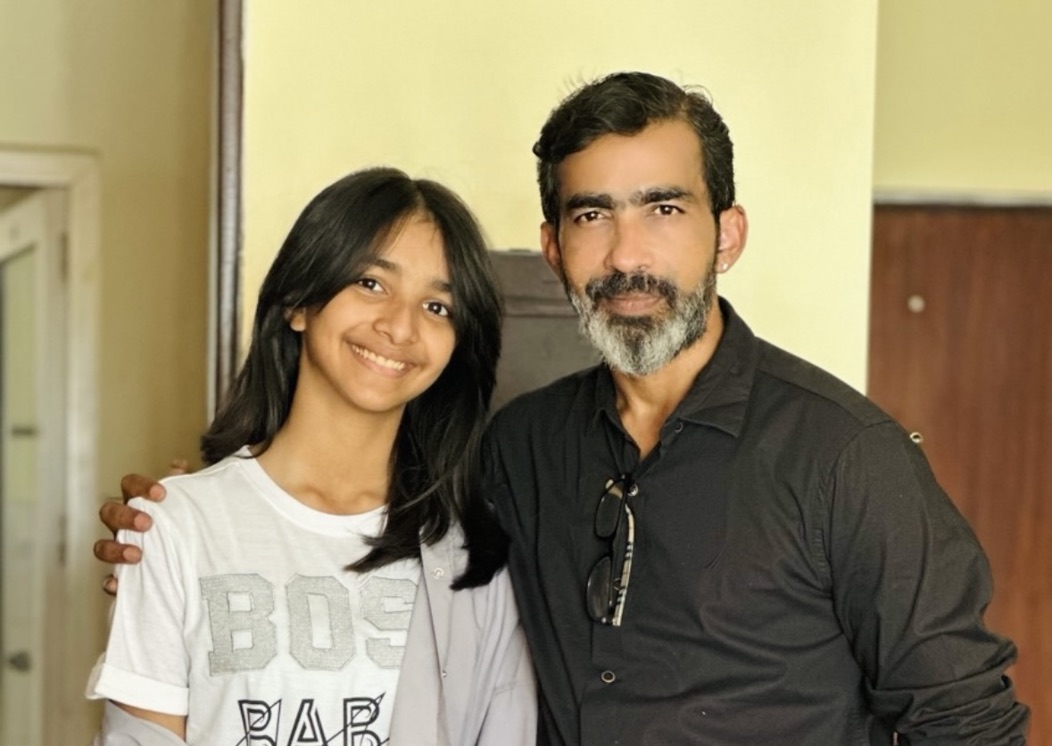
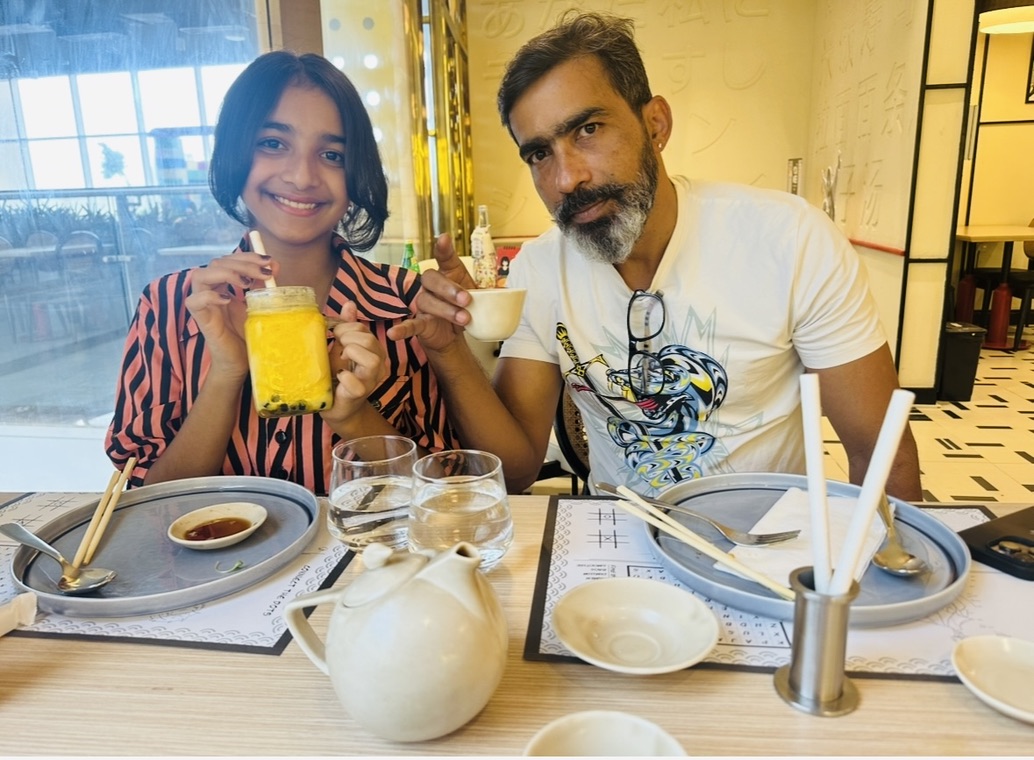
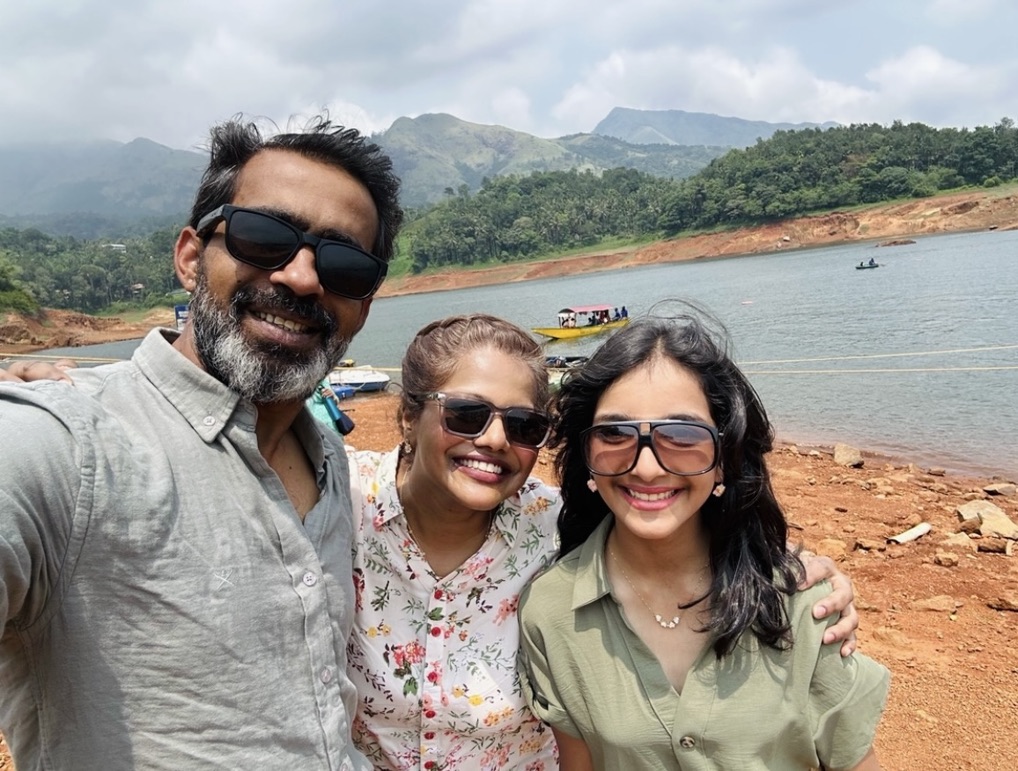
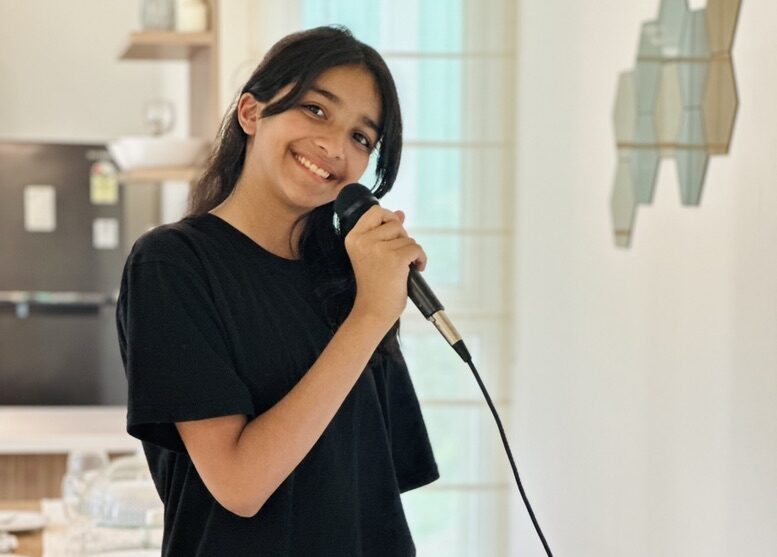
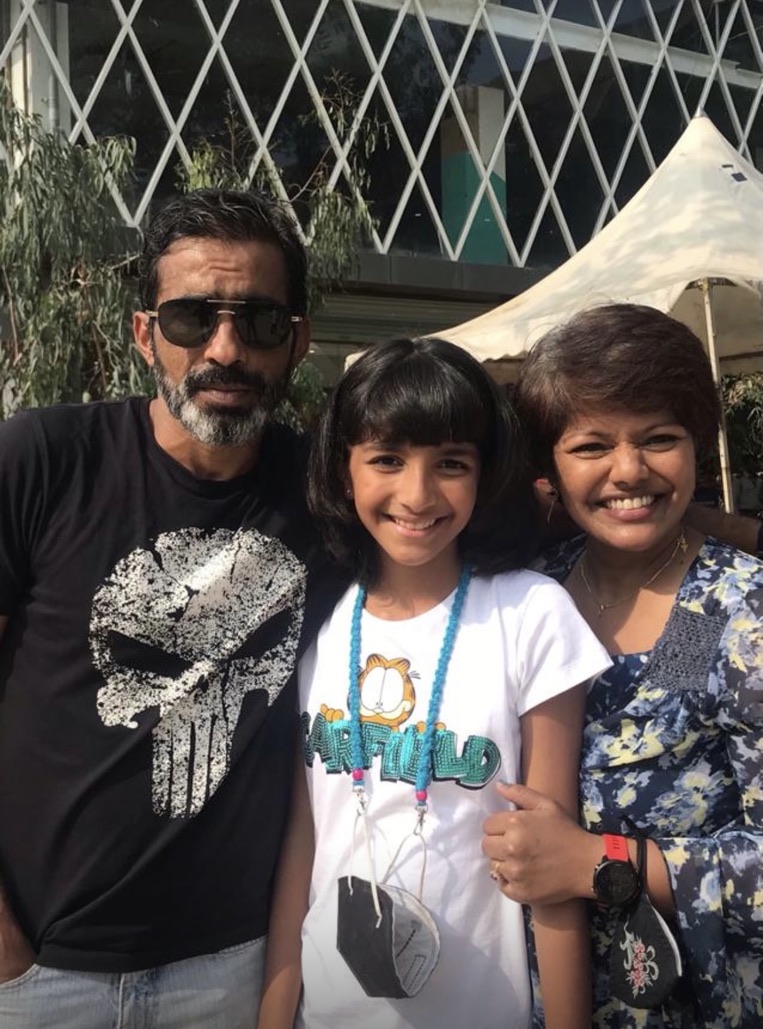
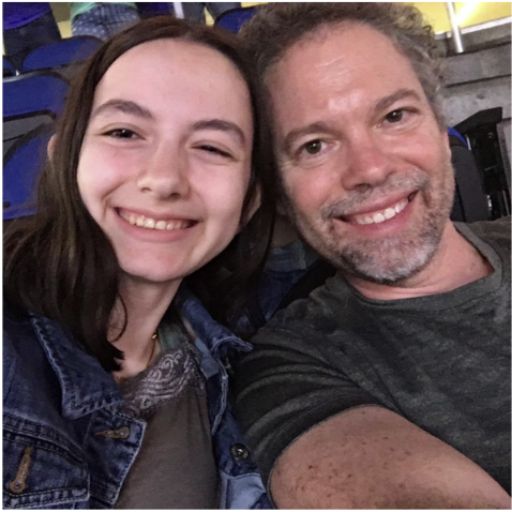
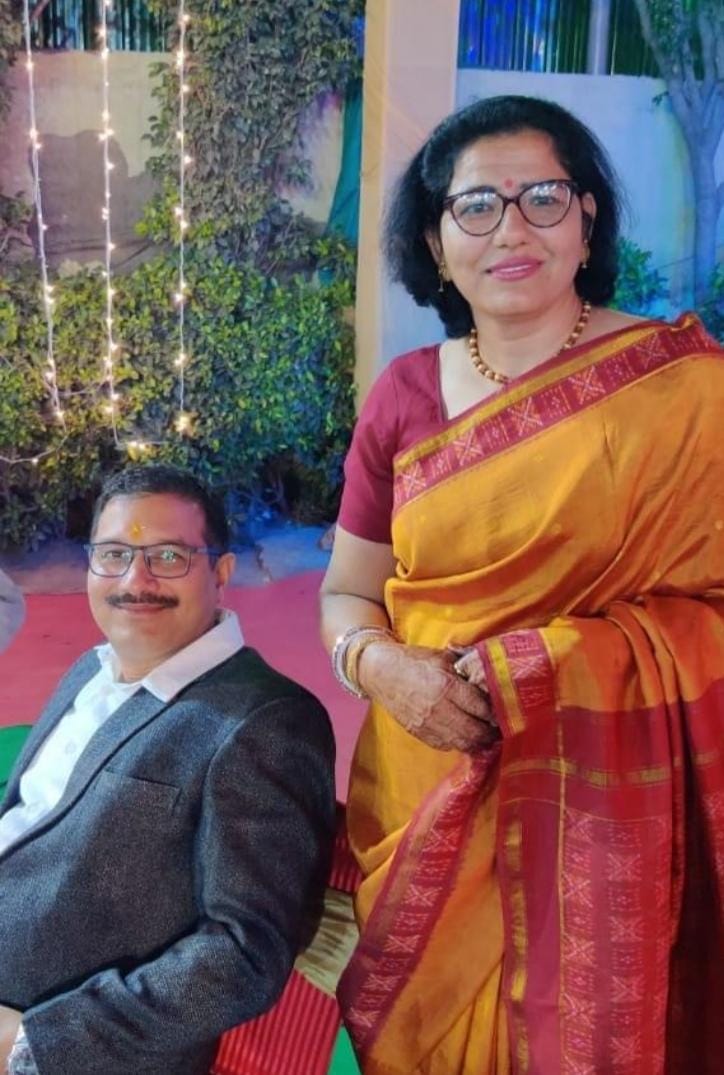
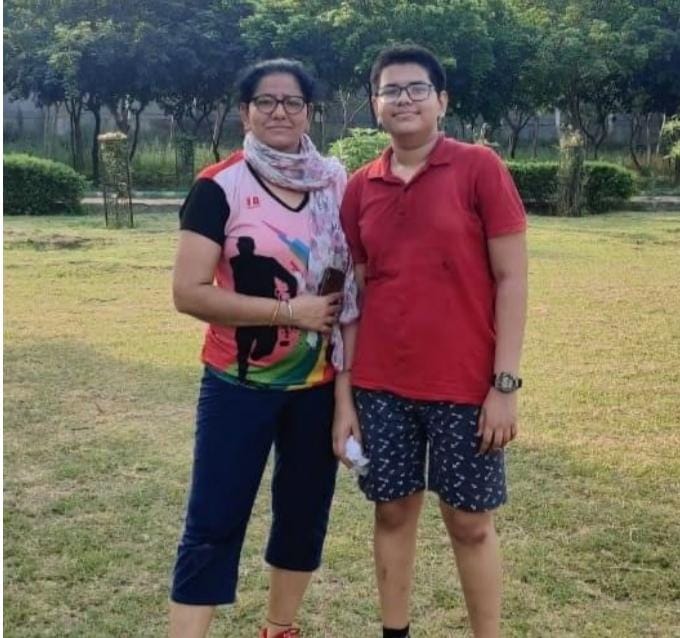
At the centre of it all are my husband and our daughter. A father shaped by a pre-digital world, where patience was learned by waiting, not scrolling and a teenager growing up in a hyper-connected universe where identity is curated, feedback is instant, and mistakes live forever as screenshots.
And then there’s me, the mother, moving around the scene with empathy, logic, herbal teas, backup plans, emotional readiness, and a deep commitment to being helpful even when help is clearly not required and mildly resented.
This is not a perfect household. It is a deeply involved one, just differently involved. And that difference matters. Mostly because it means at least one adult in the room is calm while the other is Googling “Is this normal?” at midnight.
Teenagers today are growing up in a world far louder and faster than the one we knew, a world where their brains are still loading while the internet is already judging the final version. According to a 2021 Pew Research Center study, Gen Z reports significantly higher cognitive and emotional load than previous generations at the same age.
Gen X parents, like us, especially my husband, often respond not with commentary, but with steadiness. I respond with words. Many words. Sometimes all the words. Together, unintentionally, we form balance. Or at least a functional emotional Wi-Fi network.
Cancel Culture, Breakfast Edition
Teen friendships today can dissolve before breakfast and reassemble by lunch. One wrong emoji, one misunderstood pause, one “seen” without a reply, and suddenly the social ground feels unstable, like emotional Jenga, but with witnesses.
The morning my daughter announced she had been “cancelled,” I reacted the way mothers have evolved to react, immediately and thoroughly. I offered empathy, analysis, counter-strategies, historical parallels, and what can only be described as a TED Talk titled Friendships: The Director’s Commentary (Extended Cut, With Footnotes).
She stared past me. Spirit buffering. Soul loading. Eye contact absolutely unavailable.
My husband, who had been listening the entire time, silently absorbing data like a human cloud backup, looked up from his toast and said, “Cancelled by whom? People who forget their passwords every week?”
She laughed. The crisis dissolved. My TED Talk was quietly shelved, possibly for a future audience that will never exist. That was his involvement: quiet, precise, perfectly timed. Like emotional punctuation.
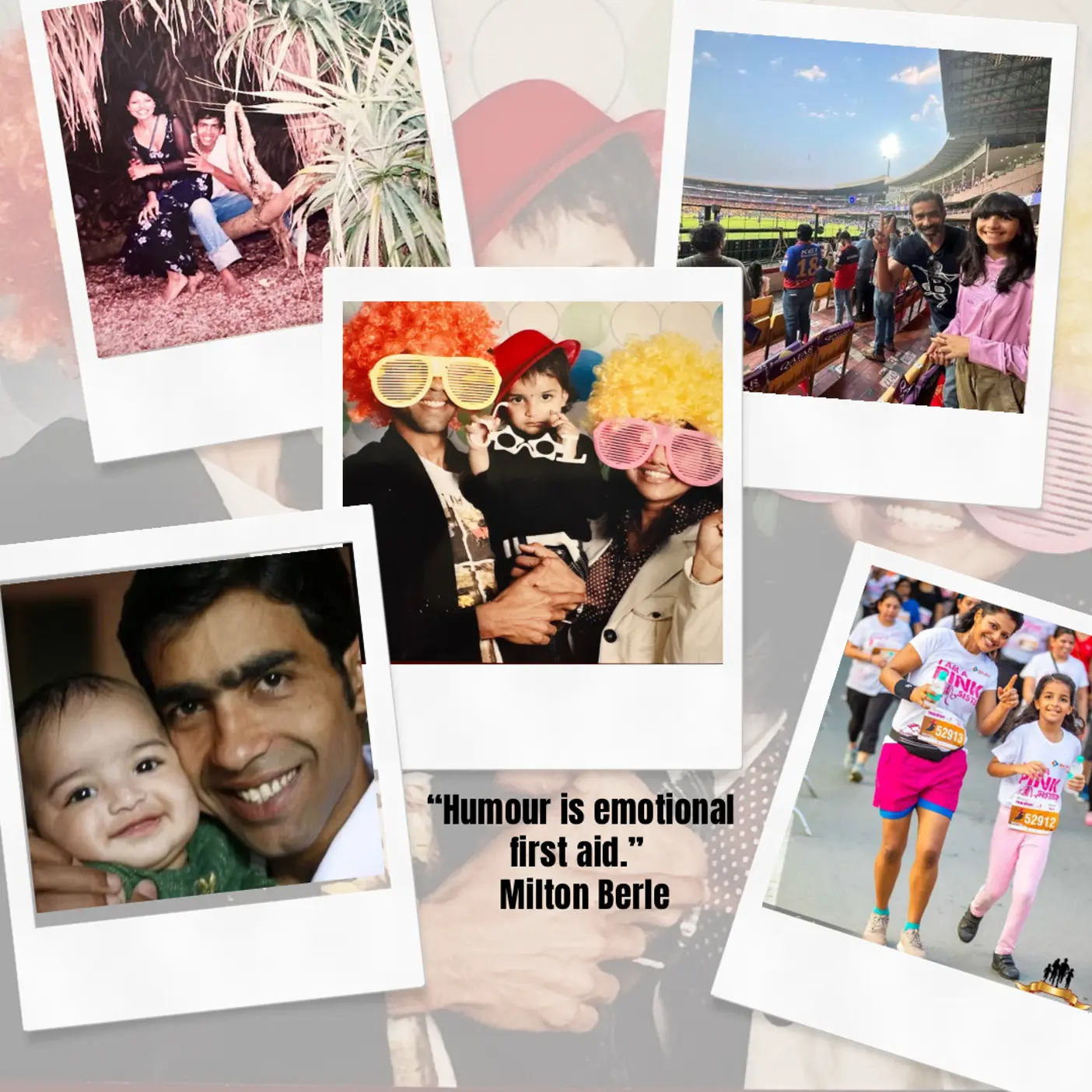
Research from the University of California (2020) shows that Gen Z processes emotional stress more effectively when humour reframes the problem before analysis begins. My husband doesn’t speak much, but when he does, he regulates the room. I flood it. Together, we somehow get it right, like a very odd but effective emotional sprinkler system.
Confidence Is a Sentence, Not a Paragraph
Teenagers today don’t lack information; they lack certainty. They are constantly told how to be better, brighter, faster, thinner, smarter, preferably all before dinner. When she asked, “Do I look okay?” I responded with reassurance, and options. “Yes! But maybe change the shoes. Or the top. Or the posture. Or the expression. Or….”
She had already emotionally exited the conversation, possibly relocating to another dimension. Her father glanced up once and said, “Nice. You look like you know where you’re going.”
Her shoulders straightened. He had said less. He had done more. I took notes I will absolutely forget to follow.

A 2019 Journal of Adolescent Health study found that teens build confidence fastest when feedback affirms identity rather than appearance or performance. Gen X fathers, in particular, tend to offer fewer words with higher emotional accuracy. My role is to care loudly. His is to anchor quietly. Our daughter benefits from both, even when one of us is internally screaming.
The Emotional Factory Reset
Teen emotions today are amplified by visibility. Feelings are not just felt, they are shared, judged, archived, and occasionally resurfaced years later at inconvenient moments. When someone called her “too sensitive,” she collapsed onto the couch, fingers pressing her temples, as if trying to reboot her teenage life to factory settings.
I arrived with empathy, nuance, and language that could qualify for a group discussion, a breakout session, and possibly a panel. She remained unconvinced.
From the balcony, her father said, without looking up, “That’s usually what people say when they don’t want to take responsibility.” She paused. Looked up. Absorbed it. Firmware updated.
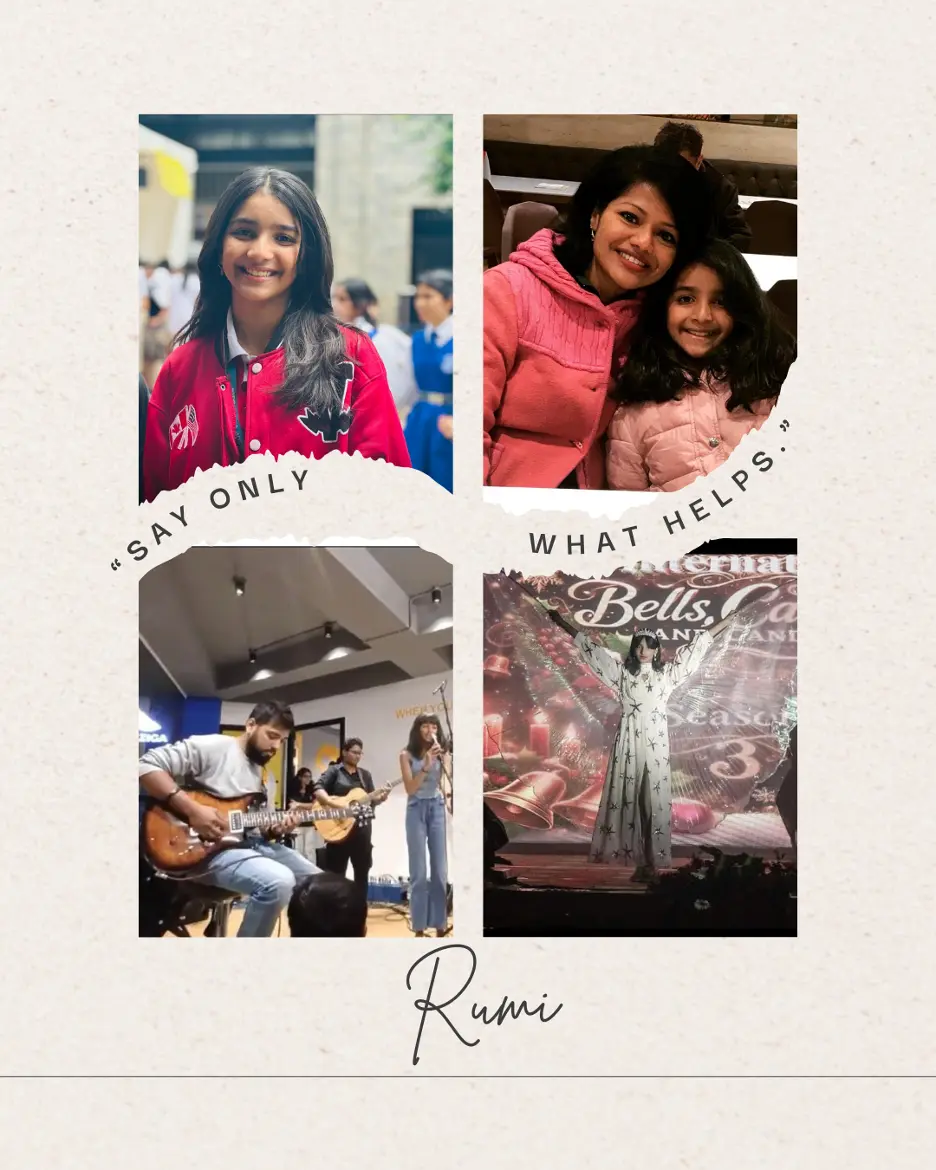
A 2021 Harvard Graduate School of Education report shows that emotionally intelligent parenting prioritises naming emotions without over-processing them. My husband’s restraint is not distance, it’s discernment. I bring the emotional colour. He draws the clean, confident outline. Together, we make something legible.
Opting Out Is a Modern Superpower
Today’s teens are invited into every argument, every opinion, every digital firestorm. Silence is mistaken for weakness. Boundaries are treated like glitches. As school WhatsApp groups erupted, I suggested breathing, journaling, hydration, muting notifications, and possibly moving to a remote island.
She rolled her eyes. Her father said, gently, “You don’t have to attend every argument you’re invited to.” Relief washed over her, like someone had just cancelled a meeting she never agreed to attend.
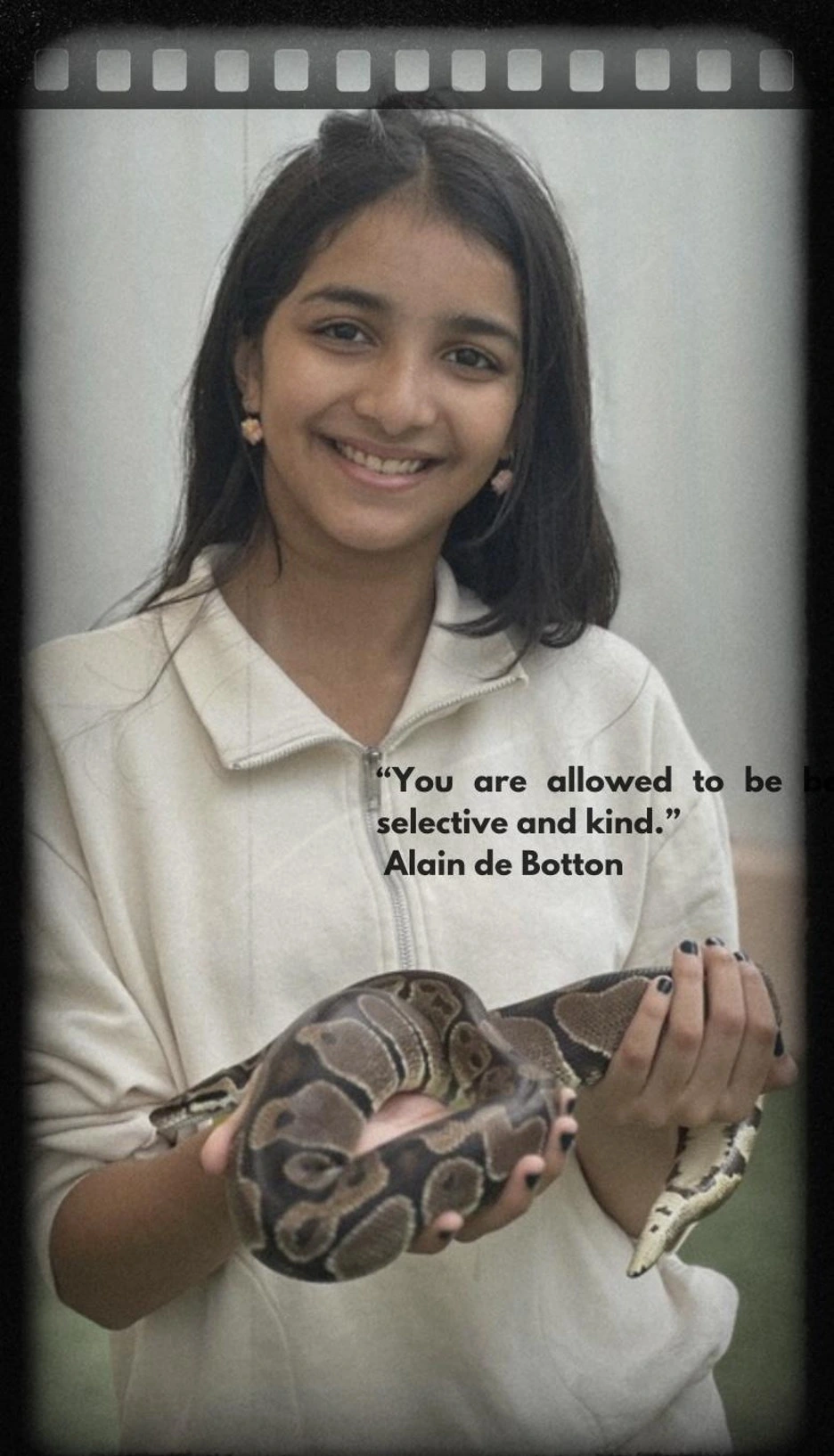
A 2023 Common Sense Media study found that teens experience lower anxiety when parents model selective engagement. My husband doesn’t shield her from the world, he teaches her how to step back from it. I remind her to feel. He reminds her to choose. Between us, she learns discernment, not avoidance.
Fixing Drawers, Building Adults
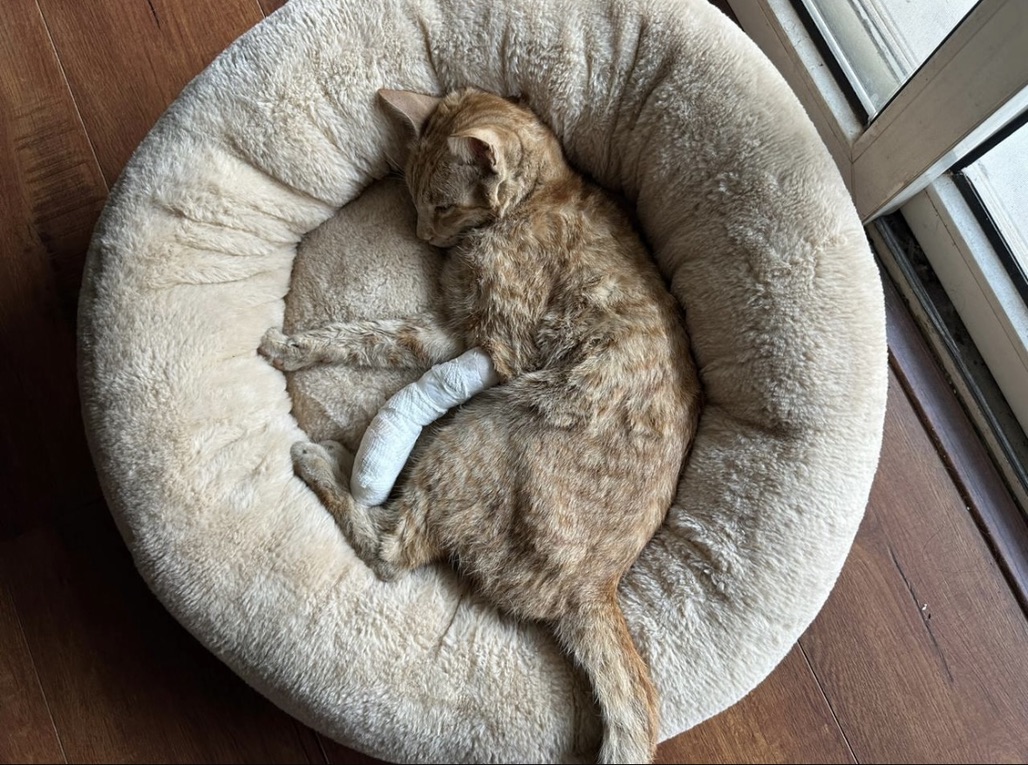
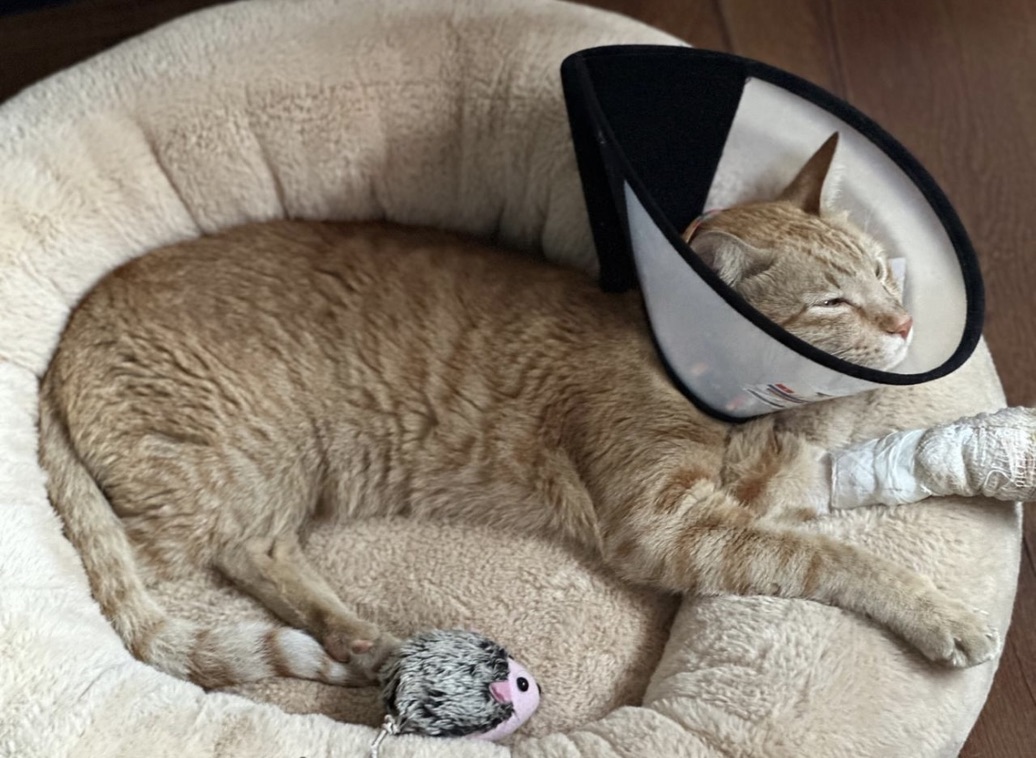
Teen independence doesn’t come from motivation speeches. It comes from doing, usually while slightly annoyed. On Fix-It Saturday, a drawer broke. I suggested replacement, upgrades, reorganisation, and possibly a minor life reset. The cat knocked over a vase. On purpose. While making eye contact. Power move.
My husband handed her a screwdriver. She held it wrong. He corrected her and said, “Congratulations. You’re now an adult.” She fixed the drawer.
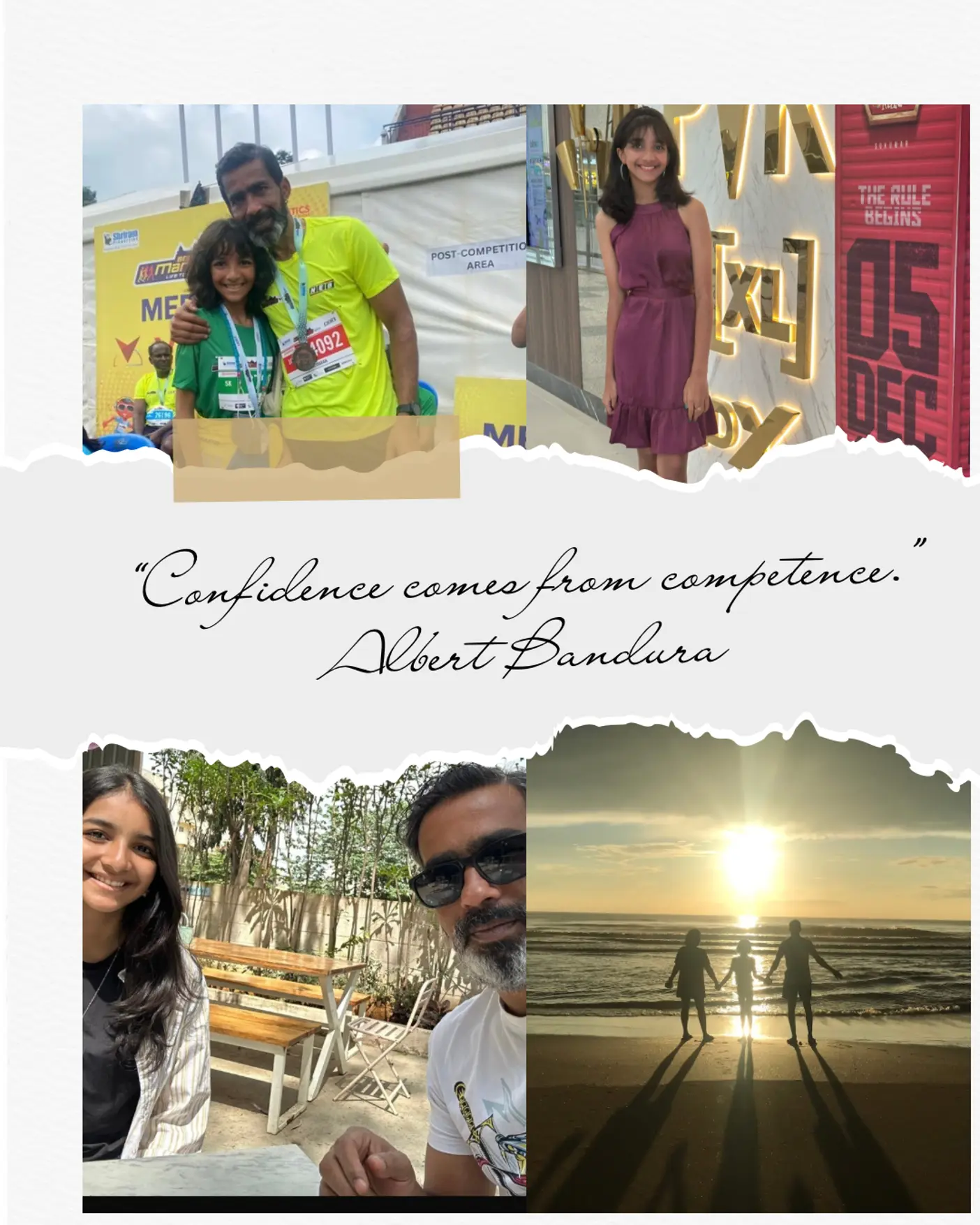
A 2018 OECD life-skills report confirms that hands-on problem-solving builds resilience more effectively than verbal reassurance alone. My husband’s involvement is practical. Mine is emotional. Together, we raise a child who can feel deeply and function capable, even under feline scrutiny.
Failure Is a draft
Today’s teens fear failure because the world records it, timestamps it, and sometimes adds background music. When she fell short, I coached, reframed, encouraged. She heard none of it. Her father ordered dinner, sat beside her, and said, “This is not your final draft.” Nothing more.
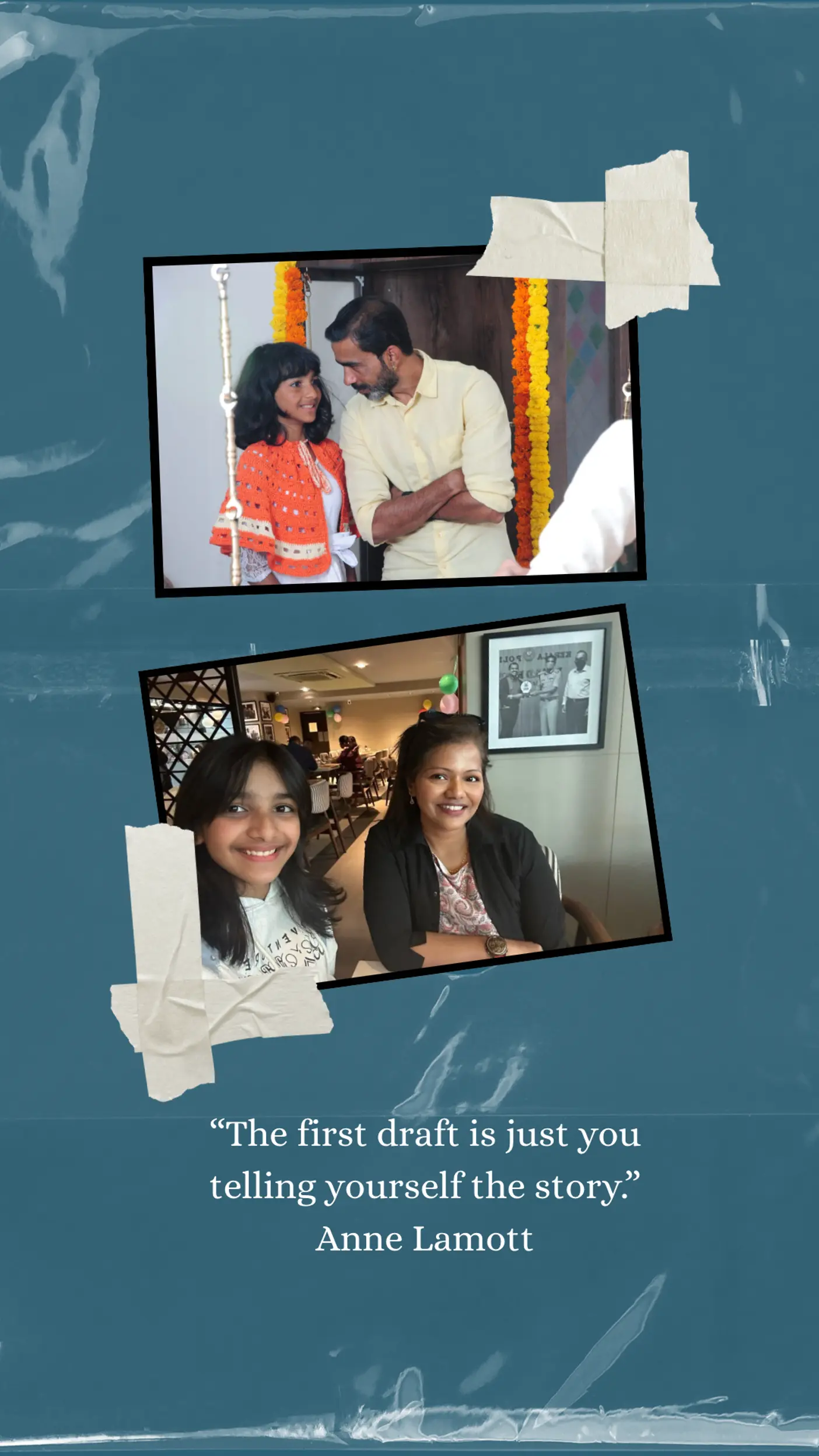
A 2020 Stanford growth-mindset review shows that framing failure as iterative, not final, builds long-term grit. My husband doesn’t rescue her from disappointment. I soften the landing. He reminds her the story isn’t over. We tag-team hope.
The Team That Holds
Watching them, I realise something quietly extraordinary is happening, often while I’m mid-sentence. She is learning confidence without volume. Strength without hardness. Kindness without self-erasure. In a world shaped by AI, outrage cycles, and relentless comparison, this home, messy, noisy, emotionally invested, is a refuge.
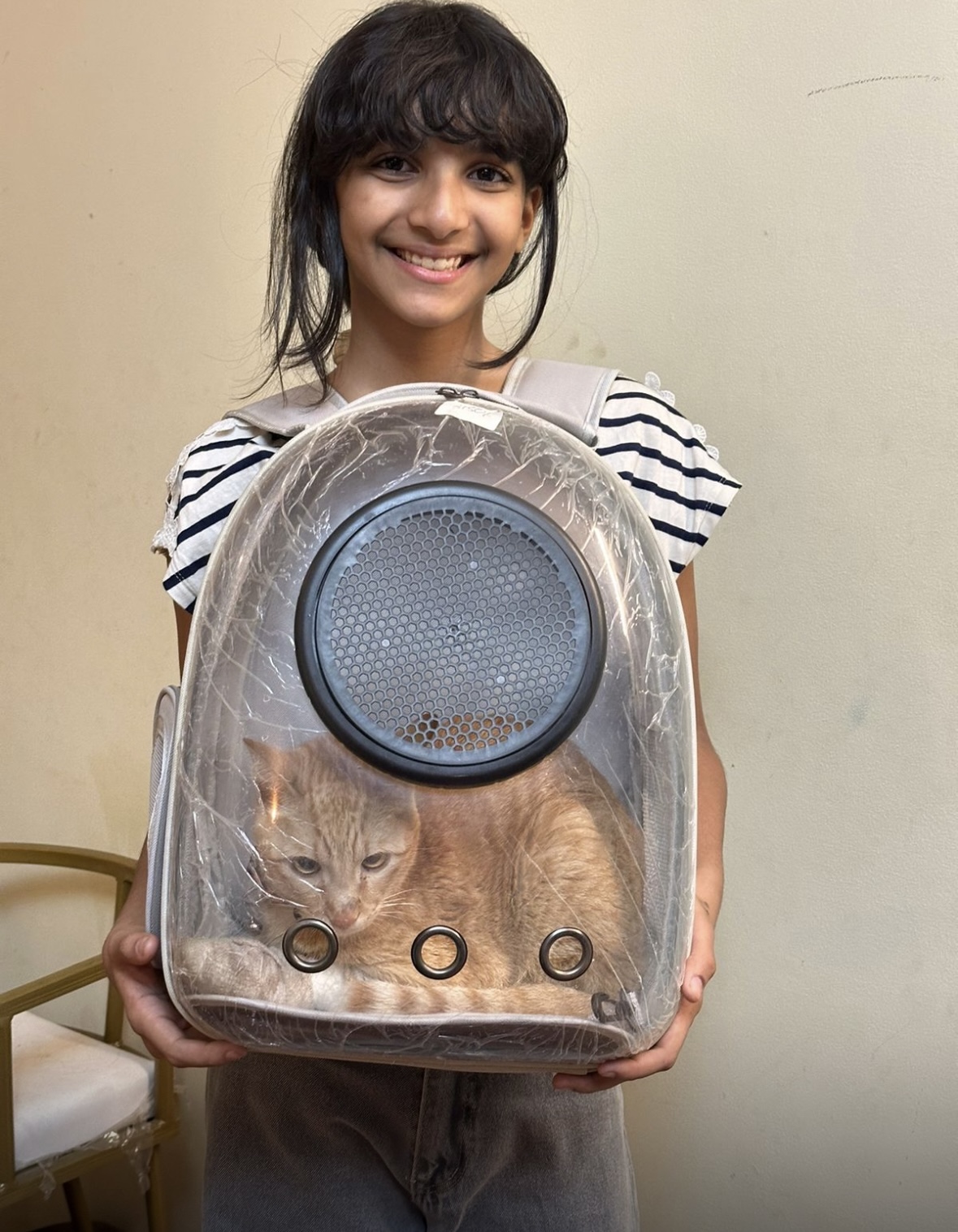
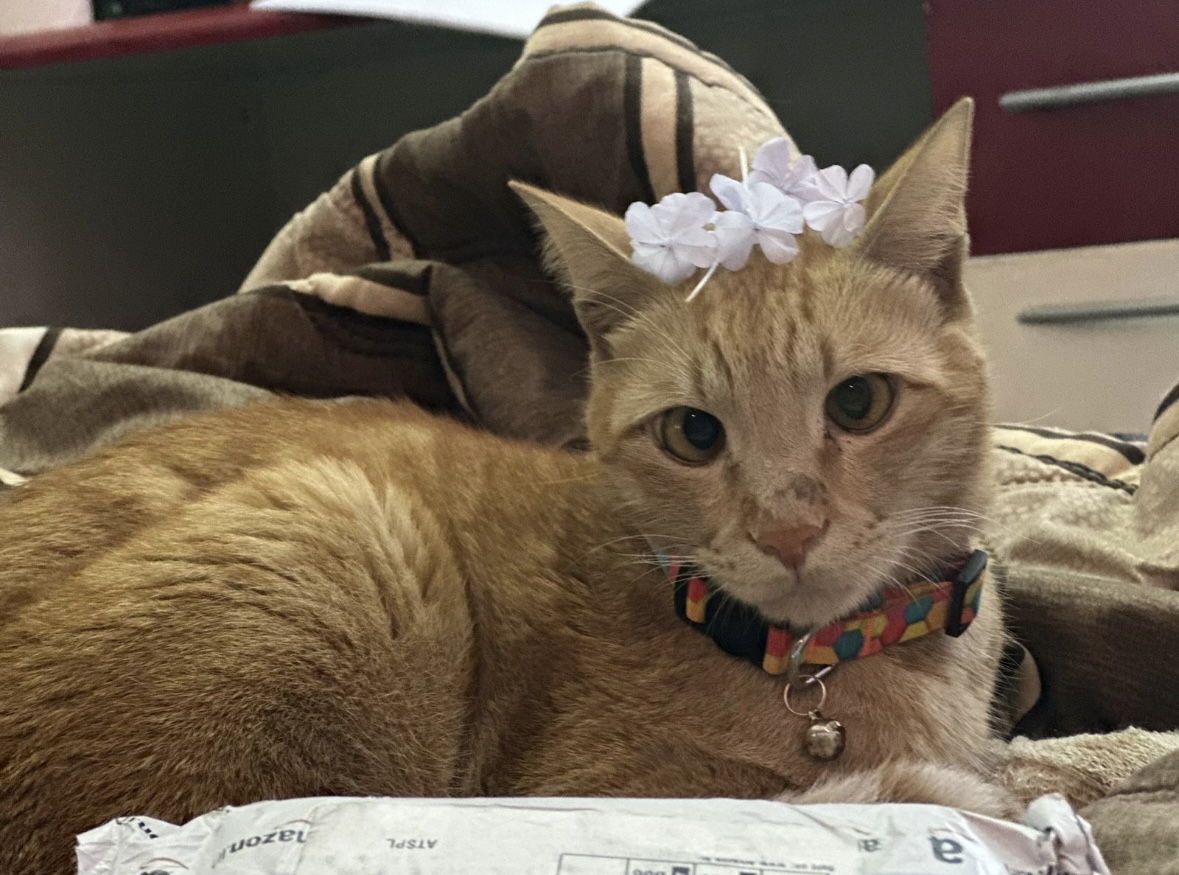
We are in a new city now. New beginnings. Scratched furniture. A cat with opinions. But as long as there is presence over perfection, humour over fear, connection over control and two very different parents working as one imperfect team, the future feels intact. Messy. Human. Hopeful.
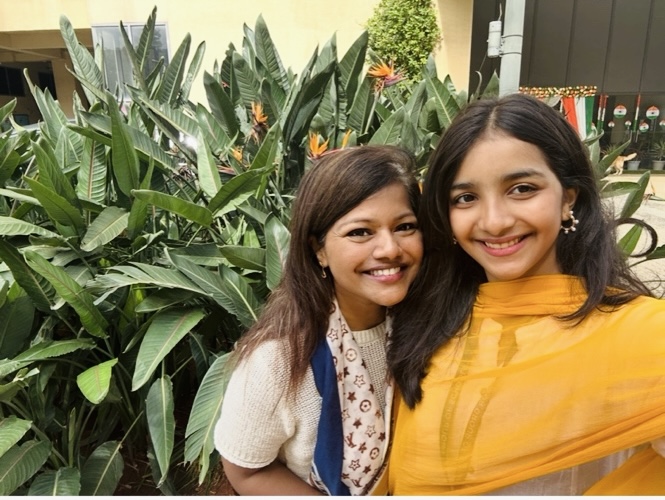
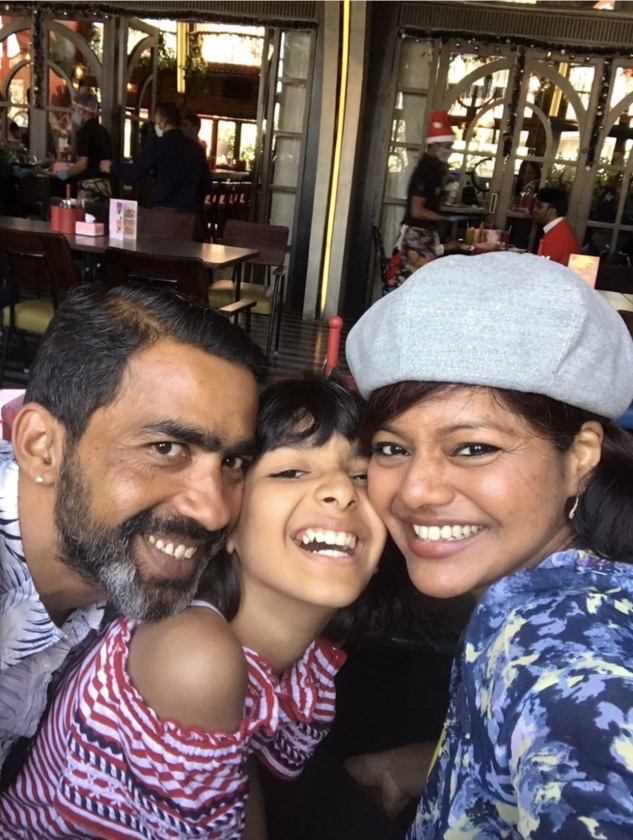
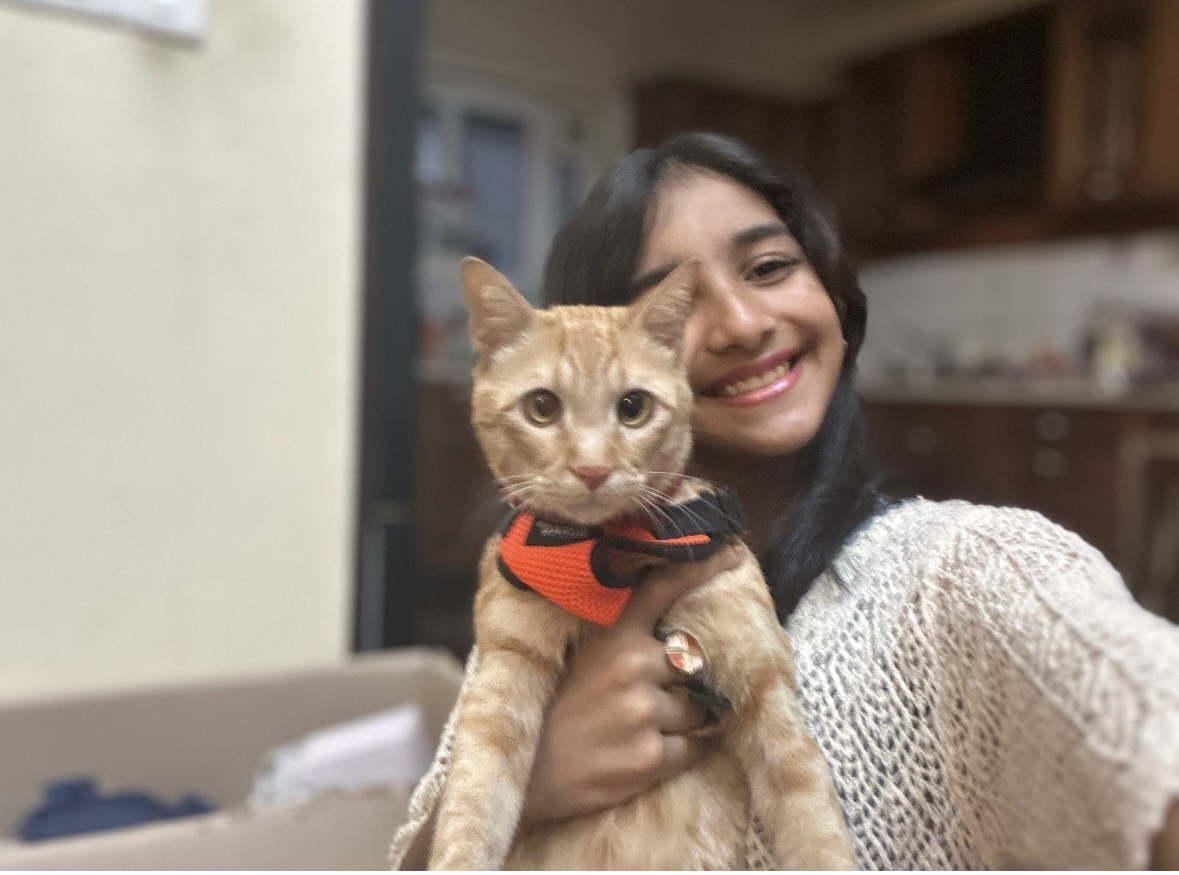
And our daughter, raised by a steady father, an expressive mother, and a deeply judgmental cat, may not realise it yet. But she is the girl born on the right side of love, growing up surrounded by love that listens, guides, and, crucially, knows when to stop talking.
Which makes me, her Mom, quite literally, “The Luckiest Girl on the Planet.”
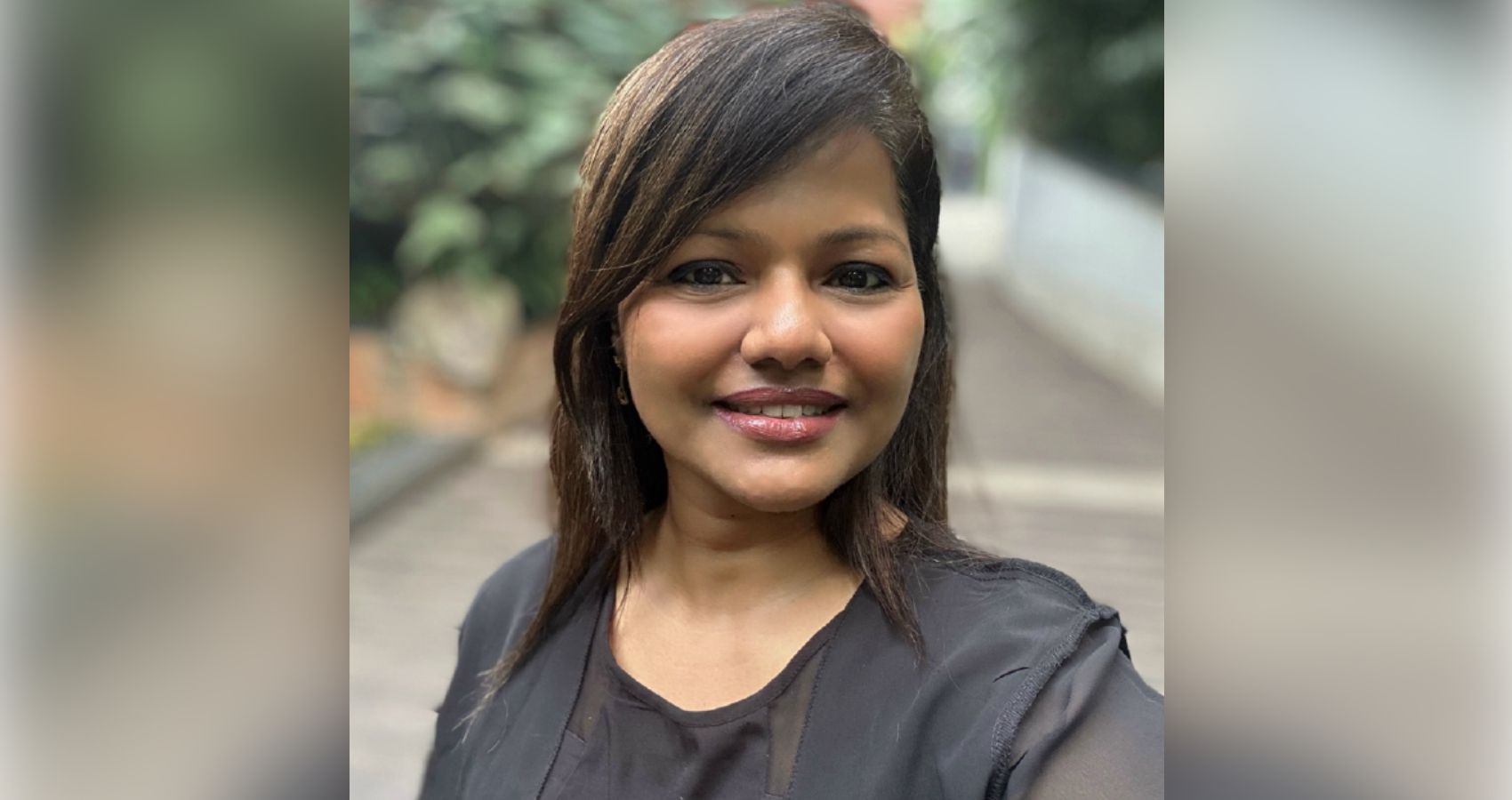
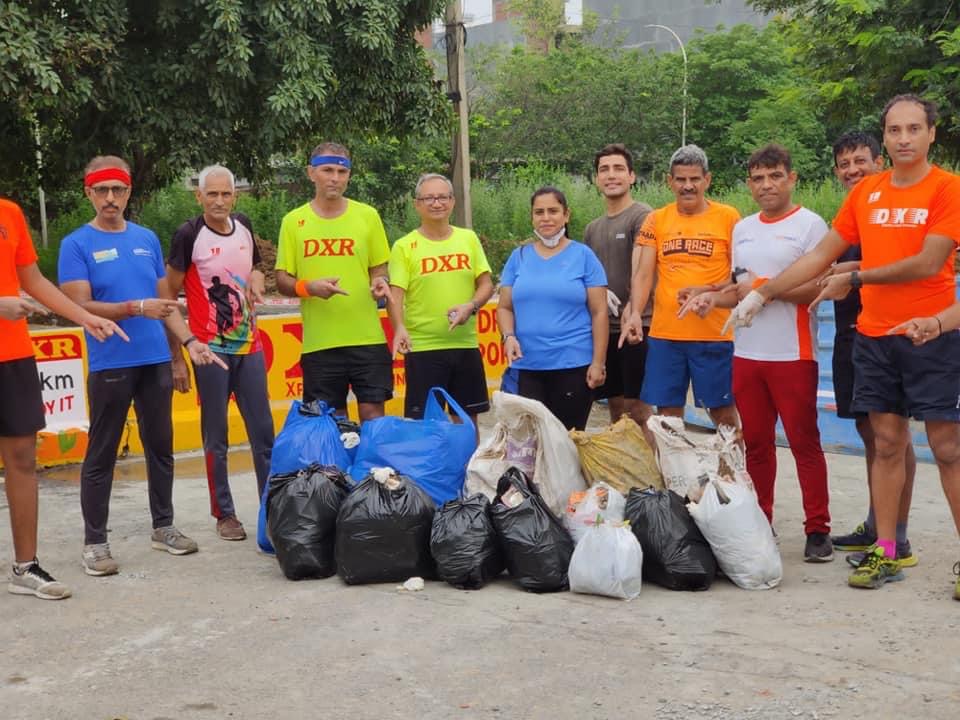
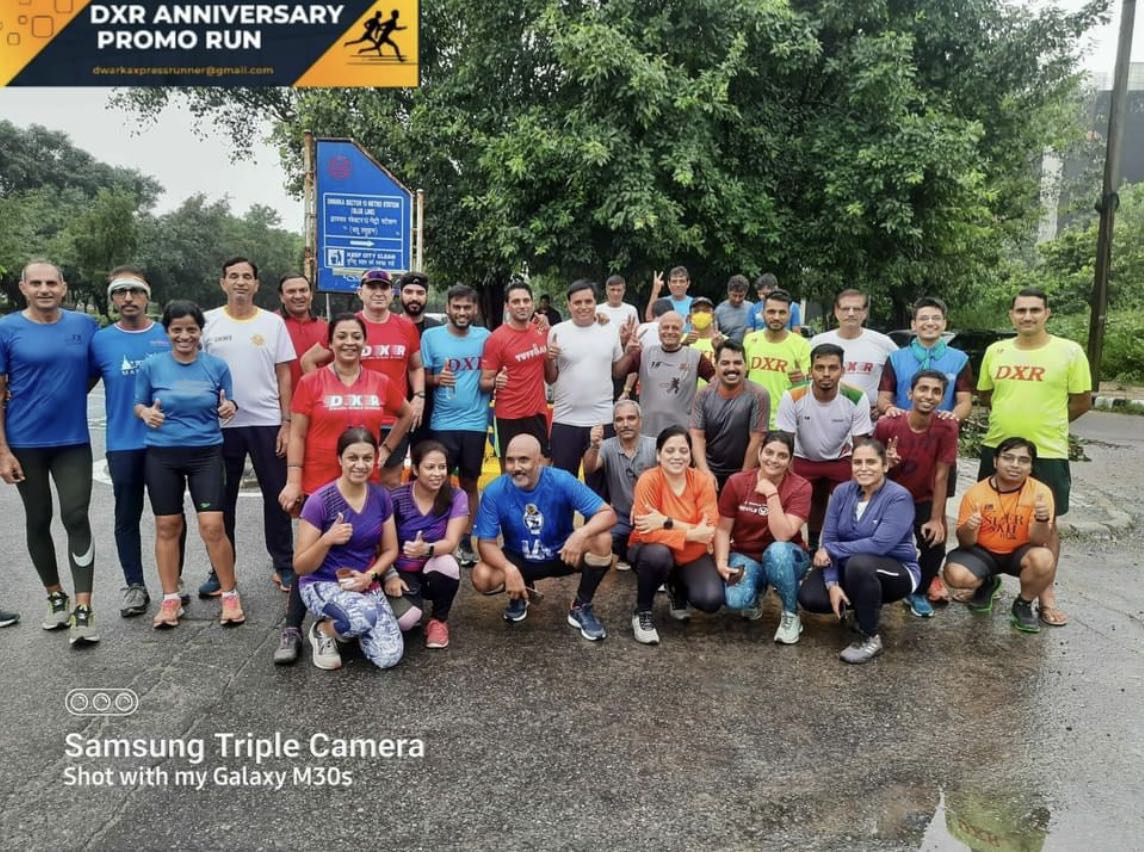
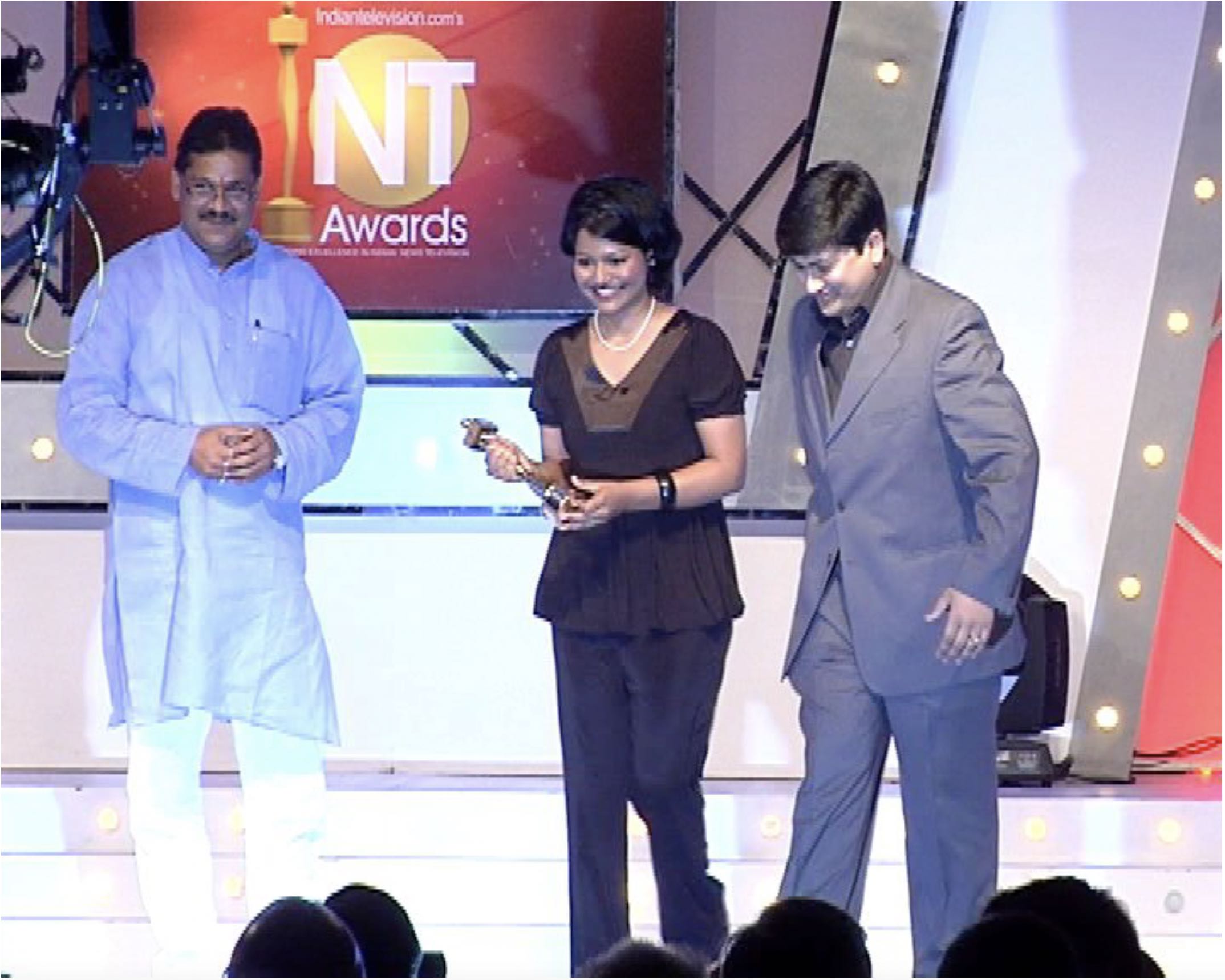
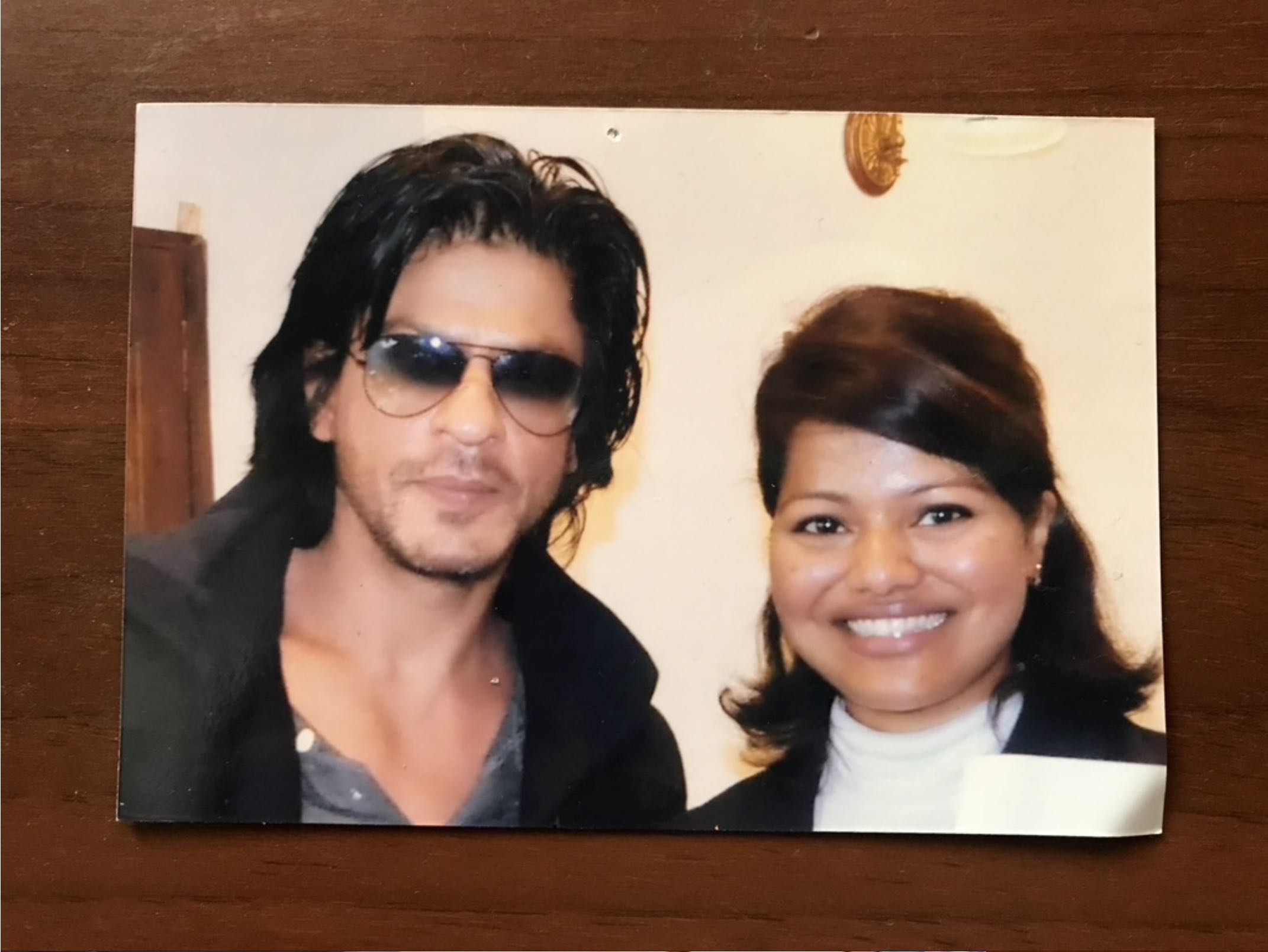
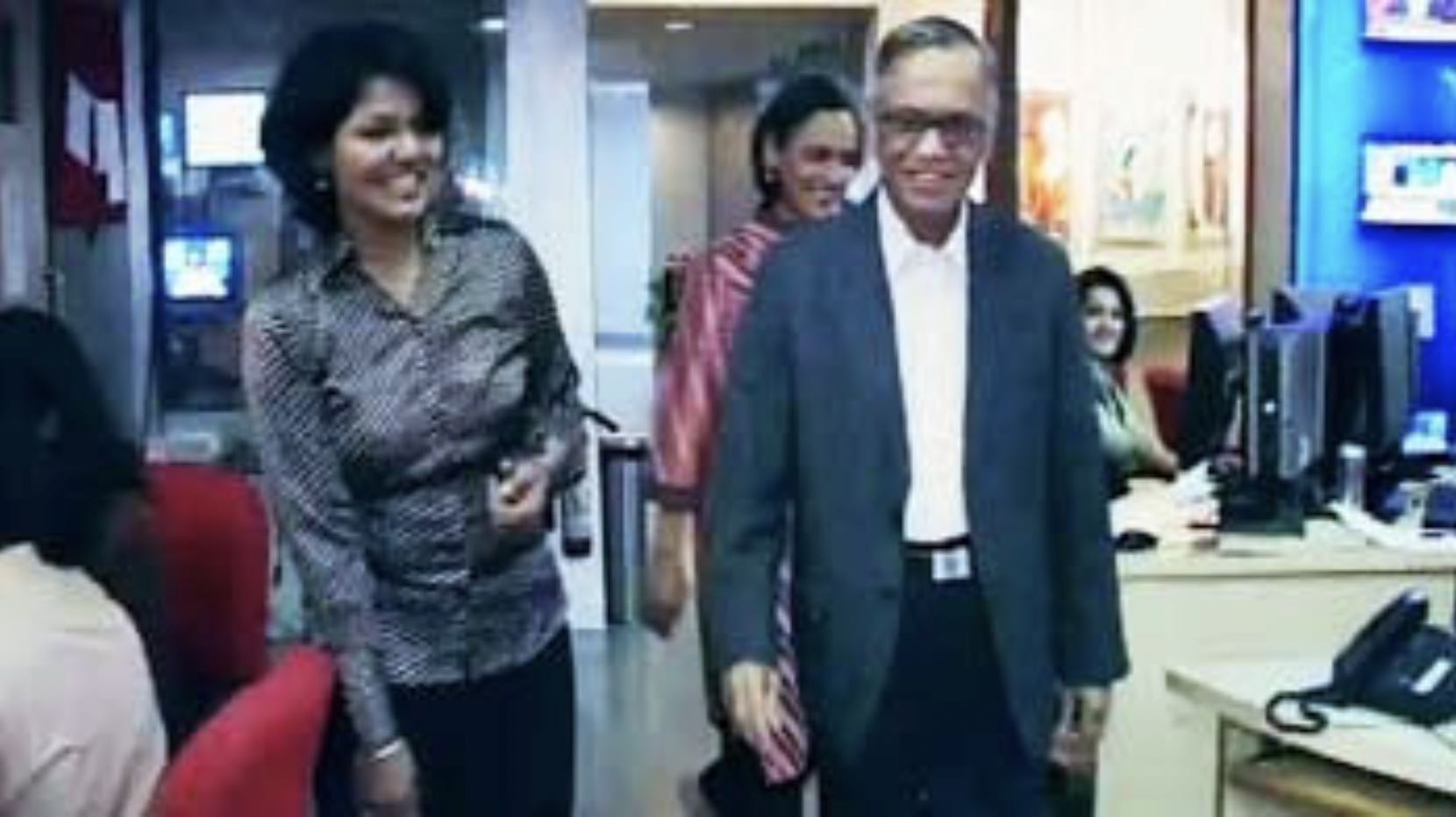
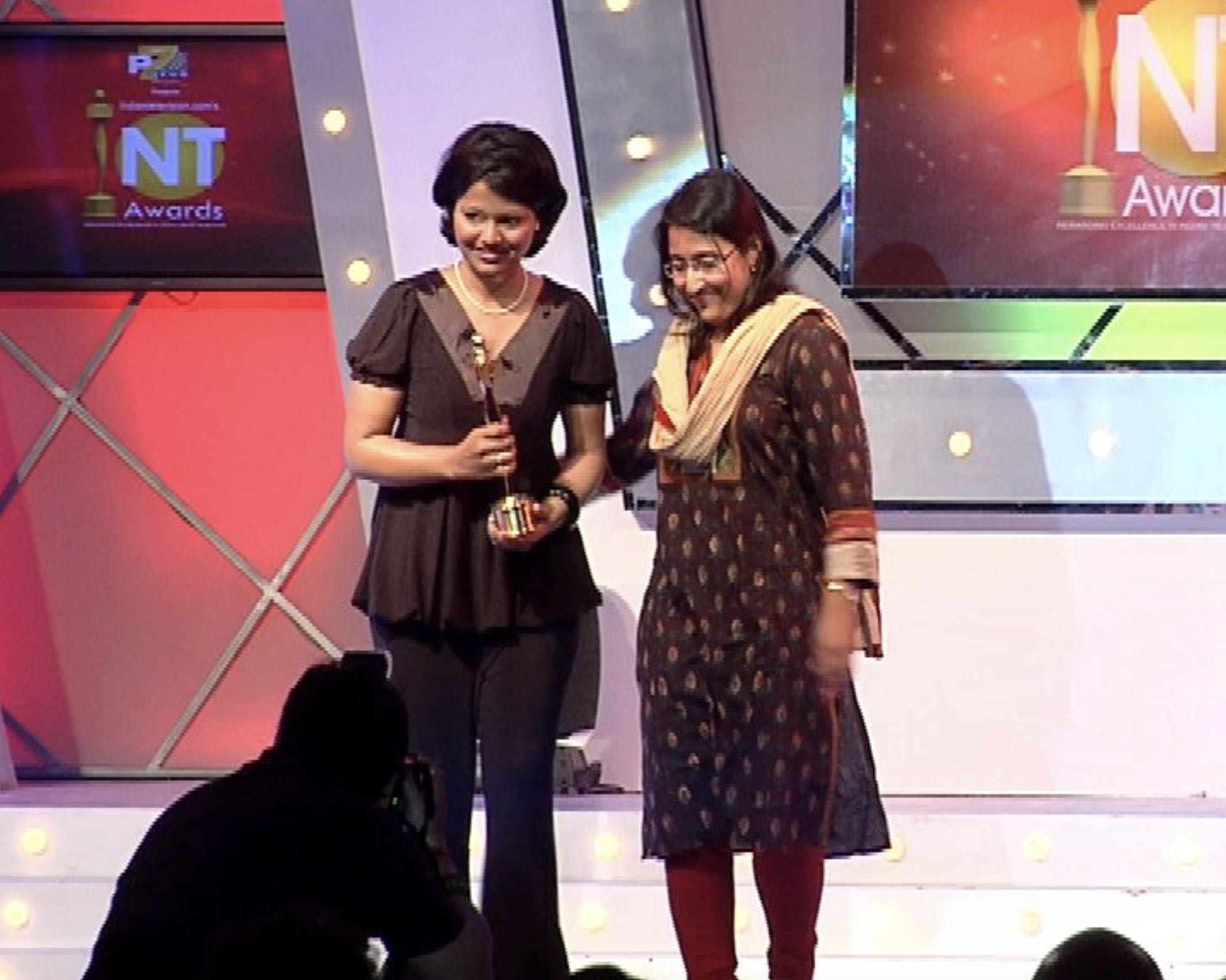
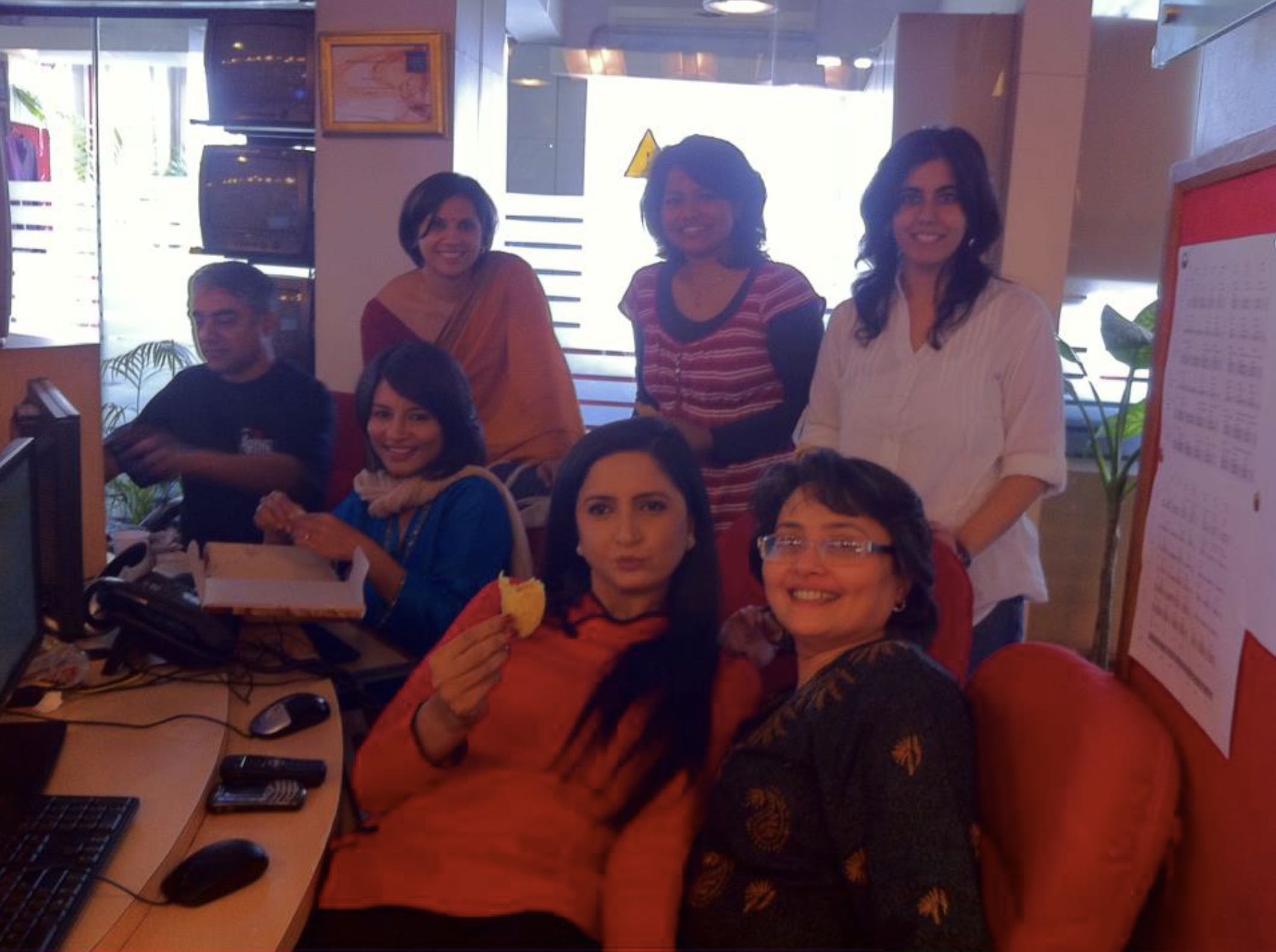
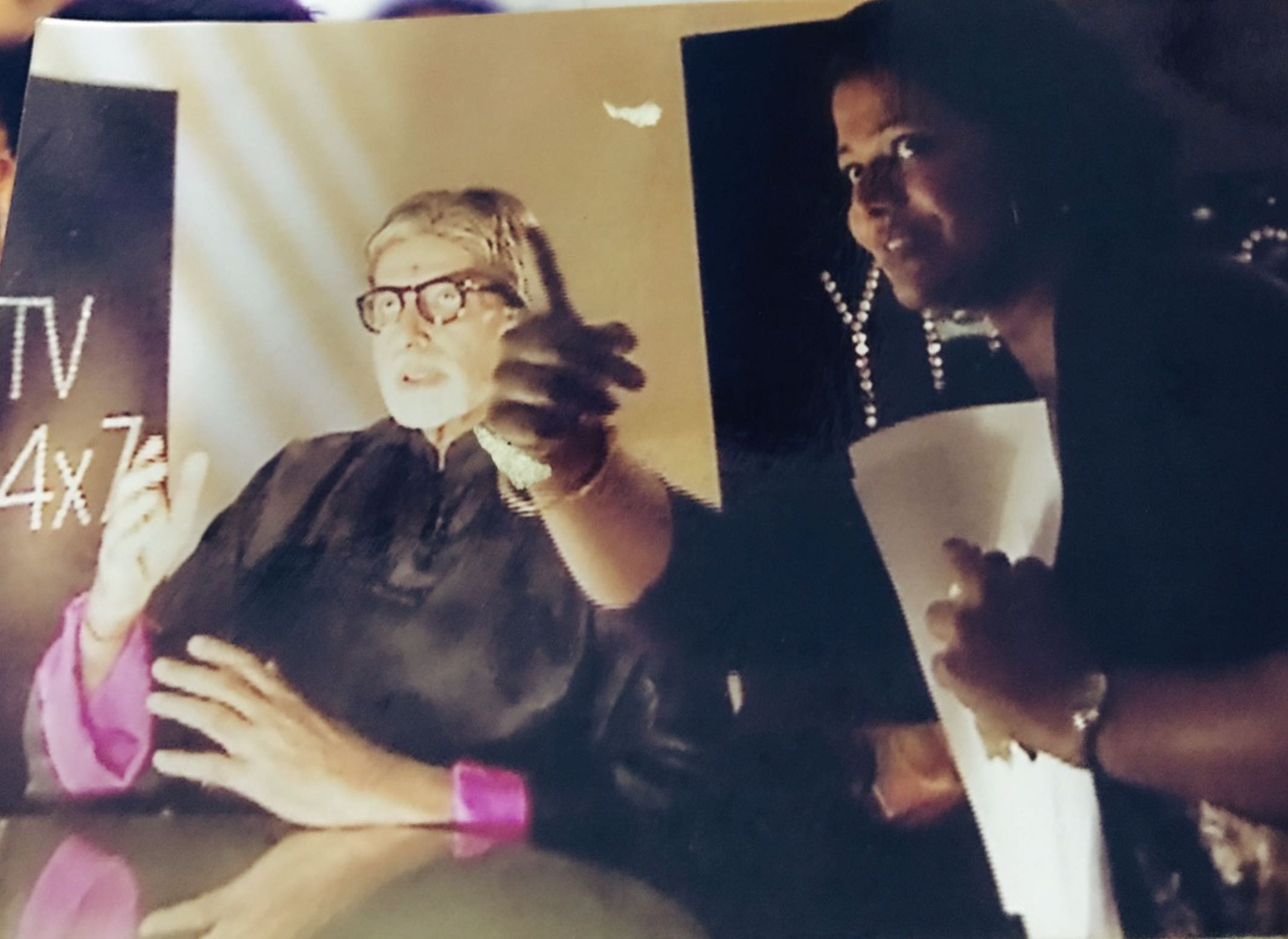
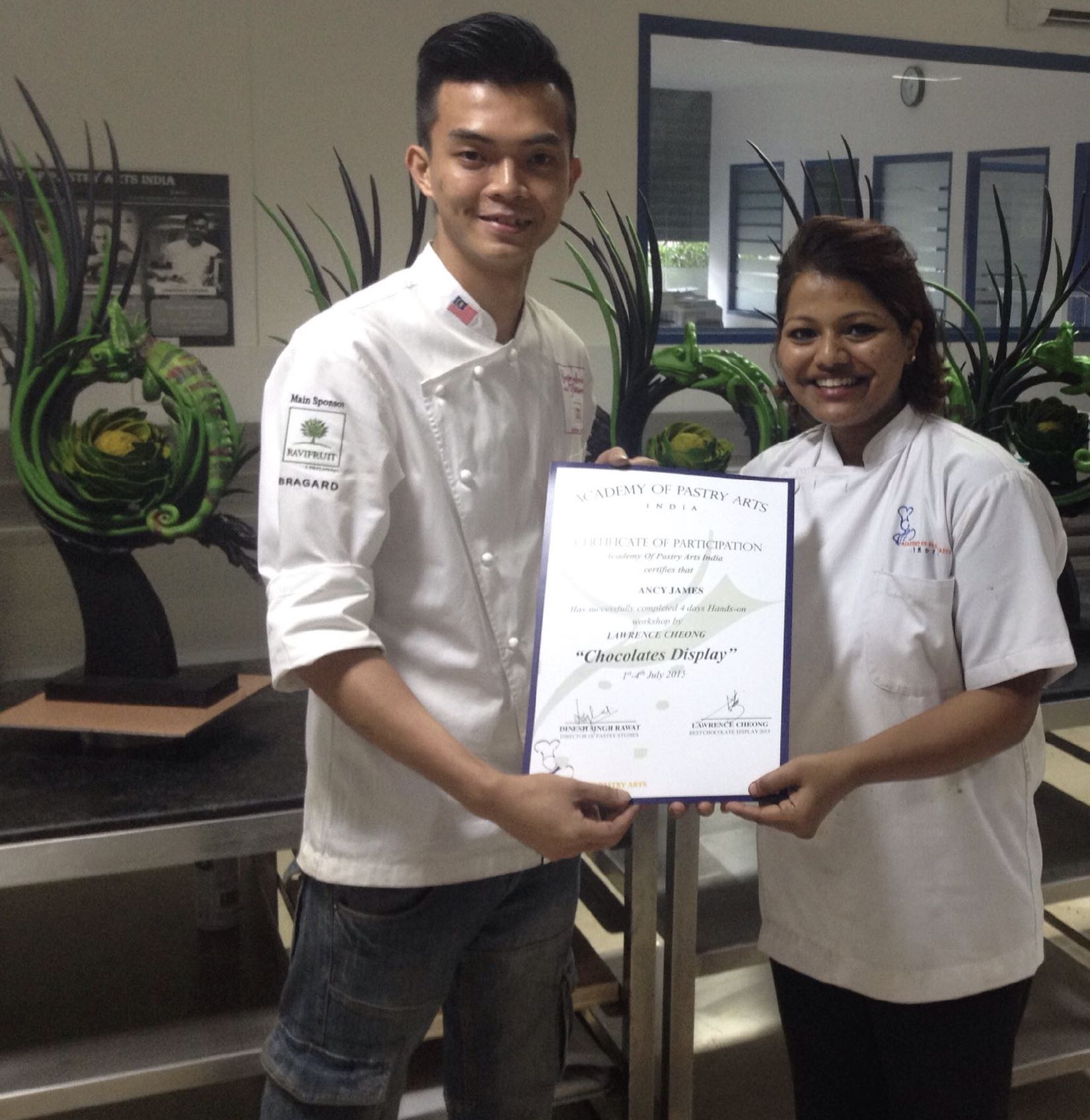
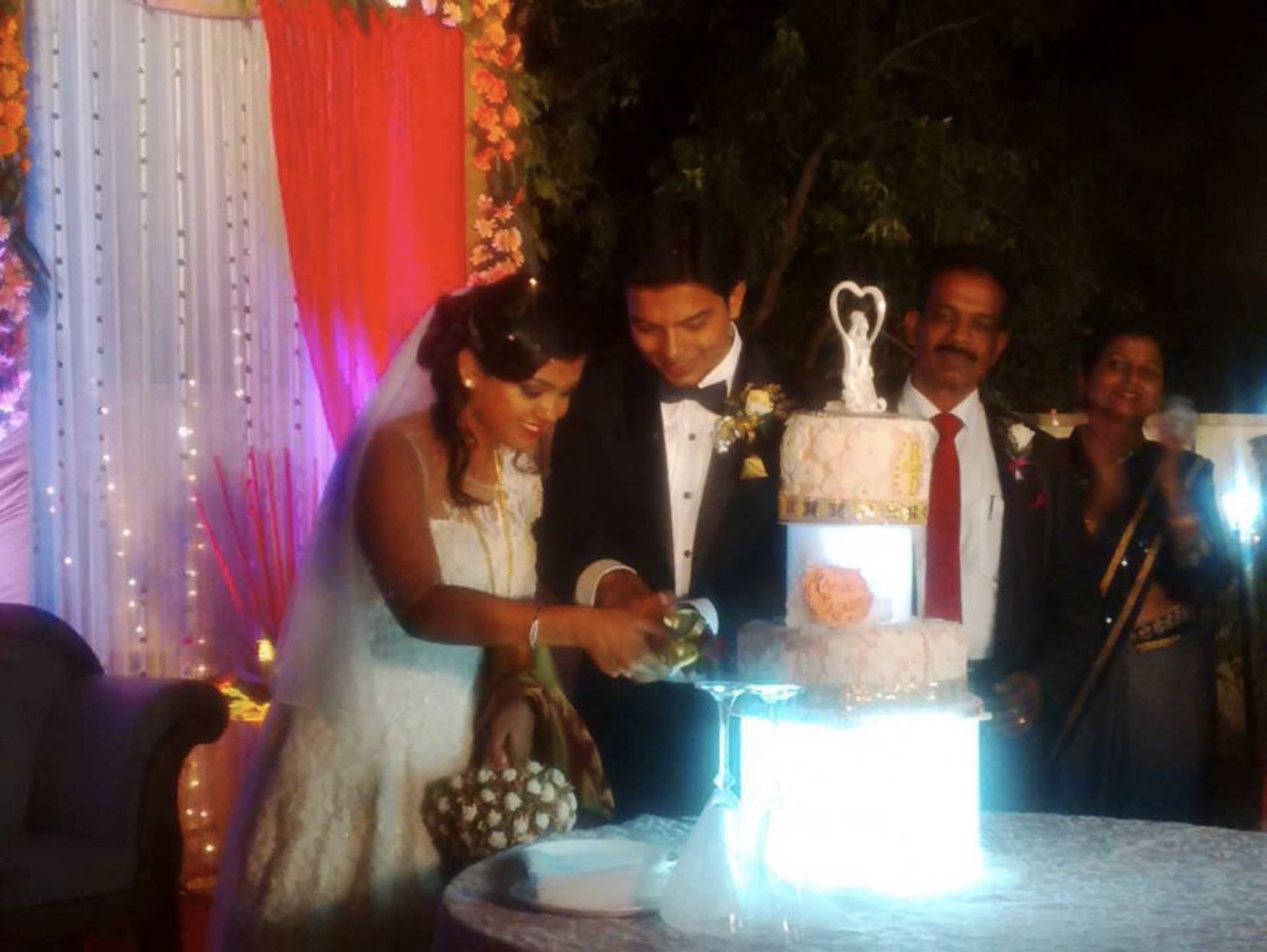
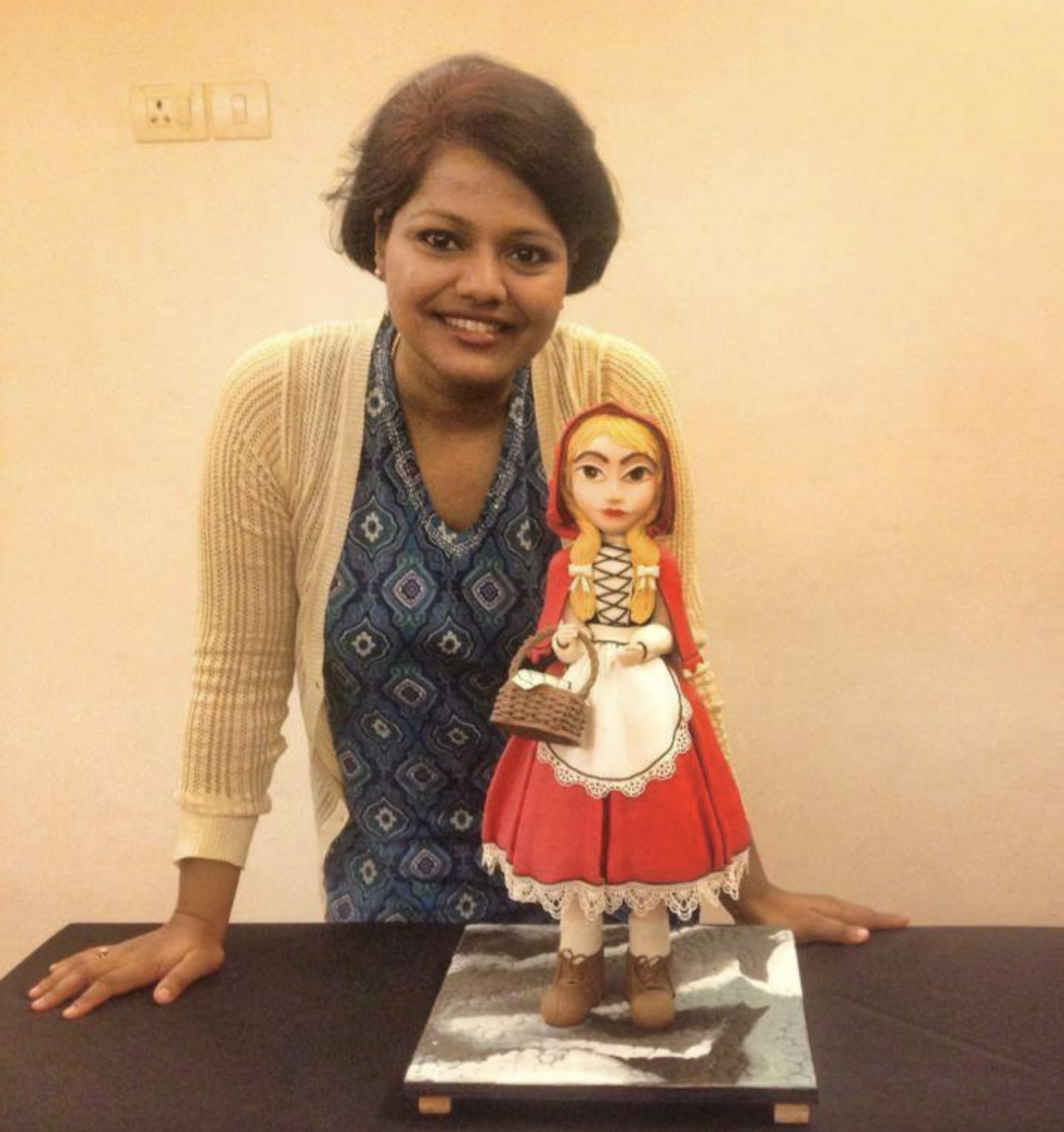
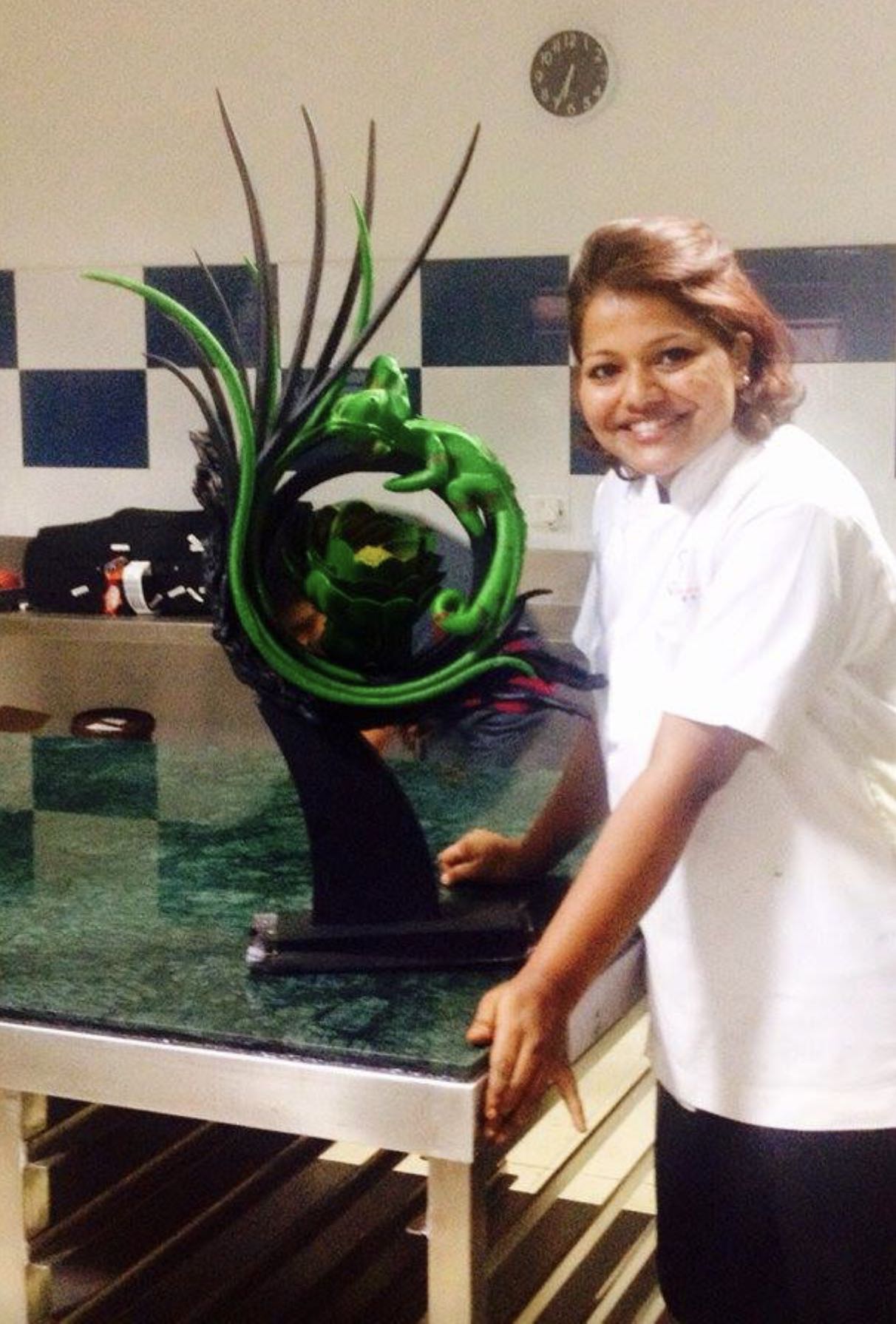
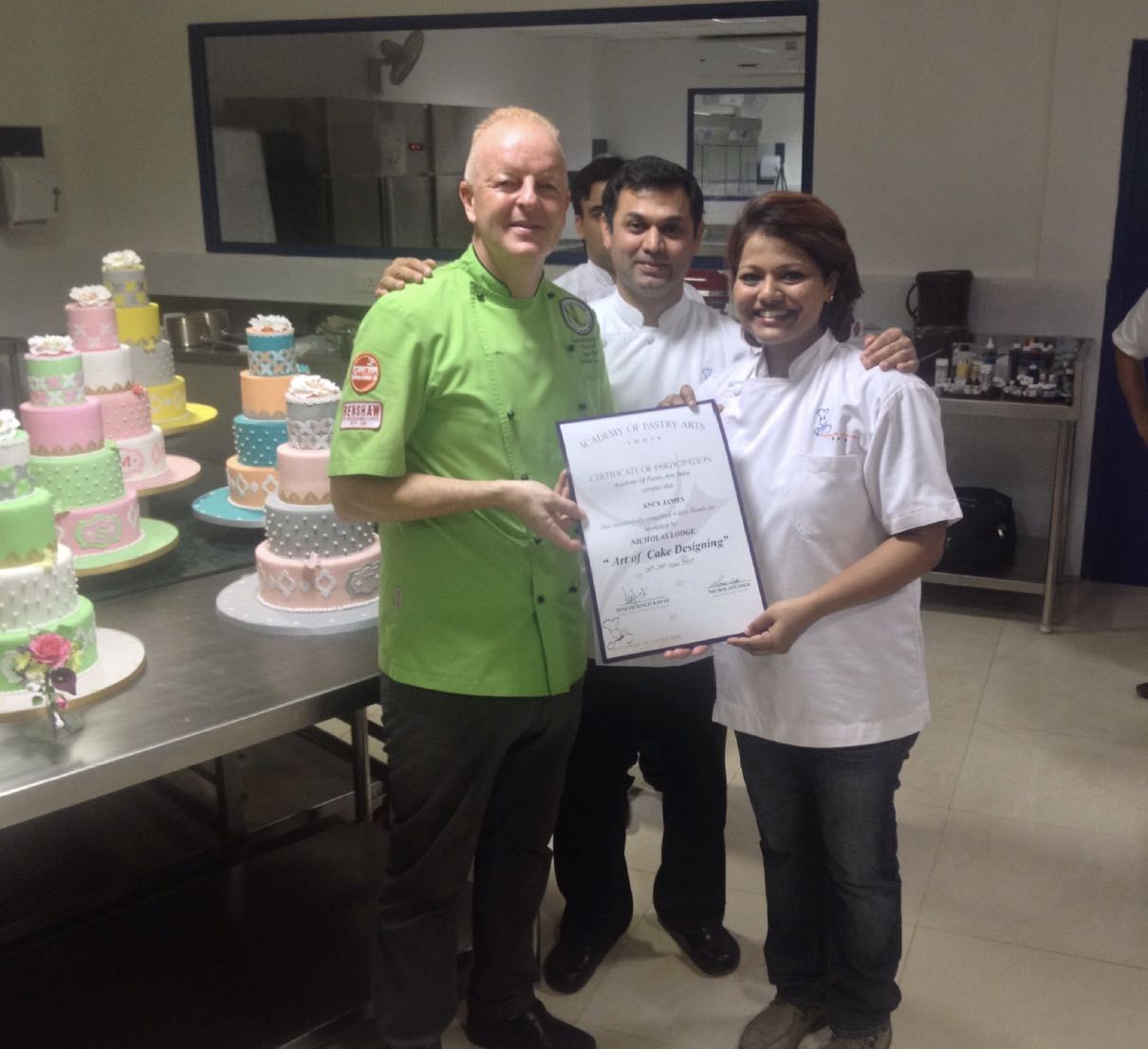
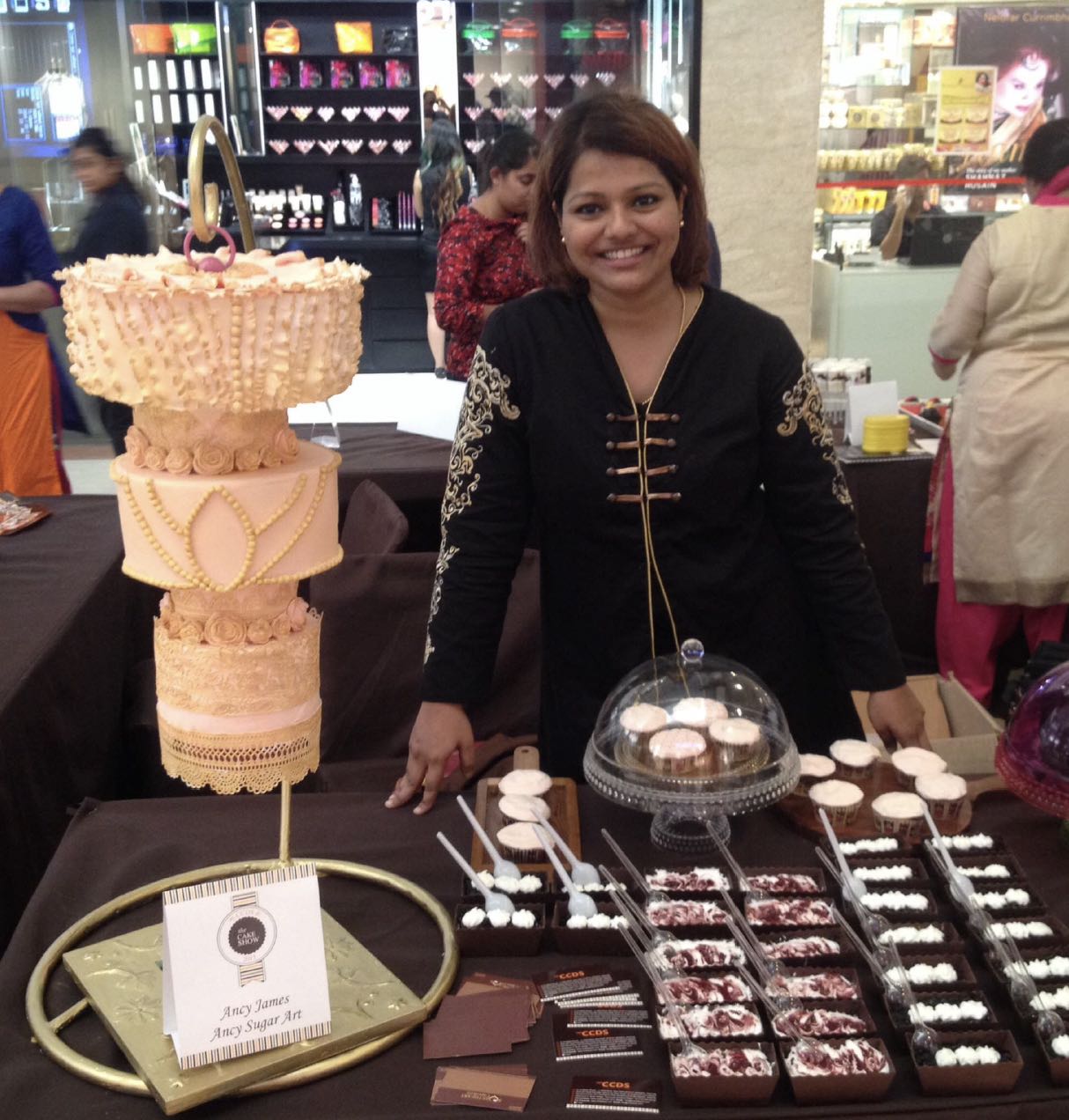
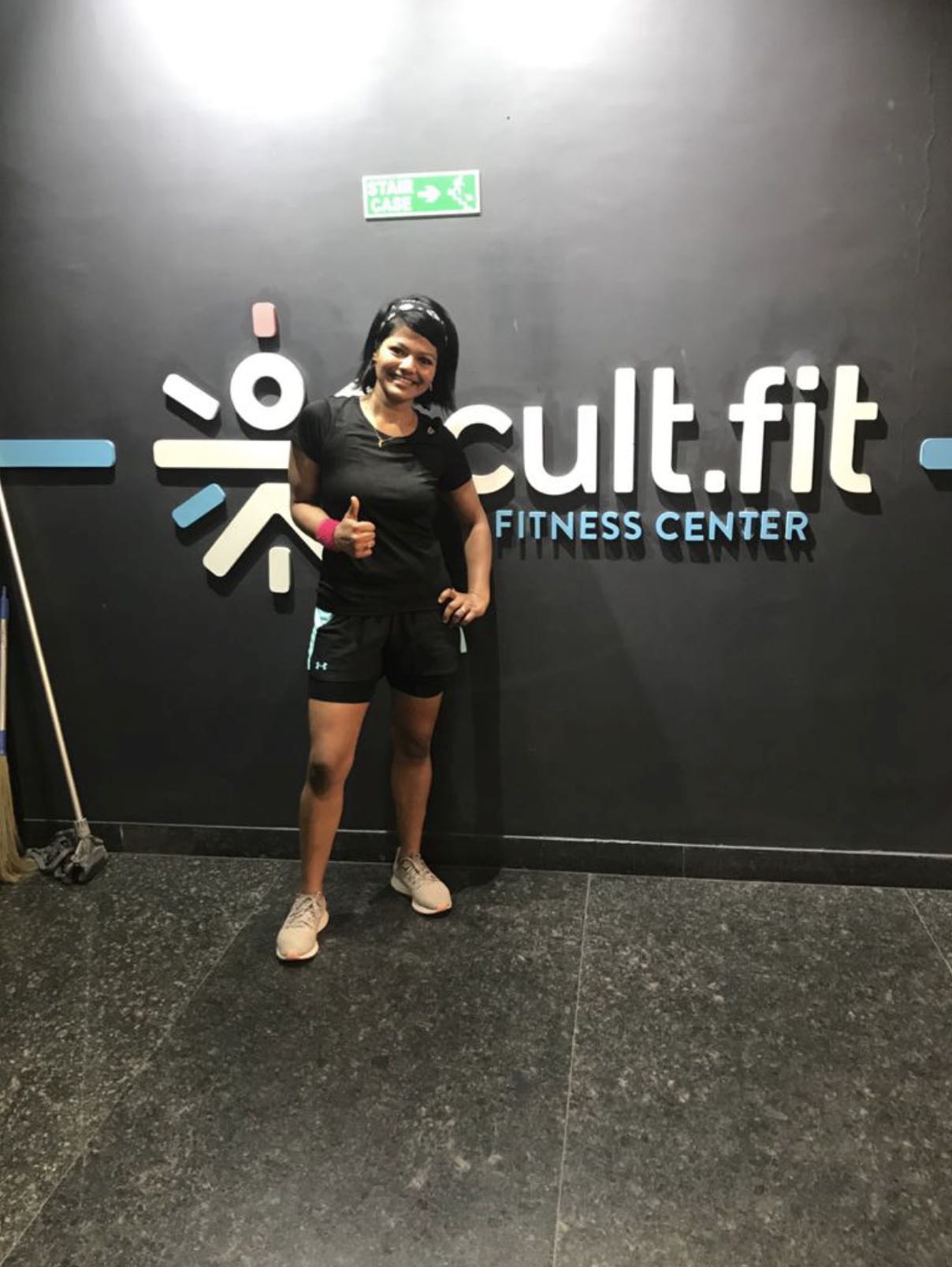
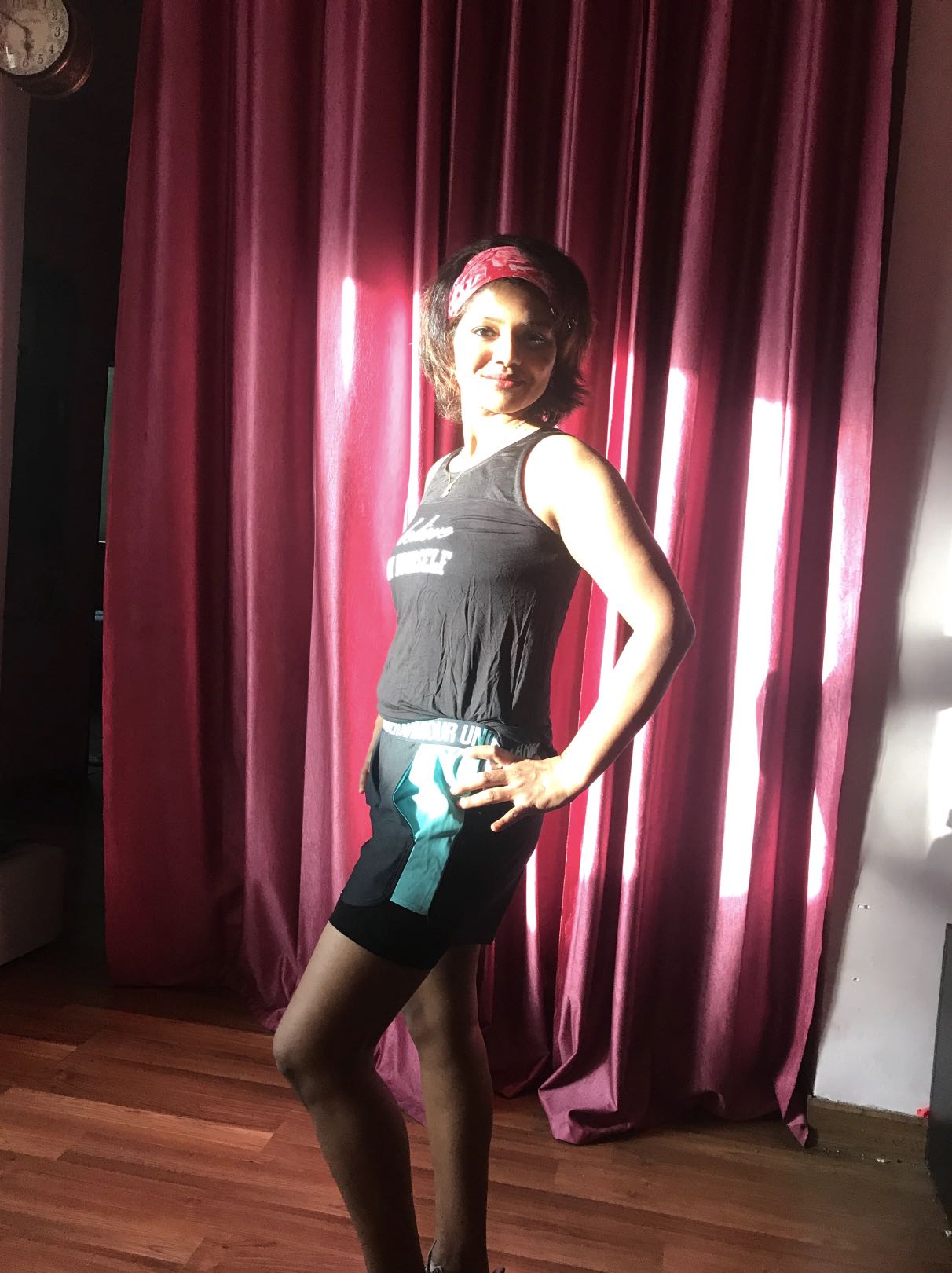
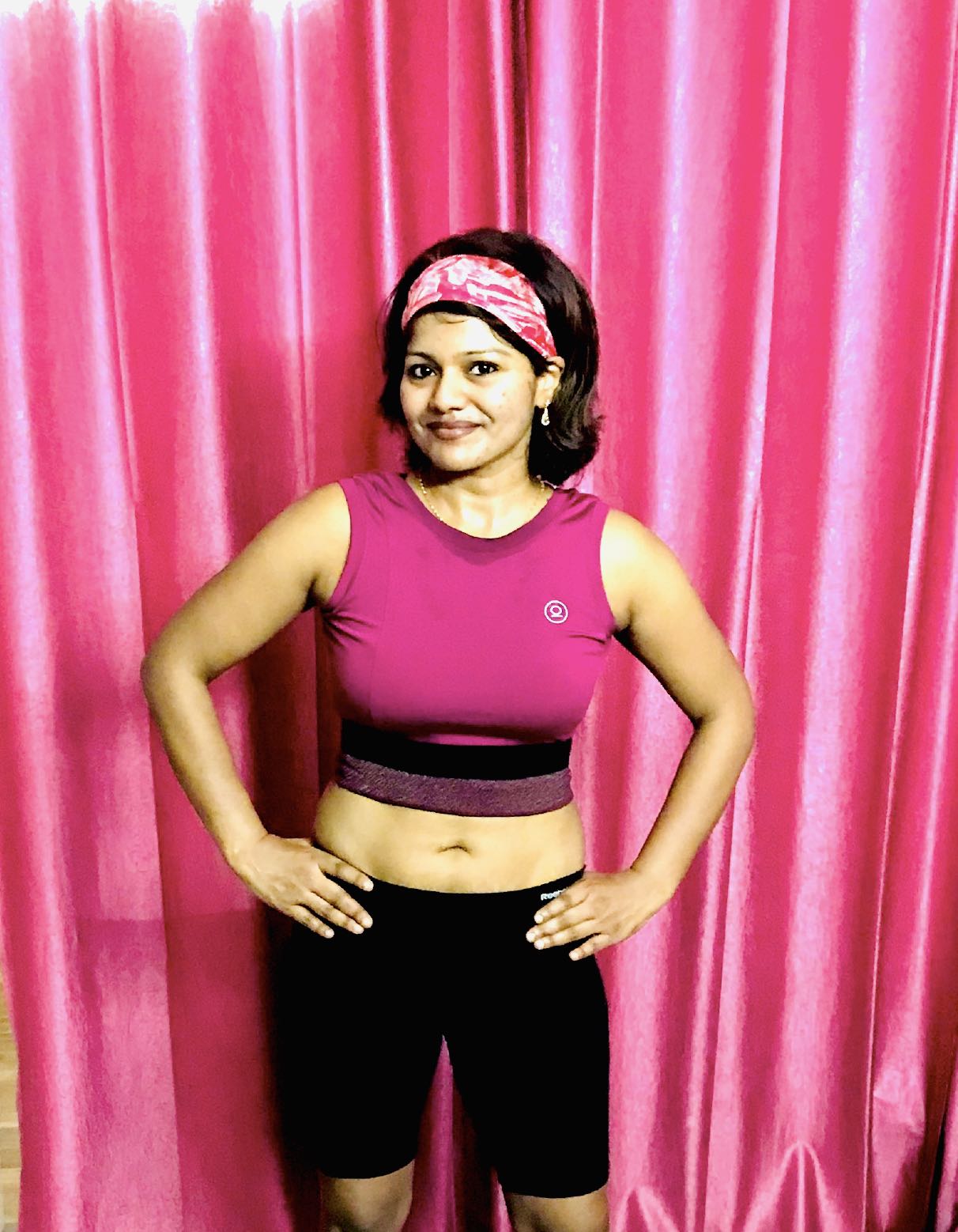
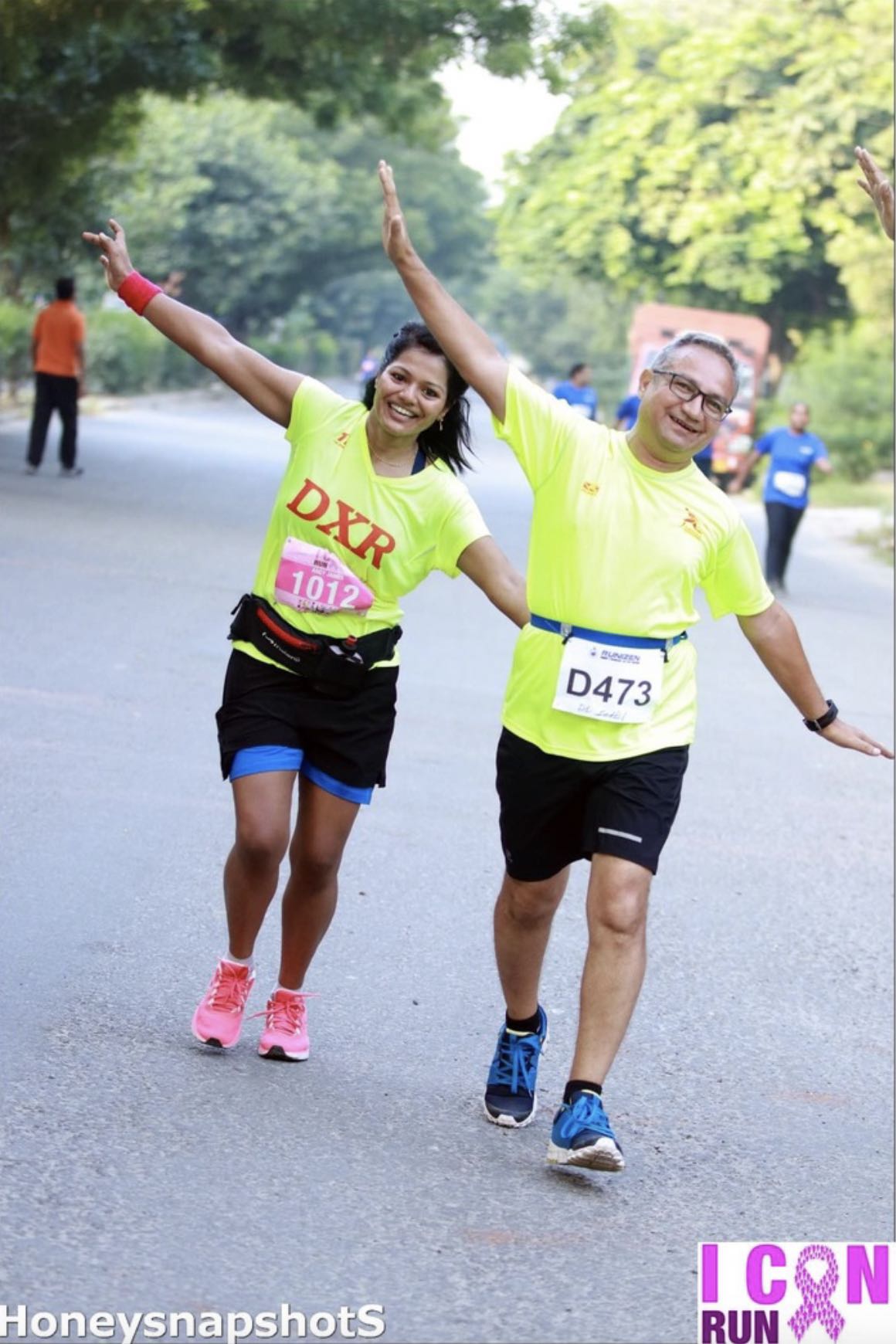
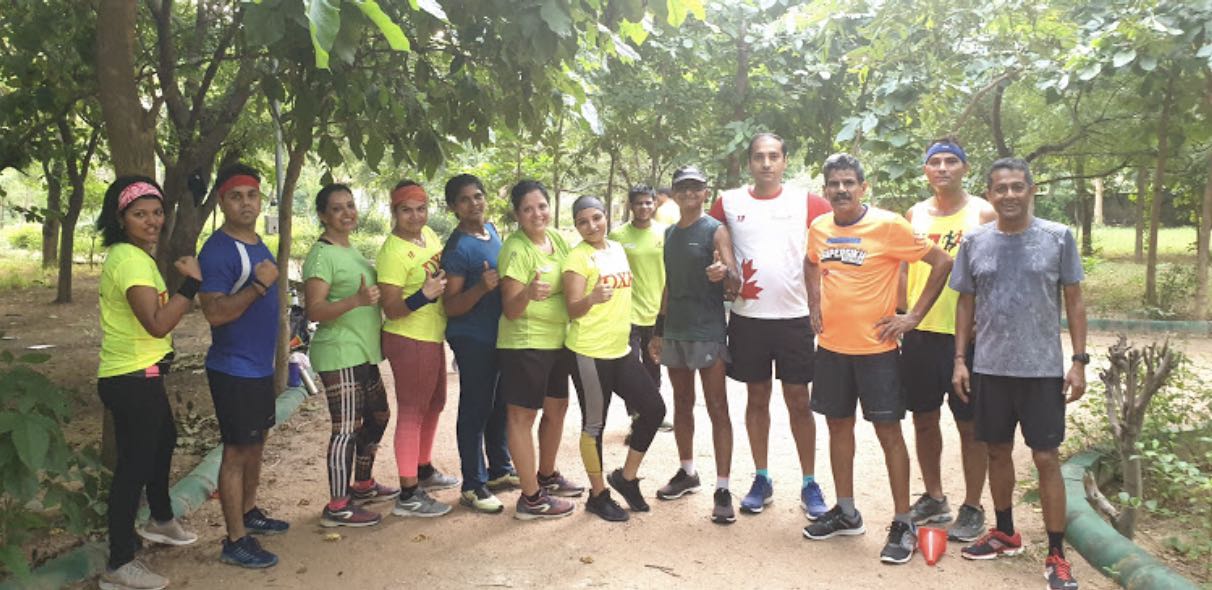
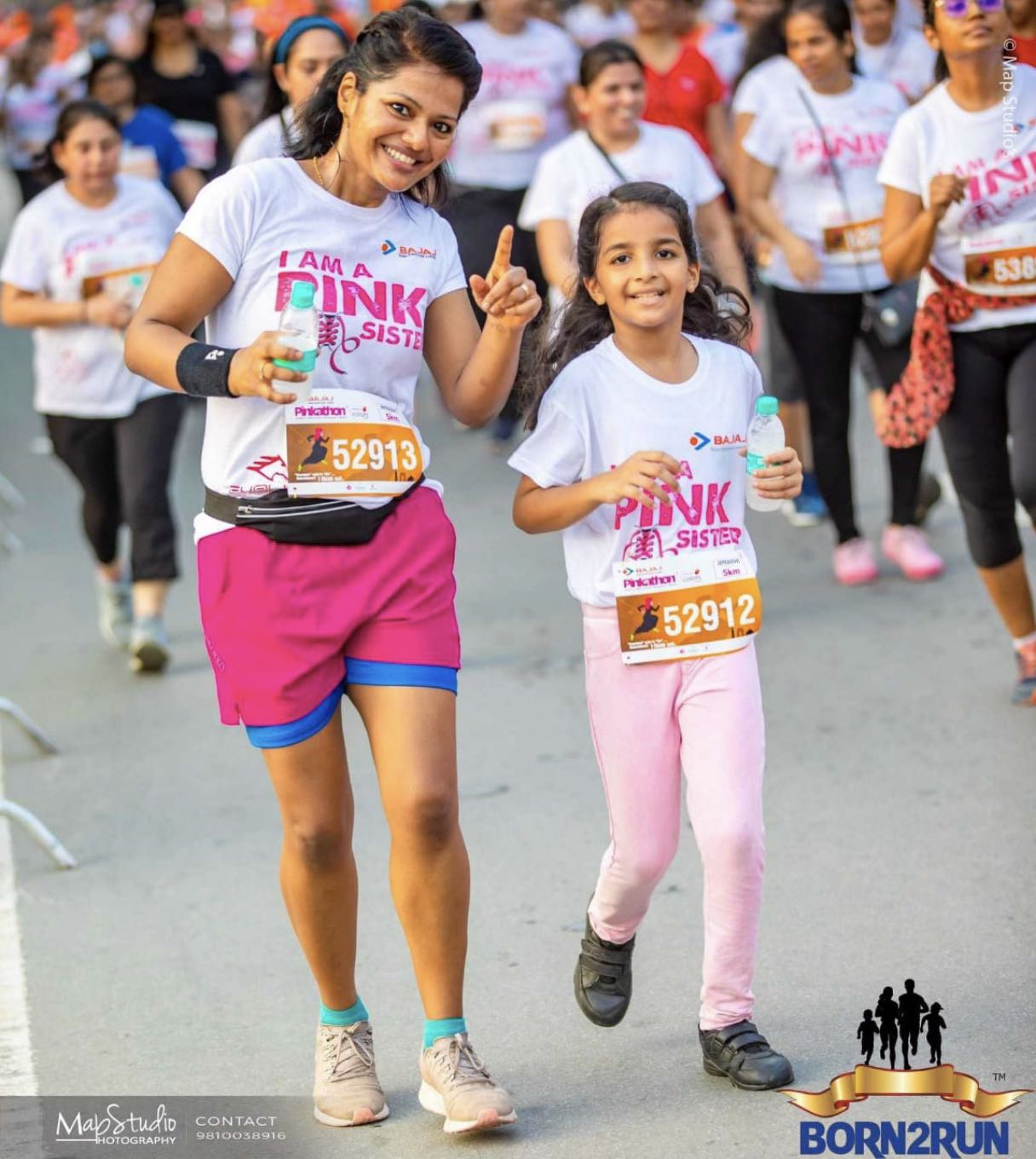
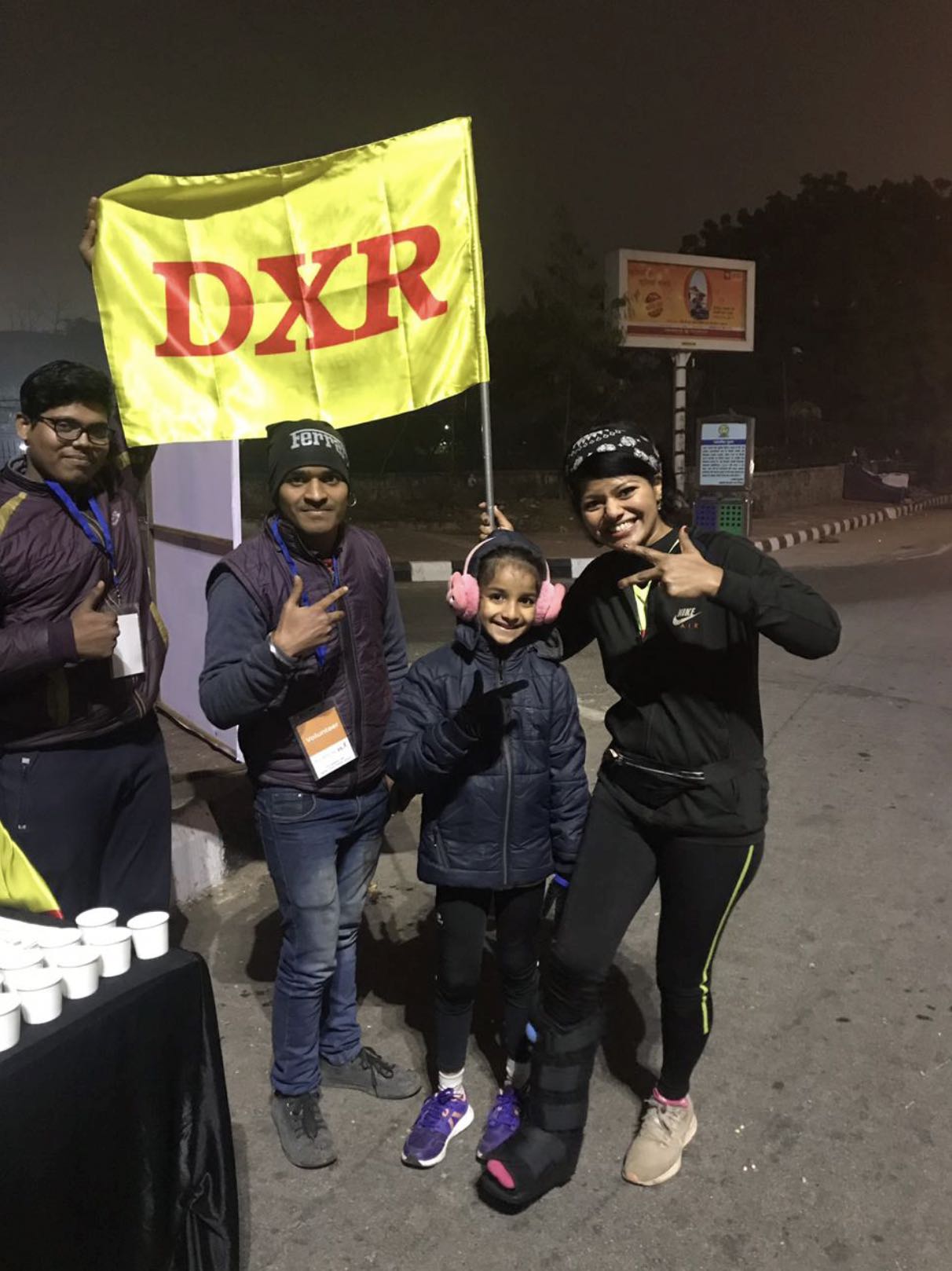
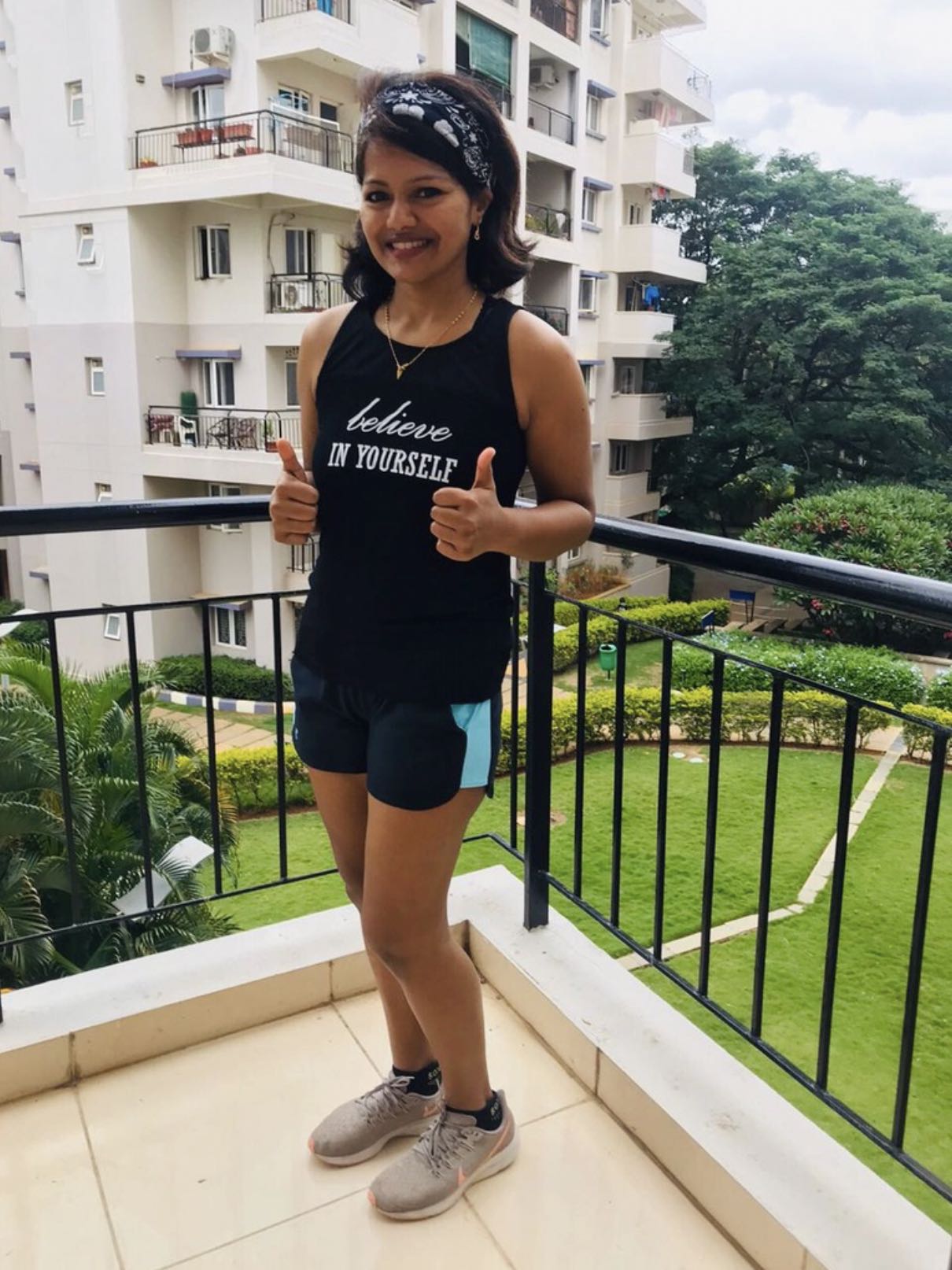
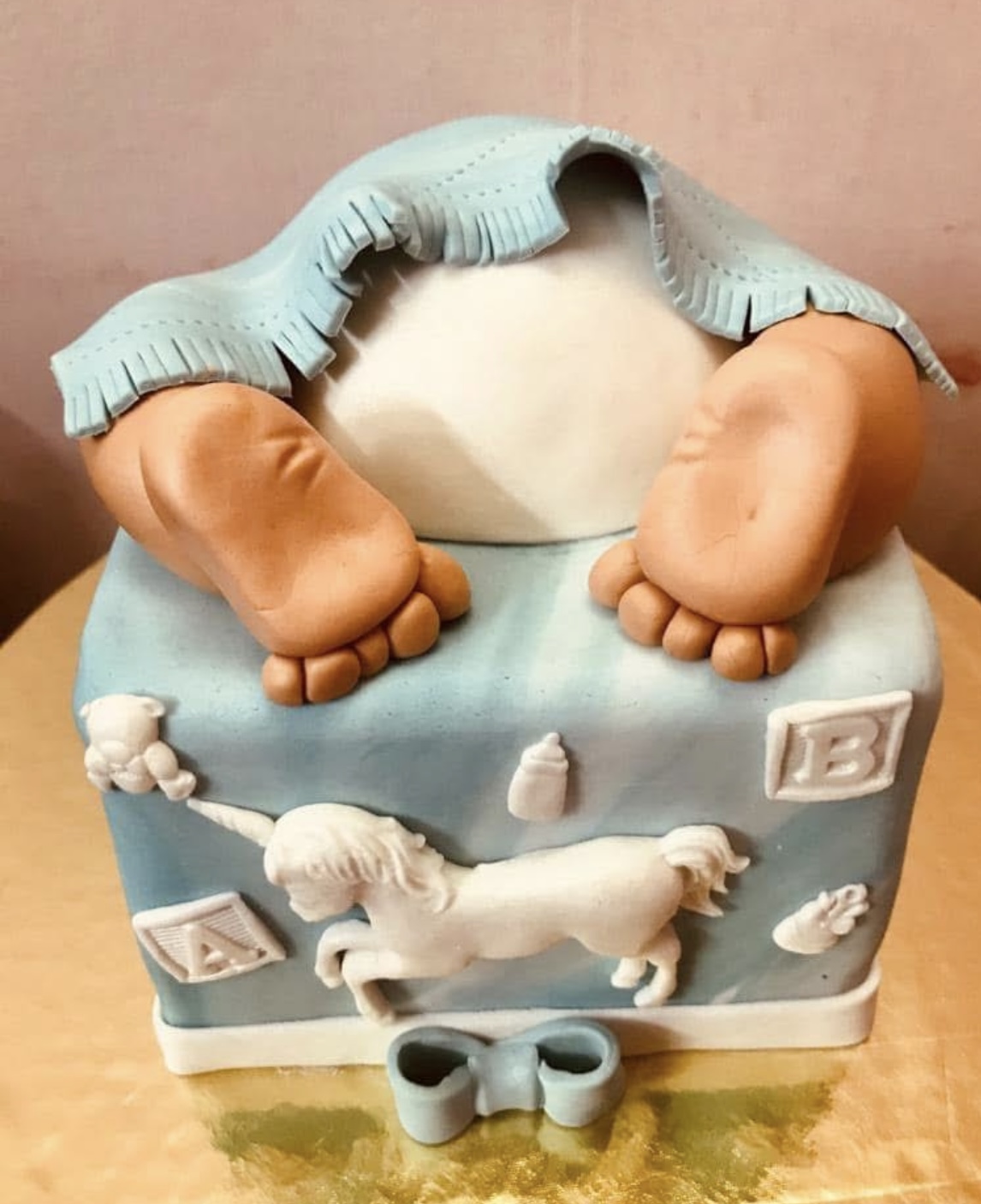
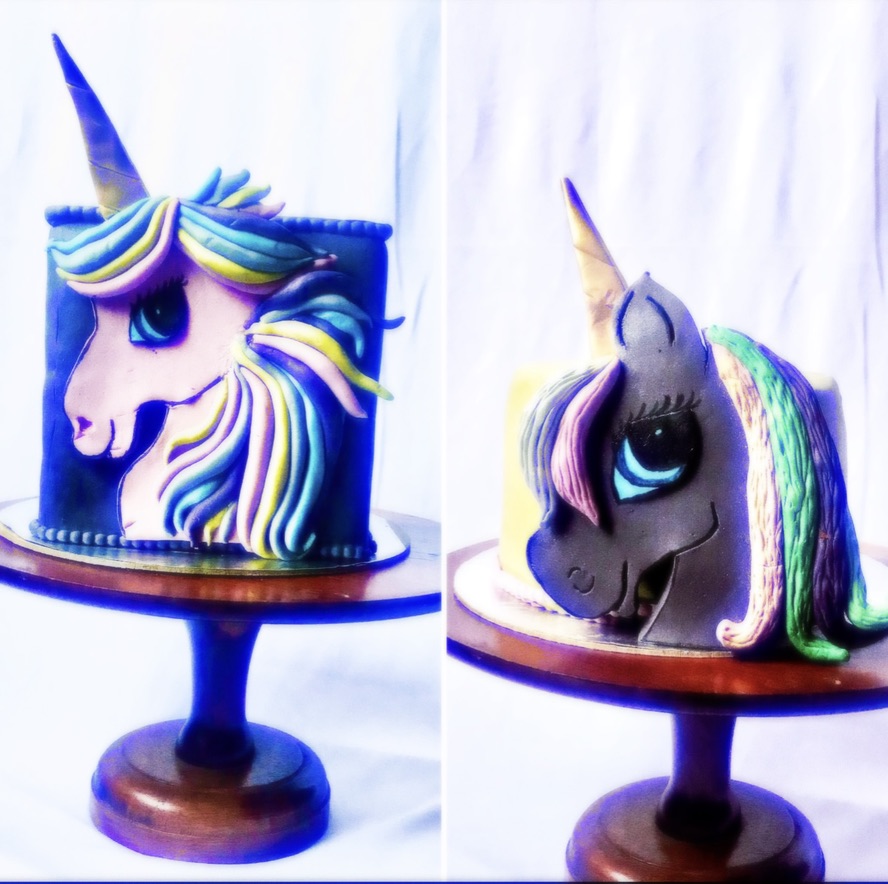
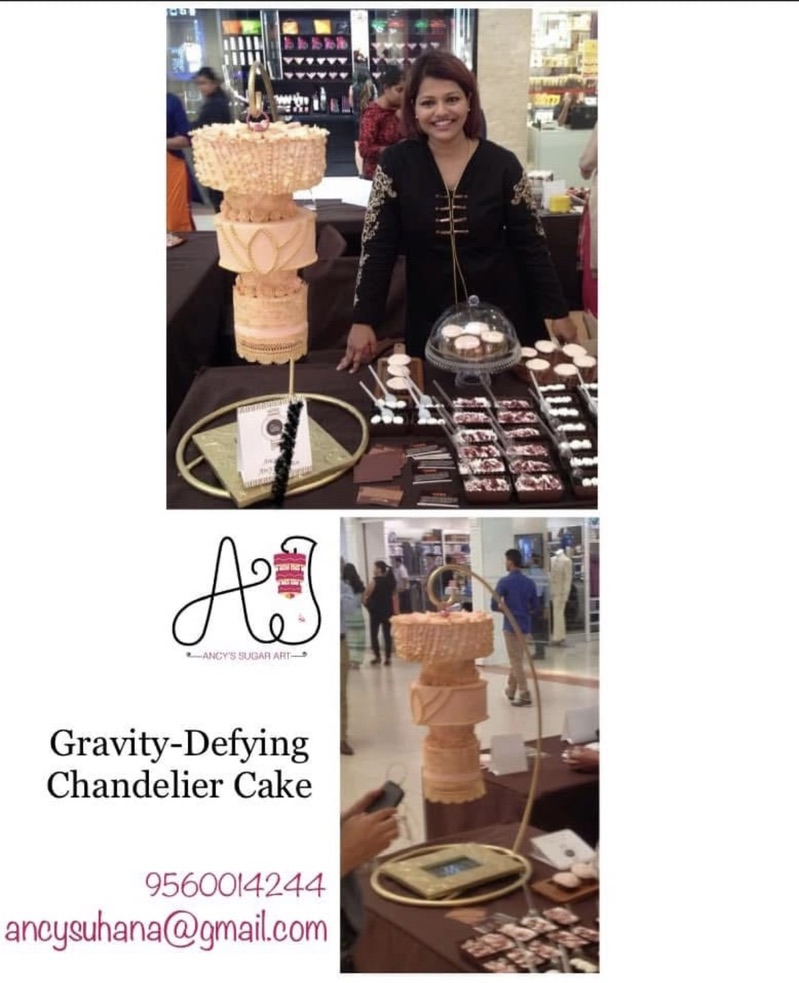
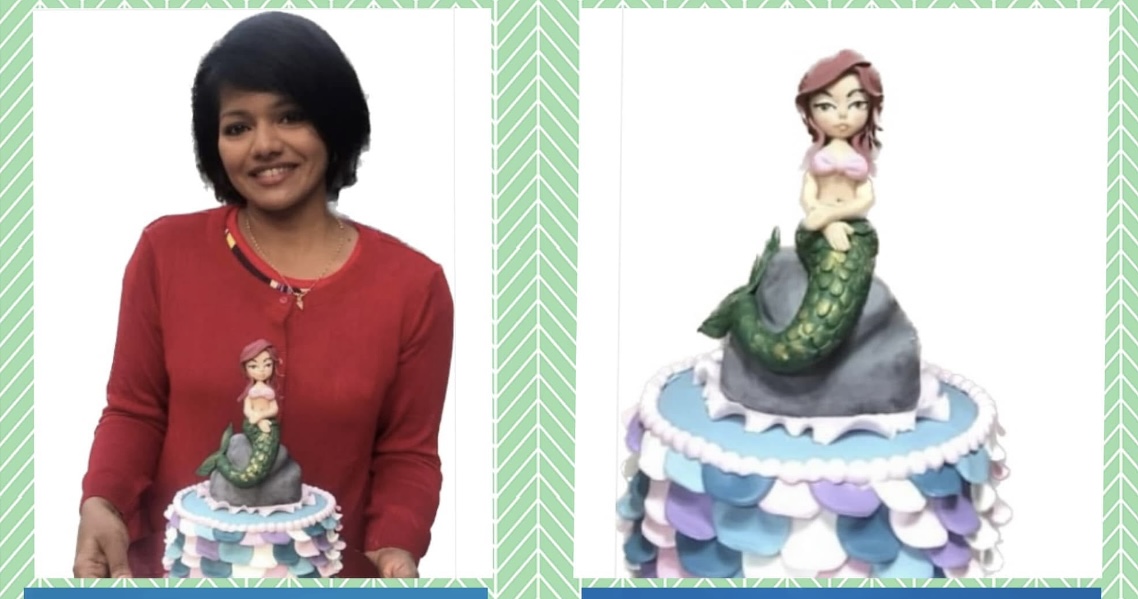
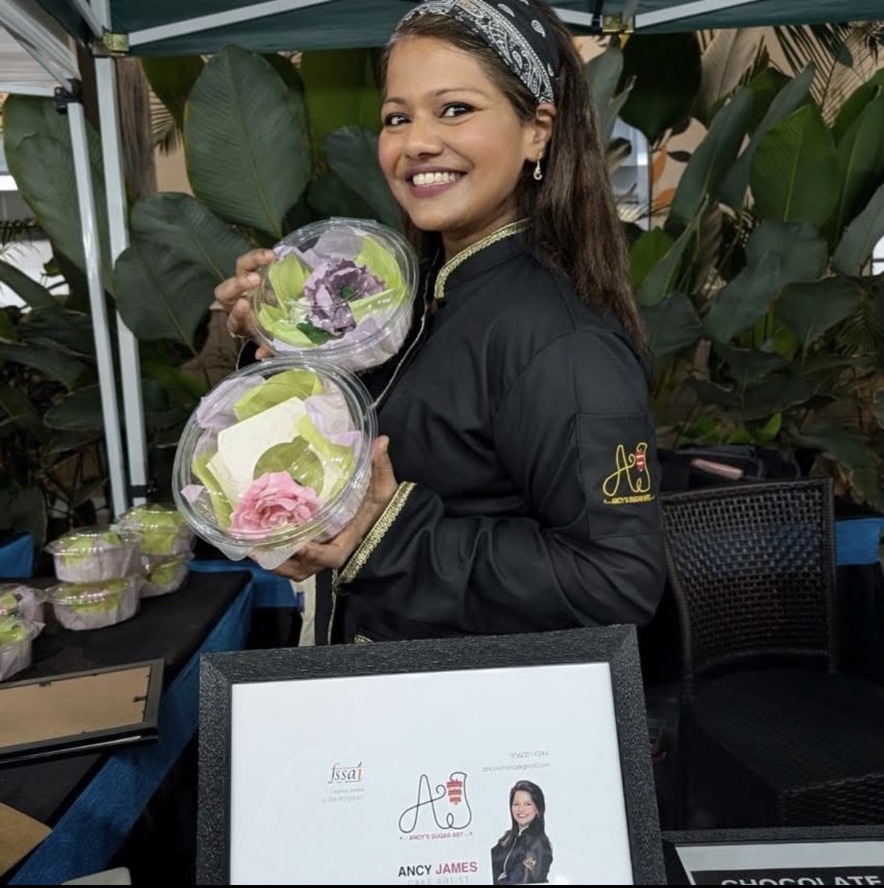
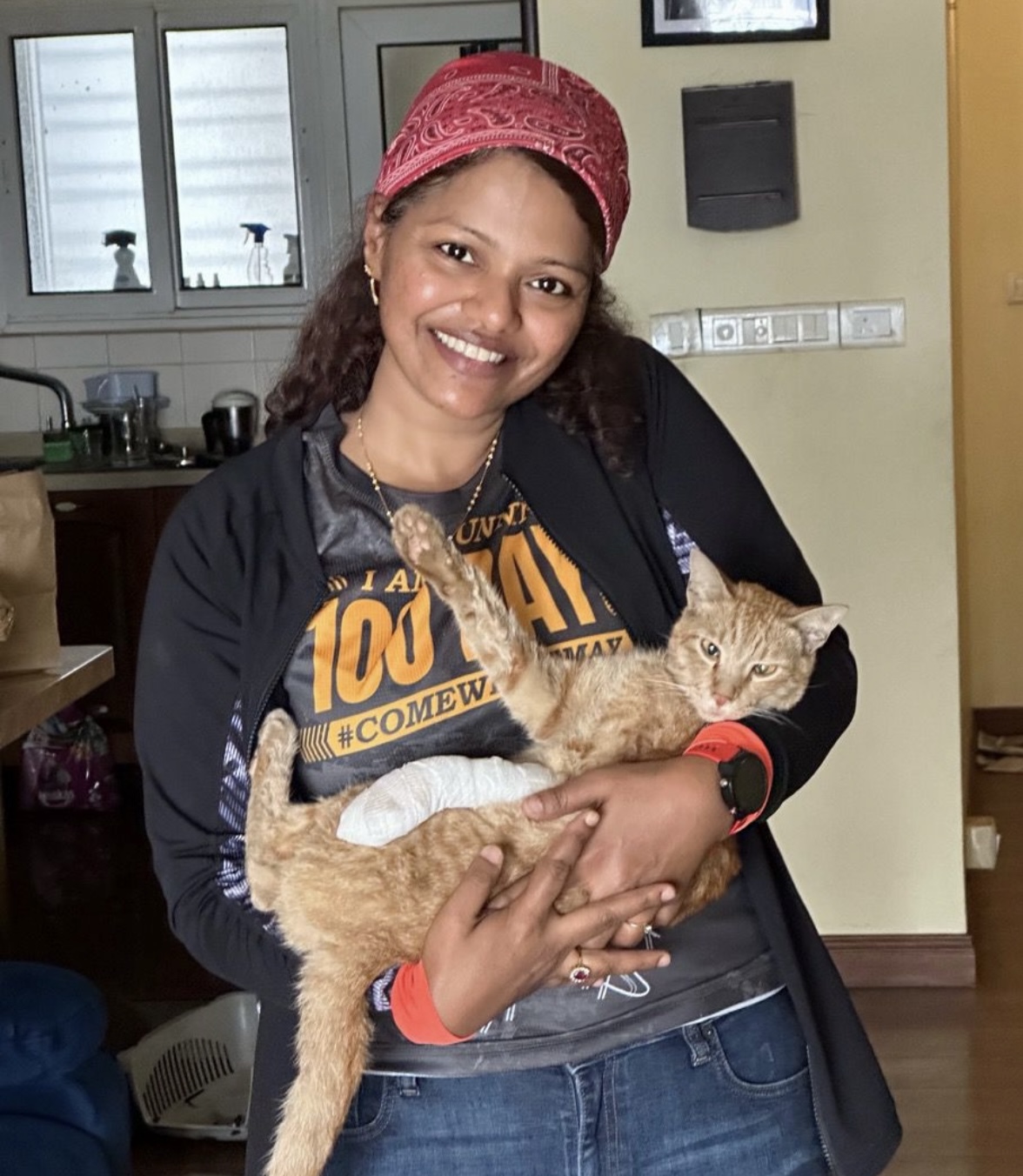
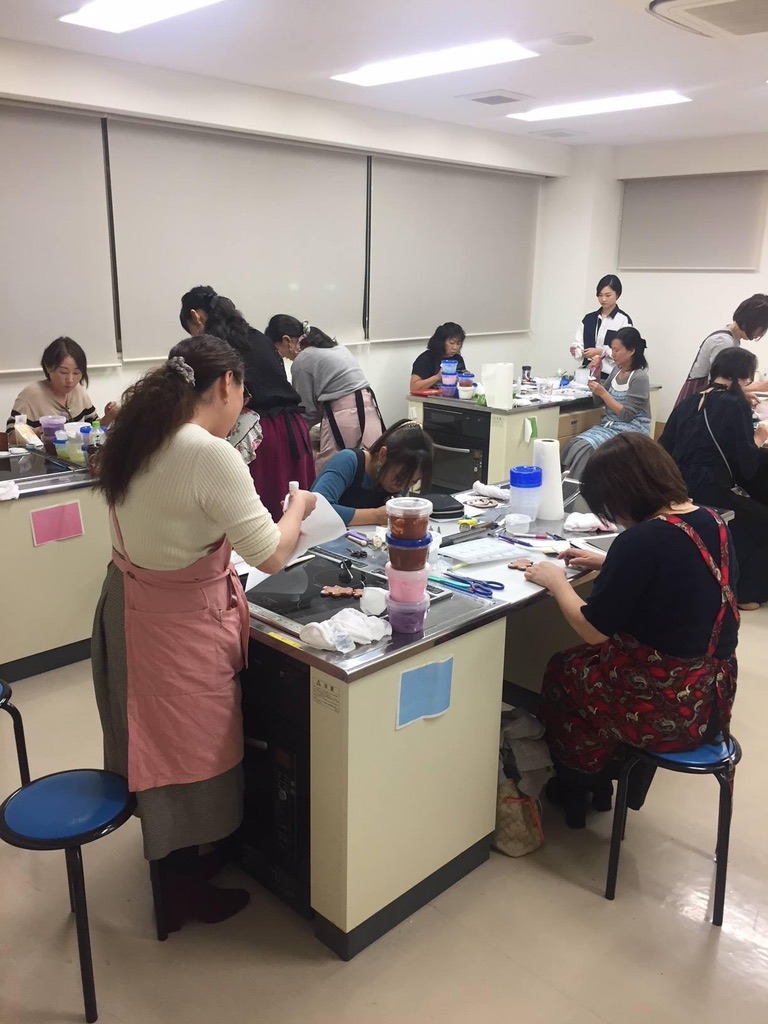
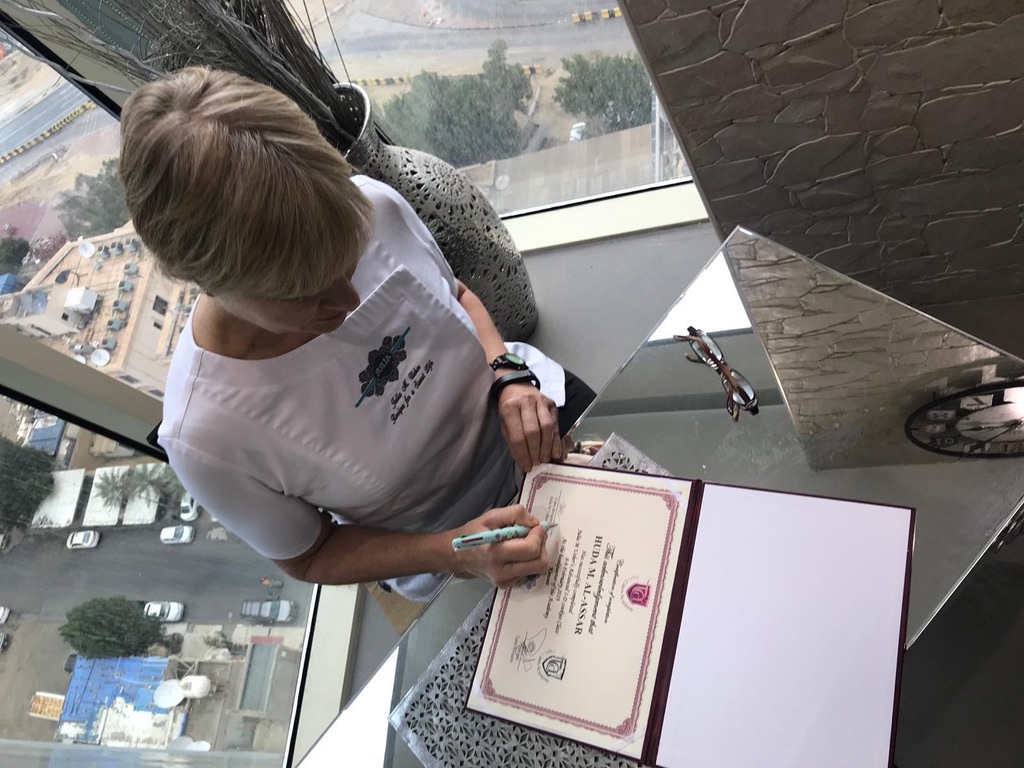
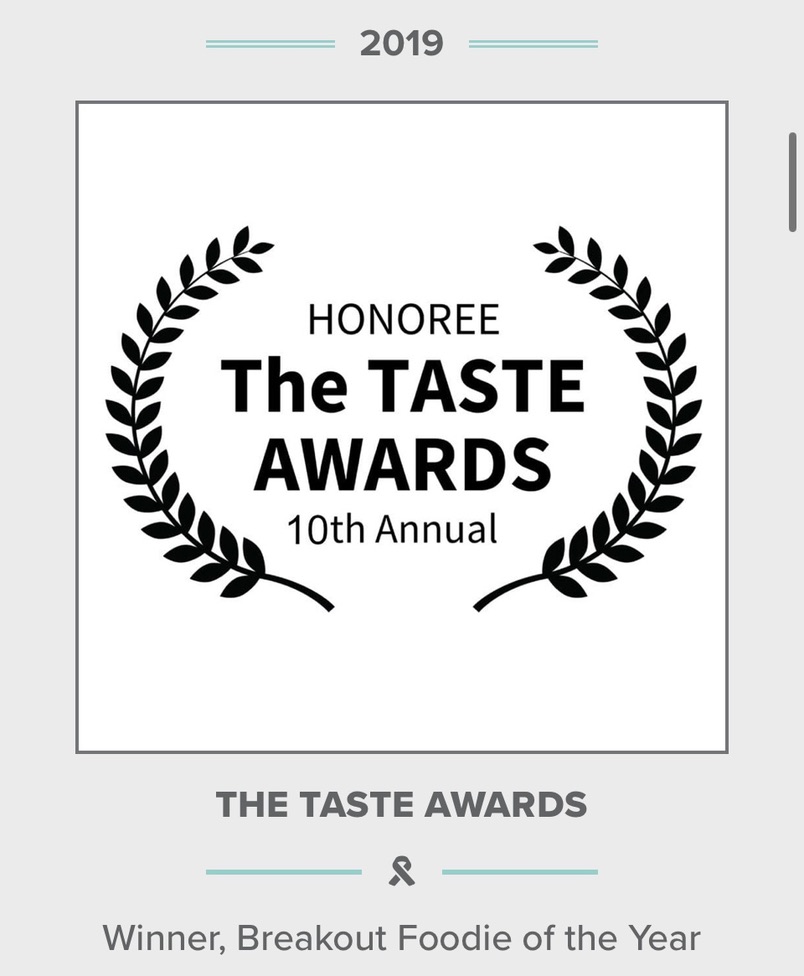
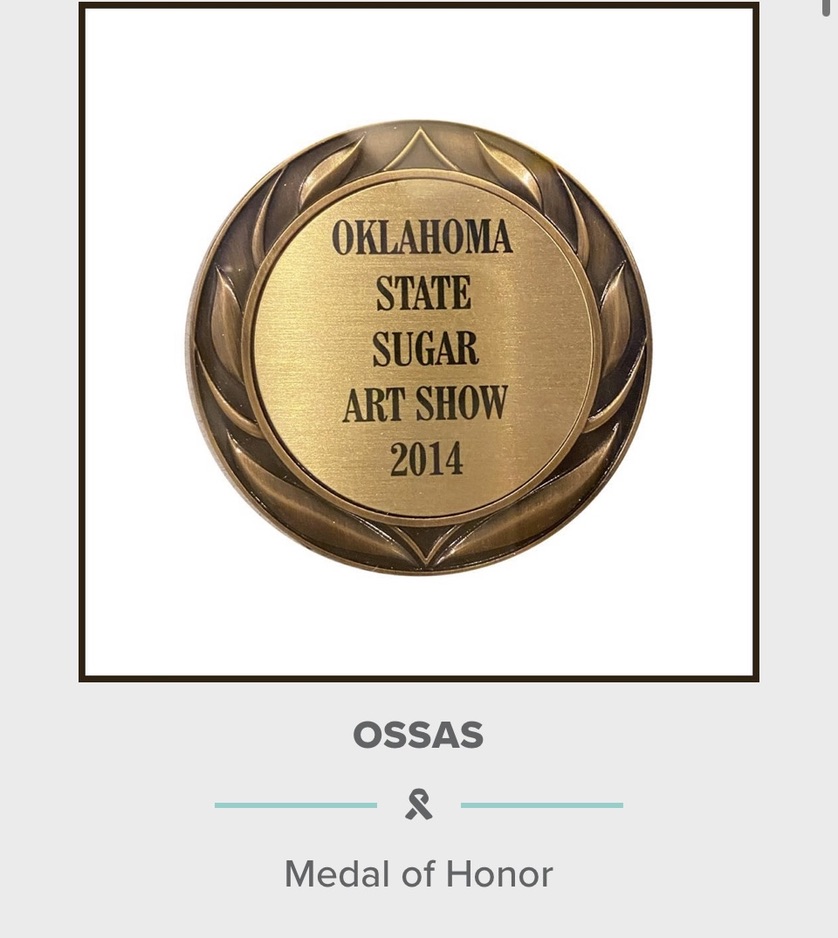
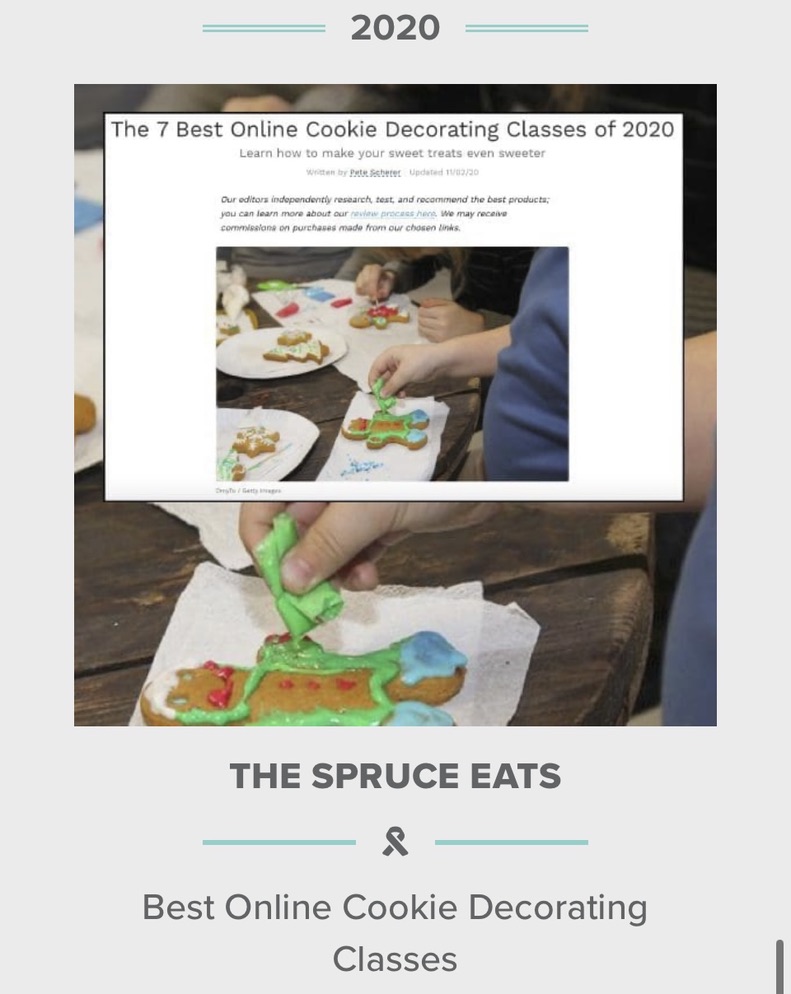
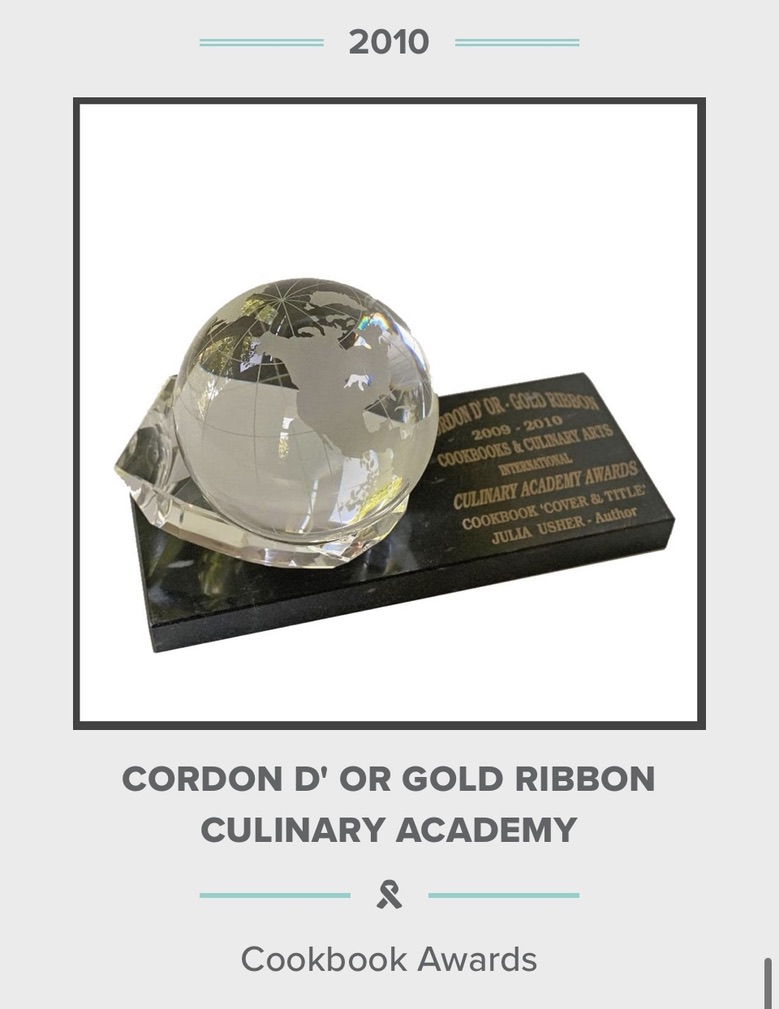
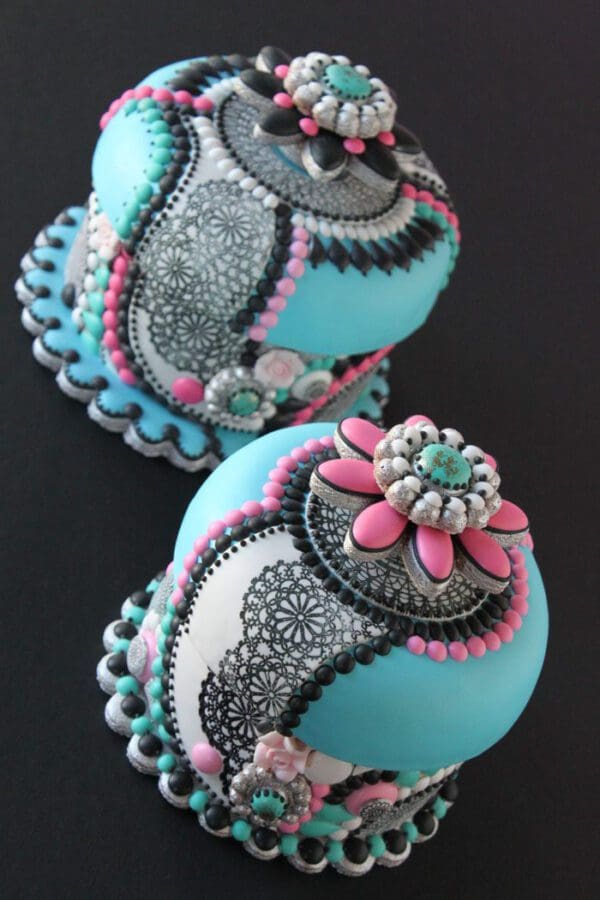
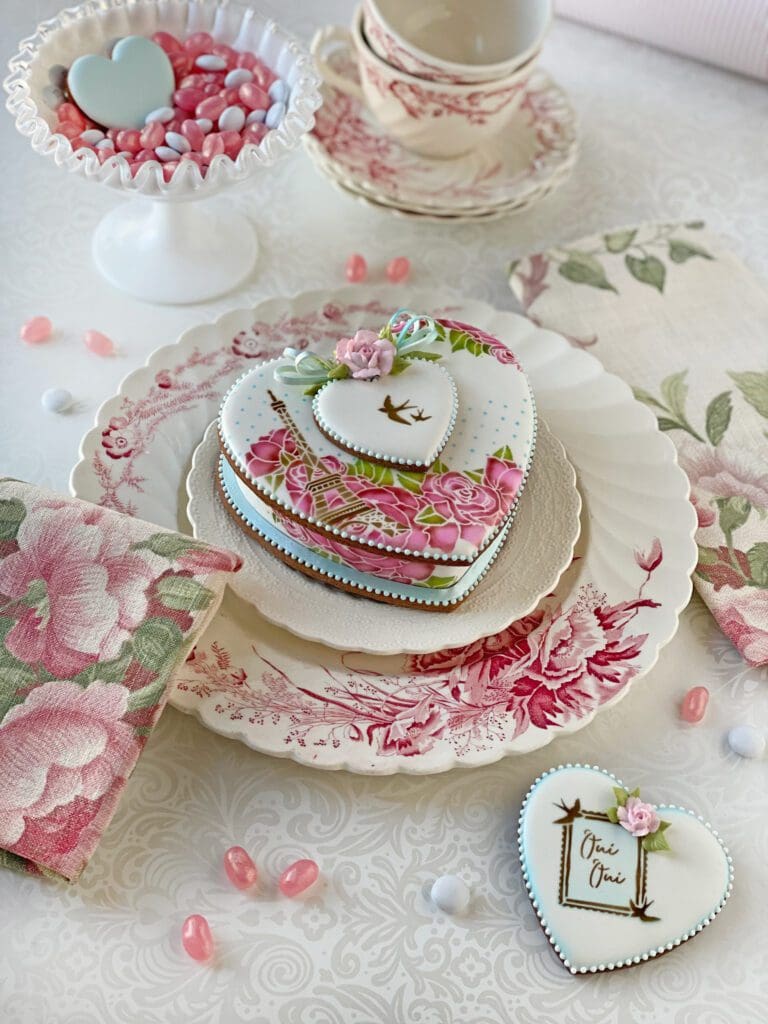
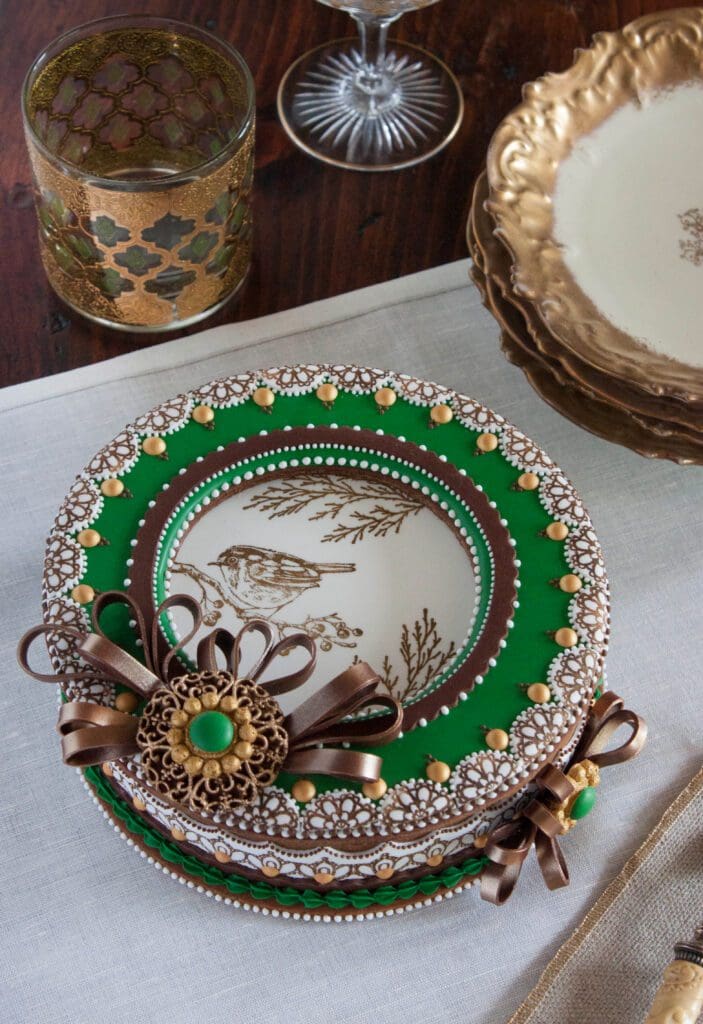
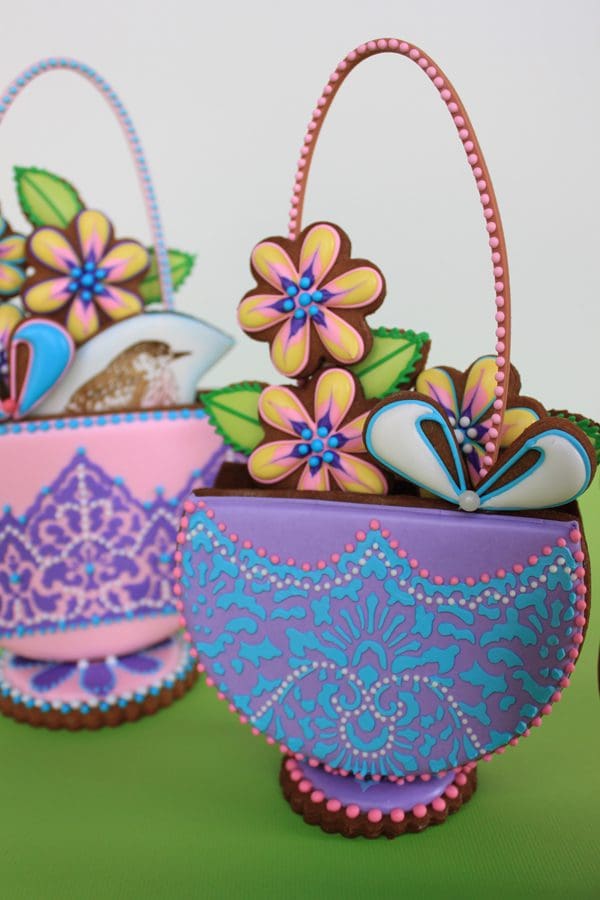
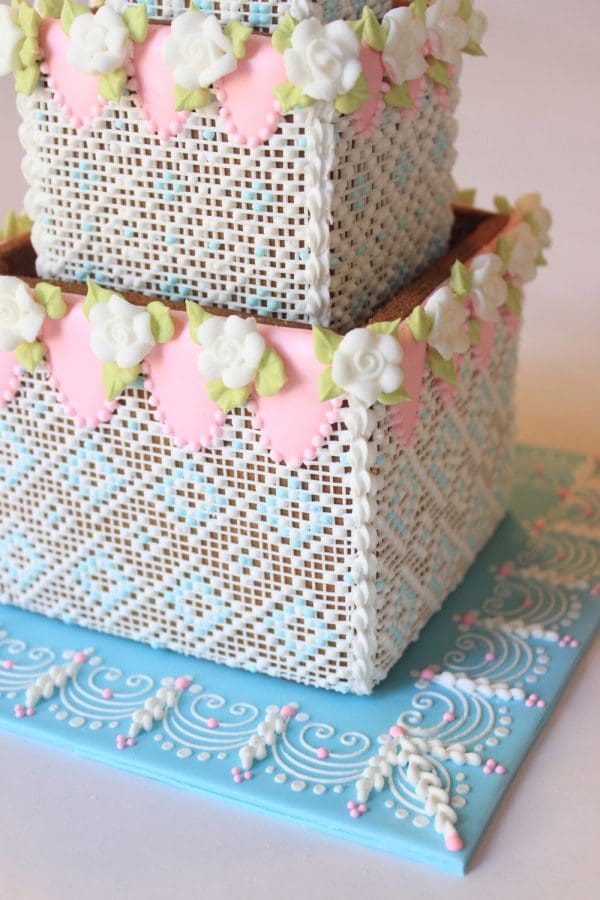
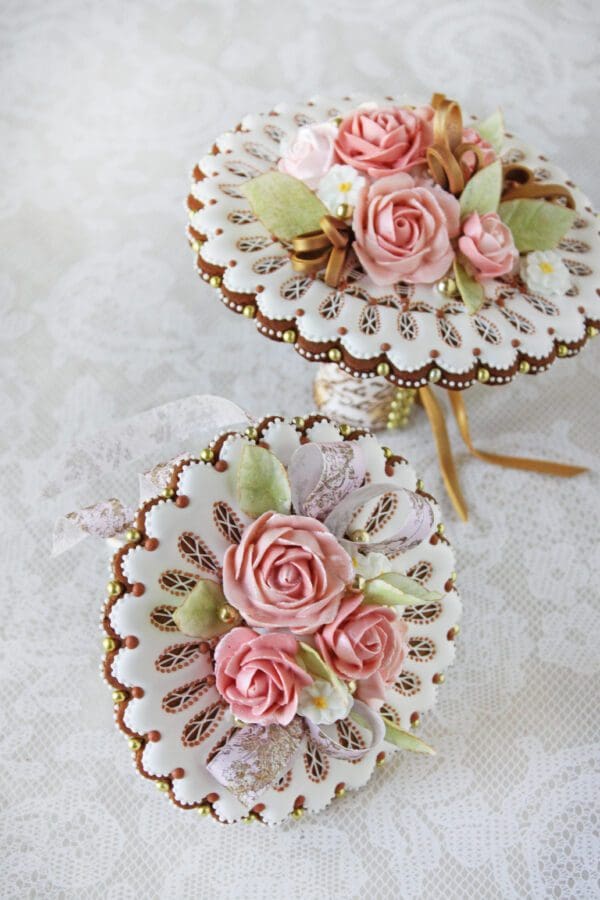
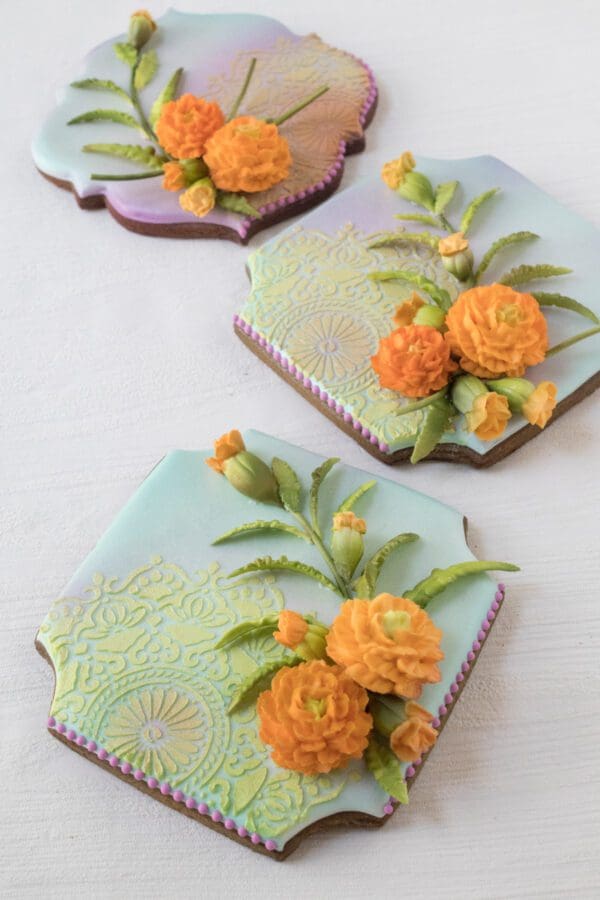
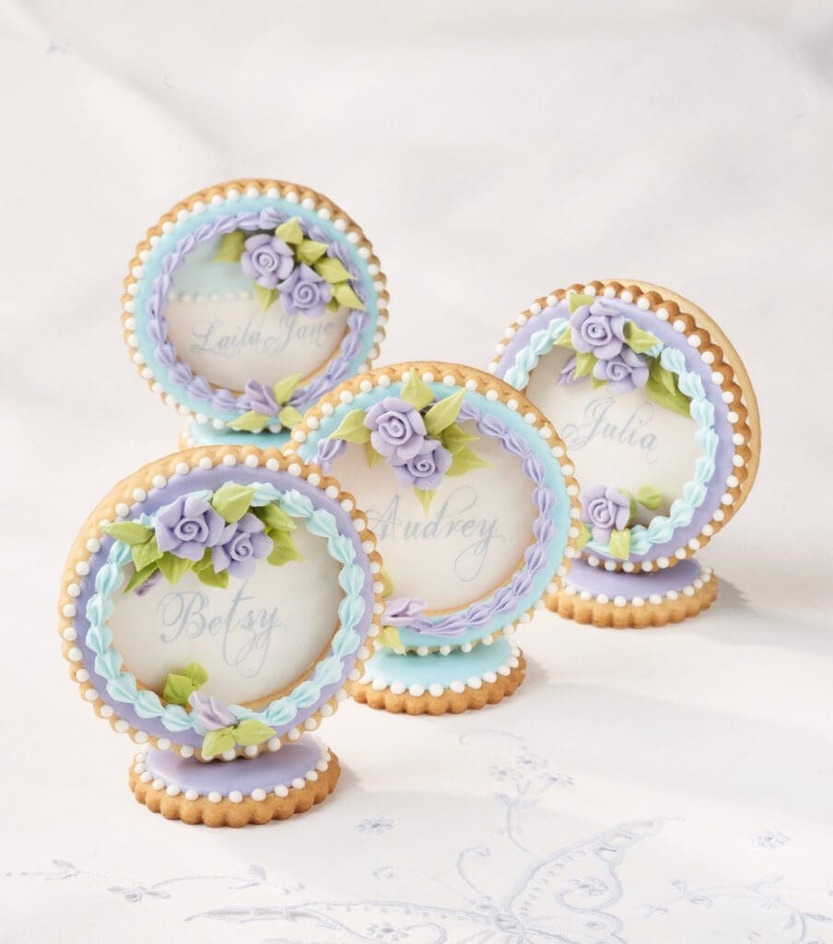
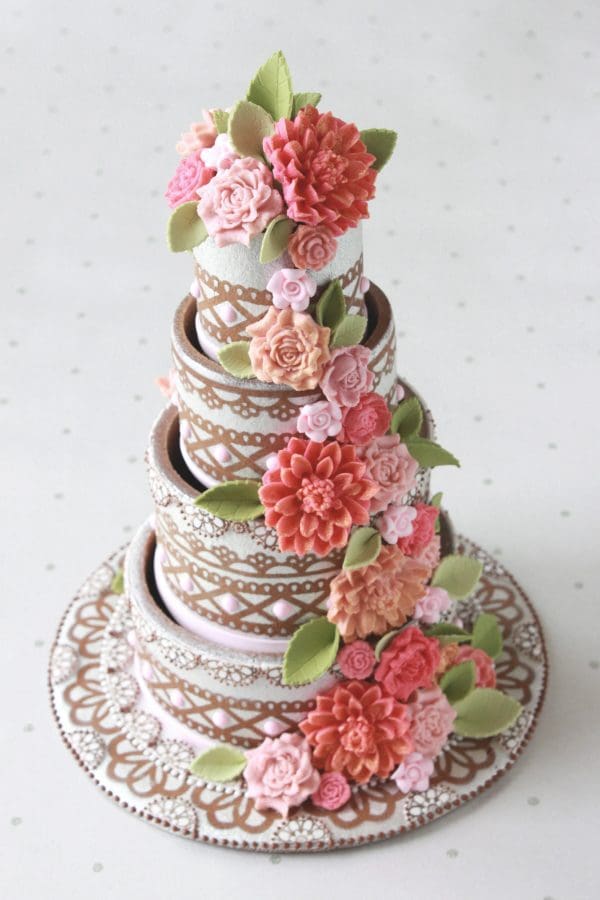
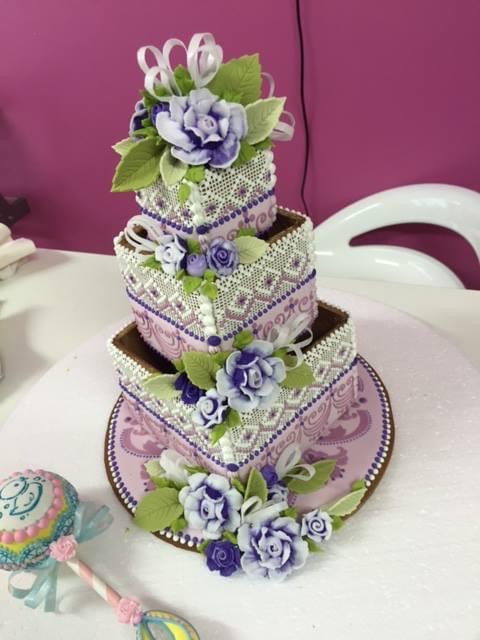
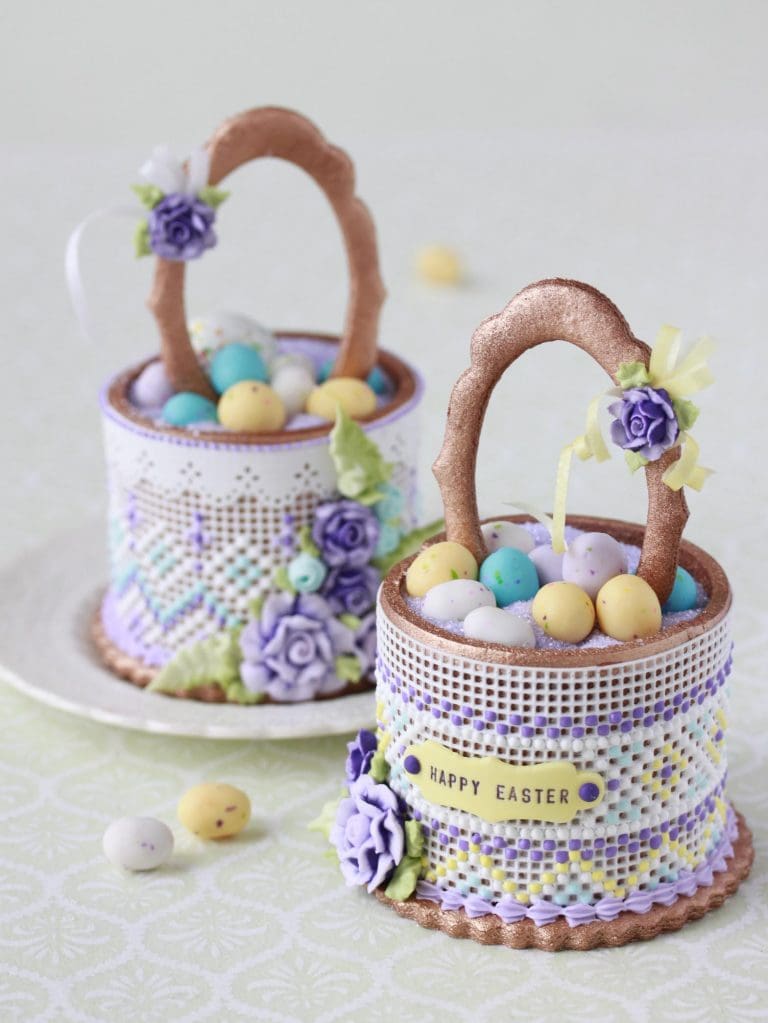
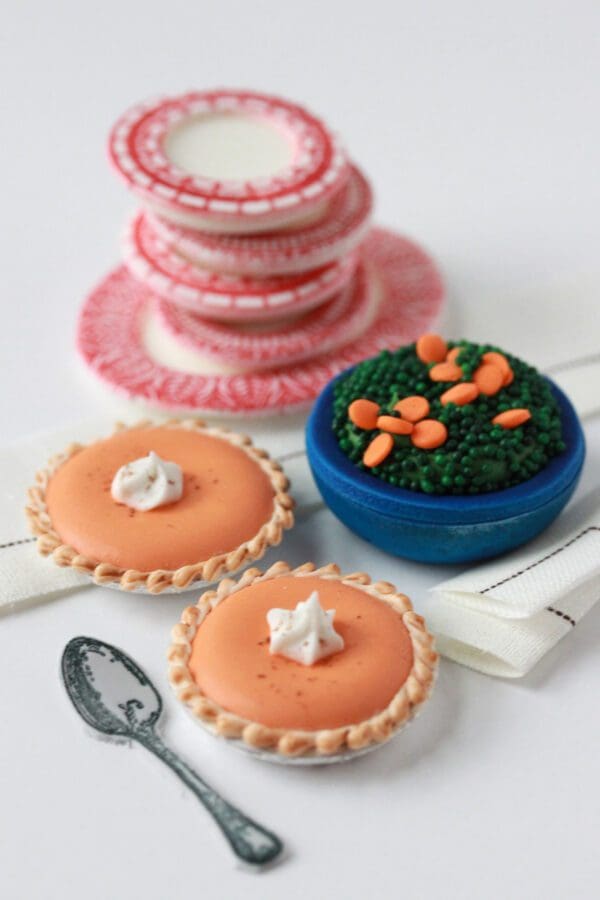
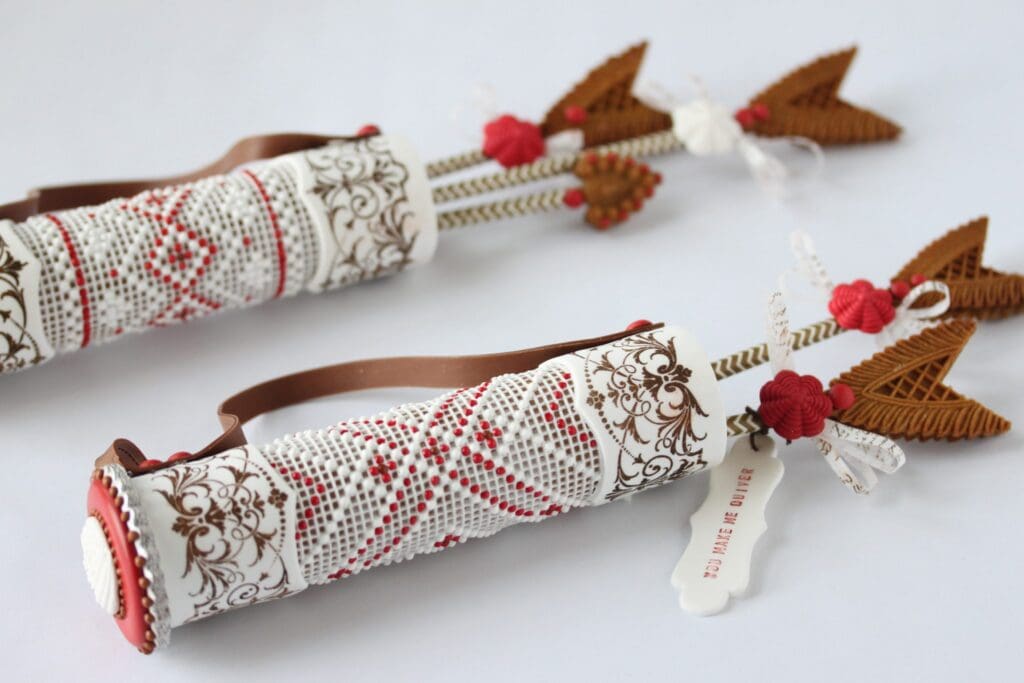
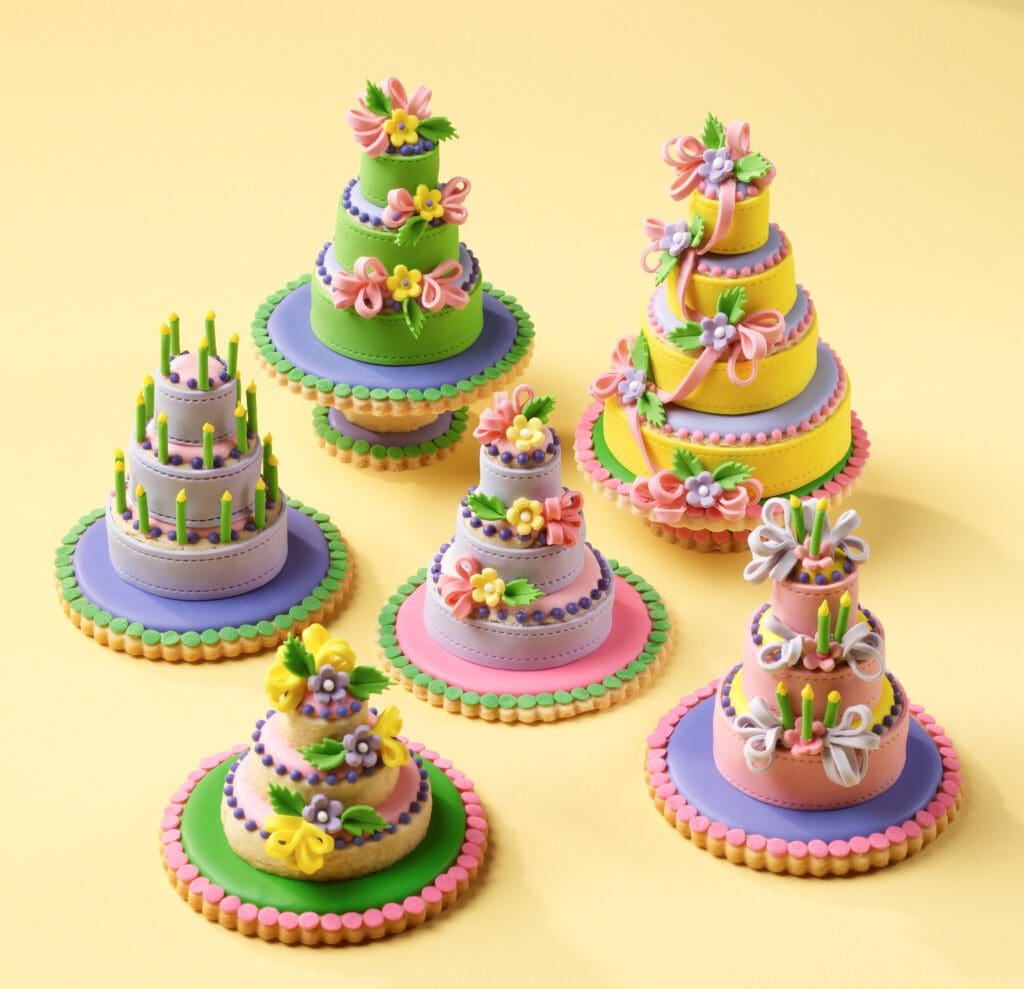
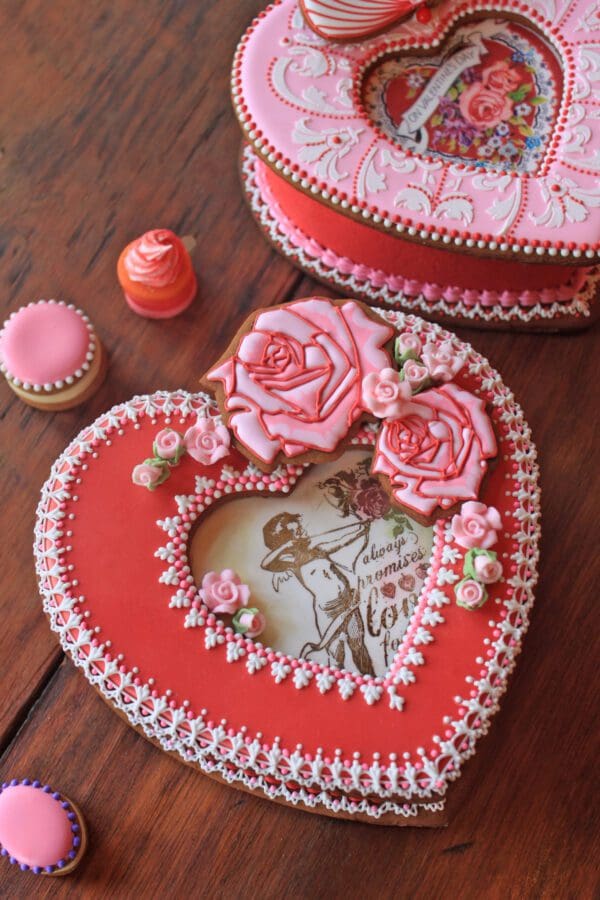
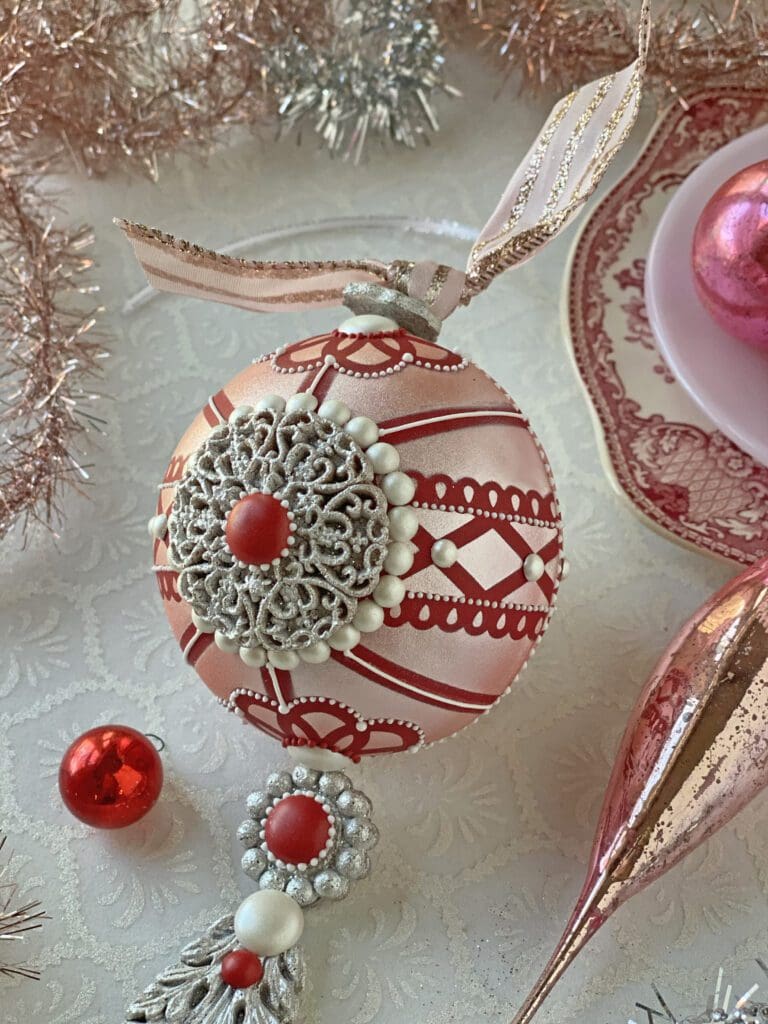
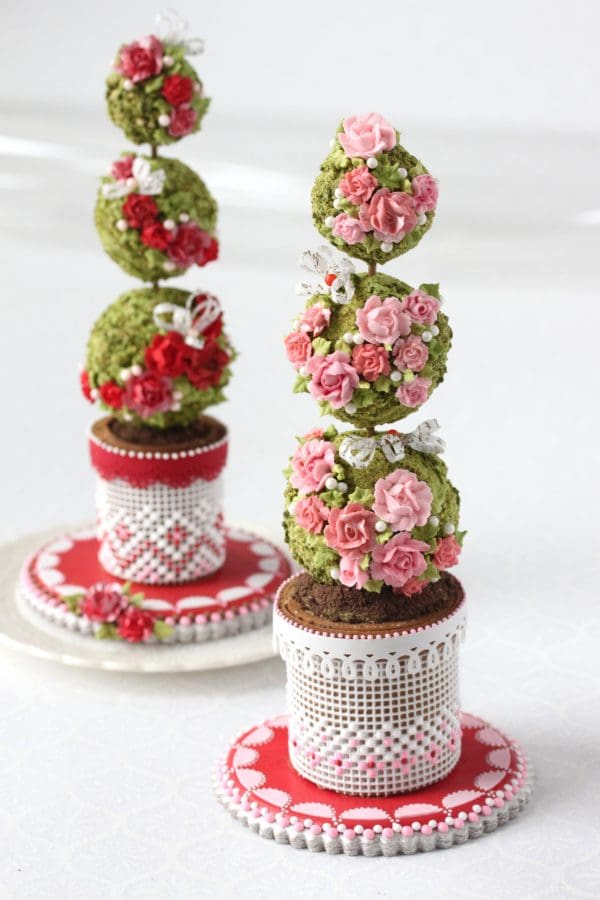
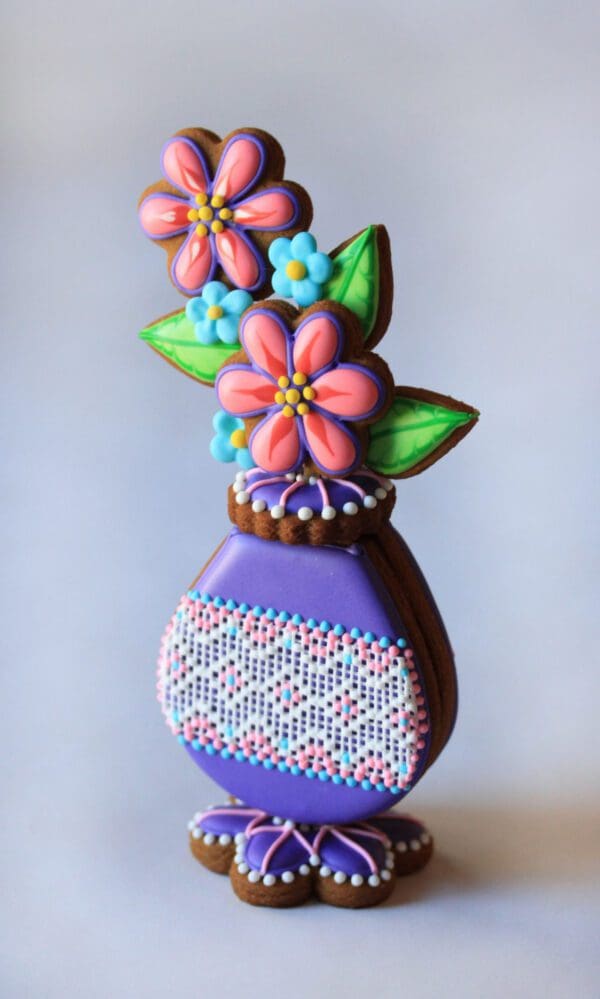
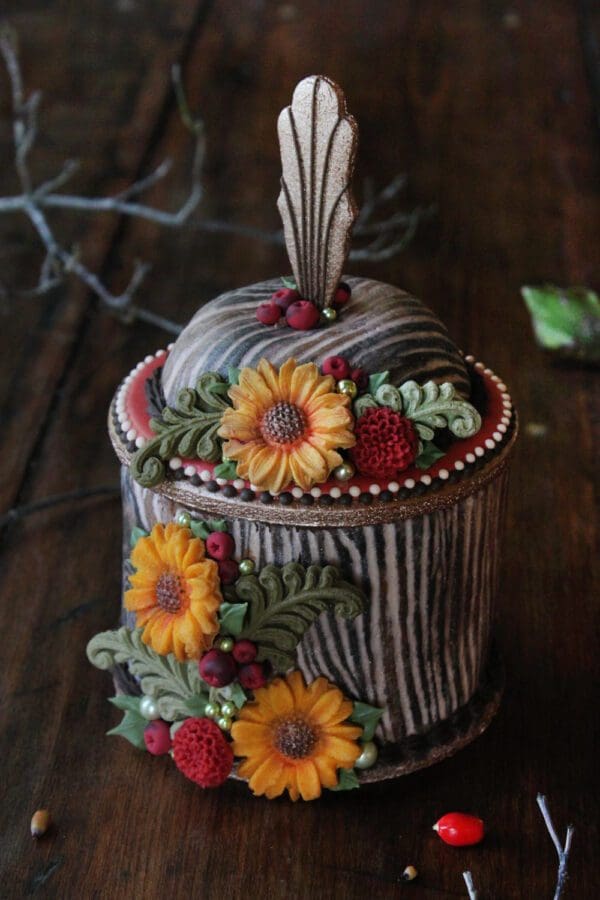
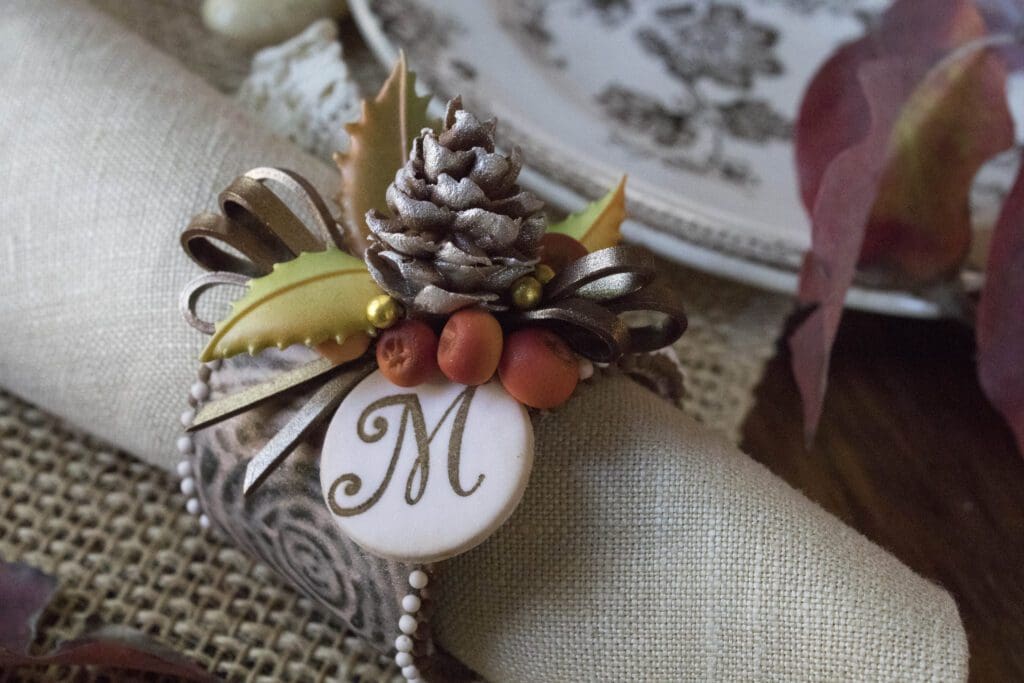
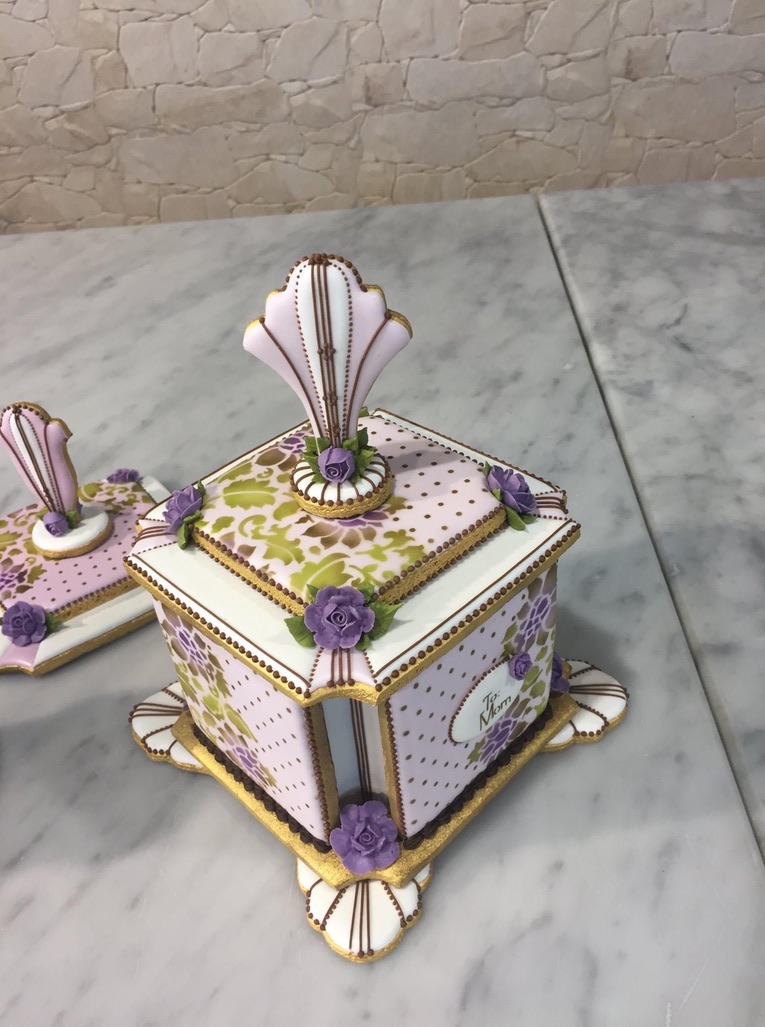
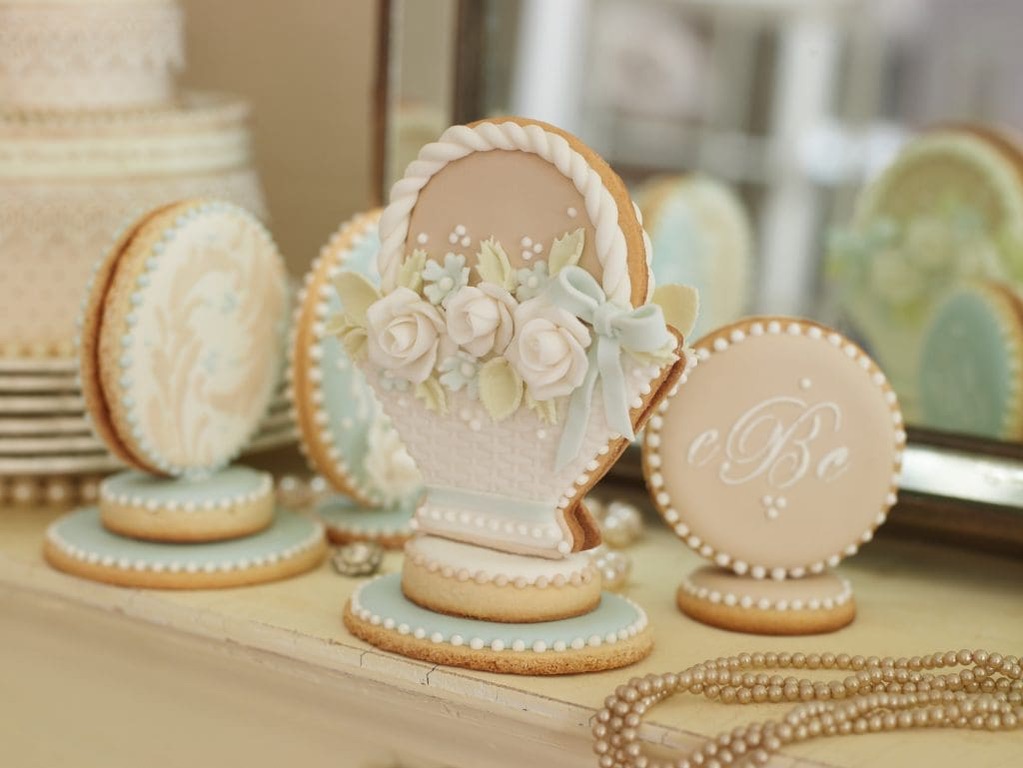
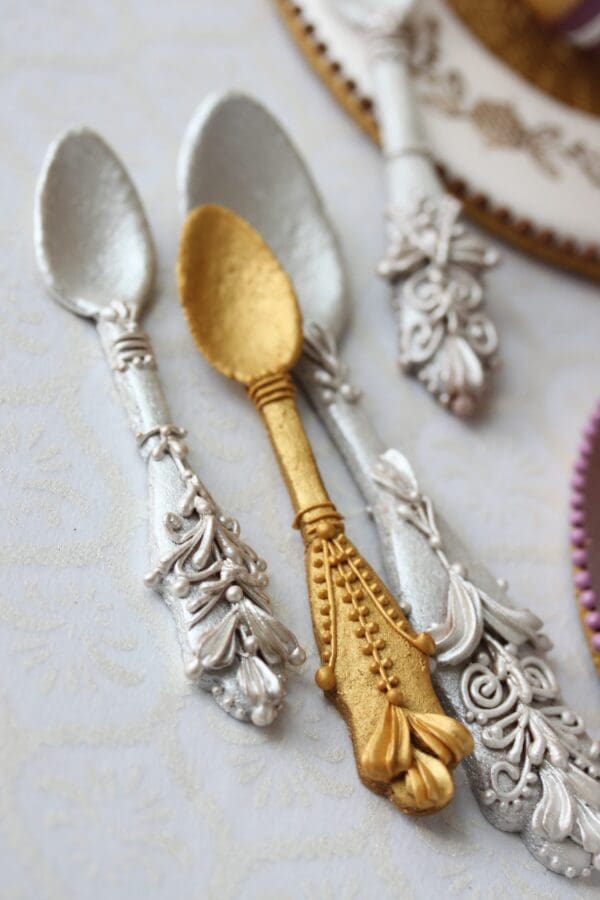
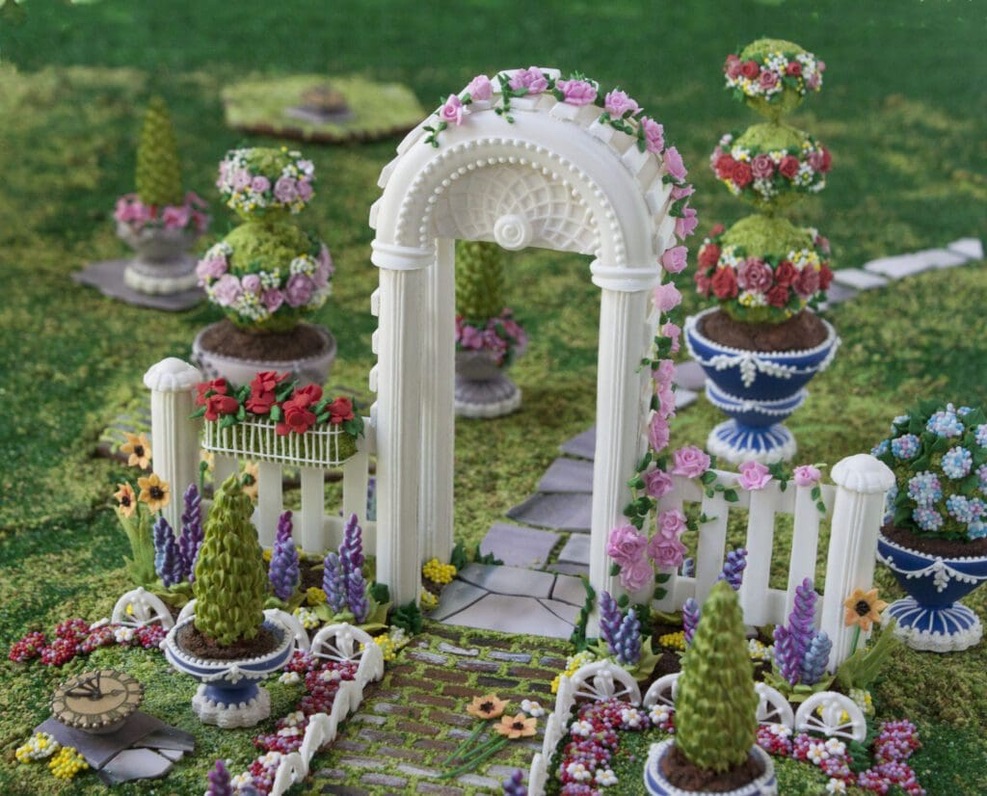
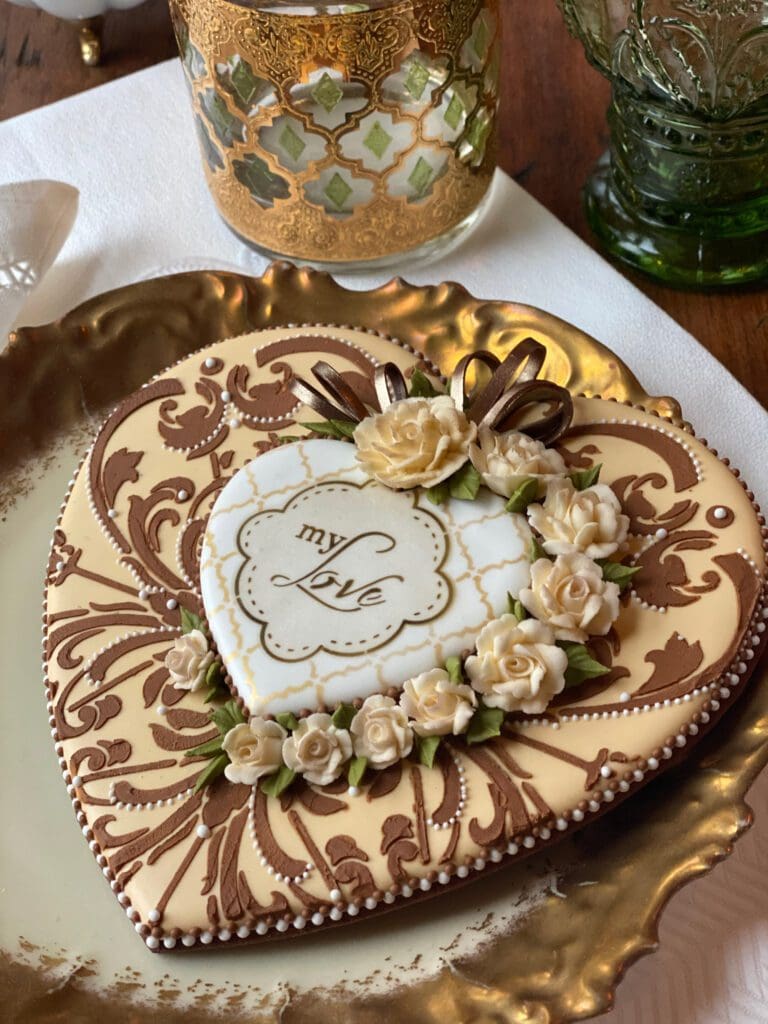
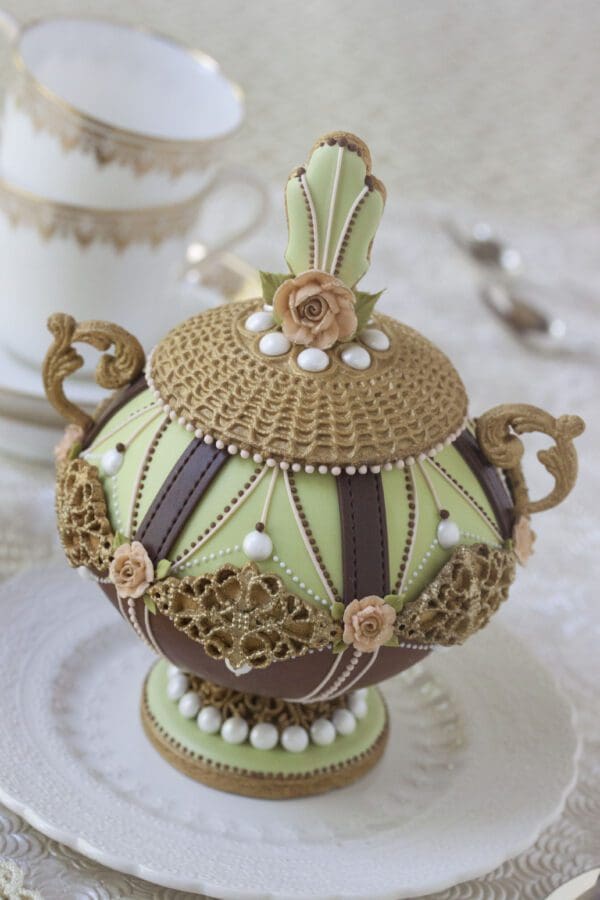
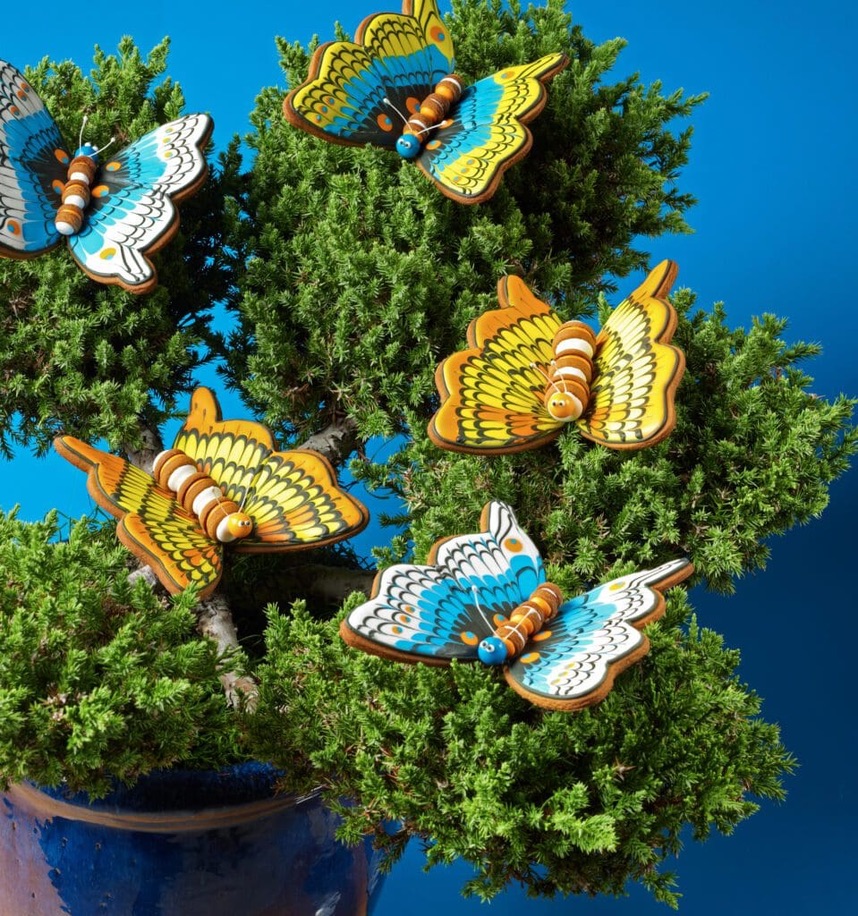
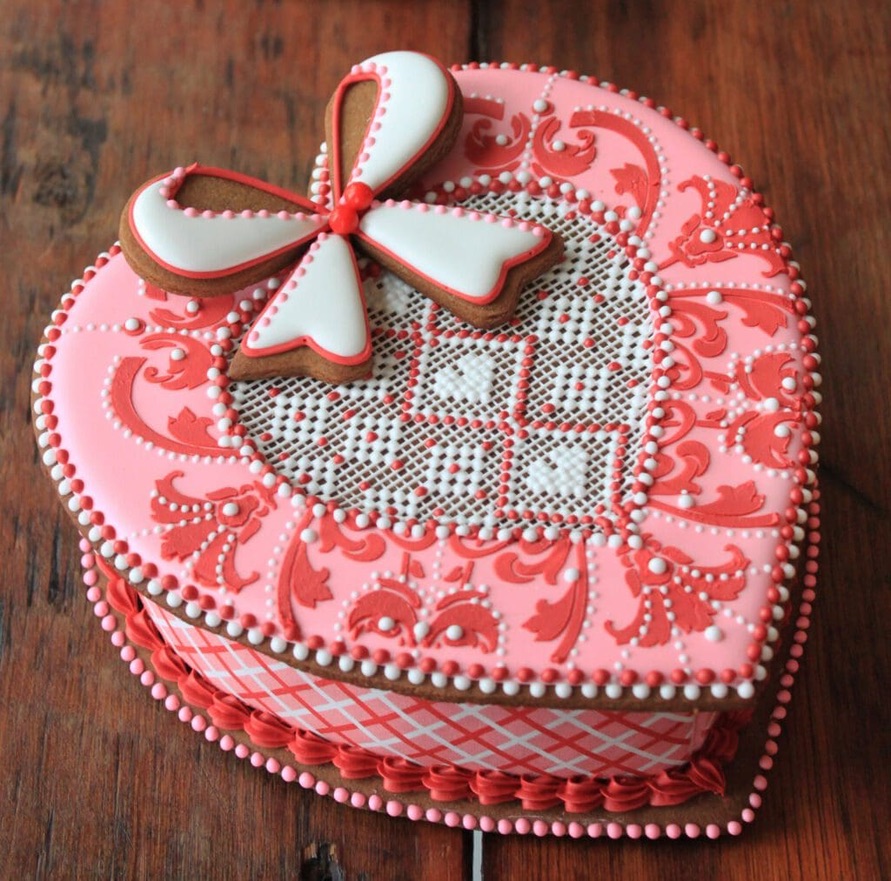
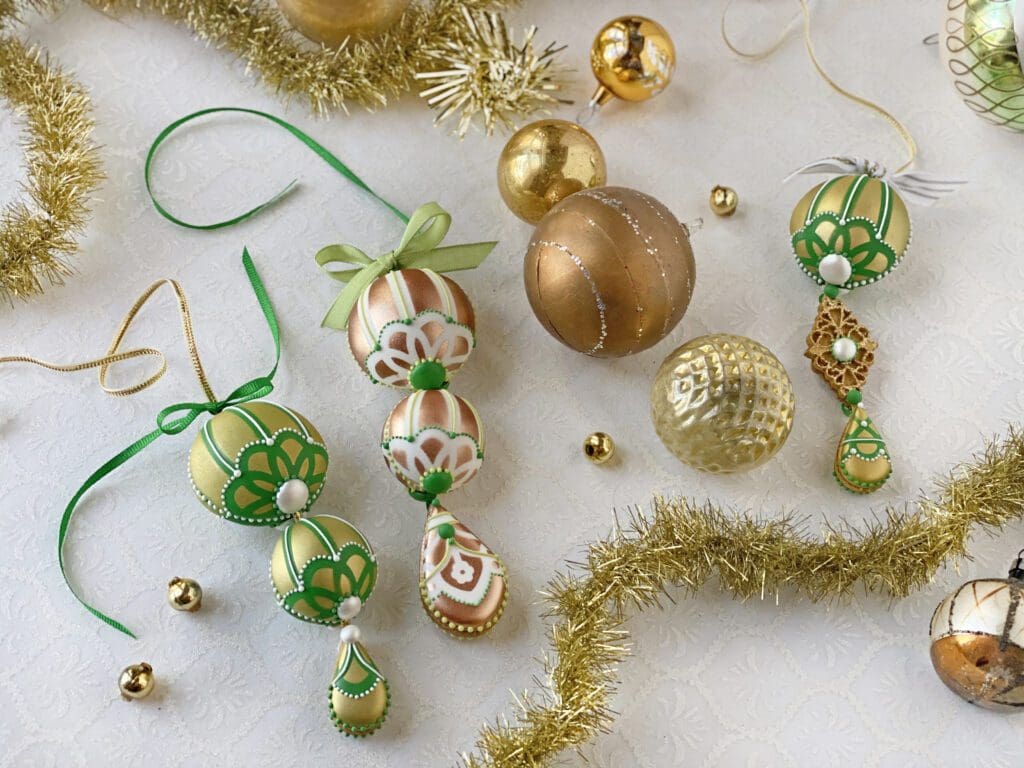
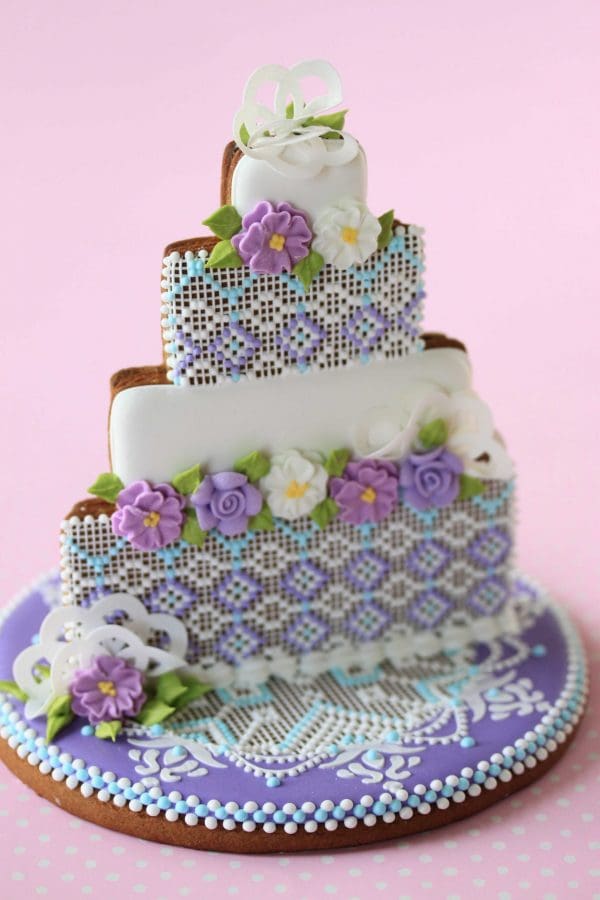
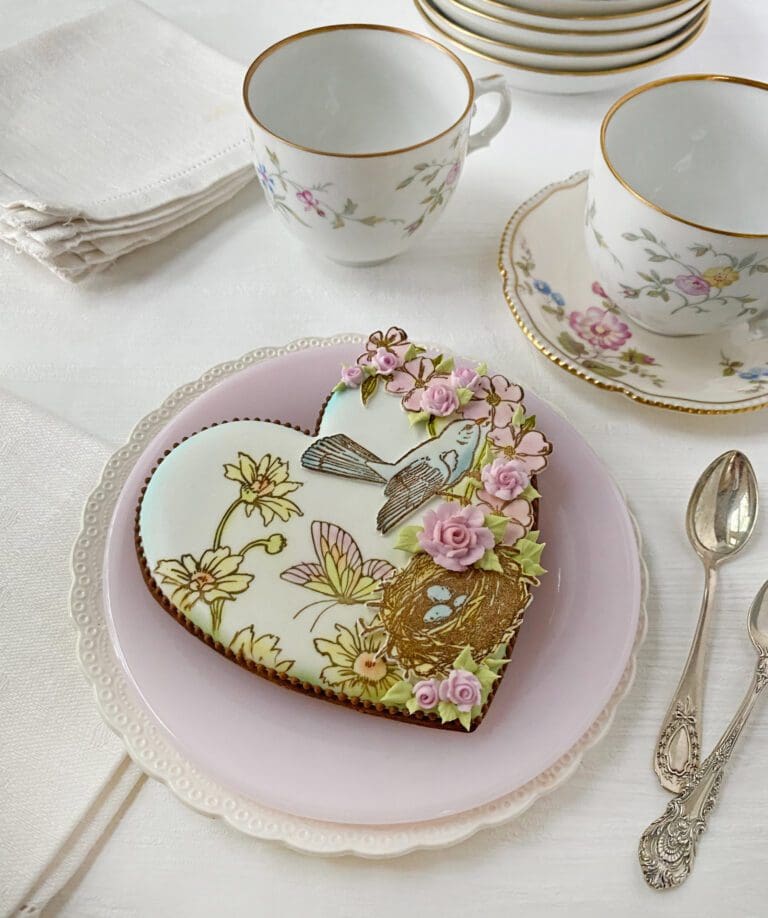
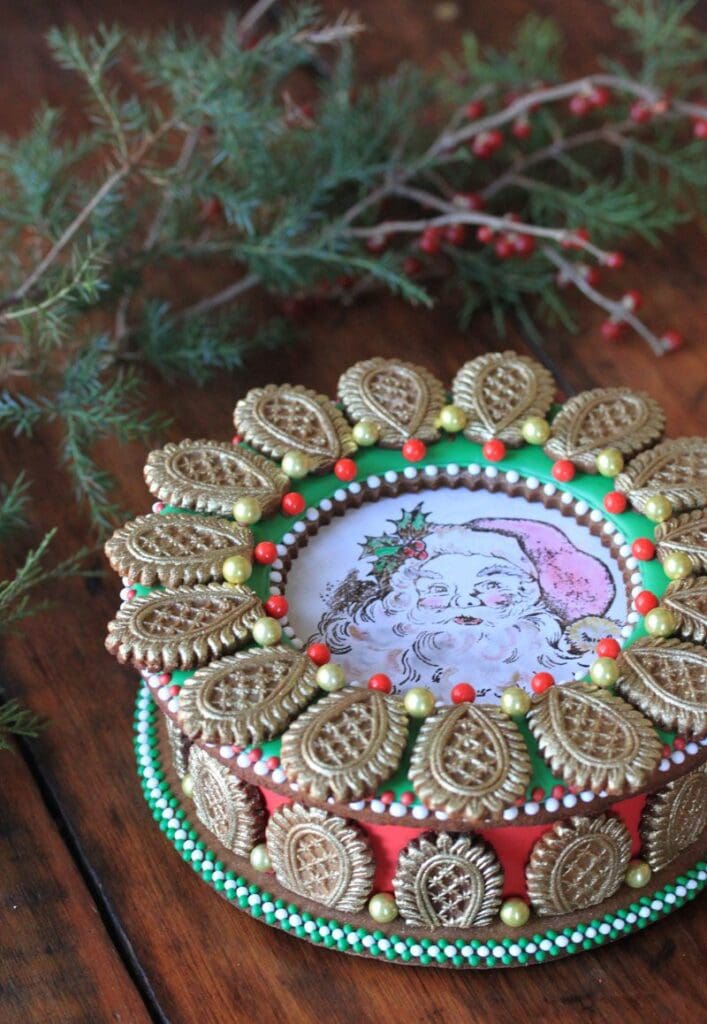
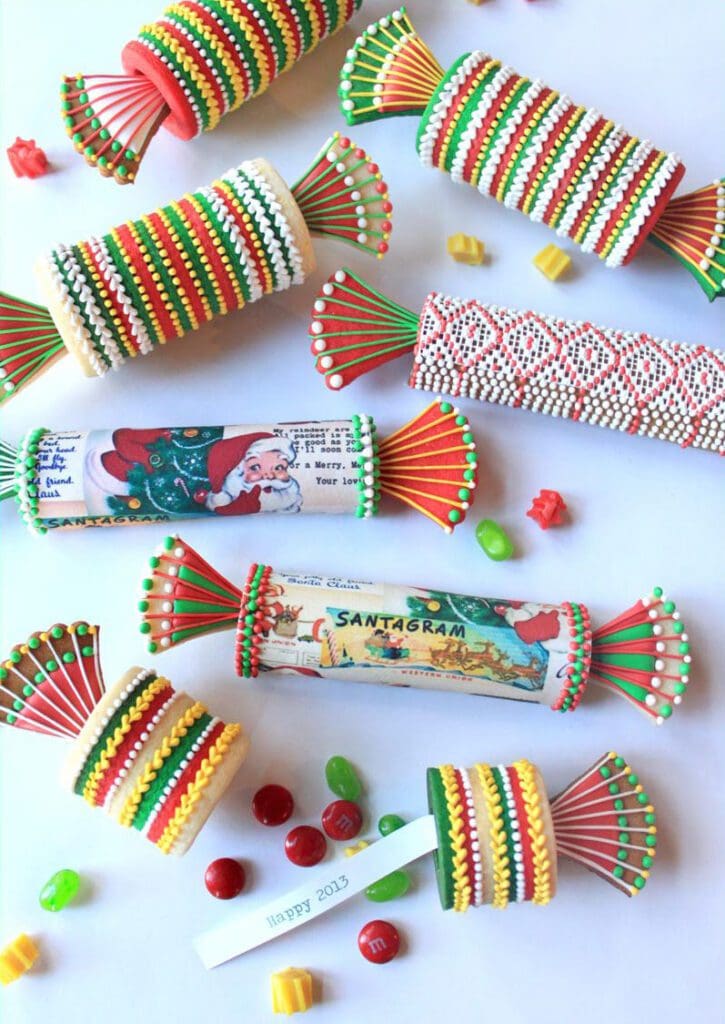
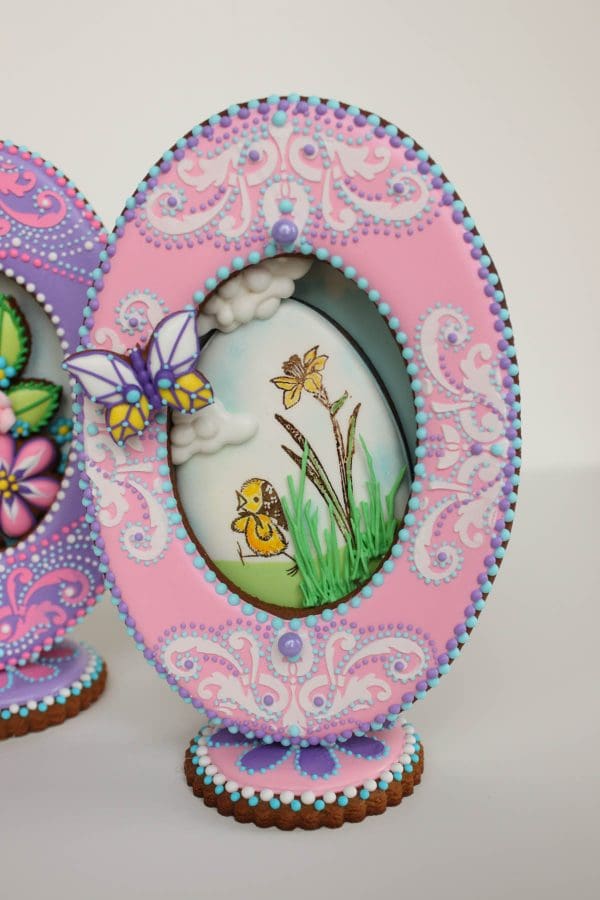
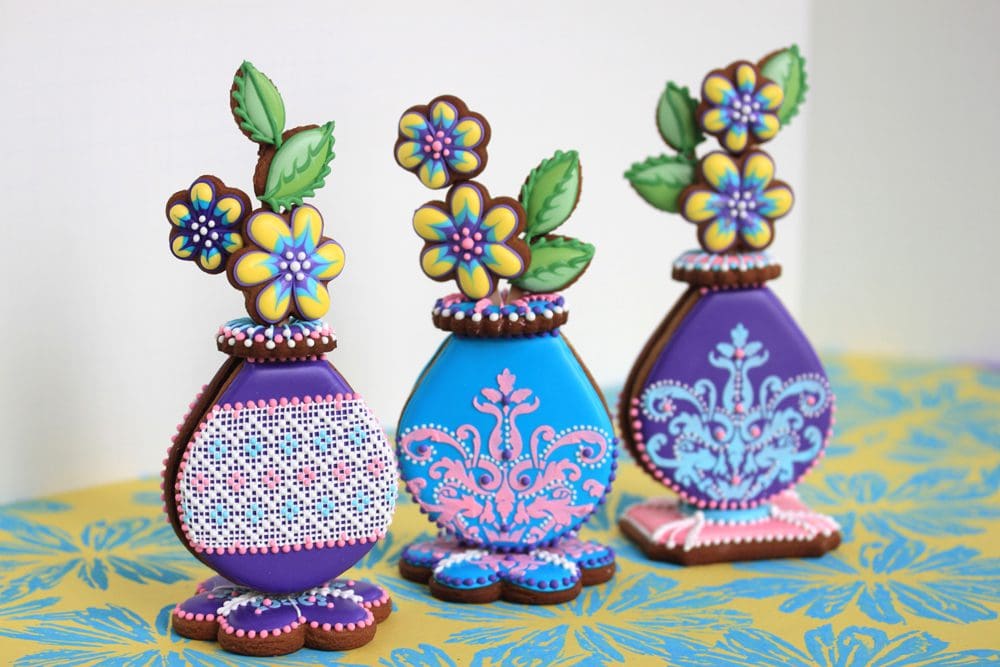
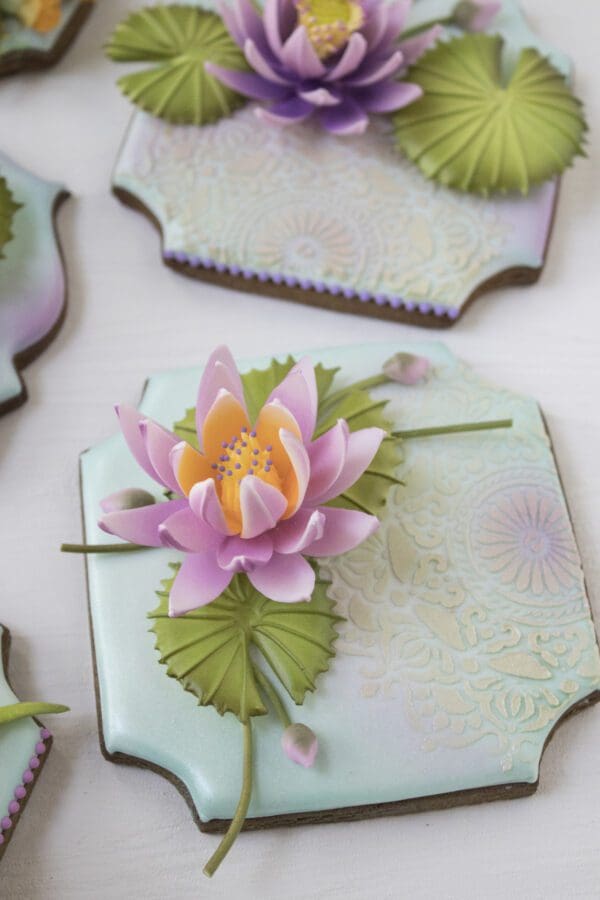
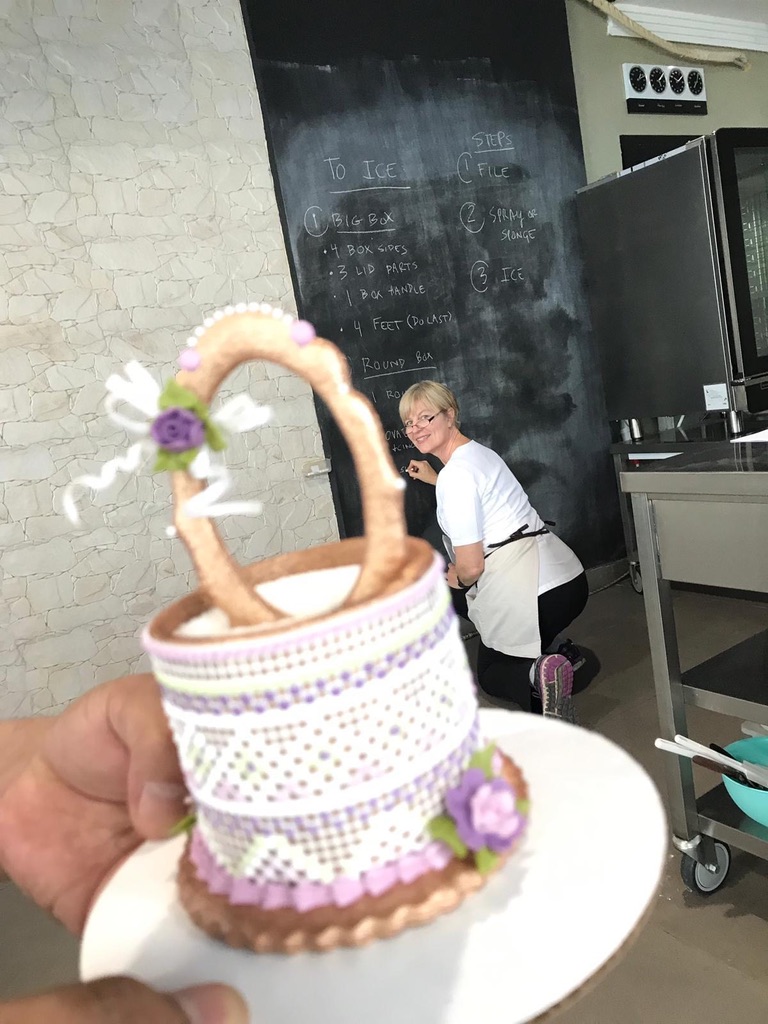
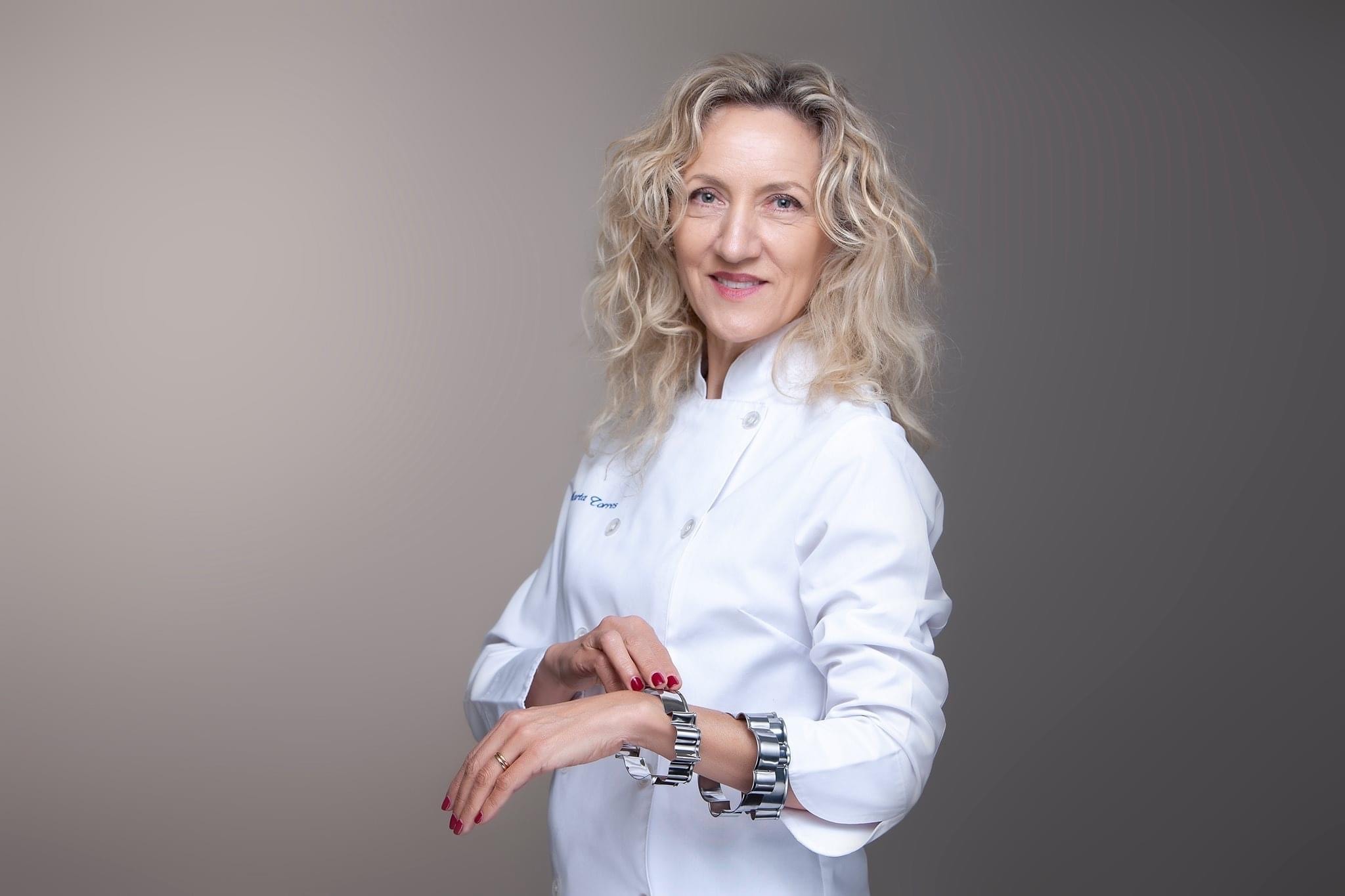
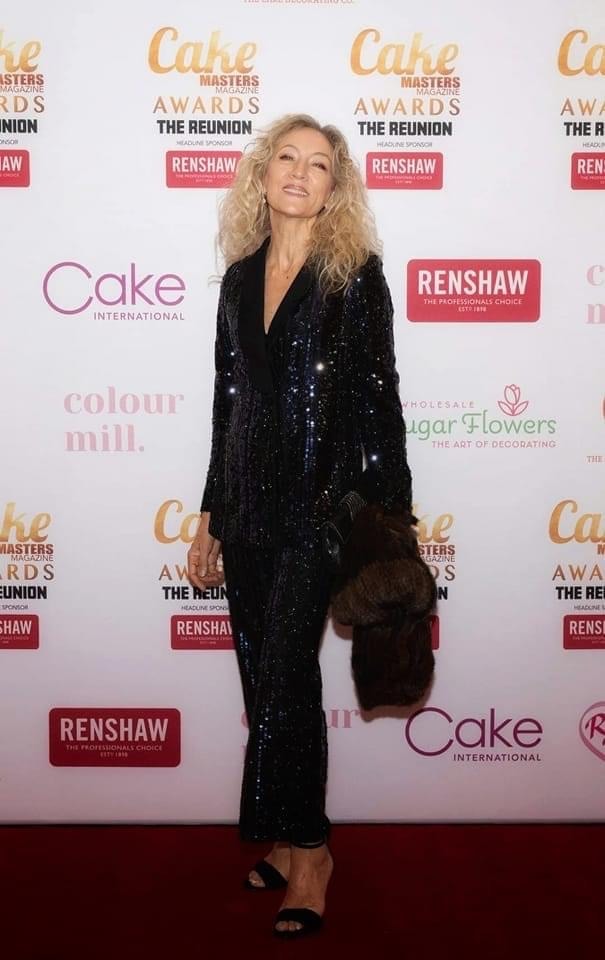
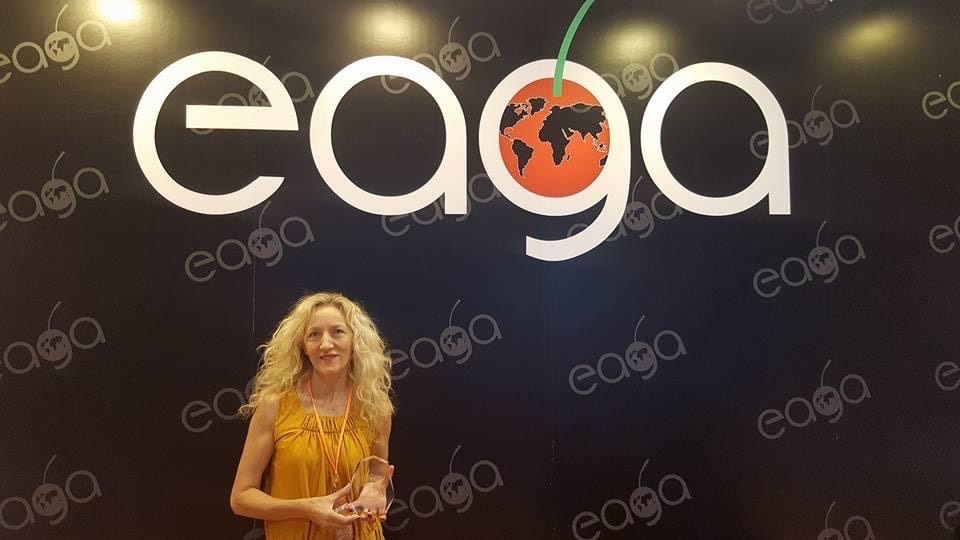
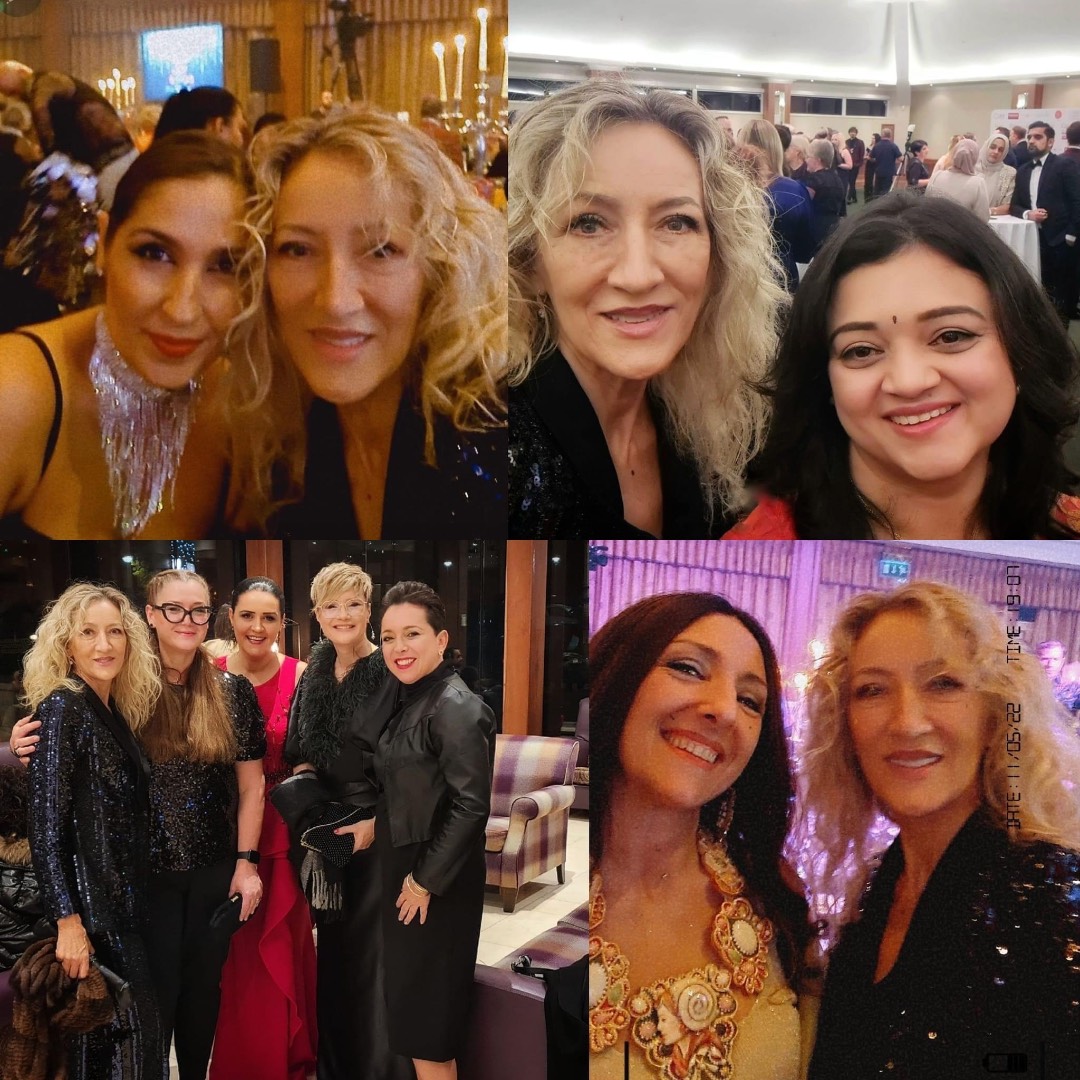
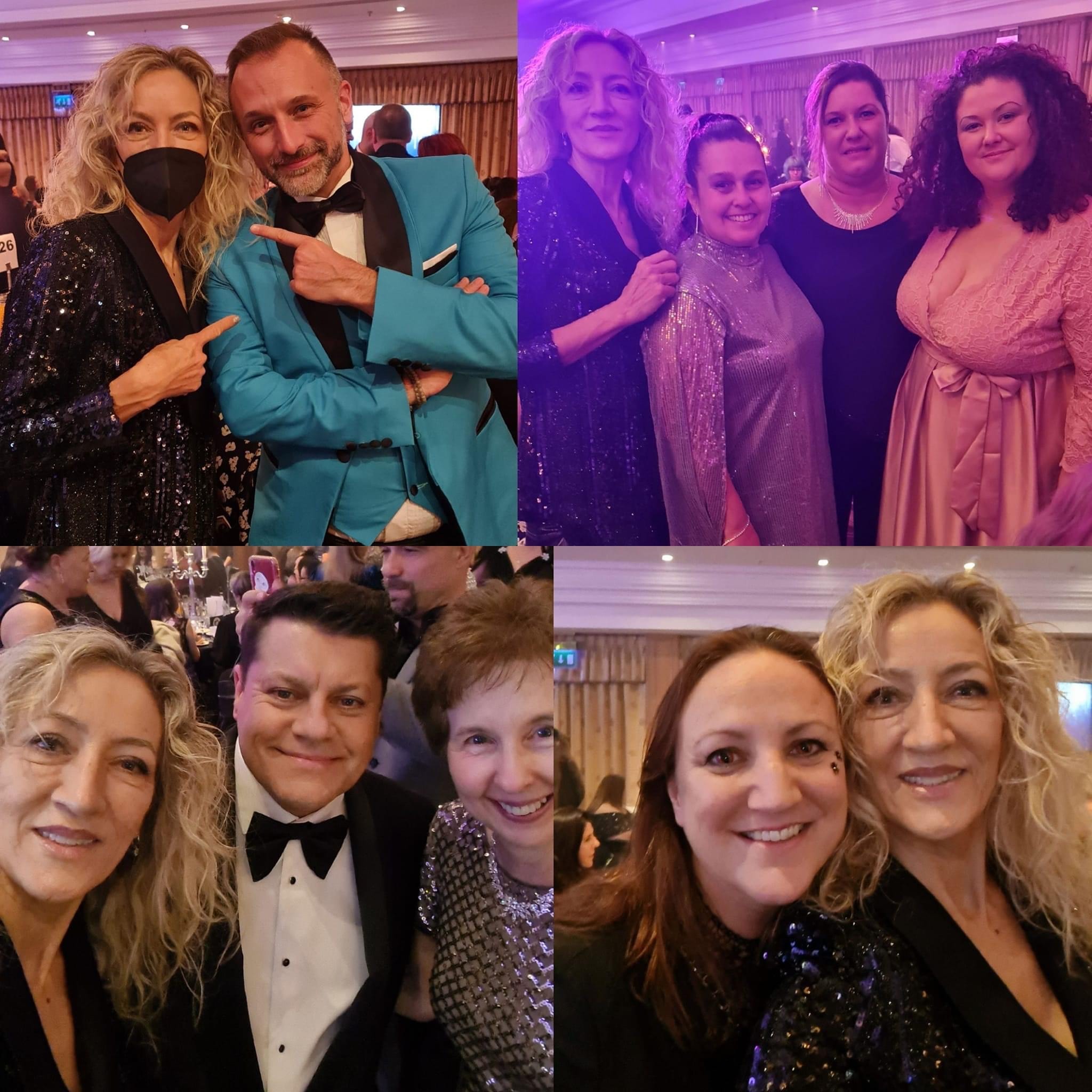
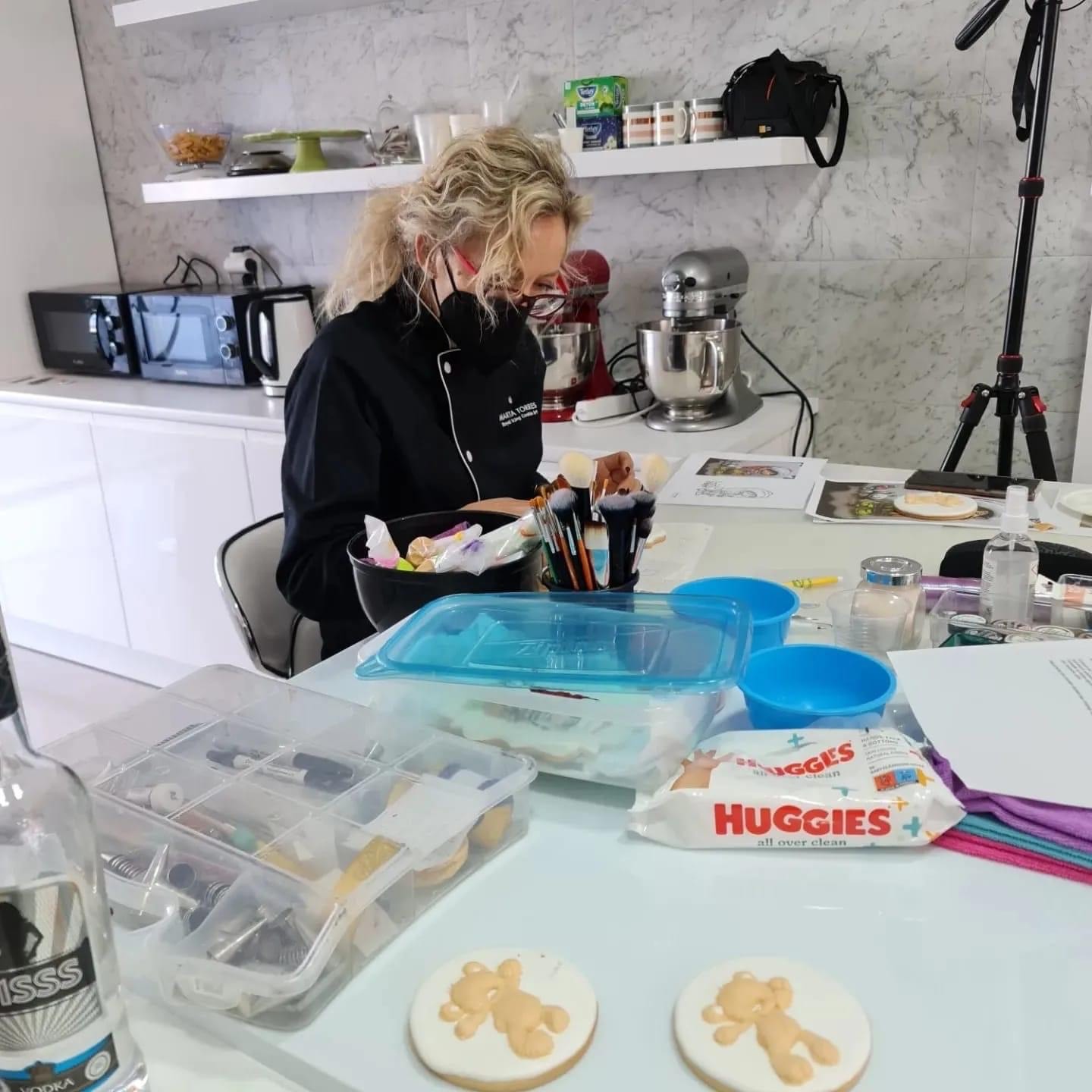
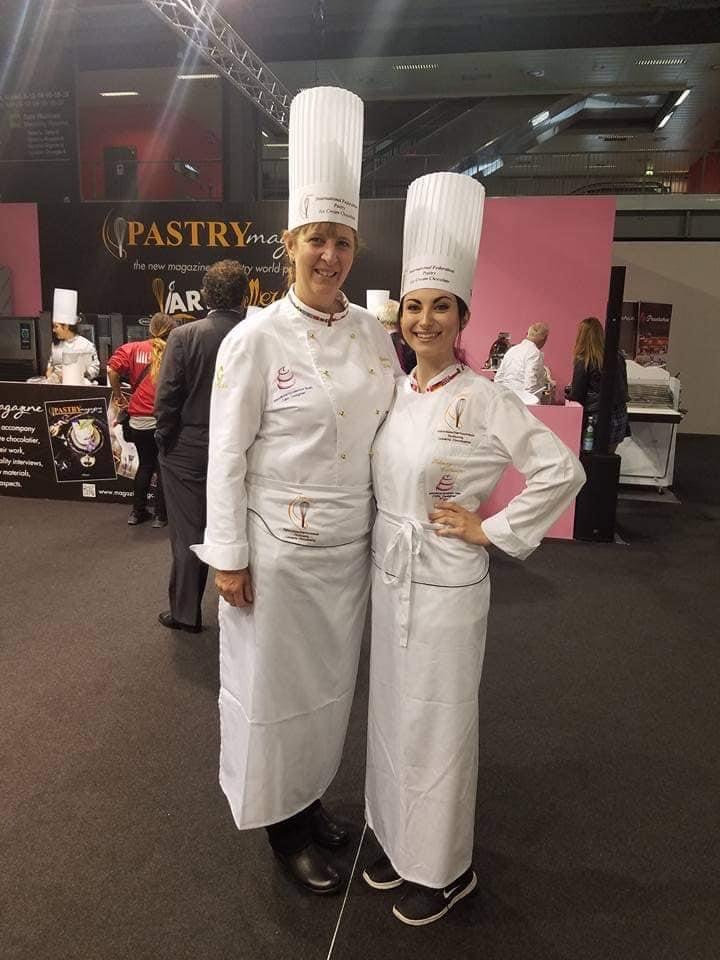
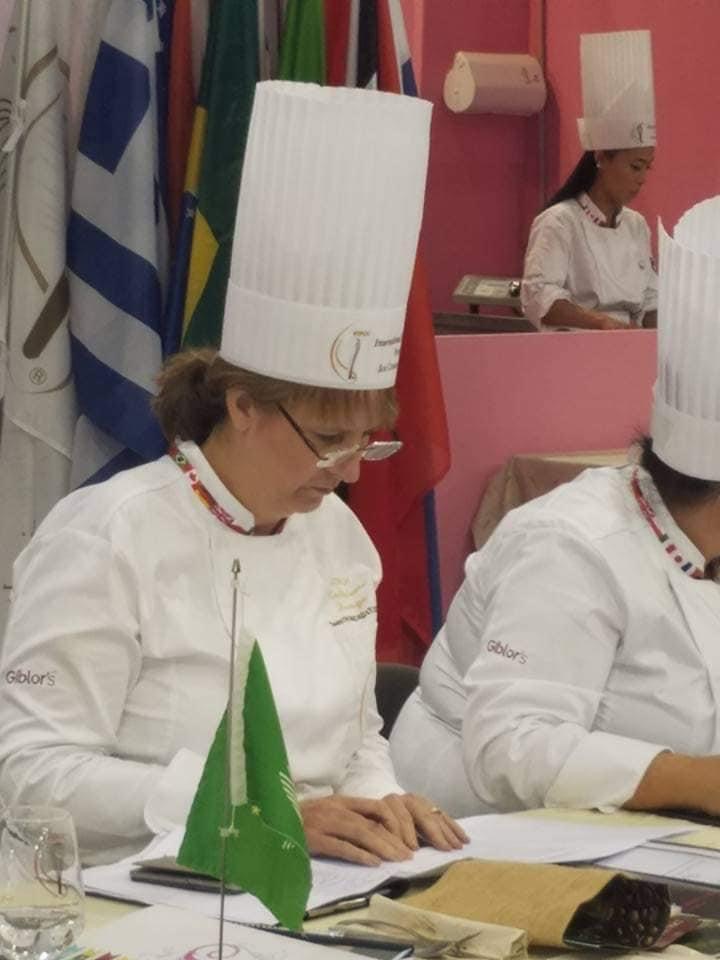
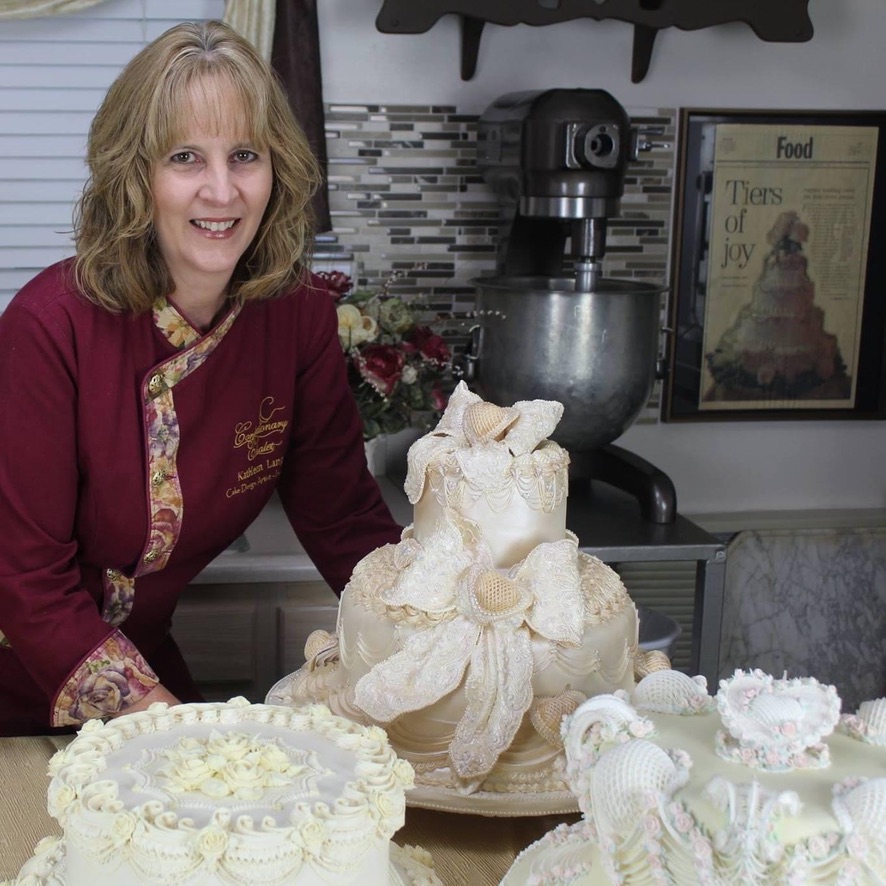
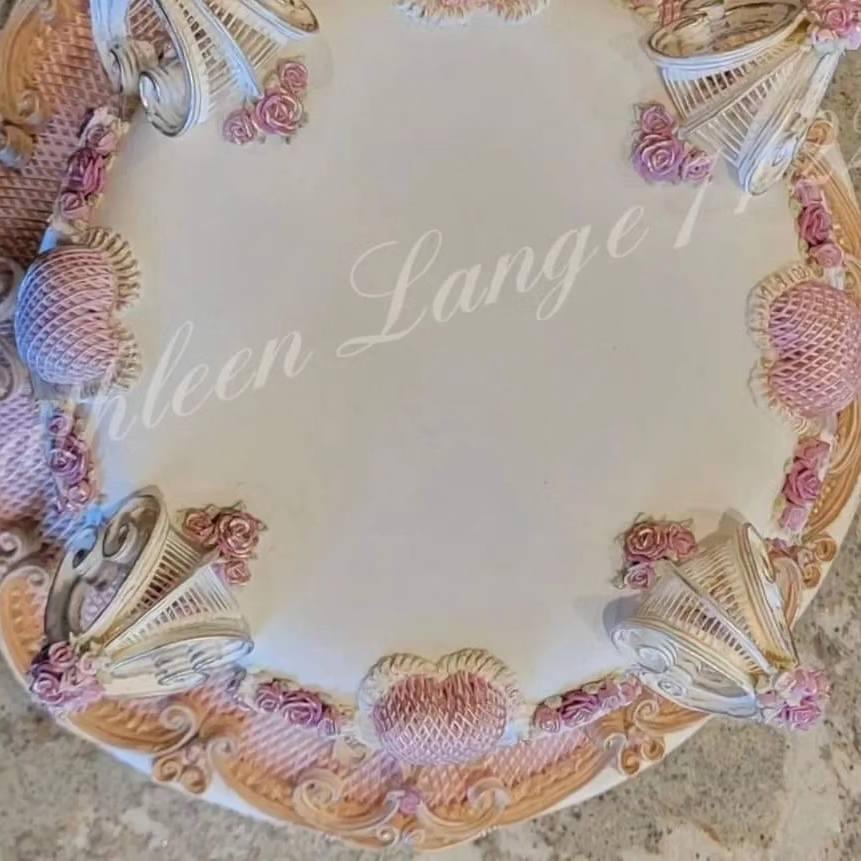
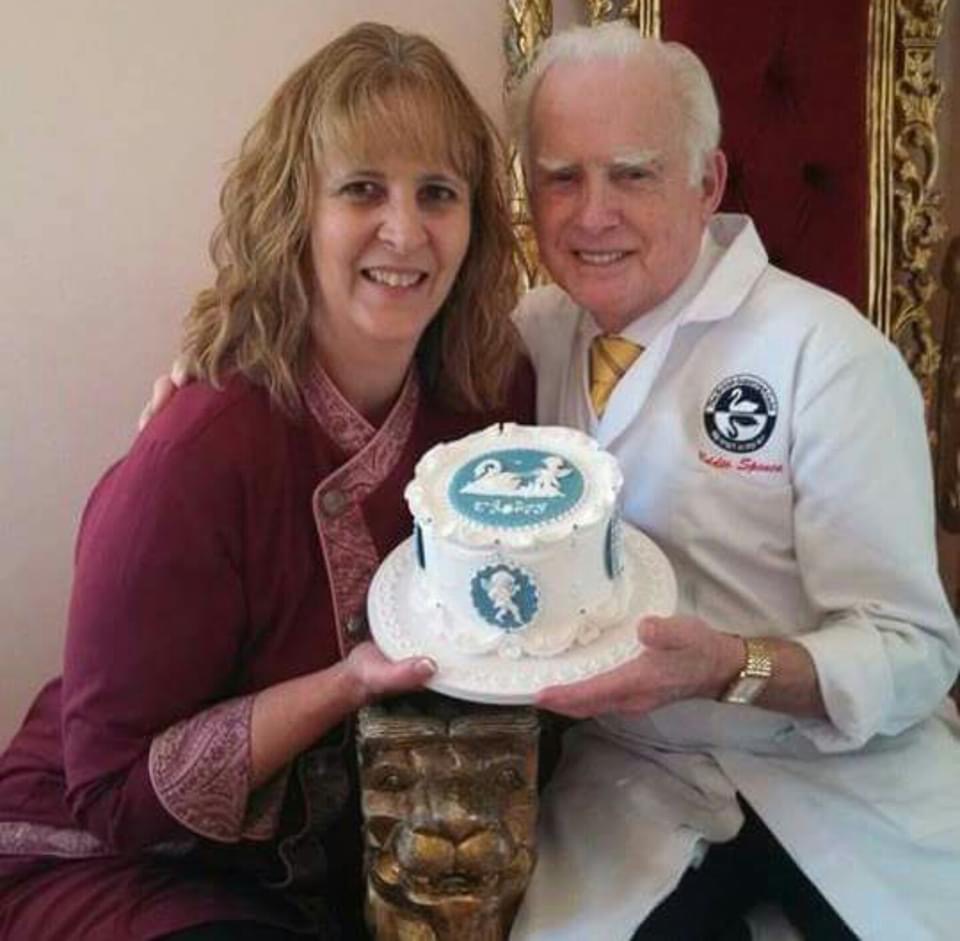
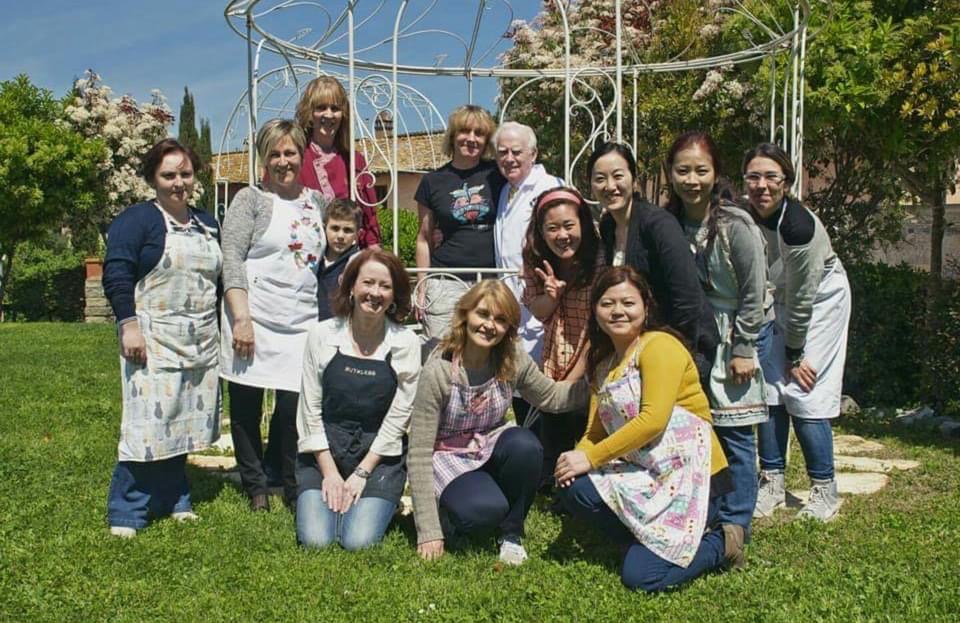
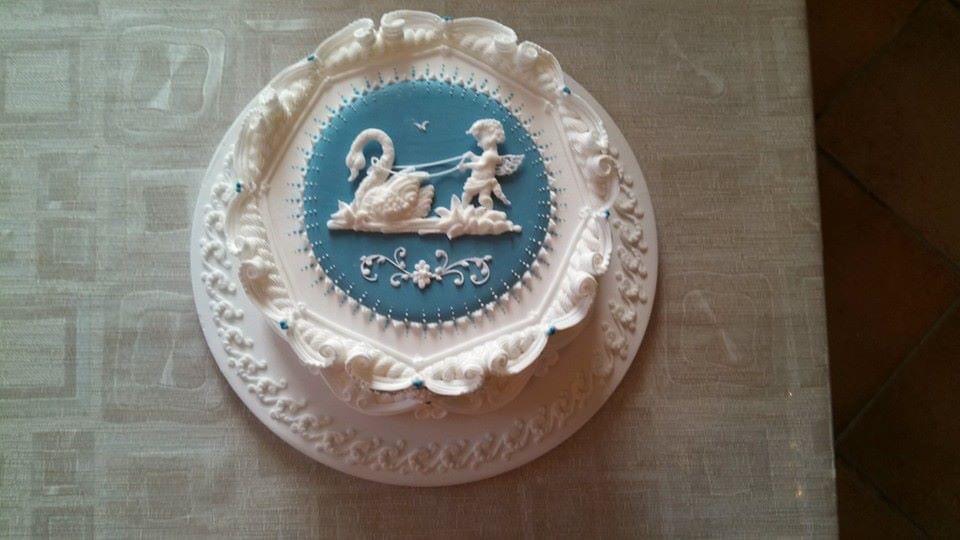
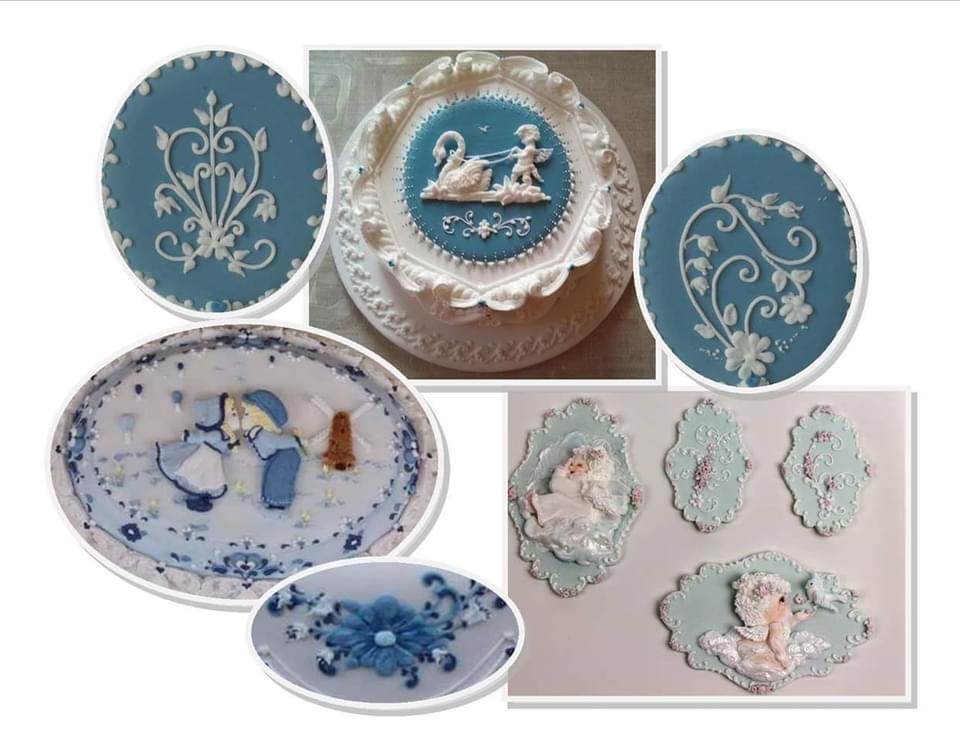
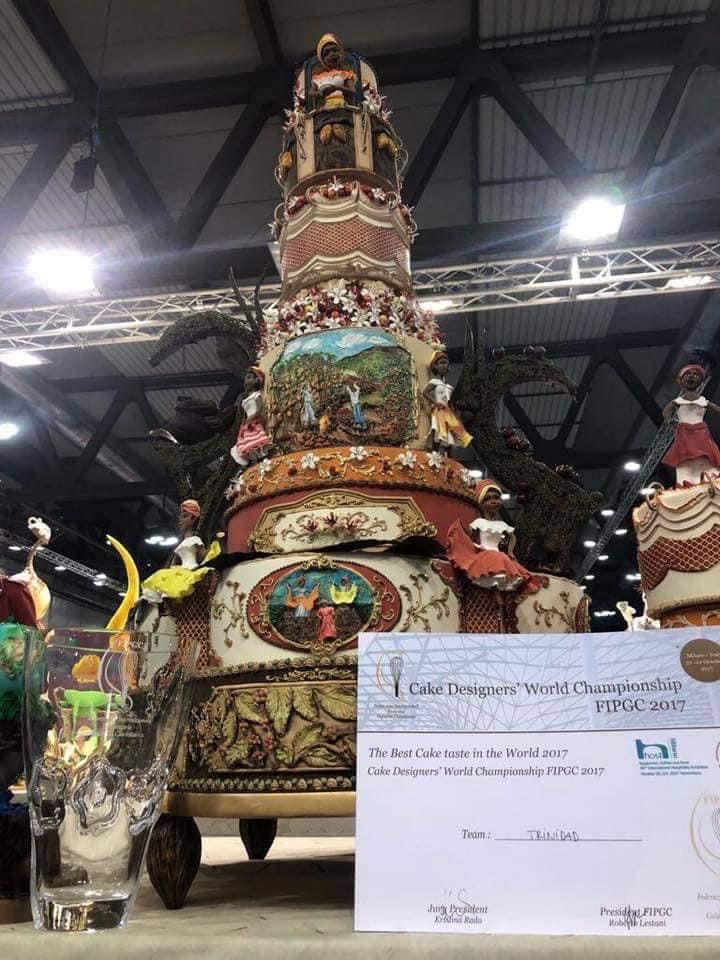
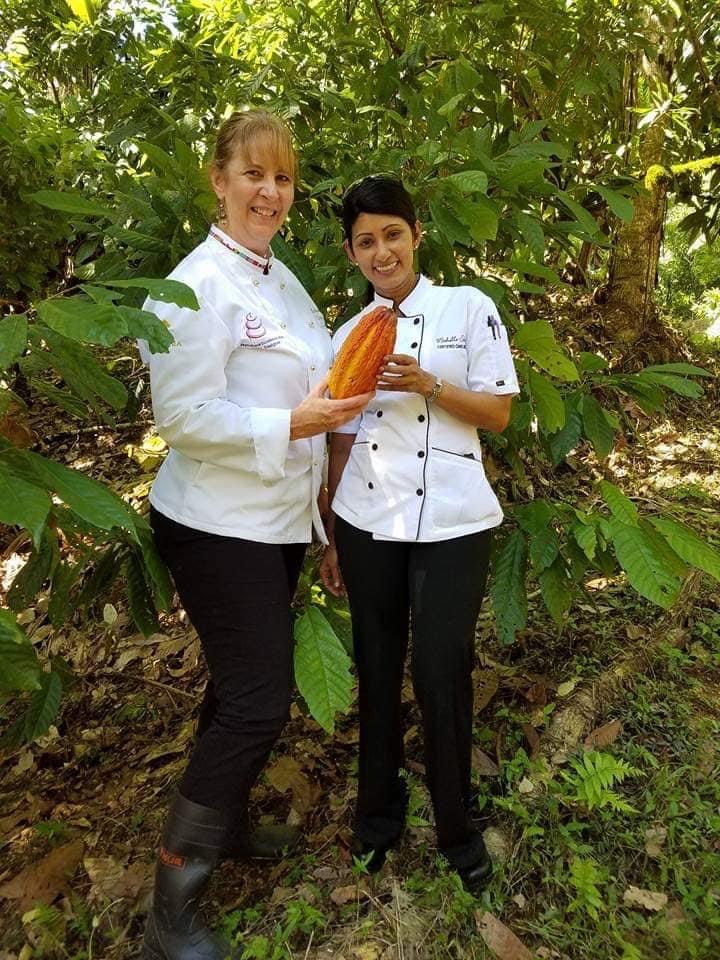
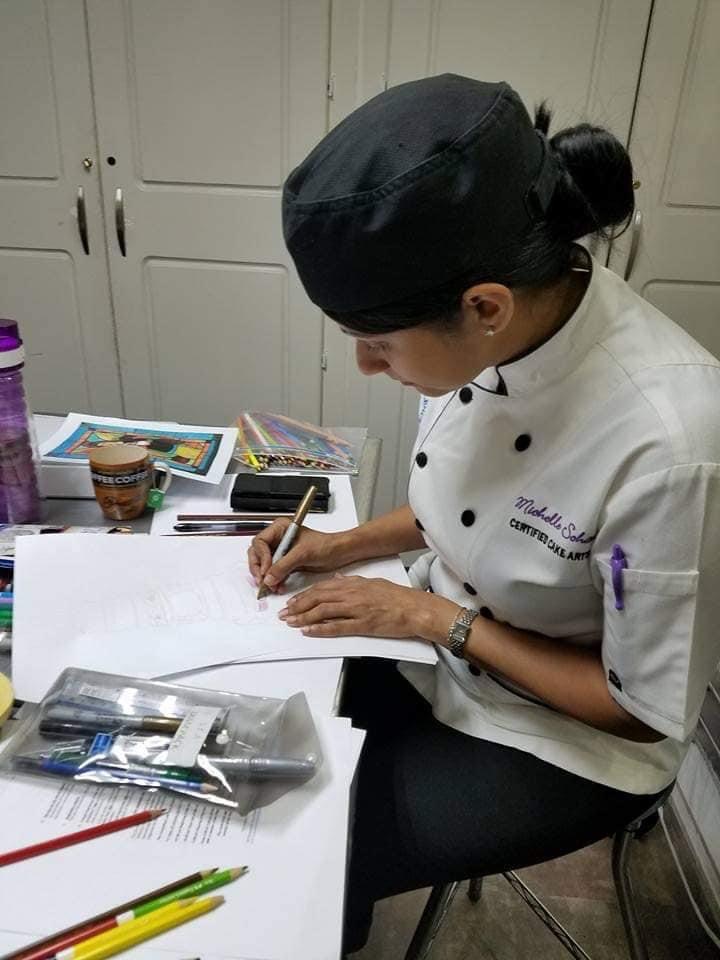
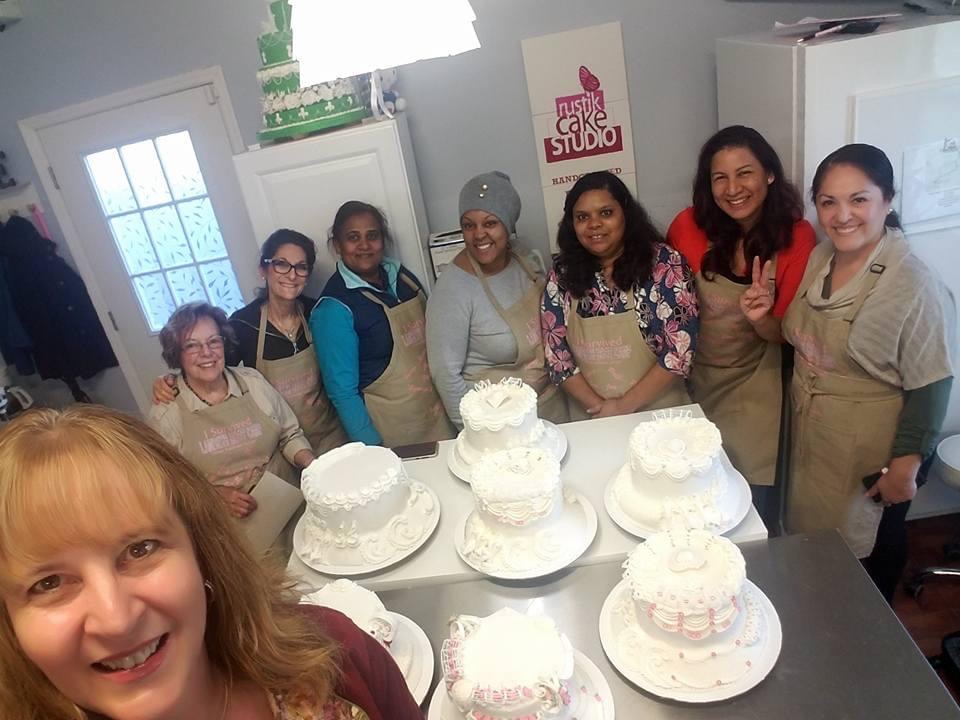
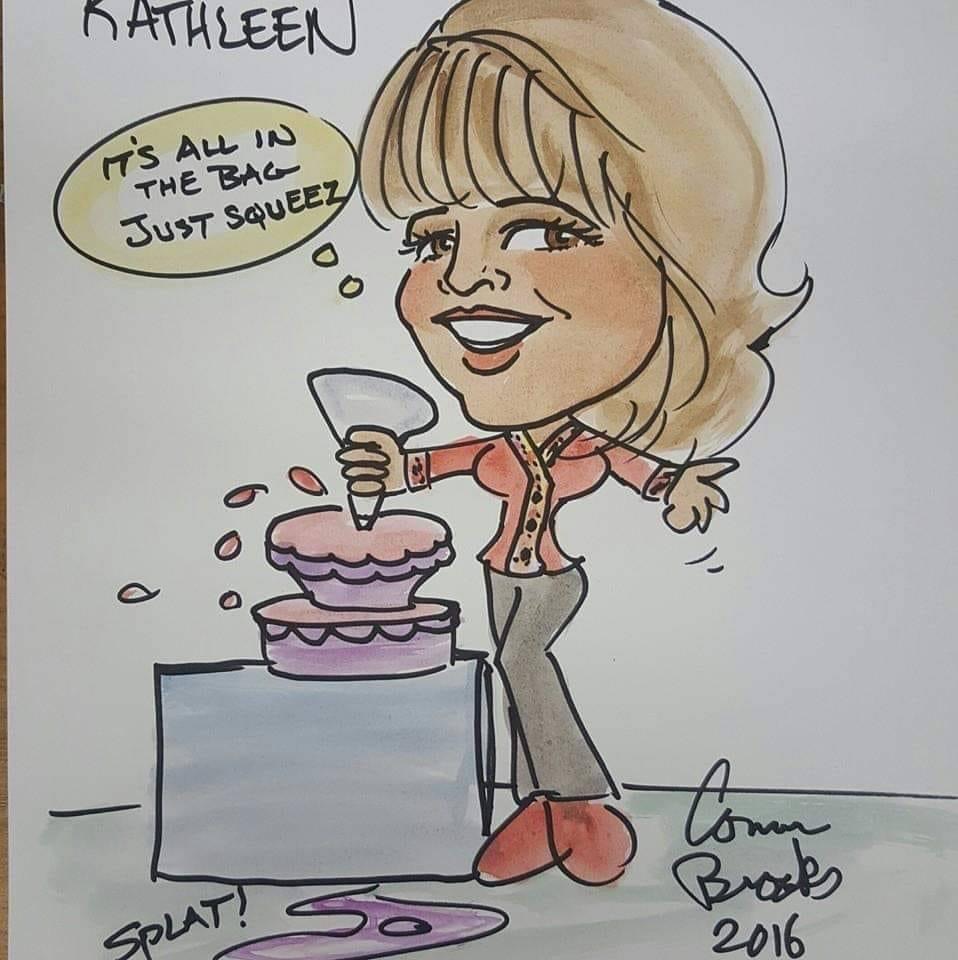
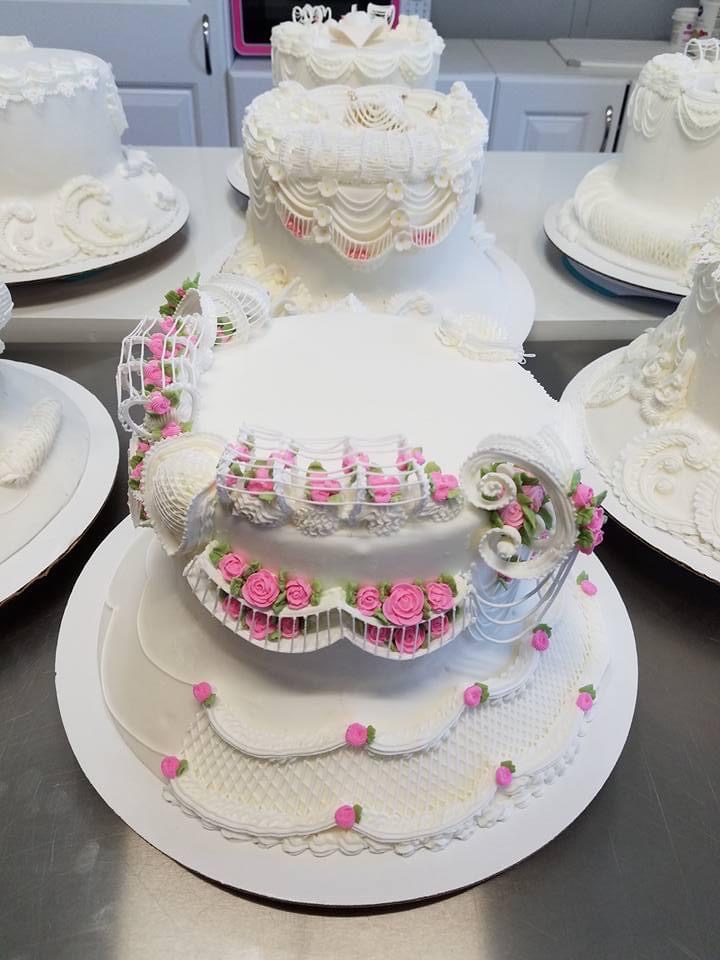
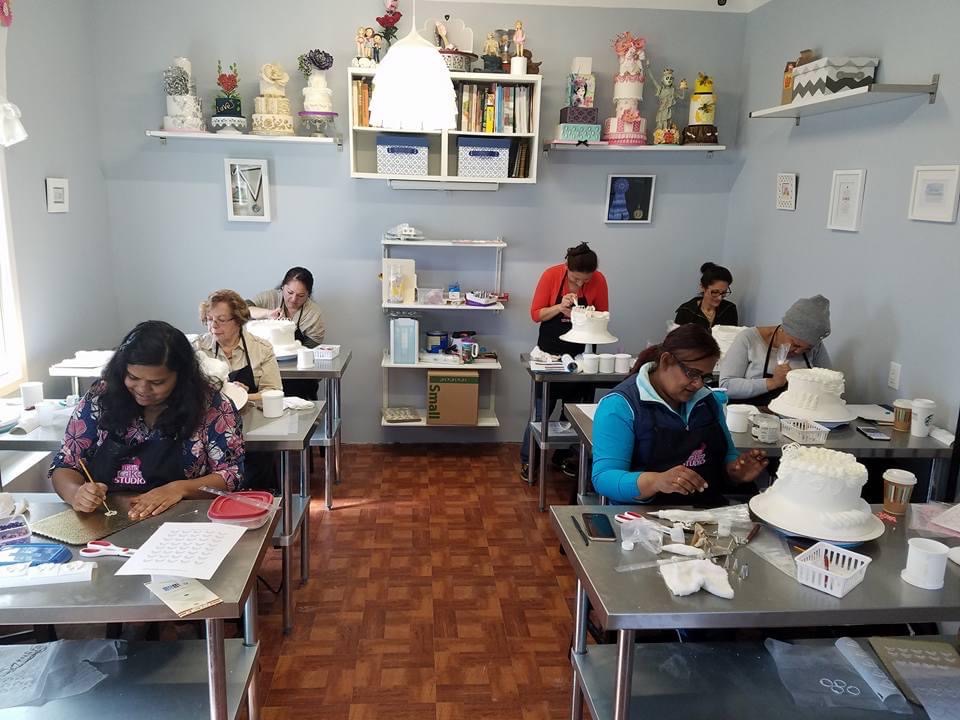
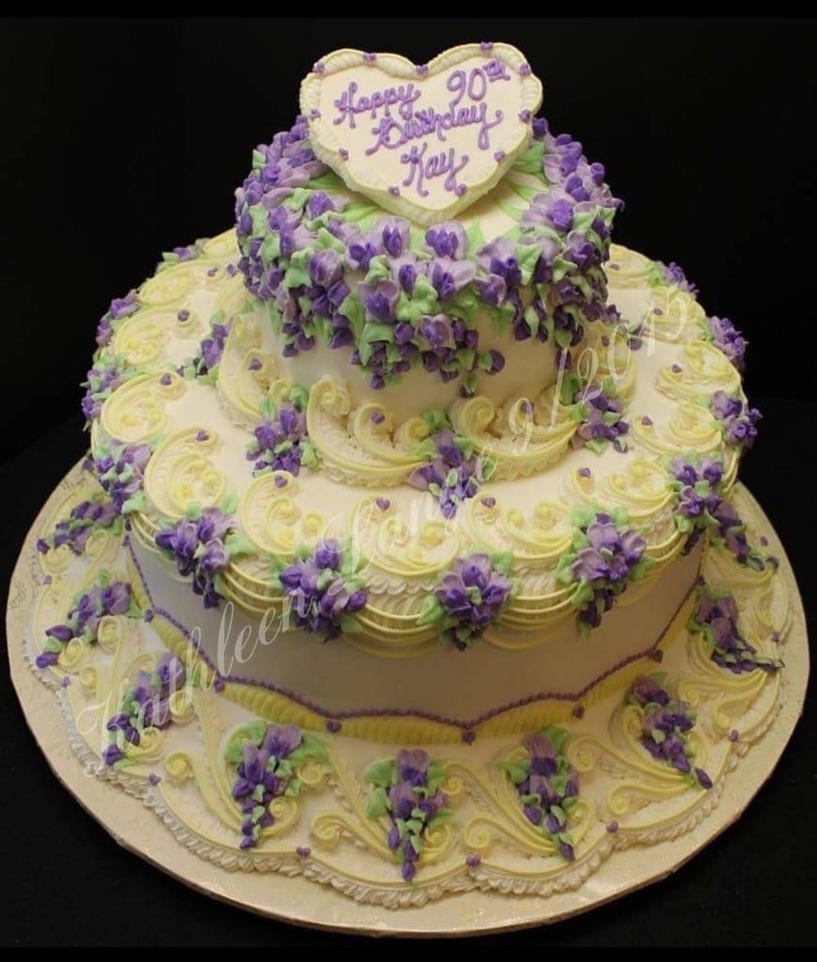
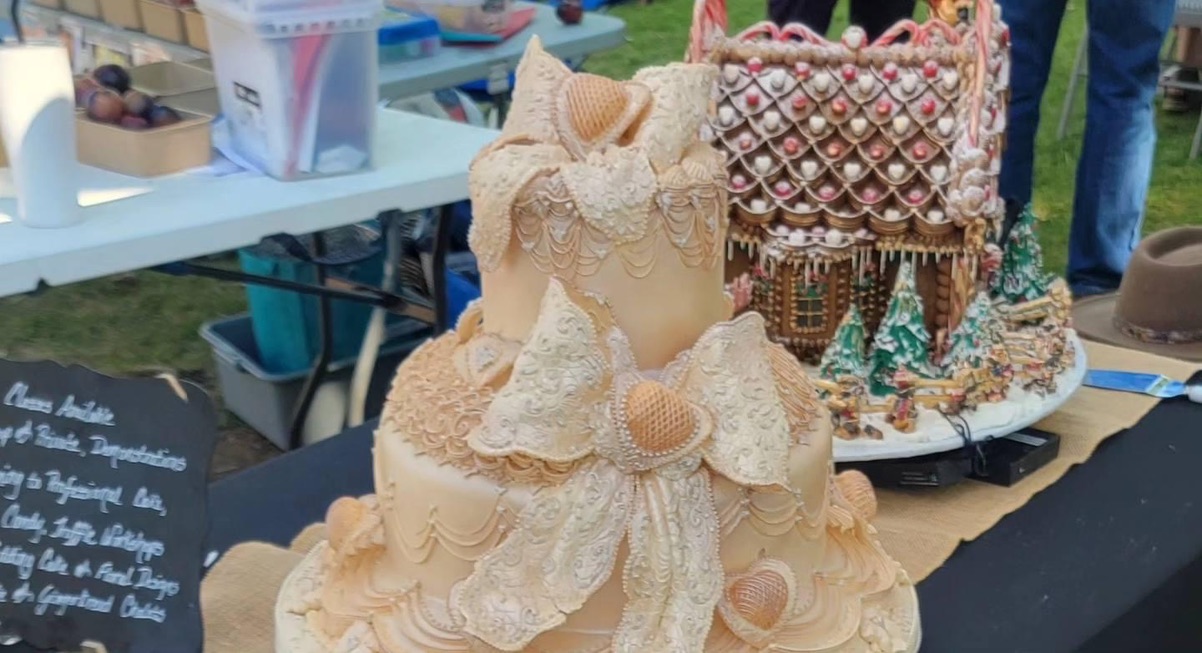
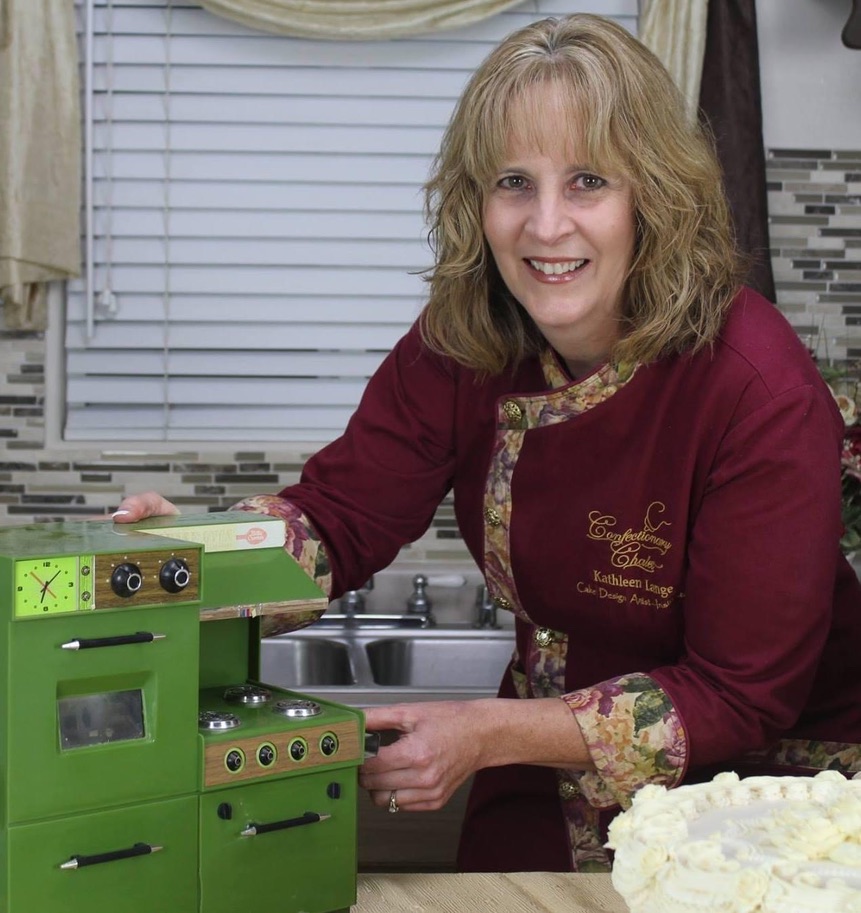
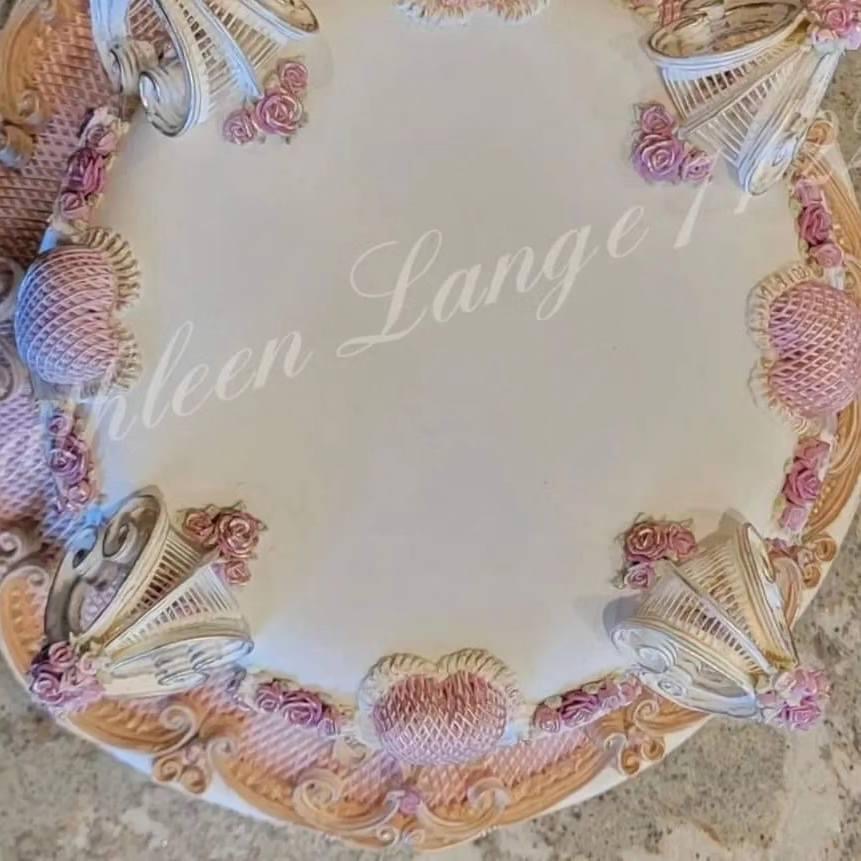
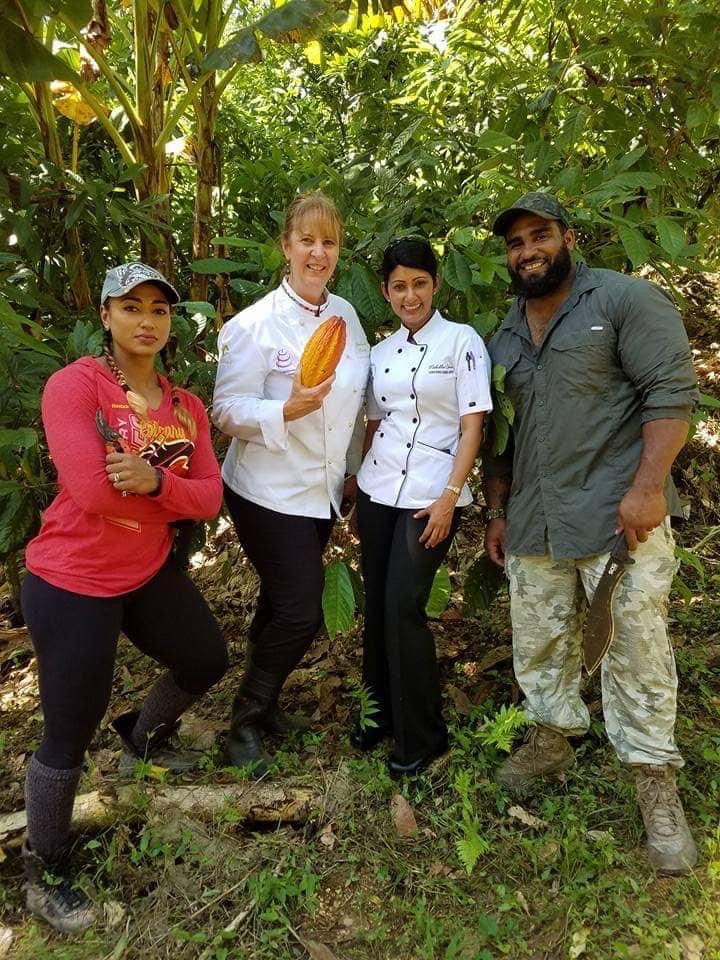
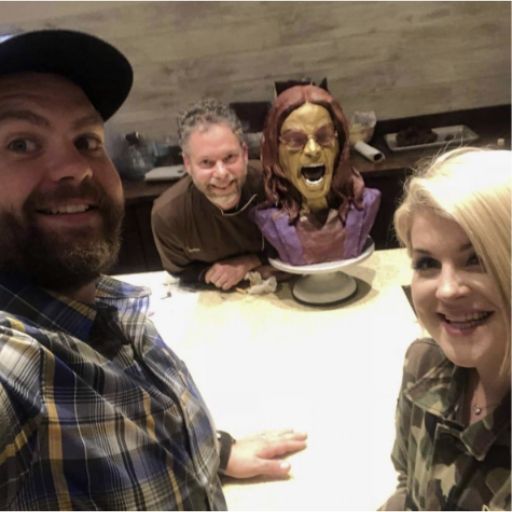
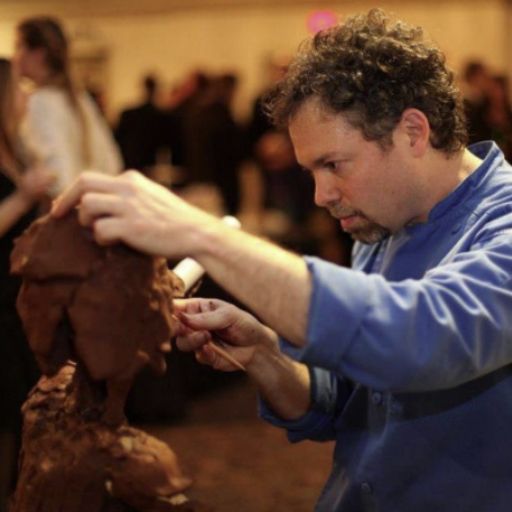
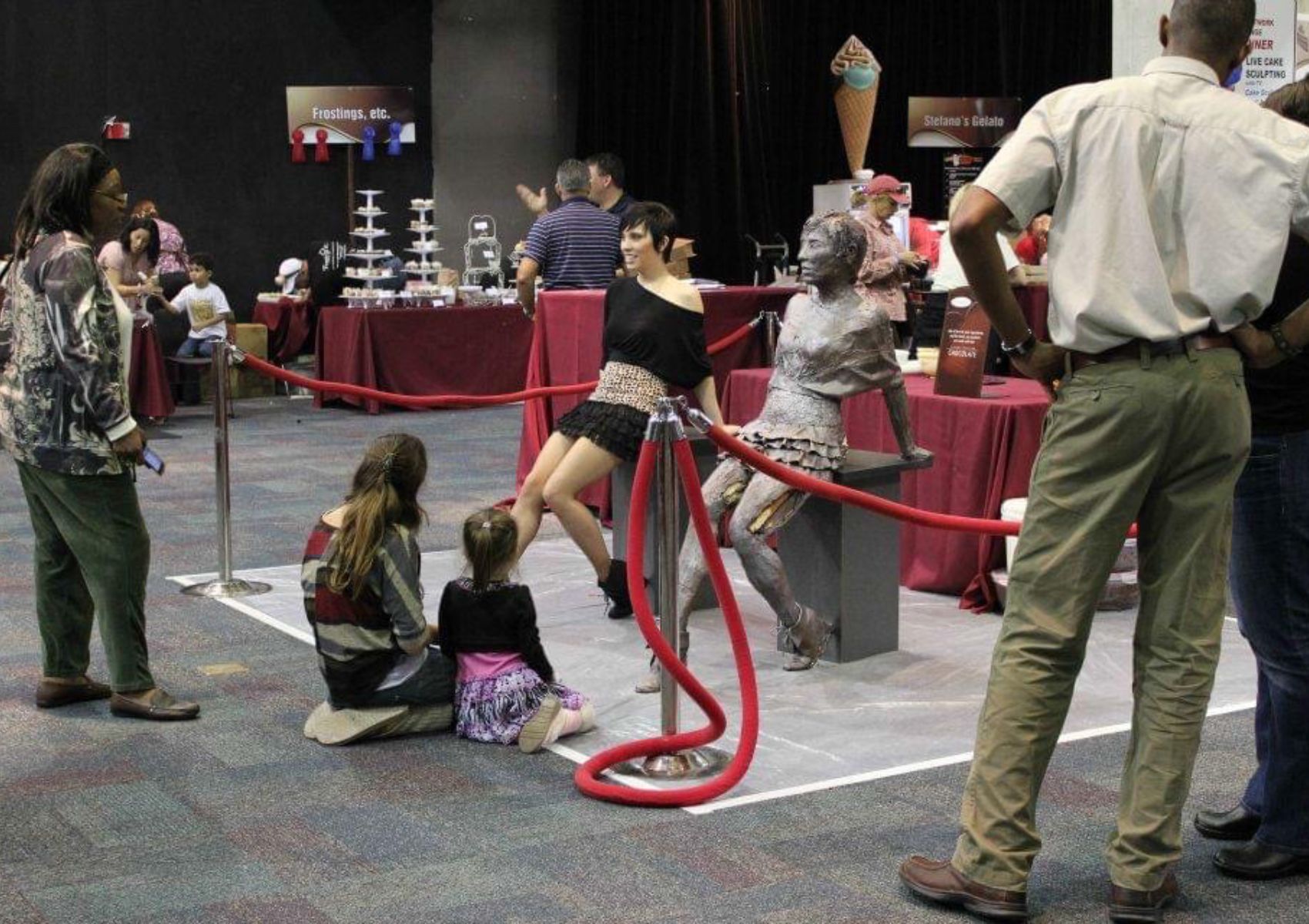
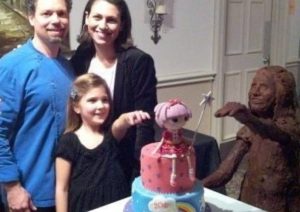
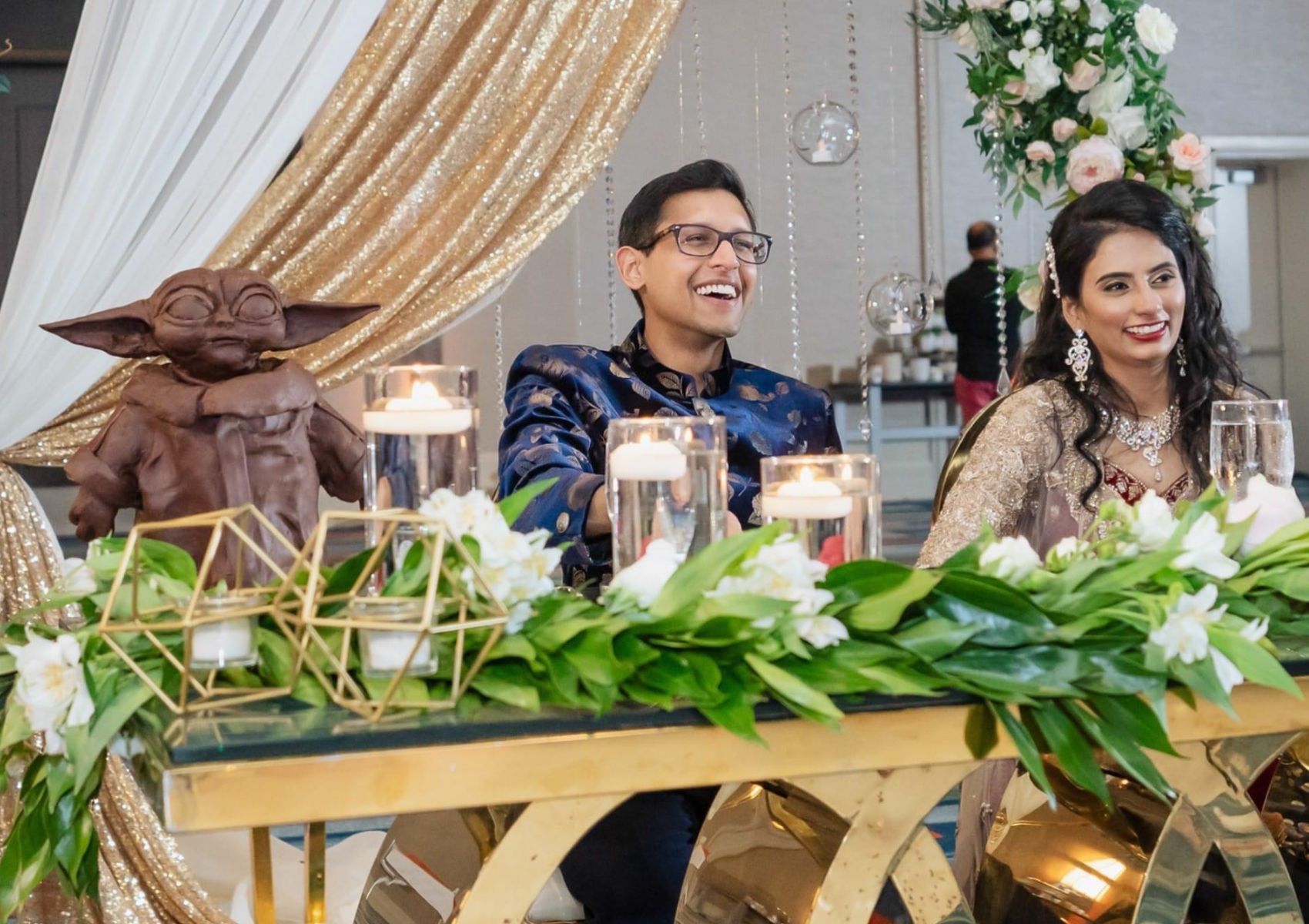
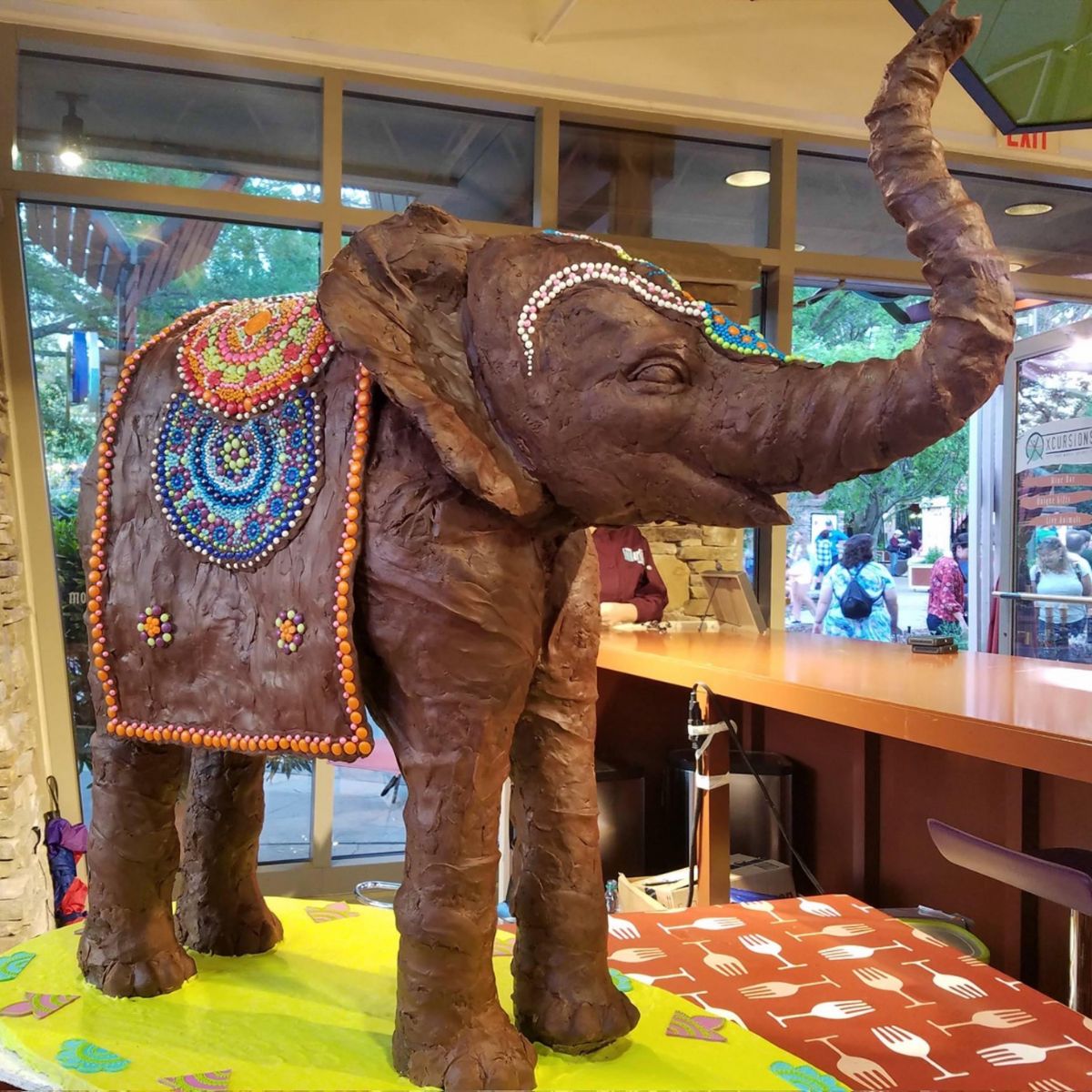
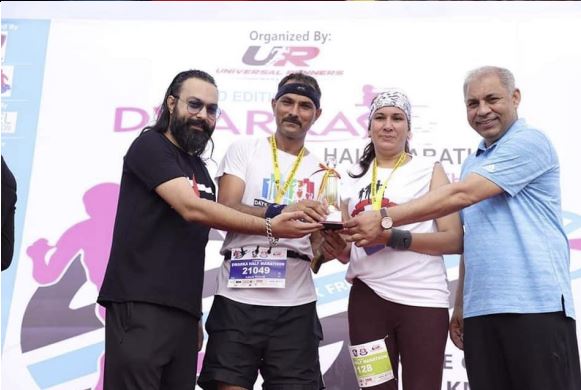
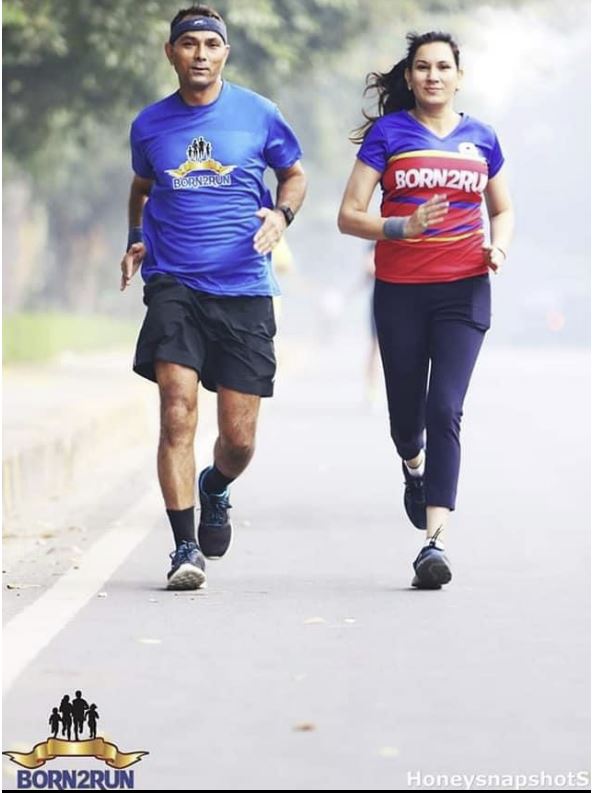
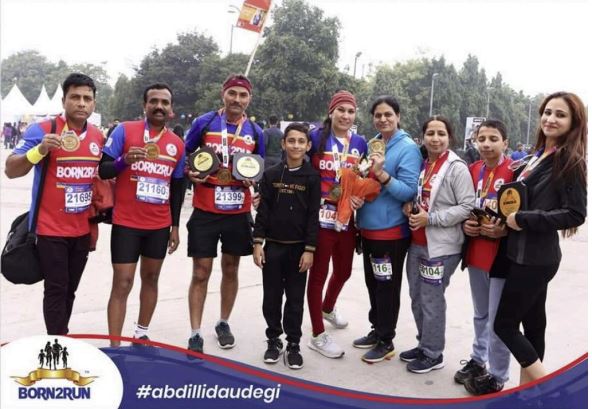
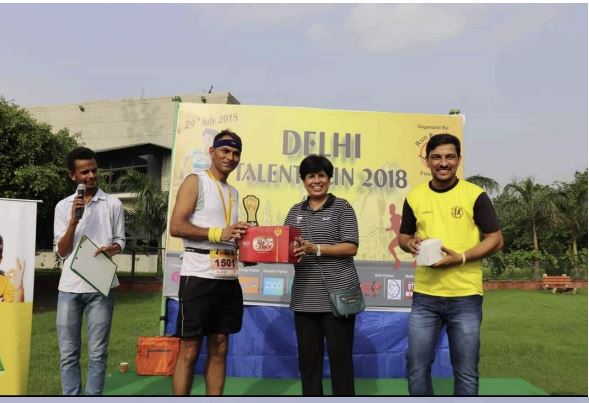
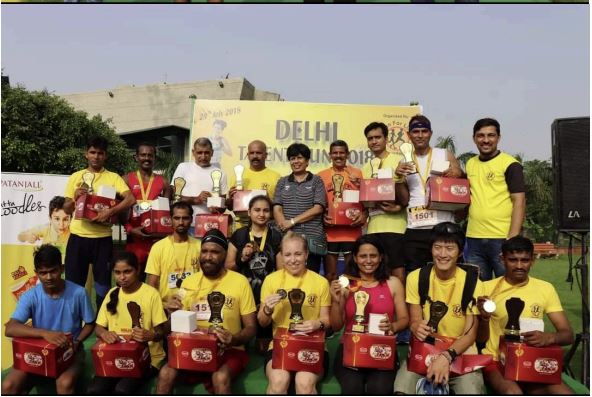
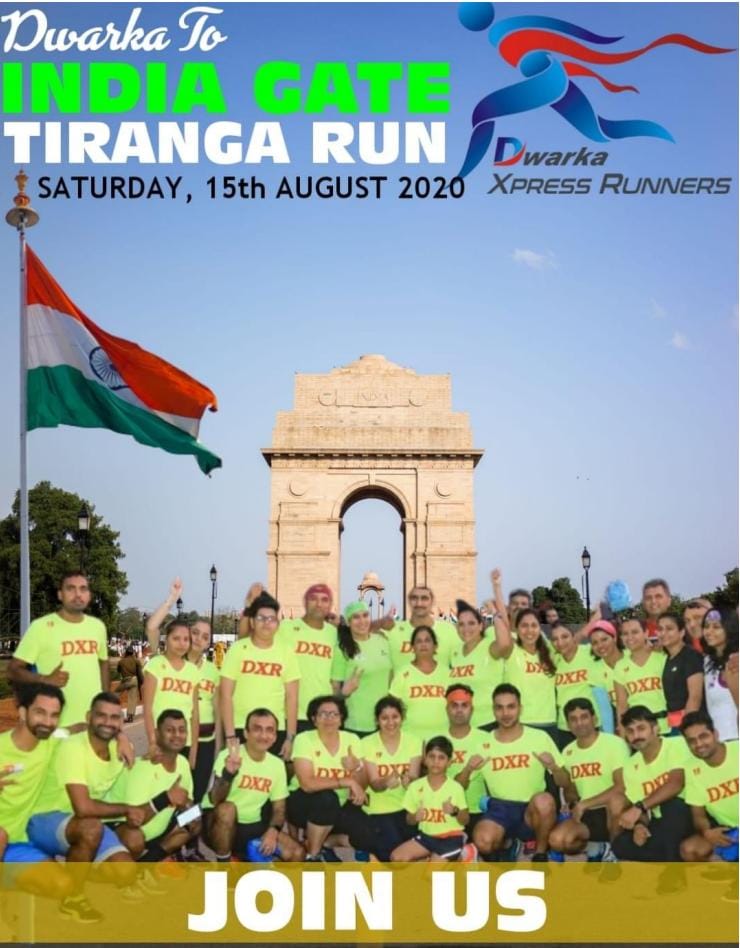
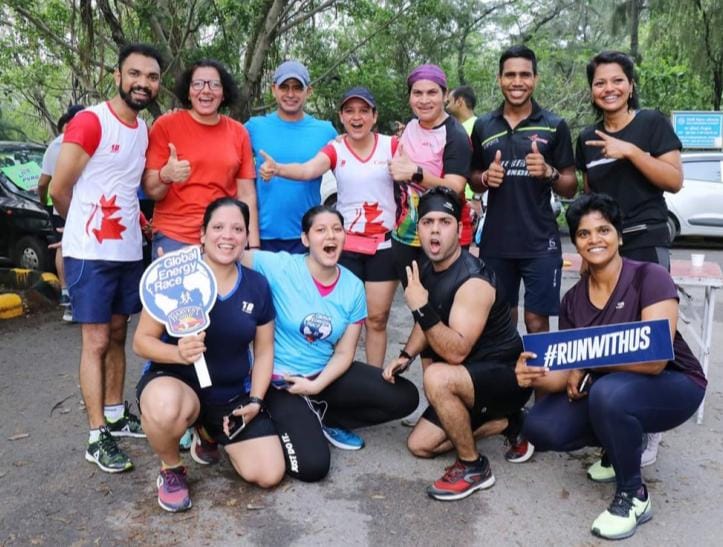
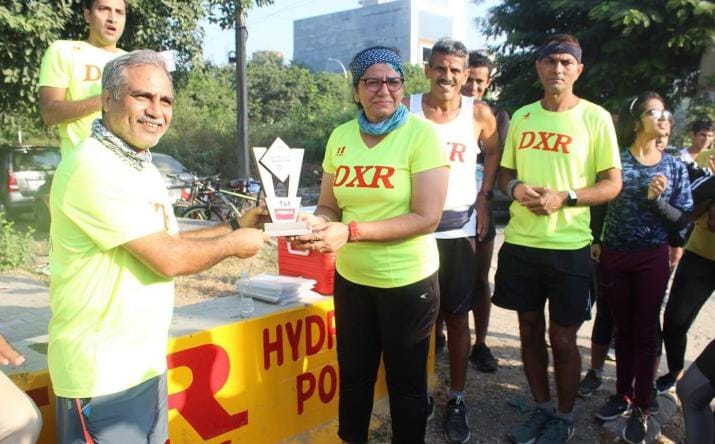
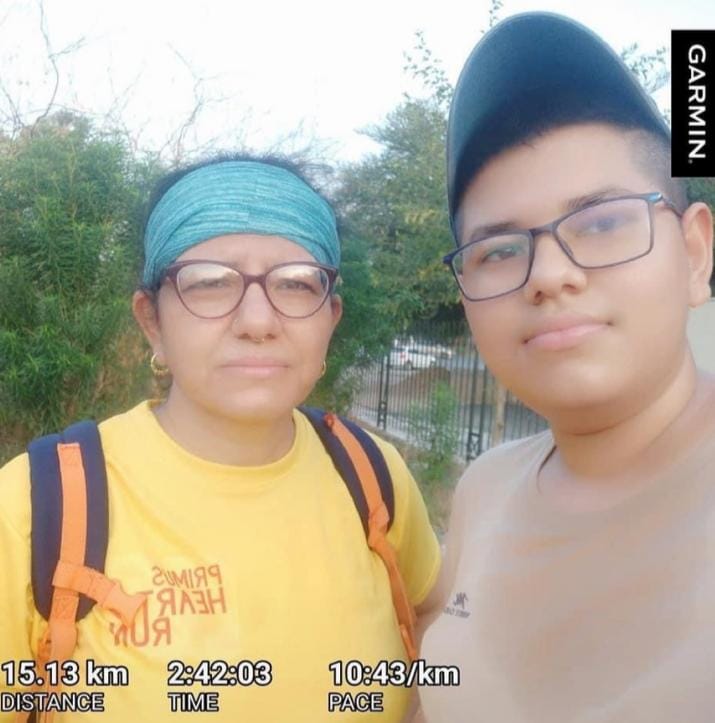
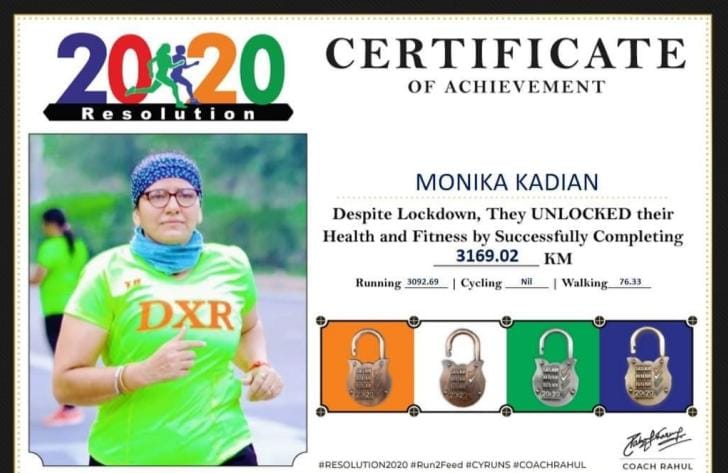
 Ancy James is a former television producer who, after a fulfilling 17-year career, chose to step away from the relentless pursuit of output and certainty in favour of retiring from corporate life at age 37 to a slower and more intentional life. In what she calls her act of quiet rebellion, her toddler’s health scare ensured she followed through on this decision and she traded deadlines and huge pay packets for meaningful quiet personal life. Now over 10 years later, She truly believes that our identity isn’t something we prove, it’s something we shape with the decisions we take daily for our loved ones. She now keeps herself busy as an internationally trained Cake Artist and Chef Trainer with a culinary diploma and runs a FSSAI approved business “Ancy’s Sugar Art Academy, in Bengaluru, India. She discovered marathon running in her journey to reversing her bone health diagnosis at age 42. When she is not customising cakes or running, she is busy reading books across the spectrum or spend hours pouring her heart out in these personal memoirs. Through her weekly personal memoirs, she shares raw, honest reflections on grief, resilience, motherhood, midlife reinvention, and the quiet beauty found in overlooked corners of everyday life. At 48, Ancy writes not to impress, but to connect, believing that vulnerability is the birthplace of both healing and growth. In a fast and AI driven world she believes these memoirs are an honest attempt to stay real and relevant as a female writer who is a 100 percent invested in her journey of “Becoming”.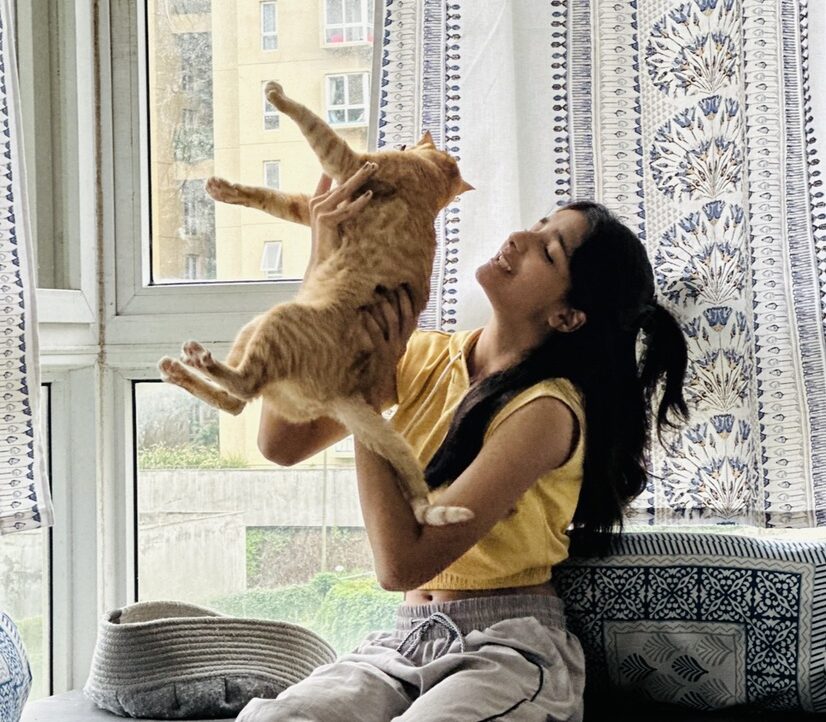
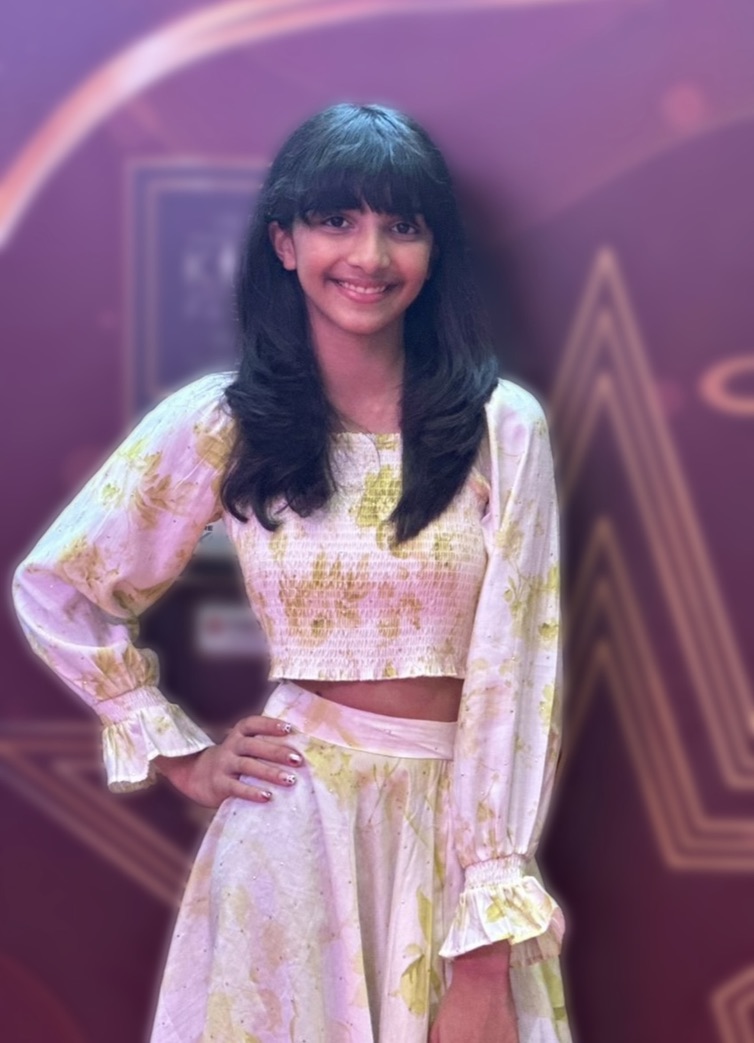
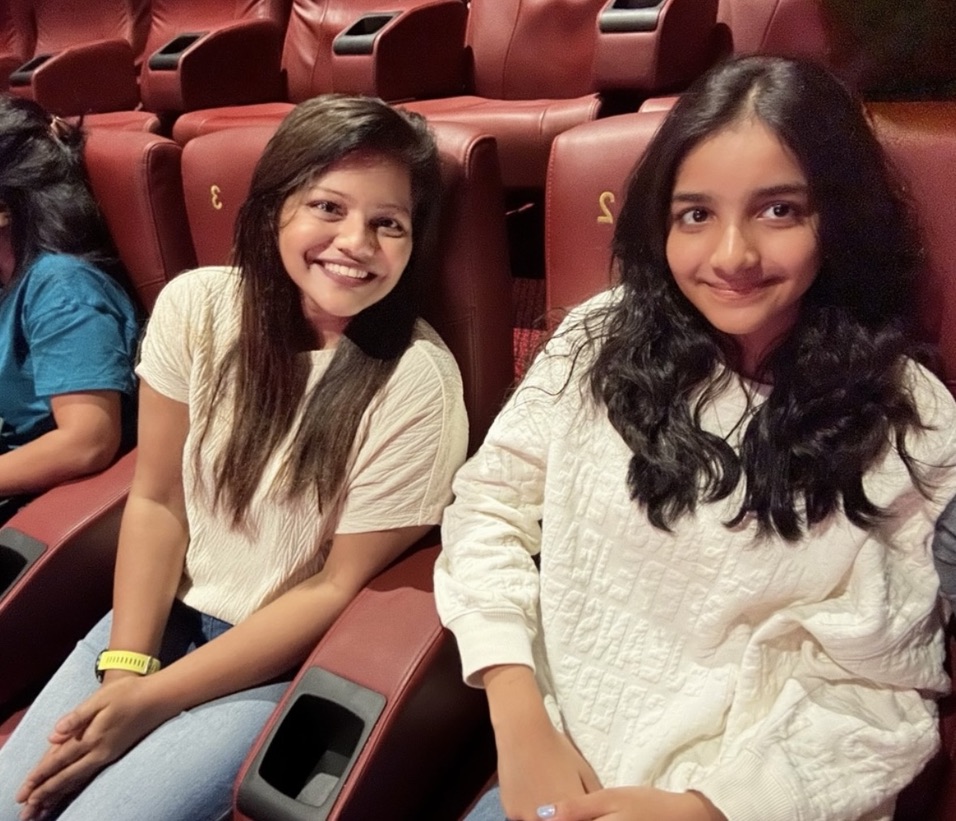
 Ancy James is a former television producer who, after a fulfilling 17-year career, chose to step away from the relentless pursuit of output and certainty in favour of retiring from corporate life at age 37 to a slower and more intentional life. In what she calls her act of quiet rebellion, her toddler’s health scare ensured she followed through on this decision and she traded deadlines and huge pay packets for meaningful quiet personal life. Now over 10 years later, She truly believes that our identity isn’t something we prove, it’s something we shape with the decisions we take daily for our loved ones. She now keeps herself busy as an internationally trained Cake Artist and Chef Trainer with a culinary diploma and runs a FSSAI approved business “Ancy’s Sugar Art Academy, in Bengaluru, India. She discovered marathon running in her journey to reversing her bone health diagnosis at age 42. When she is not customising cakes or running, she is busy reading books across the spectrum or spend hours pouring her heart out in these personal memoirs. Through her weekly personal memoirs, she shares raw, honest reflections on grief, resilience, motherhood, midlife reinvention, and the quiet beauty found in overlooked corners of everyday life. At 48, Ancy writes not to impress, but to connect, believing that vulnerability is the birthplace of both healing and growth. In a fast and AI driven world she believes these memoirs are an honest attempt to stay real and relevant as a female writer who is a 100 percent invested in her journey of “Becoming”.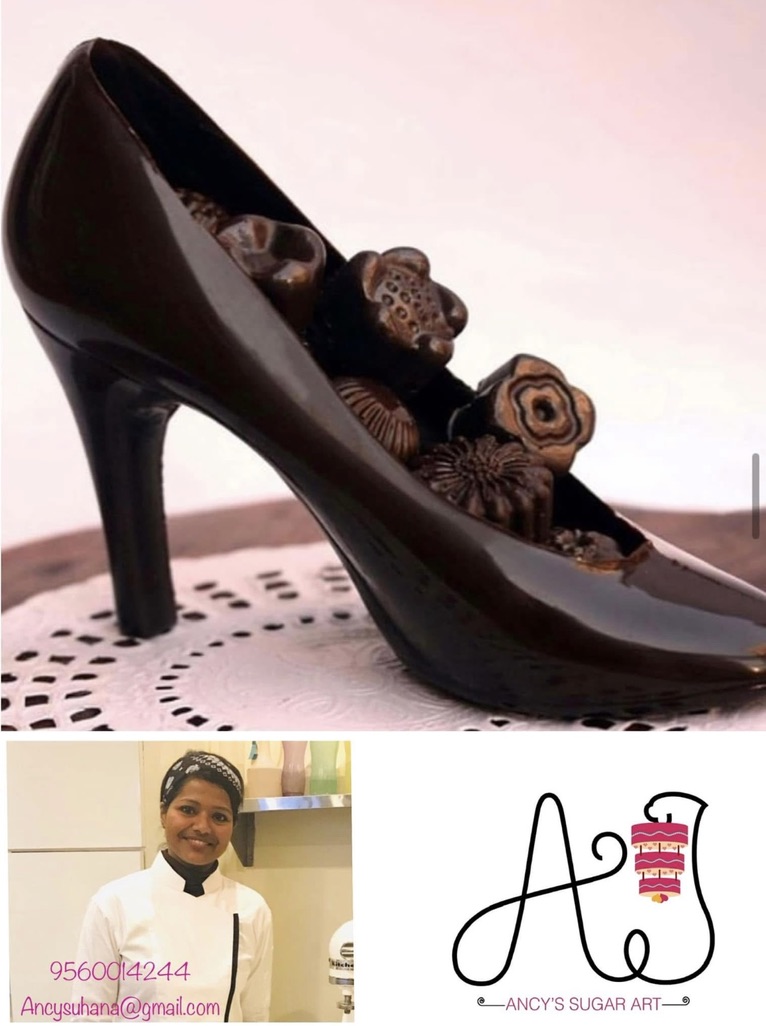














































































































































































































































































































































































































 an
an