
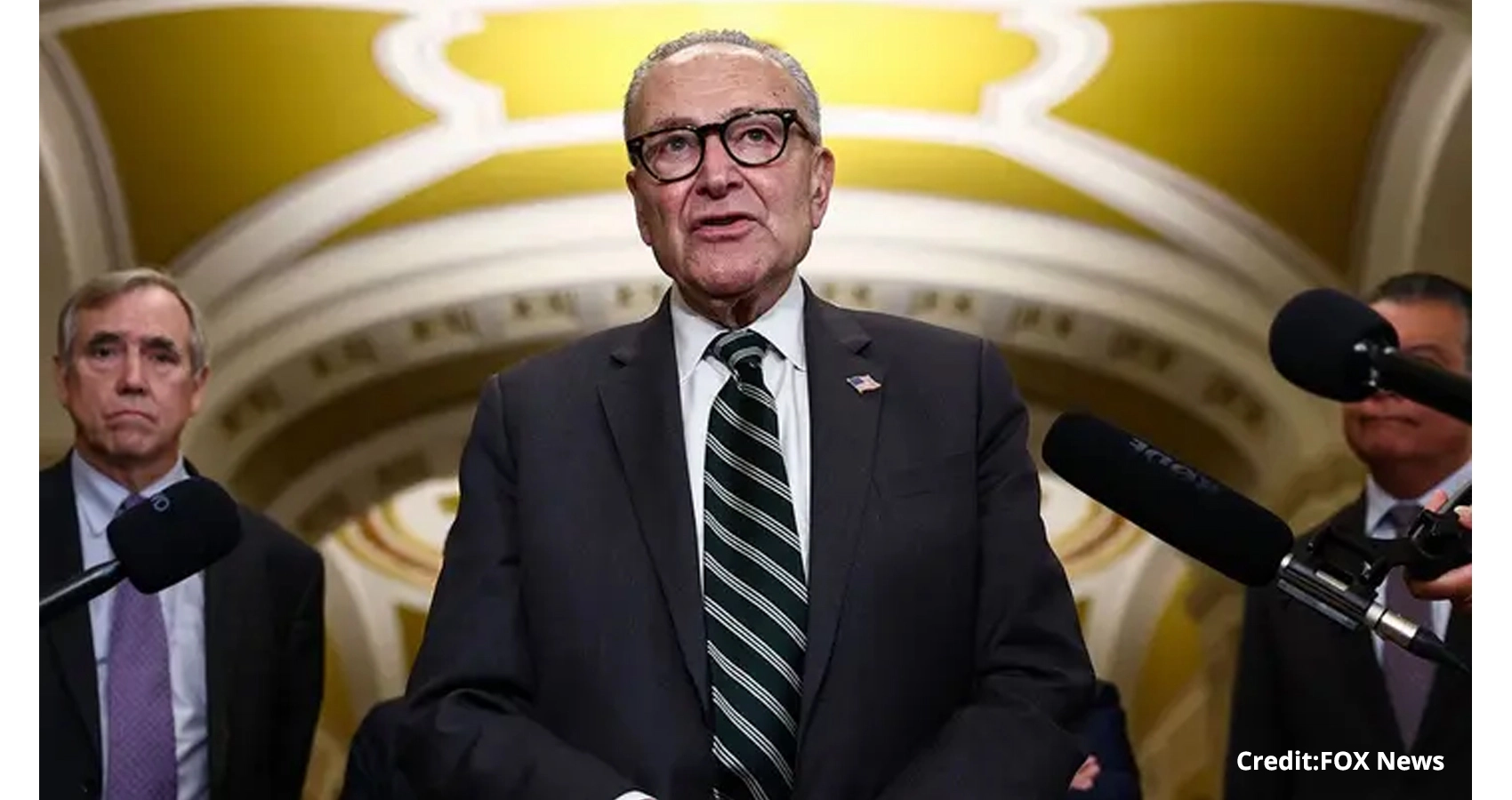
Senate Democrats have blocked Republican bills aimed at addressing affordability, raising questions about their campaign messaging on cost of living issues as the midterm elections approach.
As the midterm elections draw near, Senate Democrats are positioning themselves as the solution to the economic challenges facing Americans. However, their actions have raised eyebrows, particularly as they have consistently blocked Republican efforts to address affordability and cost of living issues.
Affordability has emerged as a central theme in the Democrats’ campaign messaging, with candidates from states like Michigan to Texas using it as a political tool to criticize their Republican counterparts. Yet, in the Senate, cooperation is essential to tackle these pressing issues. Republicans argue that their Democratic colleagues have hindered this process, making it difficult to reach bipartisan solutions.
On Wednesday, the Senate is expected to have one last opportunity to address a portion of the affordability issue through a bill targeting data centers and their impact on voters’ finances. However, Senate Minority Leader Chuck Schumer, D-N.Y., and his caucus are anticipated to block this initiative.
“I think right now, the whole thing is just, you know, play politics with all these issues and get to the election,” said Senate Majority Leader John Thune, R-S.D. “What you’re seeing is that this is the party of no, can’t take yes for an answer, and is interested in just trying to politicize everything going into the election.”
When asked whether blocking the data center bill, along with another measure that would prohibit members of Congress from trading stocks, could undermine Democrats’ messaging, Thune responded, “Well, it makes it pretty hard for Democrats to make that argument.”
Democrats, however, maintain that blocking the bill from Sen. Jon Husted, R-Ohio, will not negatively impact their affordability narrative. They argue that the legislation lacks enforceable provisions, as many requirements for large-load customers, such as data centers, to repay their electricity usage are optional.
Schumer criticized the data center bill as a politically motivated effort to support a vulnerable candidate facing a tough race against former Sen. Sherrod Brown. He stated, “Because we don’t vote for frauds. It’s voluntary. Not a single company has to comply with it.”
Sen. Chris Murphy, D-Conn., echoed this sentiment, suggesting that if the media effectively communicates that the bill is ineffective, the political fallout for Democrats would be minimal. “It does nothing, and so people know that, but there’s more political risk for them than for us,” Murphy said.
When asked if there was concern that shutting down the bill could weaken their campaign strategy, Sen. Andy Kim, D-N.J., expressed confidence that it would not. “The American people can see through just the politics of this. They know that this bill is good for Senator Husted, but not necessarily for them, because it doesn’t have anything that would actually force change,” Kim said.
Not all Democrats are opposed to the GOP’s affordability initiatives, however. Sen. Chris Van Hollen, D-Md., has indicated a willingness to allow the legislation to move forward, provided there is a guarantee from Thune that his bill, the Power for the People Act, would receive an amendment vote to enhance its regulatory framework. “You want to address the affordability issue, you need to do something real,” Van Hollen stated. “As soon as Senator Thune says he’ll have a vote on the Power for the People Act, then for sure, we should go forward.”
This is not the first time Democrats have stymied Republican attempts to address affordability issues. GOP leaders had sought to negotiate a deal on permitting reform, which would lower costs for energy projects and streamline the regulatory process. However, Democrats walked away from the negotiations last week.
Sen. Alan Armstrong, R-Okla., who has been leading the permitting reform initiative, expressed disappointment, stating, “All the chemistry, I think, was perfect for getting this deal done. And that doesn’t happen very often on such a complex issue. So it’s very disappointing.”
While reports suggest that the permitting deal may be revisited, it is unlikely to be addressed until after the election during Congress’ lame-duck session, where several agenda items may be sidelined indefinitely.
Looking ahead, Republicans will need Democratic support to advance any initiatives post-election. The history of bipartisanship in the Senate over the past two years has been inconsistent, with many Republicans expressing frustration over the legislative process.
“I mean, we got 53 Republicans, you got to have 60. I’d have busted the filibuster a long time ago and we would’ve had a lot more done,” said Sen. Tommy Tuberville, R-Ala. “But we wasted a year and a half of President Trump.”
As both parties navigate the complexities of affordability and cost of living issues, the upcoming midterm elections will serve as a critical test of their respective strategies and messaging.
According to Fox News Digital.