
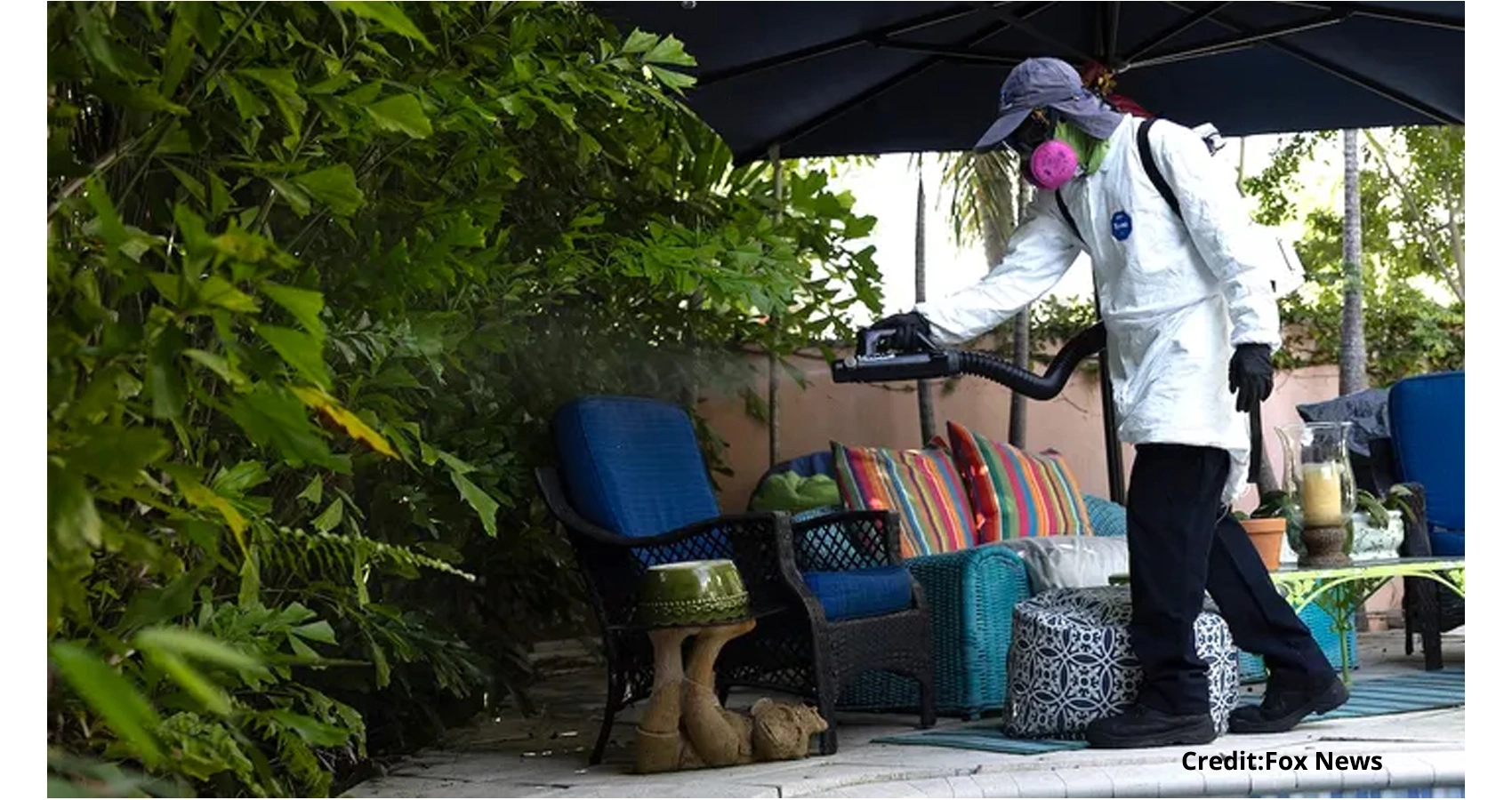
Three Florida counties have declared states of emergency due to a dengue fever outbreak, with 190 locally acquired cases confirmed across the state.
Three counties in Florida—Hillsborough, Pasco, and Pinellas—have declared states of emergency in response to a significant outbreak of dengue fever. As of September 23, a total of 190 locally acquired cases have been confirmed, with Hillsborough County alone reporting 170 infections.
The emergency declarations allow local officials to expedite mosquito control operations, make emergency purchases, coordinate response efforts, and seek state or federal assistance if necessary. Under Florida law, these local emergency declarations are valid for seven days unless renewed.
According to the latest surveillance report from the Florida Department of Health, which covers cases with onset through September 19, the confirmed dengue cases are distributed across six counties. In addition to the 170 cases in Hillsborough, there are seven cases each in Miami-Dade and Pinellas counties, three in Orange County, two in Pasco County, and one in Palm Beach County. It is important to note that these locally acquired infections are separate from travel-associated cases reported in Florida this year.
Dengue fever is a viral illness transmitted by mosquitoes, characterized by symptoms such as fever, severe aches, nausea, and rash. In rare instances, it can lead to life-threatening complications. The Centers for Disease Control and Prevention (CDC) indicates that dengue is endemic in many tropical and subtropical regions, including Southeast Asia, Latin America, and parts of Africa. While less common in the continental United States, locally acquired cases have been documented in Florida, California, and Texas.
“The Aedes mosquitoes that can transmit dengue are active during the day and thrive in warm, humid environments like those found in Florida,” said an entomologist from the SC Johnson Center for Insect Science and Family Health, which produces OFF! insect repellent. “As dengue cases continue to be reported in the Tampa area, taking steps to help prevent mosquito bites is especially important.”
The entomologist emphasized the need for residents to stay informed about local mosquito activity and to consistently protect themselves against bites. The Florida Mosquito Control Association (FMCA) has announced that crews are increasing both aerial and ground treatments in areas where dengue virus activity has been detected. They are also inspecting private properties for potential mosquito breeding sites.
FMCA has urged residents to take proactive measures, such as emptying or covering standing water around their homes. The mosquito species that spreads dengue is a container breeder, meaning it lays its eggs in small amounts of water found in buckets, plant saucers, discarded tires, and other items that can collect water.
In addition to these preventive measures, the SC Johnson Center for Insect Science and Family Health has provided recommendations to help reduce the risk of mosquito-borne diseases. The FMCA also advises individuals to wear long sleeves, light-colored clothing, and closed-toed shoes when outdoors.
Many individuals infected with dengue may not exhibit symptoms, and most who do become ill typically recover within one to two weeks, according to the Mayo Clinic. However, in some cases, the illness can progress to severe dengue, which is potentially life-threatening.
Symptoms of dengue typically appear four to ten days after being bitten by an infected mosquito. Warning signs can develop rapidly, often within a day or two after the fever subsides. These warning signs may include severe abdominal pain, repeated vomiting, unusual bleeding or bruising, difficulty breathing, extreme fatigue, irritability, or restlessness. Anyone experiencing these warning signs should seek immediate medical attention.
As the situation evolves, health officials continue to monitor the outbreak closely and urge residents to remain vigilant in their efforts to prevent mosquito bites and reduce breeding sites.
For more information, refer to the Florida Department of Health and local health authorities.