
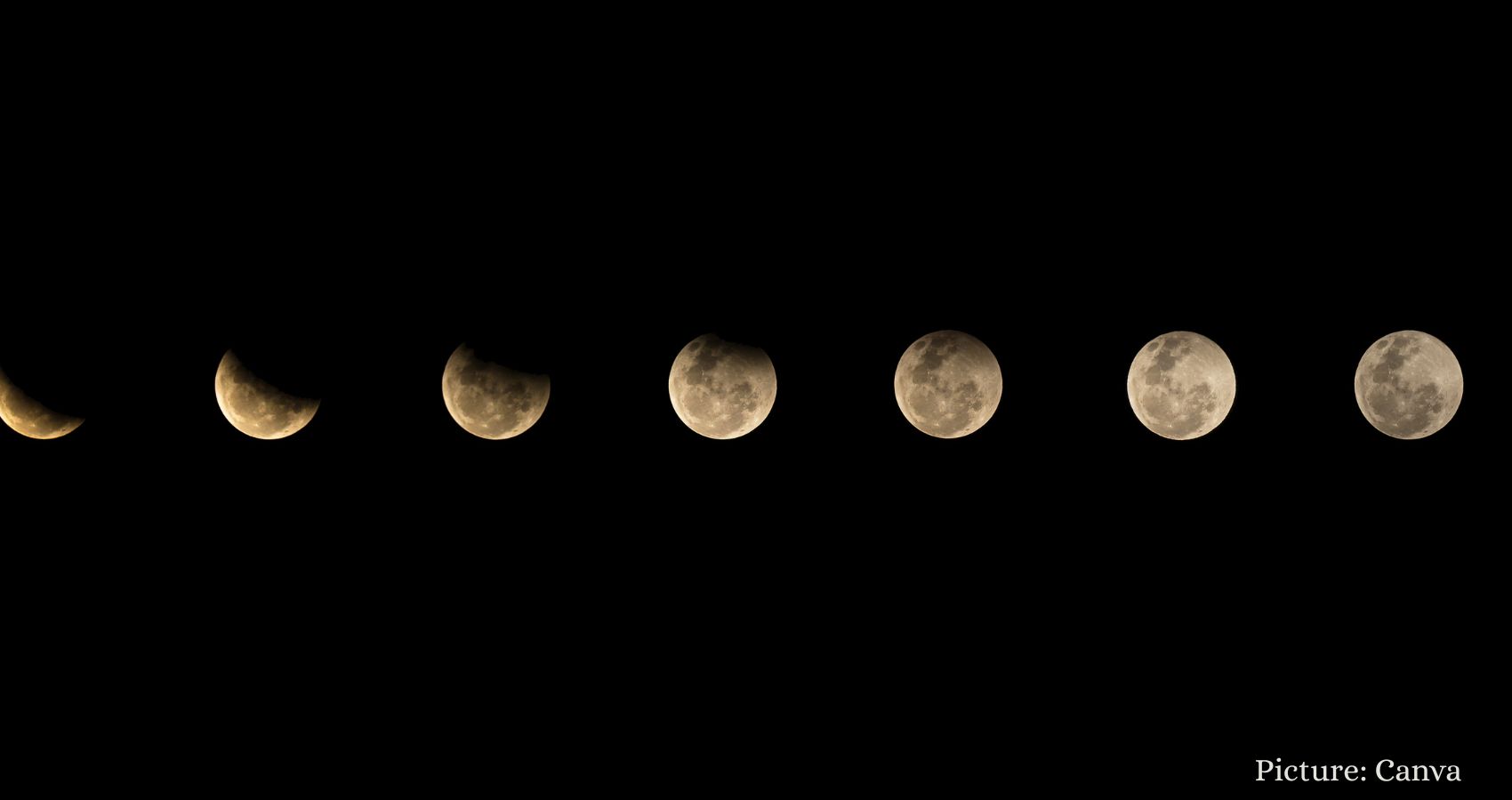
The next major lunar event in the United States is a deep partial lunar eclipse on August 27–28, 2026, where 96% of the Moon will enter Earth’s shadow, creating a striking “Blood Moon” effect.
The last total lunar eclipse, often referred to as a “Blood Moon,” visible in the United States occurred on March 3, 2026. The next significant lunar event for North America is a deep partial lunar eclipse scheduled for the night of August 27–28, 2026. This upcoming event will see approximately 96% of the Moon covered by Earth’s shadow, resulting in a dramatic copper-red hue.
The deep partial lunar eclipse will take place during the full Sturgeon Moon, with the exact timing varying by time zone across the United States. Here are the peak times for different regions:
Eastern Daylight Time (EDT): August 28 at 12:12 AM
Central Daylight Time (CDT): August 27 at 11:12 PM
Mountain Daylight Time (MDT): August 27 at 10:12 PM
Pacific Daylight Time (PDT): August 27 at 9:12 PM
Alaska Daylight Time (AKDT): August 27 at 8:12 PM
Hawaii Daylight Time (HDT): August 27 at 6:12 PM (Moon rises already eclipsed)
The partial eclipse will begin at 10:34 PM on August 27, with the greatest eclipse occurring at 12:12 AM on August 28, when 96% of the Moon will be covered. The partial eclipse will conclude at 1:50 AM on August 28 as the Moon exits the dark shadow.
This deep partial lunar eclipse will be fully visible from every state in the U.S., including Alaska and Hawaii. As 96% of the Moon enters Earth’s dark shadow, observers across the country will witness the Moon transform into a distinct copper-red “Blood Moon.”
For those in the Eastern and Central U.S., the viewing conditions will be ideal, as the eclipse will take place high in the southern sky during the late-night hours. Meanwhile, those in the Mountain and Pacific regions will enjoy excellent visibility, with the eclipse already underway as twilight fades. In Alaska, viewers will see the Moon rise in the southeast just as the partial eclipse begins, while in Hawaii, the Moon will rise in the east, already deeply eclipsed and red, around sunset.
To make the most of this celestial event, here are some recommended locations for optimal viewing:
Cherry Springs State Park
Great Sand Dunes National Park and Preserve
Joshua Tree National Park
The Outer Banks, North Carolina
Cape Cod National Seashore, Massachusetts
Malibu and Point Reyes, California
When it comes to safely watching the eclipse, no special glasses are needed. Viewers can look directly at the Moon without any risk to their eyes, whether using binoculars, telescopes, or camera viewfinders. This event is entirely safe for children to observe with the naked eye.
To enhance the viewing experience, it is advisable to step away from bright lights and screens for about 15 minutes before the peak of the eclipse. This allows your eyes to adjust to the darkness, making the deep copper-red color appear more vibrant. Bringing binoculars can also enhance the experience, allowing viewers to see the sharp edge of Earth’s shadow moving across the Moon’s surface.
If you plan to take photographs, using a tripod is recommended to avoid blurriness due to longer exposure times as the Moon darkens into its red phase.
Interestingly, during this deep partial lunar eclipse, the Moon will still exhibit a “Blood Moon” appearance despite not being a total eclipse. In a standard partial lunar eclipse, the portion of the Moon outside the shadow remains bright, making it difficult to perceive color changes. However, with 96.3% of the Moon covered, the remaining sliver will not produce enough glare, allowing the deep copper-red color to stand out vividly, closely resembling a true total eclipse.
As anticipation builds for this remarkable astronomical event, enthusiasts and casual observers alike are encouraged to mark their calendars for the night of August 27–28, 2026, to witness this stunning display of nature.
According to The Sunday Guardian, this deep partial lunar eclipse promises to be a memorable experience for all who take the time to observe it.