
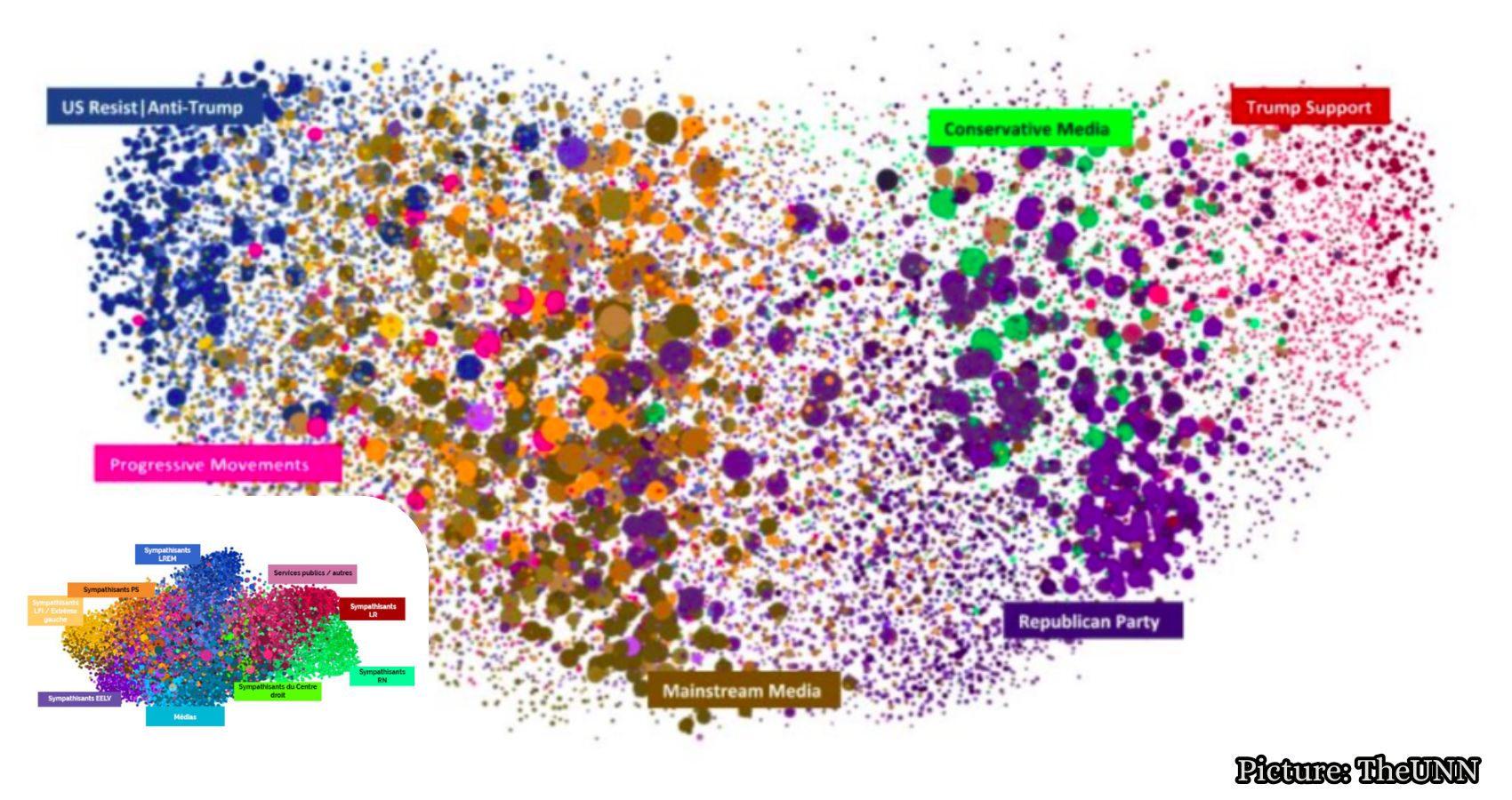
Progressive candidates in the U.S. are increasingly successful in primary elections, thanks to a burgeoning left-wing media ecosystem that amplifies their narratives and grassroots support.
Progressive candidates across the United States are experiencing a notable surge in primary election victories, fueled by an expanding left-wing media landscape. This new ecosystem empowers these candidates to establish their narratives and gather grassroots support, often in opposition to the traditional Democratic establishment. This trend reflects a broader shift in political communication and engagement strategies, particularly among younger voters.
One prominent example is Pennsylvania state Representative Chris Rabb, a Democratic socialist who recently won a congressional primary against a more moderate opponent. His success was significantly bolstered by appearances on platforms such as “The Majority Report with Sam Seder” and “Breaking Points.” Rabb emphasized the importance of media engagement in enhancing his visibility and fundraising capabilities, stating, “It helps me increase my visibility, validation and ability to raise money. I see it as a Venn diagram of success.” This sentiment is shared by many candidates who are leveraging new media to connect with constituents and potential supporters.
The rise of left-wing media platforms—encompassing websites, podcasts, YouTube channels, and livestreams—has created a supportive environment for candidates advocating progressive policies, such as universal healthcare and immigration reform. However, analysts caution that this growing media landscape may exacerbate divisions within the Democratic Party and alienate moderate voters. For instance, Abdul El-Sayed, a prominent figure in left-wing media, narrowly won Michigan’s Democratic Senate primary against establishment-backed Haley Stevens, despite being heavily outspent in advertising by outside groups. This illustrates the potential of new media to amplify progressive voices in competitive electoral contexts.
New media entrepreneurs assert that they are filling a significant gap in political coverage, providing platforms for voices that have historically been marginalized in mainstream discourse. Mehdi Hasan, a former MSNBC host who founded the news organization Zeteo in 2024, emphasized the demand for alternative viewpoints in political dialogue. “There is an audience and a demand and a hunger for different viewpoints,” Hasan stated, highlighting the symbiotic relationship between media success and the political victories of progressive candidates.
As trust in traditional media declines, independent content creators are becoming influential players in shaping political narratives and candidate visibility. Although left-wing media may not possess the financial clout of its right-wing counterparts, its impact on Democratic politics is becoming increasingly significant. For example, Zeteo has attracted 700,000 Substack subscribers, marking a 50% increase from the previous year. Similarly, “The Majority Report” boasts over 2 million YouTube subscribers, with a substantial portion of its audience under the age of 55. Progressive commentator Hasan Piker has amassed over 3 million followers on Twitch, further underscoring the growing influence of digital platforms.
Campaign strategists are recognizing the advantages of engaging with these new media formats, as they facilitate extensive discussions on policy issues that are often absent from conventional cable news coverage. Sam Seder noted, “I think we help create early enthusiasm. Our audience in particular has a lot of activists and a lot of people who run activist organizations.” This dynamic allows candidates to reach a dedicated activist base and foster a sense of community and shared purpose among supporters.
Nevertheless, the increasingly partisan nature of left-wing media poses challenges for progressive candidates seeking to appeal to a broader electorate. Many prominent media figures associated with this movement openly align with progressive ideologies. For example, Krystal Ball, co-host of “Breaking Points,” actively fundraises for candidates like El-Sayed, while Piker engages in direct political activism, including canvassing for candidates. Such actions reflect the intertwined nature of media and political activism on the left.
While figures like Seder acknowledge their role in energizing existing supporters, there is concern that this approach may alienate moderate voters. Political analysts, such as Hans Noel from Georgetown University, assert that while these media platforms mobilize enthusiastic voters, they may also promote a partisanship that undermines the compromise essential for broad electoral success. He warned, “Factional voices are not always interested in compromise, which could pose a problem for candidates like El-Sayed as they seek to win over more moderate Democrats in the general election.”
As the political landscape evolves, new voices are emerging that resonate with diverse segments of the Democratic base. Jennifer Welch and Angie “Pumps” Sullivan, creators of the podcast “I’ve Had It,” initially focused on personal anecdotes but have shifted to political commentary amid the 2024 presidential campaign. Their show has garnered over 5.2 million followers across platforms, illustrating the potential for unconventional media to engage audiences in political discourse. Welch noted that the Democratic base is more progressive than establishment figures may realize, suggesting that candidates like El-Sayed represent the future direction of the party.
In summary, the rise of left-wing media is reshaping the political landscape for progressive candidates in the United States, enabling them to communicate their messages more effectively and mobilize support. However, this shift also raises critical questions about the implications for party unity and the ability to engage with a broader electorate, according to Reuters.