
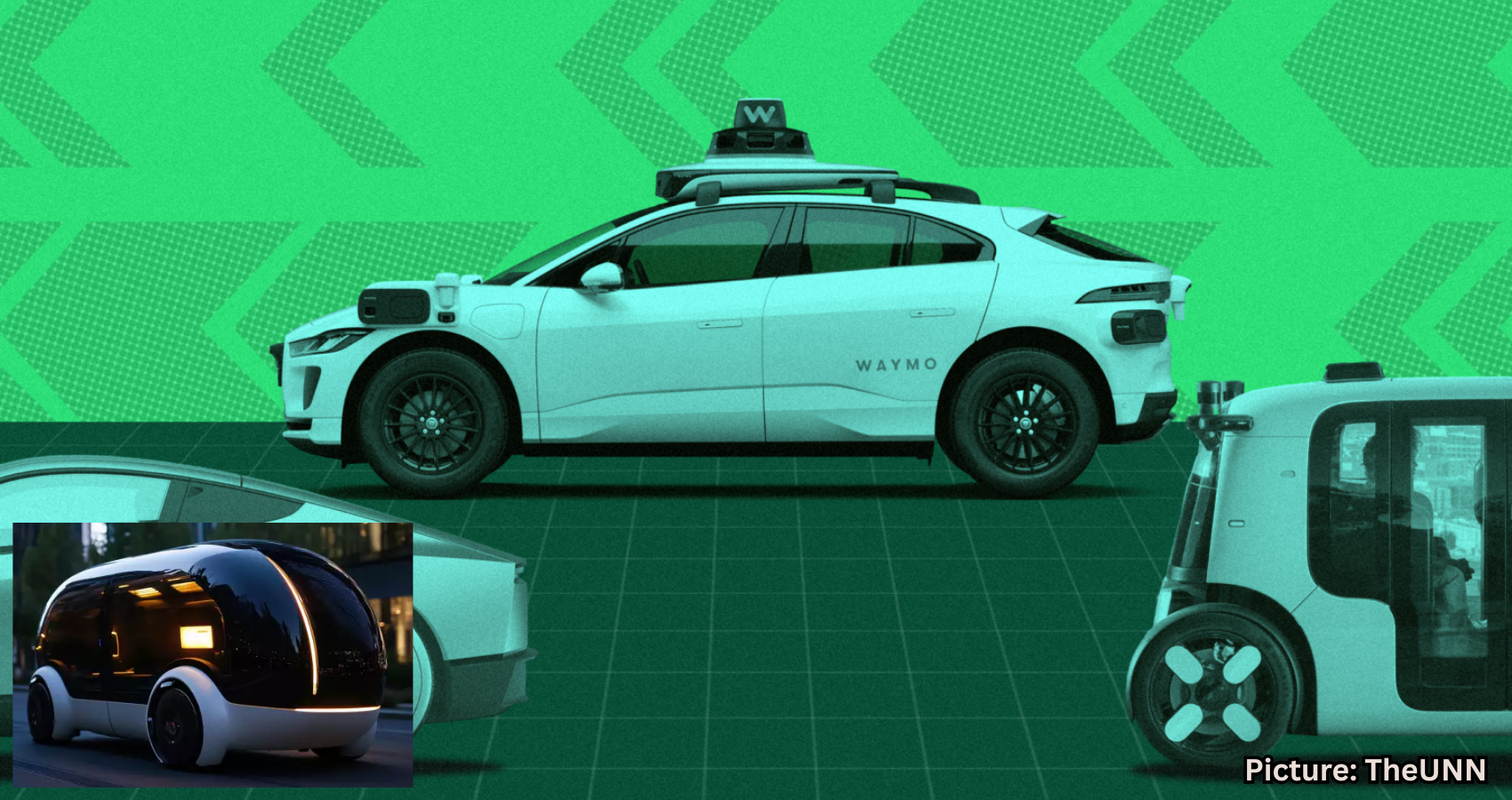
Protesters in Washington, D.C., voiced strong opposition to a proposal allowing Waymo robotaxis, fearing job losses for drivers and the impact on local communities.
A proposed initiative to introduce driverless rideshare vehicles in Washington, D.C., has sparked significant backlash from union workers, drivers, and community leaders. They argue that the implementation of robotaxis could lead to widespread job displacement.
Demonstrators gathered outside the John Wilson Building as D.C. council members convened to discuss legislation that would permit Waymo and other autonomous vehicle operators to offer commercial rides in the city. The protesters urged council members to reject the proposal, emphasizing that an influx of robotaxis would threaten the livelihoods of rideshare drivers.
“We came out here today strongly because we feel that these robotaxis will put people out of work,” one protester stated. “And people need jobs.”
Frederick, a protester from Virginia, expressed his concerns about the impact of robotaxis on the community. “I’m against robotaxis because it takes away from the community, it takes away from their jobs, it takes away food from their table,” he said. “People need jobs to be able to support their family.”
Sabrina, a Washington, D.C., resident, echoed these sentiments, stating, “It’s bulls—. Let’s not bring robots taking my neighbor’s jobs. My folks that drive for a living, let’s just not take their jobs.”
Another protester acknowledged that while autonomous vehicles could eliminate some driving jobs, the city should proactively address job issues by exploring alternatives. “We should take the offensive on job issues,” Michael from Washington, D.C., suggested. “We should shorten the workweek, without a loss in pay. So we’ll create more jobs in public transportation, in hospitals, in service industries. So we actually maybe will lose some jobs to taxi drivers, but we’ll create better paying jobs.”
The legislation in question, known as the Autonomous Vehicle Deployment Authorization Amendment Act of 2026, was introduced by Councilmember Charles Allen in May. It aims to establish a framework for commercial autonomous vehicles in D.C., which would be overseen by the District Department of Transportation.
Waymo has touted its safety record, claiming that its vehicles have been involved in 82% fewer injury-causing crashes and 95% fewer serious injury crashes compared to human drivers, based on data from over 270 million miles of autonomous driving.
Supporters of robotaxis argue that the technology could lead to lower fares due to the absence of a human driver. However, current comparisons indicate that Waymo’s pricing can vary significantly and is not consistently cheaper than traditional rideshare services like Uber and Lyft.
Protesters remain skeptical about the long-term affordability of robotaxis. “That’s just something just to…get our antennas up and have us saying, ‘Yeah, ooo, we’re gonna get cheaper rides,’” Sabrina remarked. “It might be cheap for the trial periods, and then all of a sudden we’ll be paying $50. So no, I don’t believe that. That’s just some crap just to get people engaged with the Waymo.”
Helen, a protester from Maryland, shared her observations from other cities, stating, “They seem the same price to me. They’re in other cities, and it seems like not much of a difference in the pricing.”
The proposed regulatory framework could potentially bring robotaxis to D.C. by 2028, initially limiting operators to 200 vehicles. Companies seeking commercial permits would need to demonstrate at least 180 days and 250,000 miles of autonomous vehicle testing within the District, along with plans to address disparities in service availability and wait times across the city’s eight wards.
A public hearing on the bill took place in July, but no vote has been scheduled yet. The legislation must receive approval from the entire council before self-driving cars can begin operating on the city’s streets.
“A worker should be at the table,” Metropolitan Washington Council, AFL-CIO President Samuel Epps told Fox News Digital during the protest. “We shouldn’t rush this.”
Another protester, Eddie, expressed his concerns about safety, stating, “I don’t think it’s good for the city. If my children are going to get in a car, I would prefer for a human to be driving.”
As discussions continue, the future of robotaxis in Washington, D.C., remains uncertain, with strong opinions on both sides of the debate. According to Fox News Digital, the outcome of the legislation could significantly impact the local workforce and the rideshare industry.