
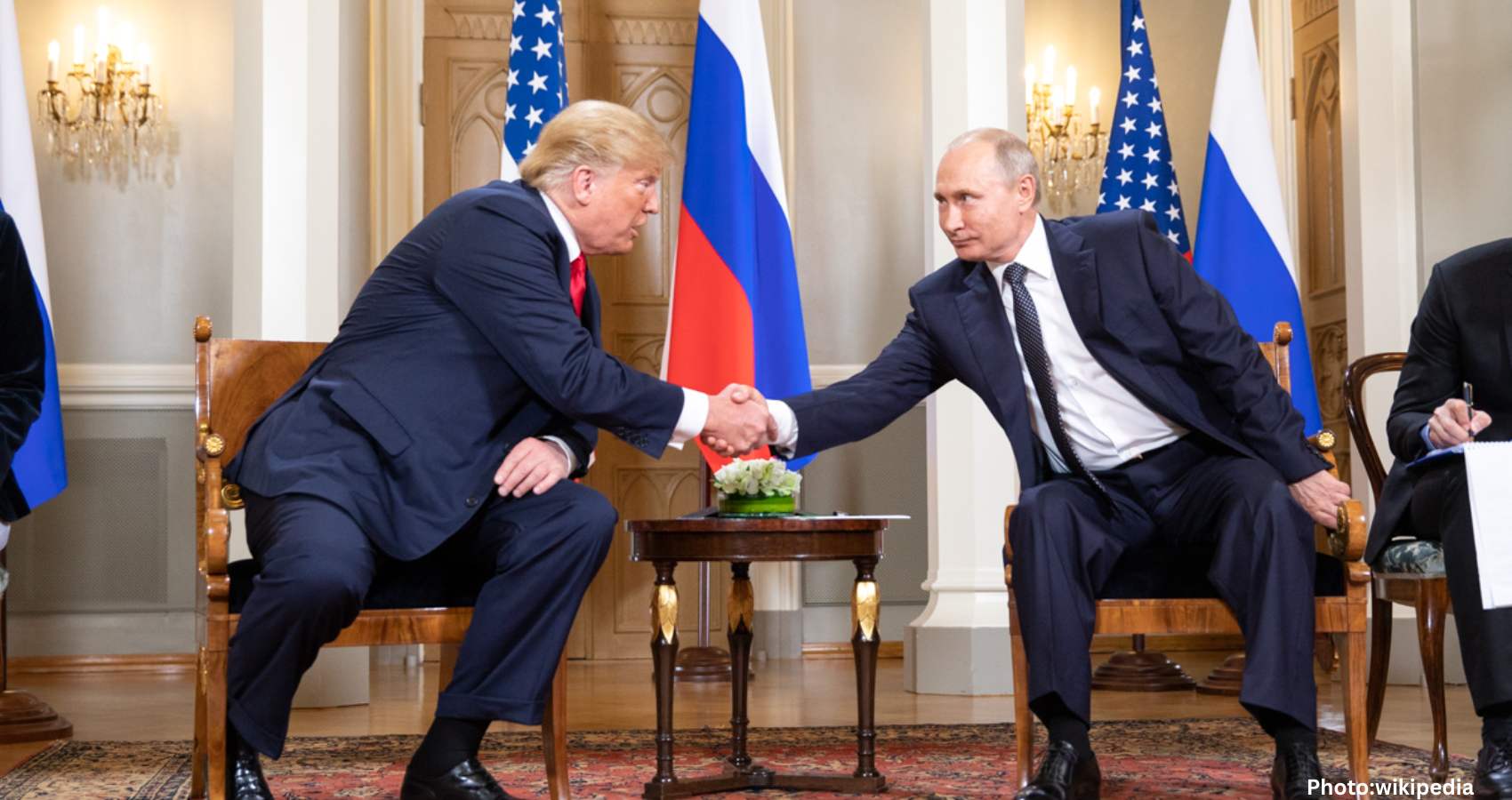
U.S. President Donald Trump’s reported diesel deal with Russian President Vladimir Putin has escalated tensions with Ukrainian President Volodymyr Zelenskyy amid ongoing conflict and disagreements over military strategy.
U.S. President Donald Trump’s reported diesel agreement with Russian President Vladimir Putin has ignited fresh tensions with Ukrainian President Volodymyr Zelenskyy. This development comes in the wake of disagreements regarding Ukraine’s attacks on Russian oil refineries and the broader implications for peace negotiations.
According to a U.S. official cited by Axios, Trump pursued the diesel deal after Kyiv allegedly disregarded multiple American requests to cease targeting Russian energy infrastructure. Zelenskyy has criticized the agreement, asserting that it serves to benefit Moscow while the war against Ukraine persists. The situation raises significant questions about U.S. support for Kyiv and the future of diplomatic efforts aimed at resolving the conflict.
As reported by Axios, the U.S. official indicated that Trump moved forward with the diesel deal after Zelenskyy ignored six requests to halt attacks on Russian oil refineries. The official claimed that these strikes had strained relations between Washington and Kyiv, diminishing the goodwill that Zelenskyy had cultivated with Trump over the preceding six months.
The agreement emerges at a time when global energy markets are under pressure from various geopolitical tensions, including the ongoing conflict involving Iran. Diesel prices are particularly crucial, as this fuel is essential for freight transport, agriculture, and industrial operations.
Zelenskyy has reportedly described the arrangement as inequitable, arguing that permitting Russia to sell diesel could provide Moscow with economic advantages while the war continues. He has also stated that Ukraine is willing to cease attacks on Russian oil refineries if Moscow agrees to halt strikes on Ukrainian power plants. However, the U.S. official noted that Trump does not view Ukraine’s refinery attacks as comparable to Russian strikes on Ukraine’s electricity infrastructure.
This disagreement underscores the differences between Washington and Kyiv regarding military strategy and negotiations with Moscow. Ukraine has increasingly targeted Russian oil refineries to disrupt fuel production and weaken the infrastructure supporting Russia’s war efforts.
Russian President Vladimir Putin has acknowledged that Ukraine’s refinery attacks have cost Russia approximately 1% of its gross domestic product. In response to domestic fuel supply concerns, Russia has also imposed restrictions on diesel exports.
The diesel deal comes amid ongoing diplomatic discussions involving U.S. envoys Steve Witkoff and Jared Kushner, Ukrainian representatives, and European officials. These talks have focused on security guarantees, reconstruction efforts, and potential terms for ending the war.
However, significant disagreements persist over territorial issues, security arrangements, and attacks on energy infrastructure. The diesel agreement adds another layer of complexity to these negotiations, with Kyiv expressing concerns that Moscow could gain economic benefits without making reciprocal concessions.
It is important to note that the deal does not signify a ceasefire. The next steps will depend on further negotiations and whether Russia and Ukraine can agree on concrete measures to reduce hostilities and advance peace efforts. The evolving situation continues to be closely monitored by international observers and stakeholders.
According to Axios, the implications of this deal could have lasting effects on the dynamics of the ongoing conflict and the international response to it.