
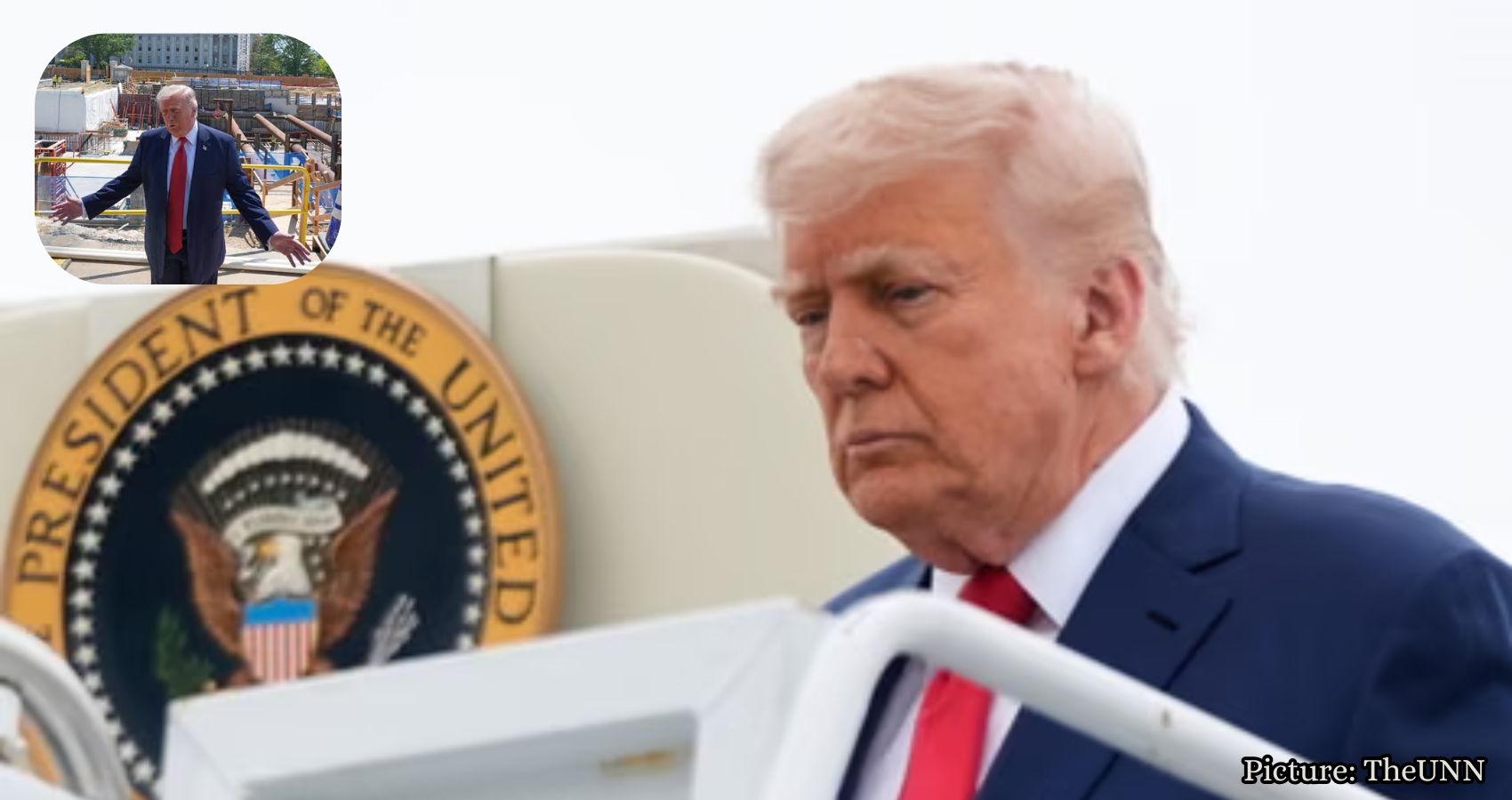
The U.S. government is refunding approximately $100 billion in tariffs collected during the Trump administration after a Supreme Court ruling deemed a portion of these tariffs illegal.
The U.S. government has initiated the process of refunding nearly $100 billion in tariffs that were collected under the Trump administration. This action follows a Supreme Court ruling that invalidated a significant portion of these tariffs, which were originally imposed as part of what was known as Trump’s ‘liberation day’ tariffs.
This refund represents about 60% of the total $165 billion collected from these tariffs. Customs officials confirmed the figure in reports submitted to the U.S. Court of International Trade (CIT) on Tuesday, as reported by the Financial Times.
Tariffs, which are taxes imposed on imported goods, played a crucial role in former President Donald Trump’s economic strategy. They were intended to stimulate domestic production, improve trade agreements, and address the federal budget deficit. However, the Supreme Court’s ruling in February 2025 invalidated a significant portion of the additional tariffs, requiring the government to return funds to the companies that initially paid them. This ruling reflects ongoing legal scrutiny of Trump’s trade policies, particularly regarding their alignment with international agreements and their impact on the domestic economy.
Despite the administration’s objectives, the federal budget deficit has continued to grow, reaching $1.37 trillion in the first nine months of fiscal year 2025. This figure represents a 2% increase compared to the same period in the previous fiscal year, even though the deficit had narrowed in the prior year due to rising tax revenues and tariff income. The increasing deficit raises questions about the effectiveness of the tariff strategy as a fiscal policy tool.
Recently, Trump introduced a new round of tariffs affecting over 80 countries, implemented to replace a previously existing 10% global duty that was set to expire. The new tariffs, which range from 10% to 12.5%, target a broad array of nations, including the United Kingdom, Mexico, Canada, Australia, India, China, and all 27 member states of the European Union. These tariffs have been enacted under Section 301 of the Trade Act of 1974, aimed at addressing trade practices perceived as unfair, particularly those involving forced labor.
In response to the recent tariffs, a coalition of 25 U.S. states has filed a lawsuit against the Trump administration, challenging the legality of these new levies. The lawsuit argues that the tariffs, which encompass 99.4% of U.S. imports from 59 countries and the EU, are merely a pretext to reinstate the import taxes that were struck down by the Supreme Court earlier this year. The coalition seeks a ruling from the CIT to halt the implementation of the tariffs, declare them unlawful, and mandate refunds for duties that have already been collected.
New York Attorney General Letitia James has been vocal in her criticism, stating that the Trump administration is “once again trying to illegally raise taxes on families and businesses with a new round of tariffs.” This comment underscores the ongoing tension between state officials and the federal government regarding trade policy and its implications for constituents.
The developments surrounding these tariffs reflect a broader debate over U.S. trade policy and its implications for domestic economic conditions and international relations. Advocates of tariffs assert that they can protect American jobs and industries, while critics contend that they often lead to increased costs for consumers and strain relations with trading partners. The complexity of these issues illustrates the ongoing struggle to balance domestic economic needs with international trade obligations.
As the legal challenges unfold and the economic impacts of these tariffs become clearer, the outcome will likely play a significant role in shaping future trade policy under the current administration and beyond. Various stakeholders, including businesses, state governments, and consumers, will be closely monitoring the situation as it evolves.
The refund of $100 billion in tariffs and the new legal challenges raise critical questions about the future trajectory of U.S. trade policy. The response of the Biden administration and its willingness to engage in dialogue with states and industries affected by these tariffs will be pivotal. Furthermore, the interplay between fiscal responsibility and trade strategy will remain a crucial topic of discussion in the coming months as the nation navigates the complexities of a globalized economy.
In summary, the ongoing issues surrounding tariffs, the Supreme Court’s ruling, and subsequent legal challenges highlight the contentious nature of trade policy in the United States. As the Biden administration continues to grapple with these challenges, the implications for American businesses, consumers, and the broader economy will be significant, according to Financial Times.