
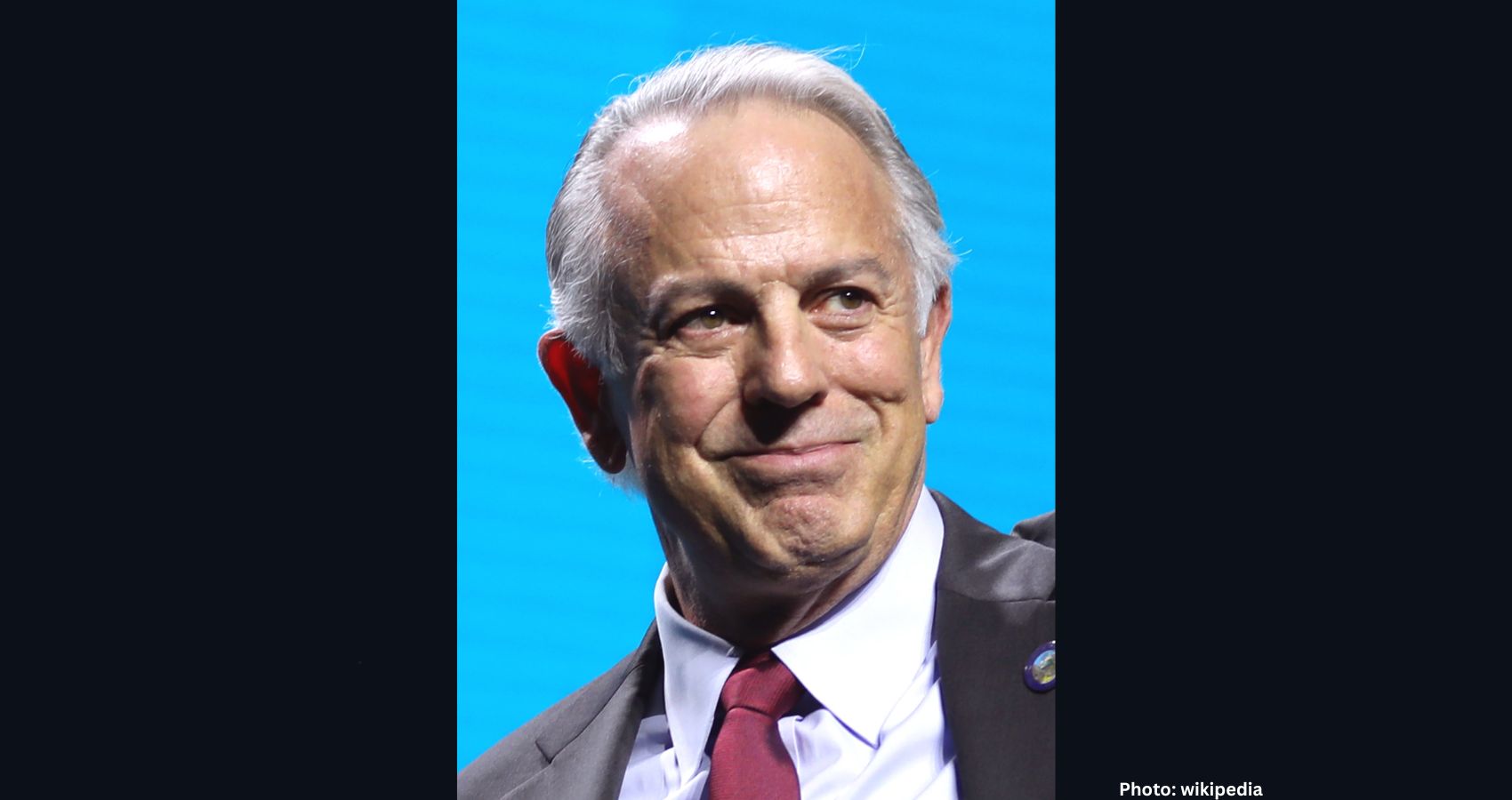
As the midterm elections approach, Nevada Governor Joe Lombardo’s campaign claims that Democratic opponent Aaron Ford’s policy proposals could impose an $18.1 billion burden on state residents over four years.
Nevada Governor Joe Lombardo’s campaign has released a report estimating that the policy proposals of his Democratic rival, Attorney General Aaron Ford, could cost taxpayers approximately $18.1 billion over the next four years. This figure includes nearly $8 billion in projected state spending, which Ford’s campaign has vehemently disputed.
The Lombardo campaign’s analysis assigns costs to 76 of Ford’s proposals, combining anticipated state spending with expenses that would be incurred by businesses and the federal government, ultimately impacting taxpayers. Ford’s team argues that the report fabricates implementation plans that were never part of his agenda and misclassifies certain federal and private costs as consequences of his platform.
According to the report, $7.93 billion would be required for direct state spending during a four-year term. Lombardo’s campaign contends that Nevada cannot sustain such spending without raising taxes, introducing new fees, or making cuts elsewhere. In contrast, Ford’s campaign asserts that many of the projected costs would not necessitate new state appropriations.
Mark Pingle, a professor at the University of Nevada, Reno, supported the report’s findings, stating, “Based on a review of Aaron Ford’s policy proposals, an estimated cost of $18 billion is a reasonable assessment.” He emphasized the need for clarity regarding how such a significant increase in spending would be financed and its implications for Nevada’s long-term financial stability.
Ford’s healthcare agenda is highlighted as the most expensive component of his proposals, with an estimated cost of $4.25 billion. This includes $3.5 billion earmarked for canceling medical debt and an additional $1.76 billion aimed at expanding healthcare affordability and access through Medicaid protections, workforce expansion, and preventive care initiatives.
In the realm of education, Ford’s K-12 plan is projected to cost $3.68 billion. This plan includes raising per-pupil funding to the national average, expanding pre-kindergarten programs, providing universal school meals, and increasing compensation for teachers and support staff.
Overall, the report estimates that Ford’s platform would incur costs of approximately $4.9 billion for education, $4.8 billion for housing, more than $6 billion for healthcare, about $1.5 billion for energy, and nearly $900 million for economic development. While the report suggests that households could benefit from $17.88 billion in savings and other advantages, it also indicates that businesses, the state, and the federal government would bear nearly equivalent costs.
In response to the report, Ford’s campaign spokesperson, Prerna Jagadeesh, criticized Lombardo’s administration, stating, “General Ford won’t be lectured by a governor who proposed a budget with a $335 million unconstitutional deficit and twice broke his pledge to never raise taxes.” She accused the Lombardo campaign of promoting a misleading report that mischaracterizes Ford’s policies and assigns fictitious costs to programs that would not impose any financial burden on the state.
Jagadeesh further asserted that the Lombardo campaign’s analysis was a desperate attempt to divert attention from a viral video showcasing Lombardo allegedly abusing his position to evade accountability for legal violations. She claimed that Nevadans are aware of Lombardo’s record of increasing costs for working families without offering viable solutions to their challenges.
The Ford campaign specifically disputes several of the report’s key assumptions, arguing that the Lombardo team inaccurately assigned costs to implementation measures that Ford did not propose. For instance, they contend that the report wrongly assumes Ford would allocate hundreds of millions to expand the state’s Battle Born health plans and partially replace federal Medicaid reductions. Instead, Ford’s platform advocates for outreach regarding the existing Battle Born program and federal advocacy to prevent or reverse Medicaid cuts, without necessitating new state appropriations.
When asked about Ford’s claims that the report assigns costs to proposals not included in his platform, the Lombardo campaign defended its analysis. They argued that fulfilling Ford’s campaign promises would inherently require funding for regulatory changes, enforcement initiatives, and expanded benefits, even if those costs were not explicitly identified by Ford’s campaign.
Former Nevada state Senator Ben Kieckhefer, who previously served as Lombardo’s chief of staff, expressed concerns regarding the sustainability of Ford’s proposals. He stated, “There is no realistic way to absorb costs of that scale without significant tax increases.” Kieckhefer emphasized that proposals of this magnitude warrant serious scrutiny, as Nevadans expect responsible budgeting and fiscal discipline.
Democratic lawmaker Daniele Monroe-Moreno, chair of the Assembly Ways and Means Committee, criticized the Lombardo report, claiming it employs “fake math” to misrepresent Ford’s policy positions. She asserted that Ford’s platform consists of “common-sense policies that will save Nevadans money at very little to no cost to the state.”
Ford has also faced scrutiny regarding his spending during his tenure as attorney general. In March, state records revealed that he accumulated over $410,000 in travel expenses since taking office in 2019, with reports indicating he spent more than 100 days outside of Nevada. A spokesperson for Ford’s office stated that these trips were related to his official duties and campaign activities, permissible under Nevada law.
Currently, Ford is under investigation by the Nevada Commission on Ethics for allegations of accepting improper gifts or benefits and misusing his office for personal gain, according to documents obtained by local outlets.
As the gubernatorial race heats up, Lombardo is seeking a second term and will face Ford in November in what is expected to be one of the most closely watched contests of the midterm elections.
According to Fox News, the outcome of this race could have significant implications for Nevada’s fiscal policies and governance.