
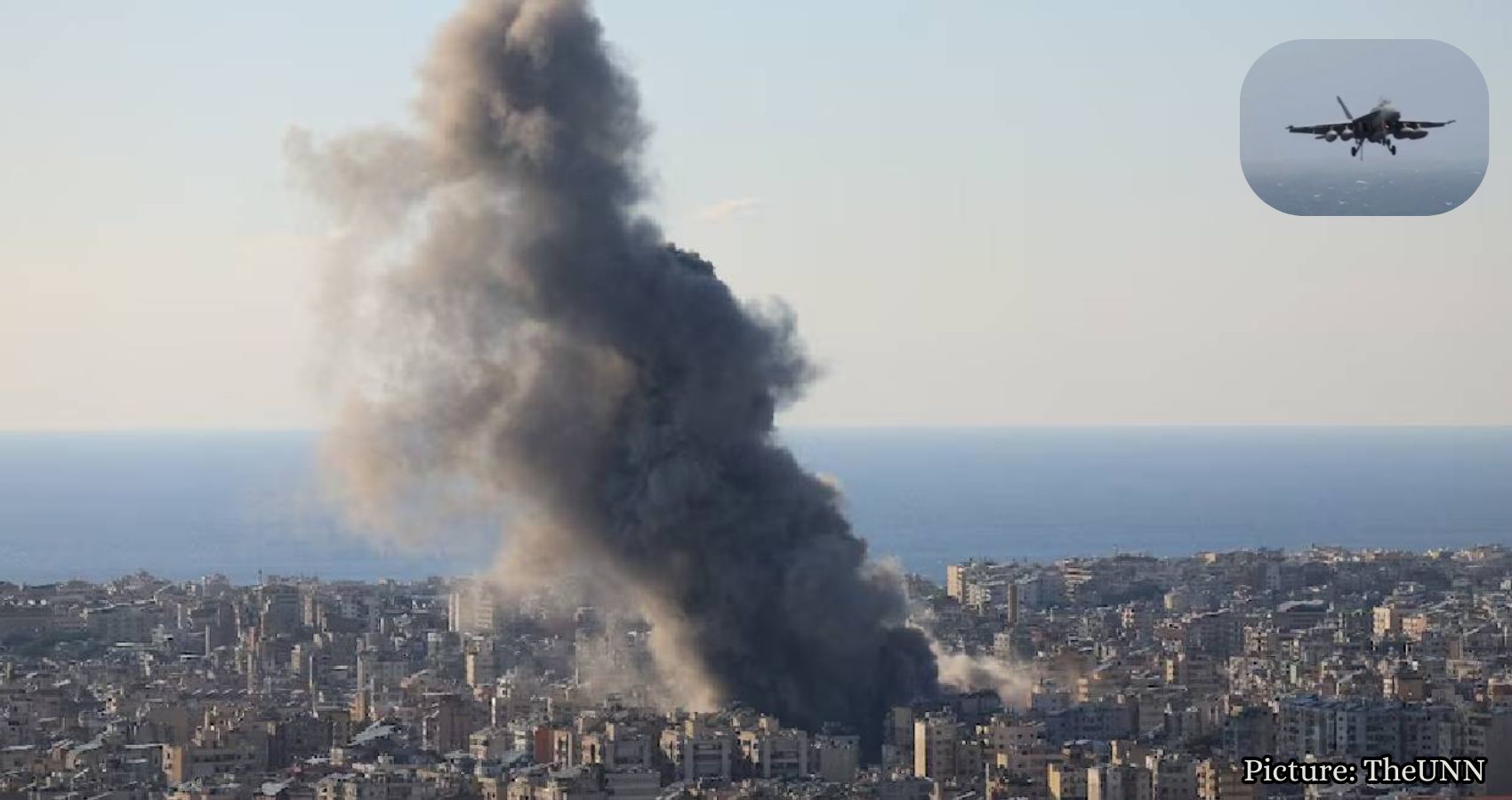
The United States has intensified military actions against Iran, targeting its military capabilities in the Strait of Hormuz amid escalating tensions and presidential warnings.
The United States has escalated military actions against Iran, specifically targeting Iranian military capabilities in the strategically critical Strait of Hormuz. This move comes as President Donald Trump issues stern warnings regarding Tehran’s conduct in the region.
On Wednesday evening, the U.S. military confirmed that it had launched new strikes against Iran, which President Trump framed as a necessary response to Tehran’s increasing aggression. This latest military escalation follows a series of incidents that have heightened tensions between the two nations, particularly regarding vital shipping routes essential for global oil supplies.
According to U.S. Central Command (Centcom), the recent military operations were aimed at Iranian military assets that threaten vessels navigating through the Strait of Hormuz. This narrow waterway is crucial for international trade, with approximately 20% of the world’s oil passing through it. Additionally, the U.S. military reported taking action against a ship attempting to violate its newly reinstated blockade of Iranian ports.
The escalation of hostilities follows Iran’s claims of having attacked U.S. military targets in the region, including installations in Bahrain and Kuwait. In a statement to state media, Iran’s chief negotiator, Mohammad Bagher Ghalibaf, asserted that Tehran had “no reason” to adhere to any agreements that do not align with its national interests. This statement raises significant concerns about the fragility of a preliminary deal intended to de-escalate the ongoing conflict.
Earlier this week, President Trump issued a stark warning to Iran, threatening to target critical infrastructure such as bridges and power plants if Tehran did not return to the negotiating table. When asked by reporters for a timeline on these threats, Trump stated, “I don’t like giving deadlines, but they pretty much know… they better behave.” At a defense summit, he elaborated on Iran’s dissatisfaction with U.S. actions, suggesting that a negotiated settlement may not be the administration’s preferred approach.
In response to the U.S. military actions and the renewed blockade of Iranian ports, Ghalibaf emphasized that Iran’s national security depends on maintaining its military capabilities in the Strait of Hormuz. He characterized the ongoing conflict with the U.S. as “existential,” indicating that both negotiation and military resistance are integral components of Iran’s broader strategic framework.
This cycle of threats and military engagement occurs against a backdrop of previous U.S. assertions regarding Iranian influence and military capabilities in the region. The Trump administration has consistently expressed concerns about Iran’s activities, labeling them as destabilizing to both regional and global security.
The ongoing tensions between the U.S. and Iran carry significant implications for international trade and energy markets. The strategic importance of the Strait of Hormuz cannot be overstated; any disruptions in this region can lead to considerable fluctuations in global oil prices, as evidenced by recent market reactions to military maneuvers and threats. Centcom reported that the latest U.S. strikes aimed to “further degrade Iran’s ability to attack commercial shipping” in the Strait.
Moreover, the U.S. has redirected two commercial vessels since the re-imposition of its blockade on Iranian ports, which had temporarily been lifted as part of a previous agreement. The resurgence of hostilities underscores the precarious nature of the diplomatic understandings that were reached just last month.
The international community has closely monitored these developments, with various leaders expressing concerns over the potential for conflict escalation. The United Nations’ human rights chief, Volker Türk, previously condemned threats against civilian infrastructure, cautioning that such actions could constitute war crimes under international law. The re-emerging hostilities complicate diplomatic efforts not only between the U.S. and Iran but also in the broader context of Middle Eastern geopolitics.
As these tensions unfold, the strategic maneuvers of both the U.S. and Iran will likely attract widespread scrutiny, particularly regarding their potential impacts on global oil markets and regional stability. The Trump administration’s approach, characterized by a combination of military pressure and diplomatic overtures, illustrates a complex interplay of strategies aimed at influencing Tehran’s behavior.
Looking ahead, the trajectory of U.S.-Iran relations remains uncertain. The Biden administration, which previously sought to re-engage Iran diplomatically, may find itself navigating a more volatile environment shaped by increased military confrontations. The situation is further complicated by domestic pressures within both nations, as public opinion shapes the political landscape surrounding foreign policy decisions.
In conclusion, the recent U.S. military strikes against Iran signal a critical juncture in the long-standing tensions between the two nations. With both sides demonstrating a willingness to engage in military actions, the potential for further escalation remains high, posing risks to global economic stability and regional peace, according to Source Name.