
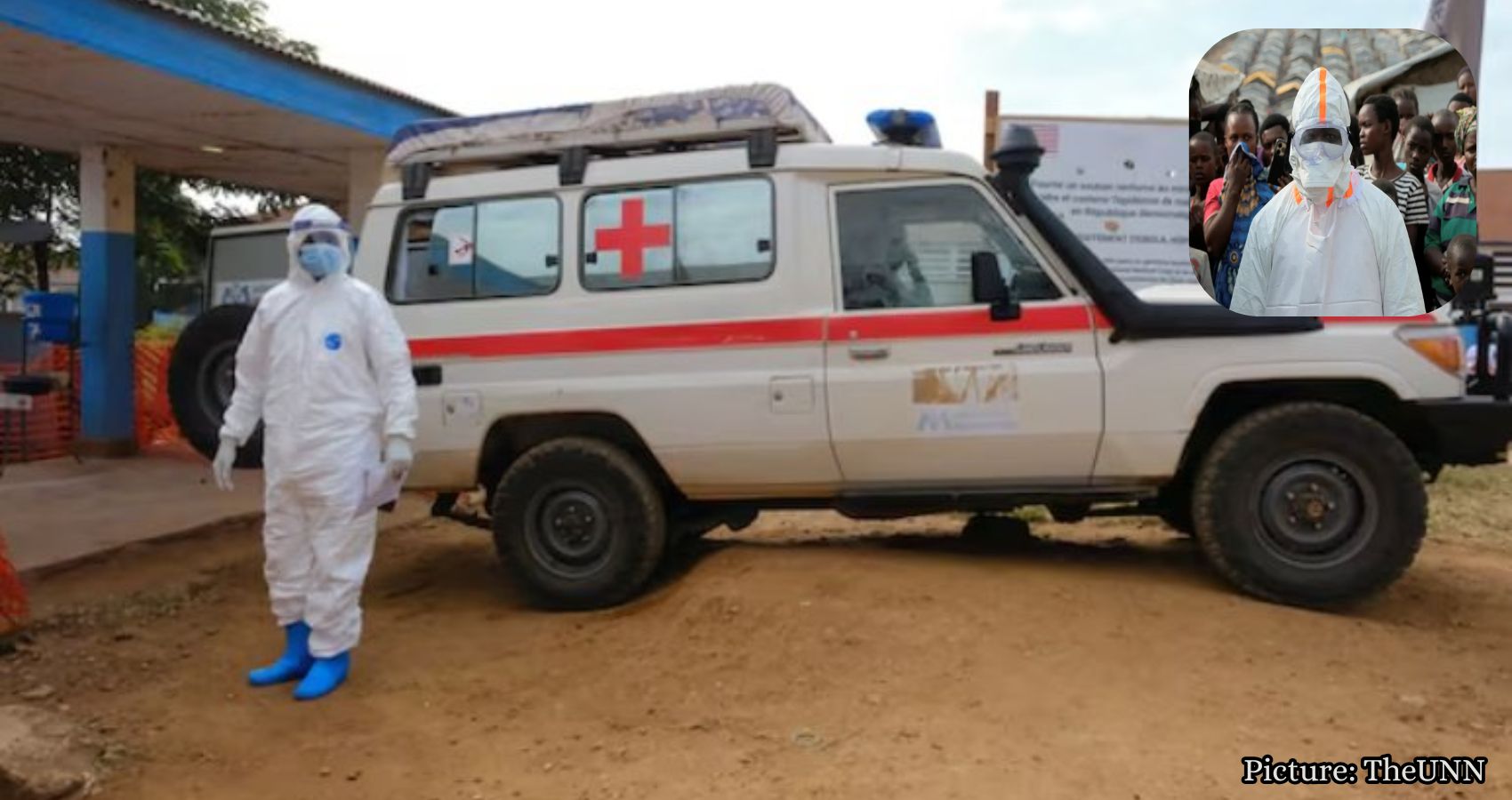
The Trump administration has implemented strict travel restrictions for U.S. citizens in the Democratic Republic of Congo due to a significant Ebola outbreak, requiring a 21-day stay in a third country before returning home.
The Trump administration has announced that U.S. citizens currently in the Democratic Republic of Congo will be barred from flying directly back to the United States. This decision comes in response to the escalating Ebola outbreak in the region and marks one of the most stringent travel restrictions since the public health emergency was declared.
Under the new policy, Americans who have been in Congo must spend a mandatory 21 days in a third country before they are allowed to board a commercial flight back to the U.S. Travelers affected by this measure will be placed on a federal “do-not-board” list unless they comply with the waiting period. The administration has stated that this action is being taken under federal transportation authorities to help prevent the spread of infectious diseases.
The timing of these restrictions coincides with the ongoing Ebola outbreak in Congo, which has seen a troubling rise in cases. Health authorities have reported 1,926 confirmed cases and 702 deaths across multiple provinces, making it one of the largest Ebola outbreaks in recent years. The World Health Organization has cautioned that the actual number of infections could be significantly higher, as many cases remain undetected.
This policy follows reports that at least two U.S. citizens working with humanitarian organizations in Congo have contracted the Ebola virus. One American was evacuated to Germany for treatment, while another case was managed with assistance from the U.S. Centers for Disease Control and Prevention (CDC) and the State Department.
Federal officials have indicated that both the CDC and the State Department will continue to provide support to Americans affected by the new travel restrictions. The United States has also been actively contributing funding and personnel to international Ebola response efforts and is considering the establishment of quarantine facilities outside the country to manage exposed Americans.
However, the decision has faced criticism from some public health experts and humanitarian organizations. Critics argue that requiring Americans to remain in third countries could deter medical volunteers from working in outbreak zones and complicate emergency response efforts. They also express concern that these restrictions shift the burden of care for infected patients to other nations rather than enhancing domestic preparedness.
The Democratic Republic of Congo has been grappling with the Bundibugyo strain of Ebola since May. Unlike the more prevalent Zaire strain, there is currently no approved vaccine specifically targeting the Bundibugyo variant, which complicates containment efforts. Health officials have identified several significant challenges to controlling the outbreak, including insecurity, population displacement, and attacks on healthcare facilities.
The latest travel restrictions reflect the Trump administration’s broader strategy aimed at keeping Ebola cases from entering the United States. Previous measures have included enhanced airport screening, limitations on travelers from affected regions, and plans for offshore quarantine facilities for Americans who may have been exposed to the virus.
As the situation continues to evolve, the administration’s policies will likely remain under scrutiny from public health experts and humanitarian organizations alike, who advocate for a balanced approach that prioritizes both public health and the needs of those working in affected areas.
According to The American Bazaar, the implications of these restrictions could have far-reaching effects on the response to the outbreak and the willingness of medical professionals to engage in humanitarian efforts in high-risk regions.