
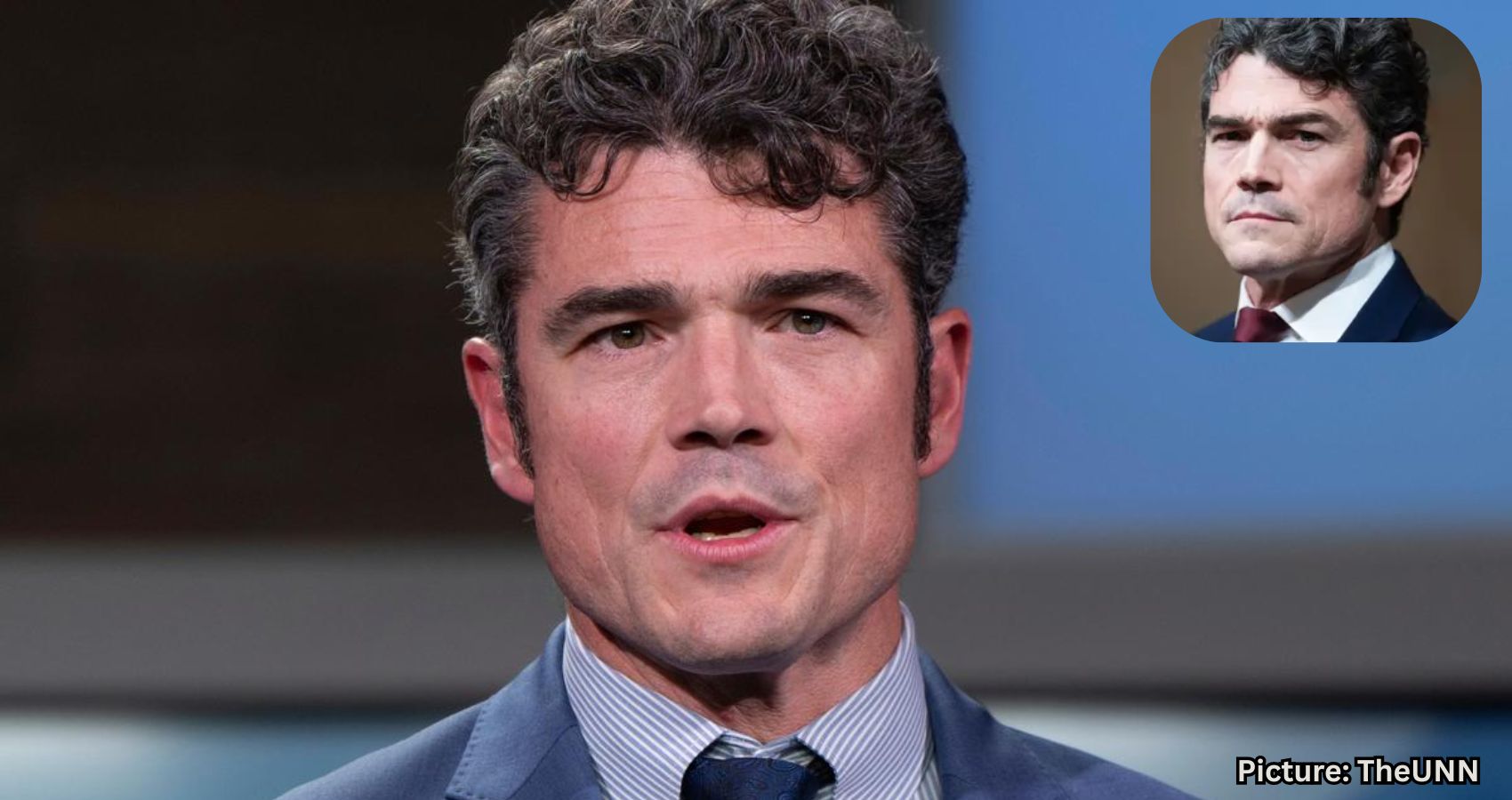
Britain’s defense secretary, John Healey, has resigned, citing inadequate military funding amid escalating threats from Russia and increased NATO demands, posing a significant challenge for Prime Minister Keir Starmer.
John Healey, the United Kingdom’s defense secretary, resigned on Thursday, accusing Prime Minister Keir Starmer’s government of failing to sufficiently fund the military in light of rising threats from Russia and increasing demands from NATO. His departure represents a significant political setback for Starmer, particularly with the NATO summit approaching in July.
In a pointed resignation letter, Healey expressed concern that the government had not committed the necessary resources to implement Britain’s long-term defense strategy. He warned that the armed forces risk being underfunded and lacking the personnel and industrial capacity needed to address escalating security challenges.
“This new era for defense required further investment through the Defence Investment Plan,” Healey wrote. “Since then, you have been unable, and the Treasury has been unwilling, to commit the resources that the nation needs to defend the country at this time of rising threats.”
As European governments have pledged significant increases in defense spending, they continue to grapple with the political and fiscal realities of rebuilding their armed forces after decades of cuts following the Cold War. This situation has gained urgency, especially as former President Donald Trump has urged European nations to take on a greater share of their own defense responsibilities.
Healey’s resignation appears to stem from disagreements over the pace and scale of future defense spending. He advocated for the UK to allocate 3% of its gross domestic product to defense by 2030, criticizing a government funding plan that would only reach 2.68% by the end of the decade.
“The Government cannot warn about Russia, Iran, and China, then produce a Defence Investment Plan that leaves the Armed Forces short of the money, people, stockpiles, and industrial capacity needed to meet that threat,” said Retired British Army Major Andrew Fox, a senior associate fellow at the Henry Jackson Society. “For Keir Starmer, this is now a test of seriousness. A Defence Secretary resigning over national security tells our allies, our enemies, and our own troops that Britain’s defense ambitions are not being properly funded.”
Healey had been one of Starmer’s most loyal cabinet members, defending the prime minister during recent internal unrest within the Labour Party. His resignation adds to the pressure on Starmer, who is already facing scrutiny regarding his political future following a series of electoral setbacks and growing discontent within his party.
The timing of this dispute is critical for NATO, as alliance leaders have recently agreed to significantly increase defense spending targets due to ongoing concerns about Russia’s military ambitions. Additionally, there has been pressure from Trump for European allies to take on a greater share of their defense burdens.
Healey had been vocal in Parliament about Starmer’s commitment to publish the Defence Investment Plan ahead of the NATO summit on July 7. However, he learned about the final details of the spending settlement just days before his resignation, according to the Guardian.
In recent weeks, Europe’s flagship Future Combat Air System, a sixth-generation fighter project, collapsed after prolonged disputes between France and Germany. This incident has raised new doubts about the continent’s ability to execute major defense initiatives, despite repeated commitments to strengthen military capabilities.
Robert Jenrick, a prominent figure in Reform UK, praised Healey’s decision to resign and directly criticized Starmer and Chancellor Rachel Reeves. “Good on Healey. Shame on them. Reeves and Starmer should go too,” he stated.
Liberal Democrat leader Ed Davey echoed these sentiments, arguing that Healey’s resignation highlights the urgent need for the government to allocate greater resources to national defense. He emphasized that Labour must “get serious about funding our armed forces properly.”
As one of NATO’s most significant military powers, Britain faces increasing scrutiny regarding whether its armed forces are adequately sized and funded to maintain the leadership role that successive governments have promised. The UK’s parliamentary defense committee has recently warned that while the UK remains a leading military power in Europe, its ability to uphold that status is under growing pressure.
According to Fox News Digital, the implications of Healey’s resignation could resonate beyond the UK, affecting perceptions of Britain’s commitment to NATO and its allies.