
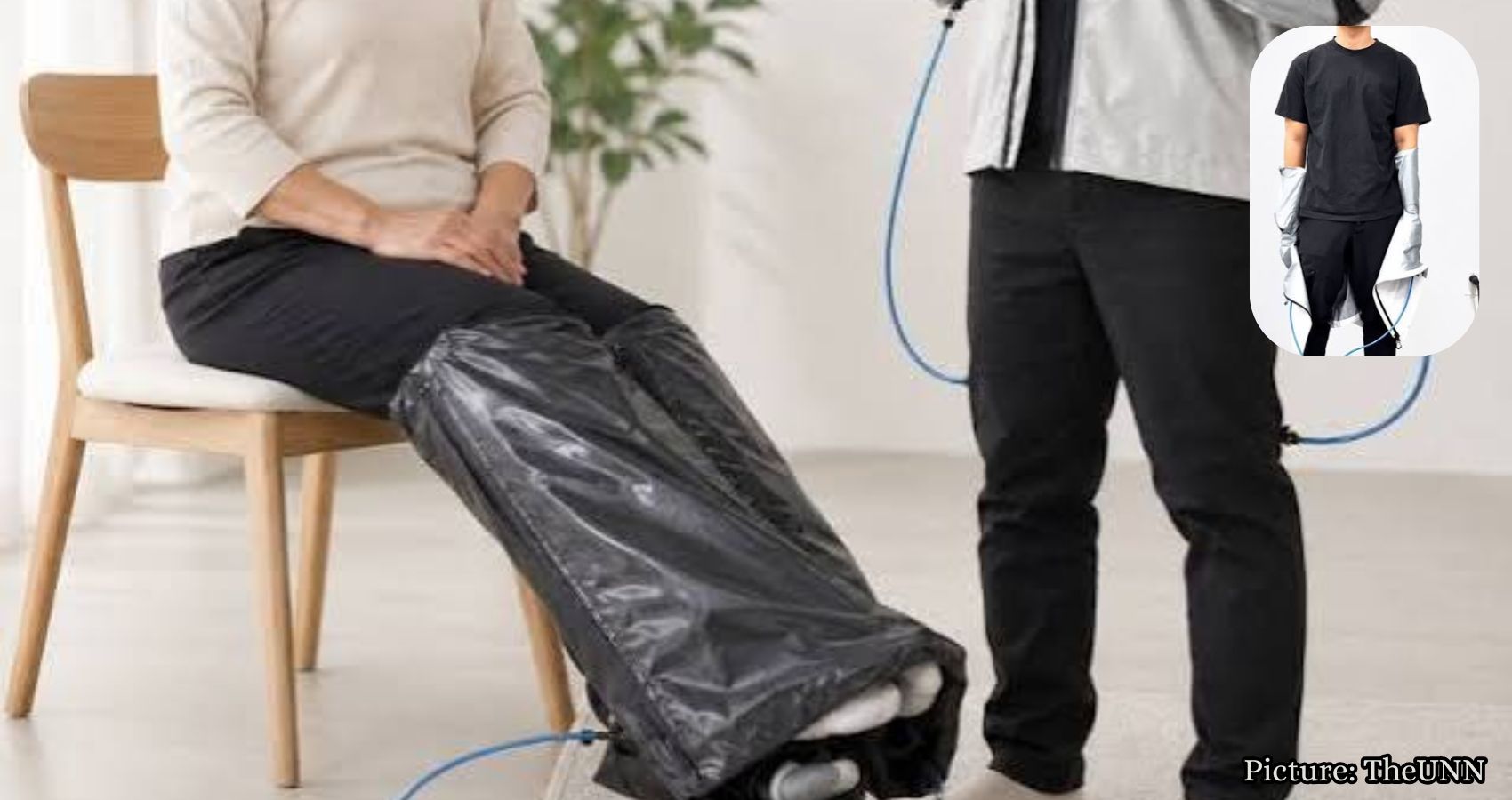
Researchers from KAIST and Stanford University have developed self-dressing clothes that utilize soft robotic tubes to assist older adults in getting dressed independently.
Getting dressed is a routine task that many people take for granted, but for older adults or those with mobility challenges, it can become a significant hurdle. Researchers from South Korea’s KAIST and Stanford University are exploring a groundbreaking solution: self-dressing clothes equipped with soft, air-powered robotic tubes that help guide garments into place.
These innovative garments are designed to assist individuals who may struggle with traditional dressing due to conditions such as arthritis, shoulder injuries, or balance issues. The technology, still in the early research phase, aims to enhance the independence of older adults, allowing them to dress themselves with minimal assistance and maintain their autonomy at home.
According to the researchers, dressing is a complex activity that requires a range of movements, including reaching behind the body and lifting arms. For those with limited mobility, these actions can be painful or difficult, often necessitating help from family members or caregivers. The self-dressing clothes are intended to alleviate some of these challenges, potentially reducing reliance on external assistance.
The system, named SWAG, which stands for Self-Wearing Adaptive Garment, incorporates flexible robotic tubes into the fabric. When activated, these tubes use air pressure to unfold and guide the garment into position on the wearer’s body. This process takes approximately 10 seconds for a full suit, with individual components like jackets and pants taking slightly longer—around 13 and 21 seconds, respectively.
The concept originated when KAIST postdoctoral researcher Nam Gyun Kim found himself caught in the rain while biking. He wondered how beneficial it would be if a raincoat could automatically put itself on. This idea sparked the development of garments that could assist wearers in dressing without requiring them to perform the physical exertion typically involved.
In their tests, the researchers found that the garments could effectively unfold along the body while maintaining safety limits for contact forces. Unlike traditional dressing robots that use rigid mechanical arms, the SWAG system integrates the robotic mechanism directly into the clothing. This design allows the garment to conform to the wearer’s shape, reducing friction and enhancing comfort.
The potential applications for this technology extend beyond assisting older adults. The researchers also envision its use in rehabilitation settings, where patients recovering from injuries may benefit from easier dressing. Additionally, industries that require quick donning of protective clothing, such as semiconductor manufacturing and emergency services, could find value in this innovative approach.
While the current prototype is tethered to a pneumatic base station, the research team has not yet announced a consumer price or release date. Several practical considerations remain, including the need for garments to accommodate various body shapes and movement patterns, as well as addressing issues related to washing, storage, and portable air power.
Future iterations may incorporate adjustable materials to fit a wider range of users, and the researchers aim to automate the garment-loading process for greater efficiency. However, before this technology can be widely adopted, clinical trials involving individuals with mobility impairments will be crucial. These trials will help determine the comfort and reliability of the garments in real-world settings, as well as explore how the clothing can be removed safely.
Although self-dressing clothes may seem like a futuristic concept, the underlying need for such technology is clear. For many older adults, the ability to dress independently can significantly enhance their quality of life, providing them with greater privacy and confidence. As researchers continue to refine this technology, it offers a promising glimpse into how assistive devices can support independence in daily routines.
While it may be some time before self-dressing clothes become a common sight in stores, the ongoing research highlights the potential for technology to transform everyday tasks. For those who struggle with dressing due to physical limitations, these garments could represent a significant step toward maintaining independence and improving overall well-being.
As the development of self-dressing clothes progresses, it raises an important question: Would you or someone you care about consider using such technology to enhance independence? The conversation around assistive technology continues to evolve, and the possibilities are both exciting and hopeful.
For more information on this research, refer to Source Name.