
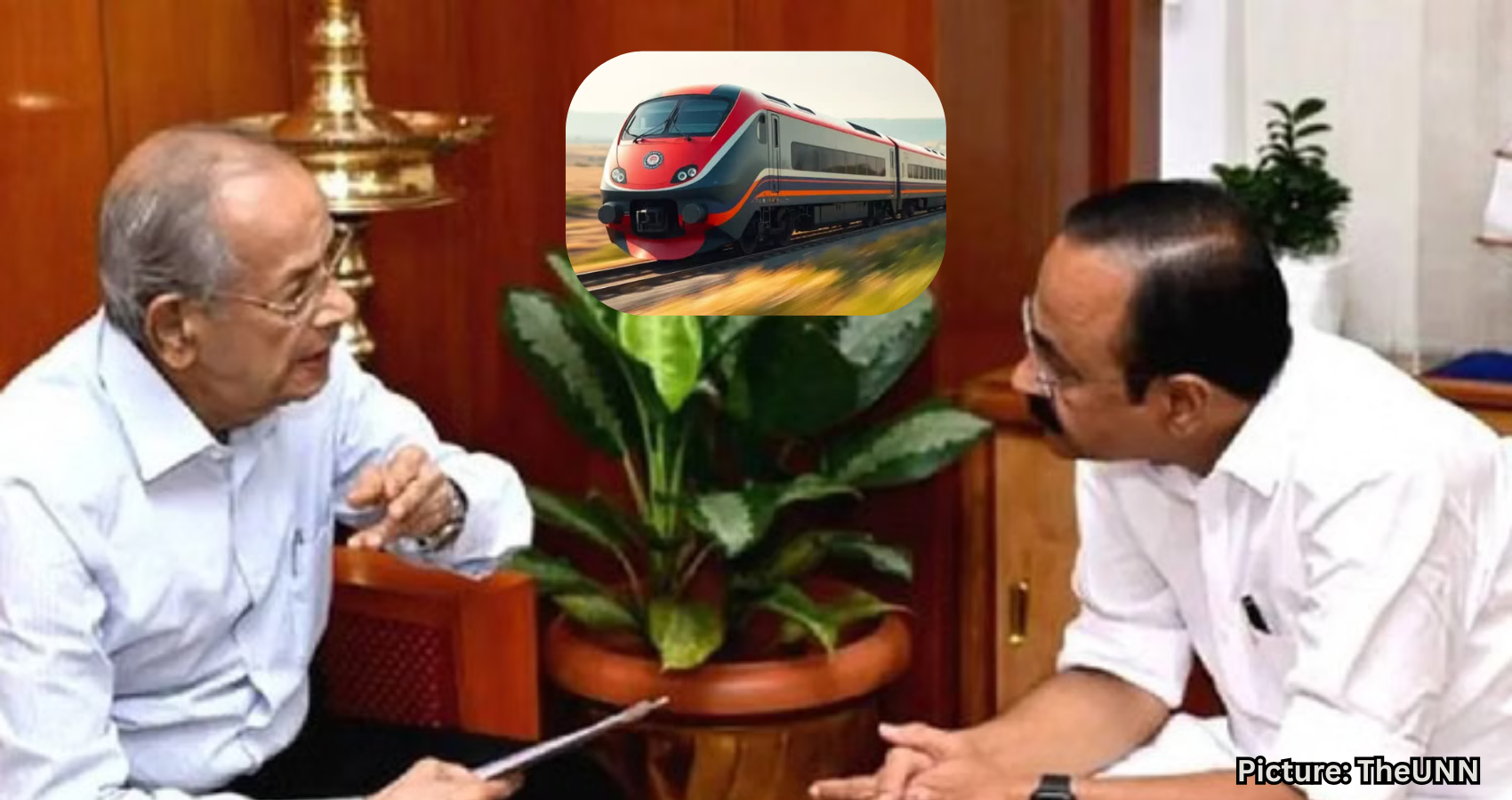
E Sreedharan has proposed a new high-speed rail plan to Kerala’s Chief Minister following the cancellation of the controversial SilverLine project, focusing on sustainability and minimal displacement.
E Sreedharan, known as ‘Metroman’ for his pivotal role in developing urban rail systems across India, has submitted a new high-speed rail proposal to Kerala Chief Minister V D Satheesan. This proposal comes in the wake of the Congress-led Kerala government’s decision to cancel the SilverLine project, which had been initiated by the previous Communist Party of India (Marxist) (CPM) administration and faced significant public opposition due to environmental and social concerns.
In a meeting with Chief Minister Satheesan on May 29, 2026, Sreedharan emphasized that his alternative plan would greatly reduce environmental impact and minimize the displacement of residents. These factors were central to the criticisms that ultimately led to the termination of the SilverLine project.
The SilverLine project was designed as a 532-kilometer high-speed rail corridor intended to connect major urban centers in Kerala, including Thiruvananthapuram and Kozhikode. However, it encountered strong resistance from various stakeholders, including environmental activists and local communities. The primary concerns revolved around the extensive land acquisition necessary for the project, which was expected to displace thousands of families and disrupt local ecosystems. Critics highlighted the potential for mass displacement and the adverse effects on the environment, particularly in areas where the rail line was planned to be constructed.
In light of these challenges, the Kerala government, under Chief Minister Satheesan, announced the cancellation of the SilverLine project earlier this month. In his public statement, Satheesan underscored the importance of pursuing an environmentally friendly alternative that would meet the demand for high-speed transportation while protecting local communities and natural habitats.
Sreedharan’s alternative proposal outlines a reconfigured railway alignment aimed at minimizing land acquisition and enhancing station accessibility. He has suggested that the rail line would primarily consist of elevated and underground sections, which would reduce the land footprint and the number of residents affected by construction. Through this approach, Sreedharan seeks to develop a high-speed rail system that is not only efficient but also adheres to modern sustainability practices.
During his presentation, Sreedharan stated, “Our goal is to create a transport system that meets the needs of the population while ensuring minimal disruption to the environment and local communities. By adopting an elevated and underground design, we can significantly limit the adverse impacts associated with traditional rail projects.” His commitment to environmentally conscious engineering reflects a growing trend in the infrastructure sector, where stakeholders are increasingly prioritizing sustainable development.
The cancellation of the SilverLine project and the introduction of Sreedharan’s alternative plan mark a significant shift in Kerala’s political landscape. The previous administration had promoted the project as a means to modernize the state’s transportation infrastructure and stimulate economic growth. However, public sentiment has increasingly favored environmental preservation, prompting a reevaluation of such large-scale initiatives.
The Kerala government’s decision to focus on more sustainable transportation solutions aligns with a broader trend across India, where environmental considerations are becoming more integral to public policy. As states navigate the dual challenges of infrastructure development and ecological conservation, Sreedharan’s proposal may serve as a model for future projects, balancing economic needs with environmental stewardship.
As the Kerala government evaluates Sreedharan’s proposal, several crucial factors will need to be addressed, including funding mechanisms, the technological feasibility of the proposed rail system, and the level of public support. Achieving consensus among stakeholders—including local communities, environmental groups, and policymakers—will be vital for the successful implementation of any high-speed rail initiative.
Moreover, the government must engage in comprehensive planning that not only tackles the technical specifications of the rail system but also anticipates the social implications for communities that may be affected by construction and operation. The political and social ramifications of this proposal could shape future infrastructure decisions in Kerala and set a precedent for similar projects throughout India.
Looking ahead, the outcome of Sreedharan’s proposal could redefine the discourse surrounding transportation infrastructure in Kerala. By exploring alternative, environmentally conscious solutions, the Kerala government may establish a new standard for balancing development needs with ecological preservation. This initiative could not only fulfill the state’s transportation objectives but also contribute to a broader narrative about responsible infrastructure investment in India, highlighting the potential for sustainable growth amid the challenges posed by climate change and urbanization, according to GlobalNet News.