
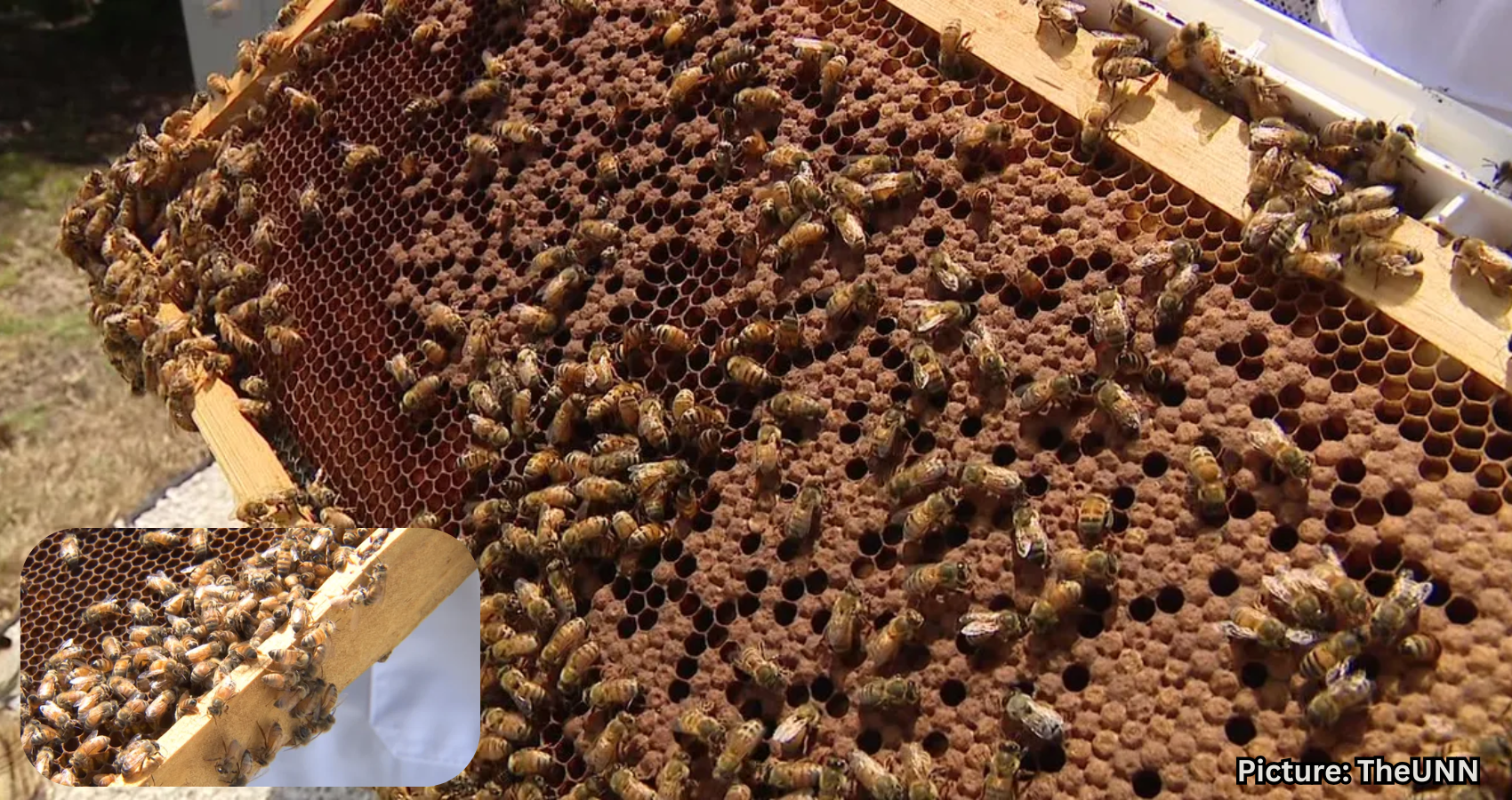
A Florida community has introduced AI-powered robotic beehives to combat declining bee populations, which are essential for pollinating approximately 75% of the nation’s crops.
A community in Florida has taken a significant step towards protecting declining bee populations by deploying AI-powered robotic beehives. This initiative comes amid growing concerns about the future of the U.S. food supply, as bees are responsible for pollinating roughly 75% of the crops consumed by Americans.
The Angeline development in Land O’ Lakes has become the first master-planned community to install Beewise’s automated BeeHome system. This innovative technology utilizes robotics, sensors, and artificial intelligence to monitor hive health and safeguard colonies from various environmental threats.
Bee populations across the United States are under increasing pressure from parasites, pesticides, diseases, and extreme weather conditions, all of which pose significant risks to agriculture nationwide. “Bees pollinate roughly 75% of the crops we eat and about 80% of flowering plants around the world,” said Beewise Managing Director Steve Peck. “So, without those bees, our food supply is in jeopardy.”
The Angeline community relies on bees to pollinate a 2.5-acre farm that provides produce used throughout the development. The BeeHome system employs internal cameras, sensors, and robotic components to inspect hives and identify issues that typically require manual oversight from beekeepers.
“The robotics know where it is in the frame or where it is in the hive at any point,” Peck explained. “It can pick it up just like a beekeeper would, inspect it, and report that back to technicians around the world.”
The automated system is designed to monitor queen health, egg production, and infestations from varroa mites, which are among the leading causes of colony collapse in honeybee populations. Peck noted that the technology can also respond automatically when threats to the hive are detected.
“We can treat them within the hive by moving them to a new part of the home that raises the temperature,” he said. “It’s enough to kill the mites, but not the bees. And there, we can prevent that colony collapse, and have shown, basically a 70% reduction to what we’re seeing naturally around the world.”
The BeeHome technology is already in operation across hundreds of thousands of acres of agricultural land throughout the country. Project officials emphasize that this system is intended to support, rather than replace, traditional beekeeping practices, especially as environmental pressures continue to threaten bee colonies.
<p”Every day, bees run the risk of being destroyed due to just the weather and elements and pesticides,” said Lisa Gibbings with Metro Development Group.
The issue of declining bee populations has garnered increasing national attention in recent years. This includes expanded beekeeping efforts at the White House, where former First Lady Melania Trump initiated a program to add new bee colonies to the grounds as part of an expanded pollinator and honey production initiative.
As farmers and agricultural experts continue to express concern over the health of bee populations, it is clear that pollinators play a critical role in food production and ecosystem stability across the United States. The introduction of AI-powered robotic beehives represents a promising advancement in the ongoing effort to protect these vital creatures.
According to FOX 13 Tampa Bay, the innovative technology could be key in addressing the challenges faced by bee populations and, in turn, safeguarding the future of agriculture in the U.S.