
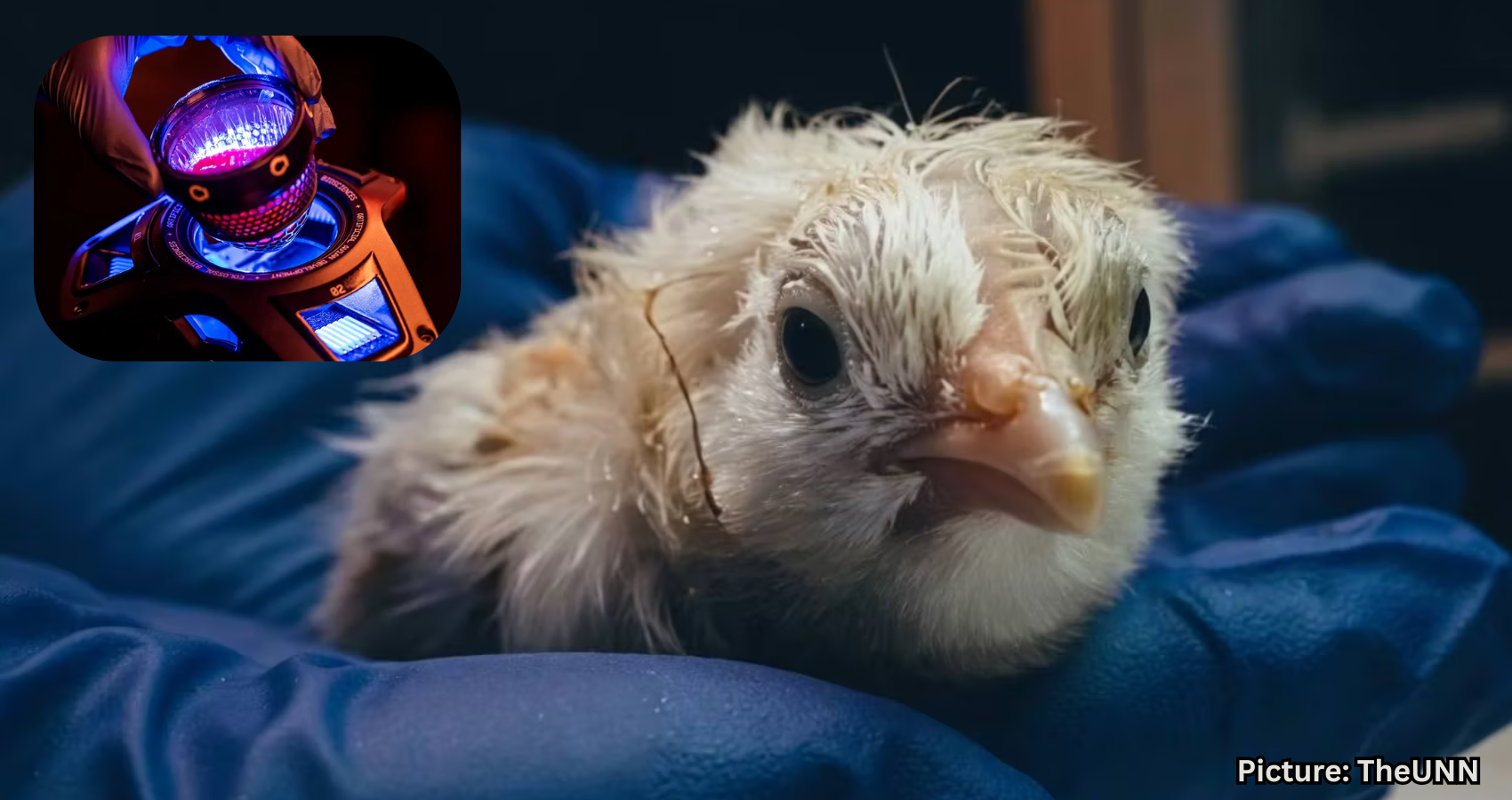
Colossal Biosciences has achieved a significant milestone by hatching live chicks from artificial eggs, marking a potential step toward reviving extinct species like the dodo and giant moa.
A Texas-based biotechnology company, Colossal Biosciences, has successfully hatched live chicks from artificial eggs for the first time. This groundbreaking achievement could pave the way for the revival of extinct birds, such as the dodo and the giant moa.
Colossal Biosciences developed a reusable titanium egg lined with a bioengineered membrane designed to replicate the oxygen transfer capabilities of a natural eggshell. Utilizing this innovative technology, scientists were able to hatch 26 healthy chickens while meticulously monitoring their development from embryo to birth, as reported by The New York Post.
“We didn’t just copy nature,” said Ben Lamm, CEO and co-founder of Colossal Biosciences. “We tried to re-engineer it.”
The chicks will remain at the company’s avian facility for their entire lives, according to Lamm. Researchers believe that this technology could enhance hatch rates for endangered bird species and support the company’s broader mission to resurrect extinct species, including the dodo and the moa.
The moa was a massive flightless bird that once inhabited New Zealand, weighing up to 500 pounds before its extinction due to hunting centuries ago. The artificial egg developed by Colossal is compatible with standard incubators and has the potential to support eggs as large as those laid by moa birds.
Before expanding the technology further, Colossal plans to conduct additional tests using emu and ostrich eggs. The company is actively pursuing its moa revival project in collaboration with New Zealand’s Ngāi Tahu Research Centre and filmmaker Peter Jackson, who is an investor in Colossal Biosciences.
Lamm expressed optimism about the timeline for these projects, stating that the company believes the moa could be brought back by the early 2030s, while the dodo might be revived within four to five years.
“The avian reproductive toolkit has lagged behind mammalian systems for decades because birds present unique developmental challenges,” said Dr. Beth Shapiro, chief science officer of Colossal. “The artificial egg changes that.”
This breakthrough in avian reproduction not only represents a significant scientific advancement but also raises intriguing possibilities for conservation efforts aimed at endangered and extinct species.
As the technology continues to develop, it could play a crucial role in addressing the challenges faced by avian species around the world, potentially altering the future of conservation and species revival.
For more details on this innovative project, see The New York Post.