
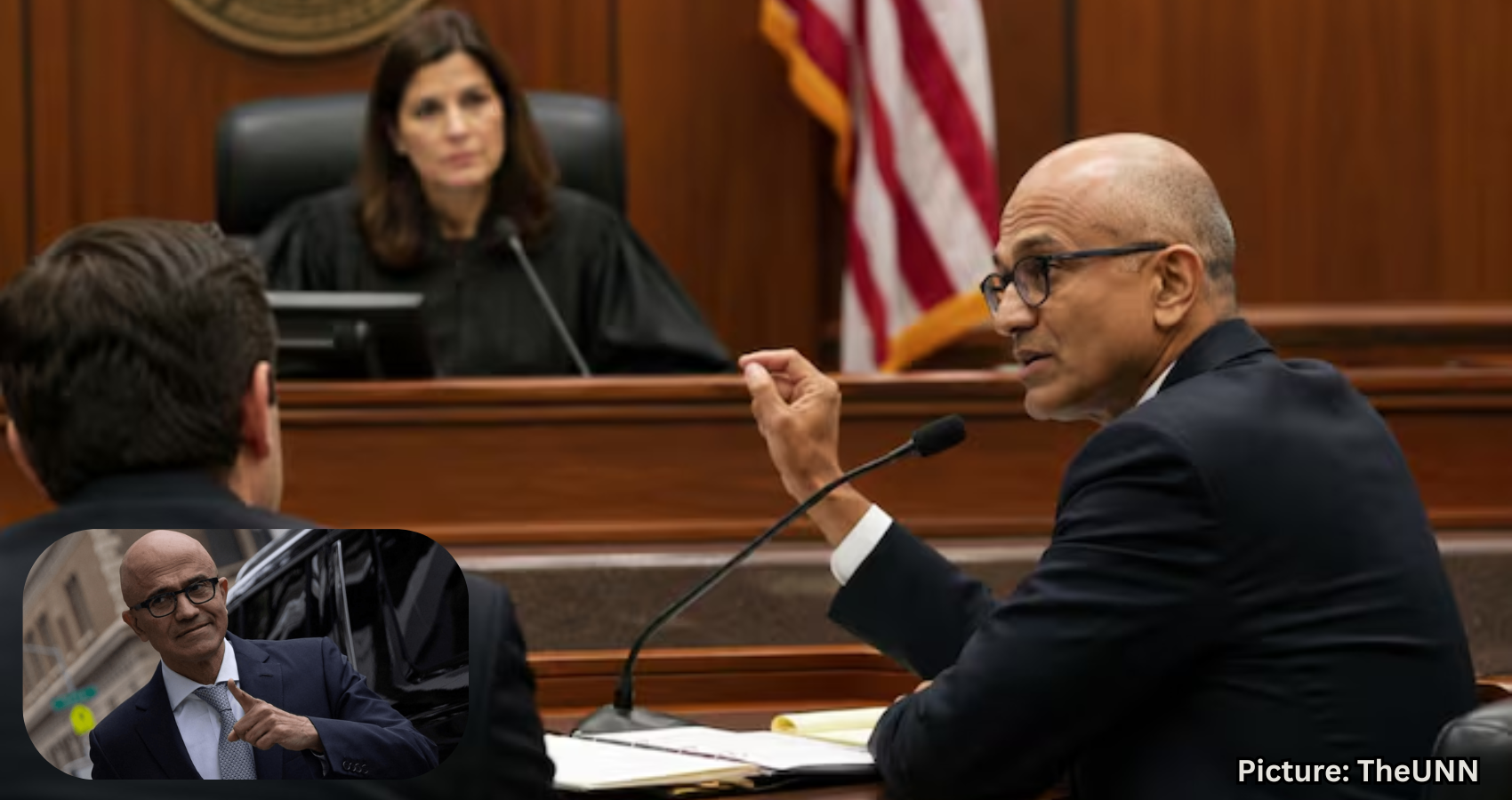
Microsoft CEO Satya Nadella disclosed that the company had a $25 billion contingency plan ready following Sam Altman’s unexpected dismissal from OpenAI in November 2023.
In a dramatic turn of events on November 17, 2023, Sam Altman was abruptly removed from his position as CEO of OpenAI, prompting Microsoft to swiftly enter crisis mode. During court testimony on the final day of the Elon Musk v. OpenAI trial in federal court in Oakland, California, Microsoft CEO Satya Nadella revealed that the tech giant had prepared a substantial backup plan to absorb OpenAI’s top executives and much of its talent into a Microsoft-controlled organization if the situation escalated further.
Nadella’s remarks provided insight into how seriously Microsoft took the leadership crisis at OpenAI and the urgency with which the company acted to safeguard its significant investment in artificial intelligence. According to Nadella, Microsoft developed a contingency plan almost immediately following Altman’s firing. Within 24 hours, the company had reportedly completed the necessary legal work to establish a new subsidiary that could hire Altman, OpenAI co-founder Greg Brockman, and potentially a large number of OpenAI employees should they choose to leave the organization.
In the competitive AI industry, compensation is closely tied to stock value and future growth potential. Nadella testified that Microsoft estimated it could cost nearly $25 billion to bring Altman, his leadership team, and many OpenAI employees into Microsoft while matching their existing salaries, stock packages, and equity expectations from OpenAI.
Ultimately, the plan was never executed, as Altman was reinstated as OpenAI’s CEO just days later. With Altman back in his role and the majority of employees remaining with the company, Microsoft found it unnecessary to proceed with the alternative structure.
Nadella characterized the circumstances surrounding Altman’s firing as deeply confusing, even for Microsoft, which is OpenAI’s largest investor and closest business partner. He described Altman’s removal as “amateurish” during his testimony.
Microsoft’s primary concern following the dismissal was whether there were any significant issues behind the decision, such as financial misconduct, fraud, security risks, or ethical violations. However, Nadella stated that Microsoft never received a clear explanation from OpenAI’s board regarding the rationale for Altman’s removal.
At the time, the board had publicly indicated that Altman had not been “consistently candid” in his communications with directors. This vague explanation led to widespread confusion within the tech industry and raised questions about the suddenness of such a dramatic leadership change.
Nadella’s testimony also illuminated the internal power struggles that ensued after Altman’s return to OpenAI. Following the leadership crisis, OpenAI planned to rebuild its board of directors, and Microsoft suggested 13 to 14 potential candidates it believed could serve on the new board. However, none of Microsoft’s preferred candidates were initially selected.
During questioning, Nadella acknowledged that Microsoft had no formal authority over OpenAI’s nonprofit board structure. When asked what actions Microsoft could take if its recommendations were disregarded, he simply replied, “None.” This statement underscored the unusual relationship between the two companies, where Microsoft had invested billions but still lacked direct governance control.
Despite this lack of authority, Nadella admitted that Microsoft attempted to influence board composition by objecting to certain candidates. He expressed opposition to Diane Greene due to her ties to Google and to Bing Gordon because of his connections to Amazon. His comments suggested that Microsoft was concerned about rival tech companies gaining influence within OpenAI.
Meanwhile, Musk’s legal team has argued that Microsoft was attempting to shape OpenAI’s governance structure in ways that aligned with its own business interests, thereby increasing its influence over the company.
As the situation continues to unfold, the implications of Nadella’s testimony and the dynamics between Microsoft and OpenAI remain a focal point in discussions about the future of artificial intelligence and corporate governance in the tech industry.
According to The American Bazaar, Nadella’s insights reveal the complexities and challenges inherent in the evolving landscape of AI and corporate partnerships.