
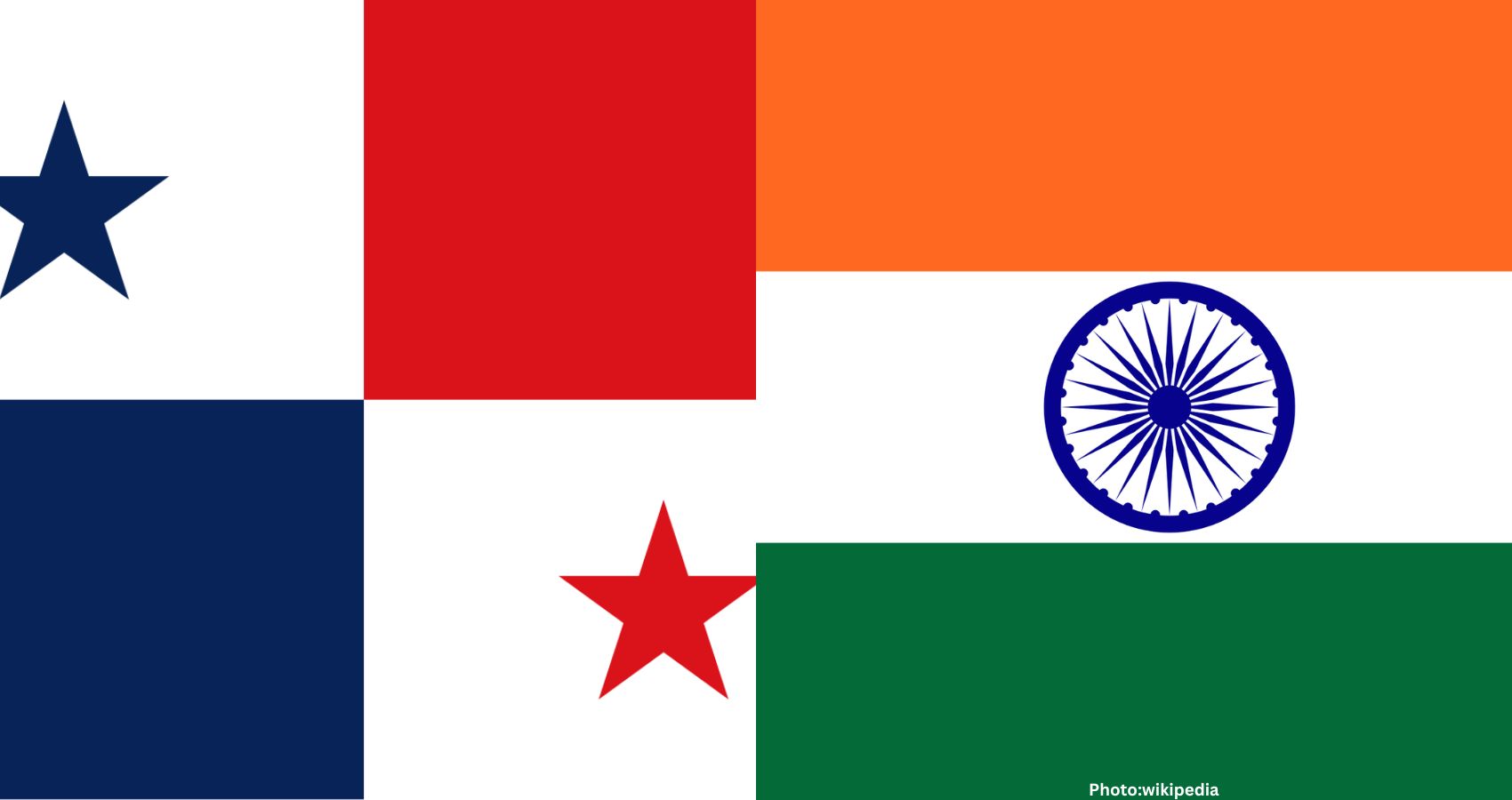
India and Panama are strengthening their relationship through diaspora-driven ties, focusing on trade, technology, and strategic cooperation, as highlighted by External Affairs Minister S. Jaishankar’s recent visit.
In April 2023, India’s External Affairs Minister S. Jaishankar visited Panama, sending a clear signal of intent to deepen ties with the Central American nation. While the visit’s optics were modest, the underlying message was significant: India is not merely engaging with another Latin American partner but is reaffirming a long-standing relationship that has evolved through history, migration, and changing global priorities.
The relationship between India and Panama is one of the oldest in Central America, tracing its roots back to the mid-19th century. During this period, Indian workers journeyed across oceans to contribute to the construction of the Panama Railways and later the Panama Canal. These early migrants, often overlooked in official narratives, established a connection that predates formal diplomatic relations, which were only established in 1962.
At the heart of this relationship is the Indian diaspora. Today, approximately 15,000 Indians and people of Indian origin reside in Panama, making it the largest Indian community in Central America. Over the years, this community has transitioned from labor migration to active economic participation, becoming an integral part of Panama’s commercial and social landscape.
Members of the Indian diaspora have established businesses across various sectors, particularly in trade and commerce, thereby contributing significantly to Panama’s economy while maintaining strong cultural ties to India. The influence of Indian culture is evident in Panama, where Indian cuisine, cultural institutions, and places of worship are woven into the social fabric. Notable symbols of this shared heritage include statues of Mahatma Gandhi and Mother Teresa located in Panama City.
Historical accounts from the Canal era reveal the depth of this integration. Indian workers were integral to the diverse labor force that built and operated the Canal. Over time, the community became synonymous with reliability and enterprise, even taking on vital roles in transport operations around the Canal Zone. These informal narratives highlight a legacy of trust and contribution that continues to shape perceptions of the Indian community in Panama.
Panama’s strategic importance for India cannot be overstated. Positioned at the crossroads of the Atlantic and Pacific Oceans, Panama controls one of the world’s most crucial maritime routes. The Panama Canal plays a central role in global trade, positioning the country as a gateway to Latin America and a key node in international supply chains. For India, which relies heavily on maritime commerce, this makes Panama an invaluable partner.
The economic ties between India and Panama reflect this potential. Bilateral trade currently stands at approximately $600 million, with India exporting pharmaceuticals, textiles, automobiles, and engineering goods, while importing mineral fuels, metals, and timber. Additionally, Panama serves as a re-export hub, facilitating Indian goods’ access to markets across Central and South America.
The Panamanian economy, heavily oriented toward services such as logistics, banking, and trade, aligns well with India’s strengths in technology and digital services. The presence of a robust financial ecosystem and the widespread use of the US dollar make Panama an attractive platform for Indian businesses seeking to expand into the region.
Cooperation between the two countries is also broadening into areas such as technology, education, and development partnerships. India has contributed to capacity building in Panama through initiatives like the establishment of an IT Centre of Excellence and training programs under the Indian Technical and Economic Cooperation framework. Recently, the two nations signed agreements to implement Quick Impact Projects aimed at delivering tangible benefits in sectors such as education, technology, and public welfare. These initiatives signal a shift toward more people-centric engagement.
Symbolic gestures have further reinforced bilateral ties. For instance, the illumination of a prominent building in Panama City in the colors of India’s national flag to mark Republic Day reflected both recognition of the Indian diaspora and the broader goodwill between the two countries.
Members of the Indian diaspora have also taken on expanded civic and leadership roles in Panama, contributing not only economically but also to public life, which reflects a deeper integration into Panamanian society. This evolving engagement is mirrored in the political sphere, with leaders such as former Foreign Minister Janaina Tewaney actively working to strengthen bilateral ties. Additionally, India and Panama share common interests in multilateral forums, with Panama supporting India’s positions on several global issues, including its aspirations for a greater role in international institutions.
Despite these strengths, the relationship remains underdeveloped relative to its potential. Geographic distance, limited connectivity, and low awareness among businesses continue to constrain deeper engagement. However, as global supply chains diversify and countries seek new partnerships, Panama’s role as a logistics and financial hub is likely to grow. Positioned between the pressures of Washington and the economic entrenchment of Beijing, Panama has strong incentives to cultivate a more robust partnership with India as a strategic counterbalance to dependence on either superpower.
While the work of the Indian diaspora primarily focuses on countries with the largest populations of Indian origin, there is a keen interest in engaging with Indian diaspora communities worldwide, from Panama to Iceland and Japan. The shared mission remains: empowering the diaspora to be a force for good.
India-Panama relations exemplify how diaspora-led connections can evolve into strategic partnerships. What began as a narrative of migration and labor has transformed into a multifaceted relationship encompassing trade, technology, culture, and diplomacy. The recent visit by External Affairs Minister Jaishankar was not merely a diplomatic engagement; it served as a reminder of a partnership that has long existed beneath the surface. As India seeks to expand its presence in Latin America, Panama presents both access and opportunity. The next step lies in building on this foundation with sustained and purposeful engagement, according to The American Bazaar.