
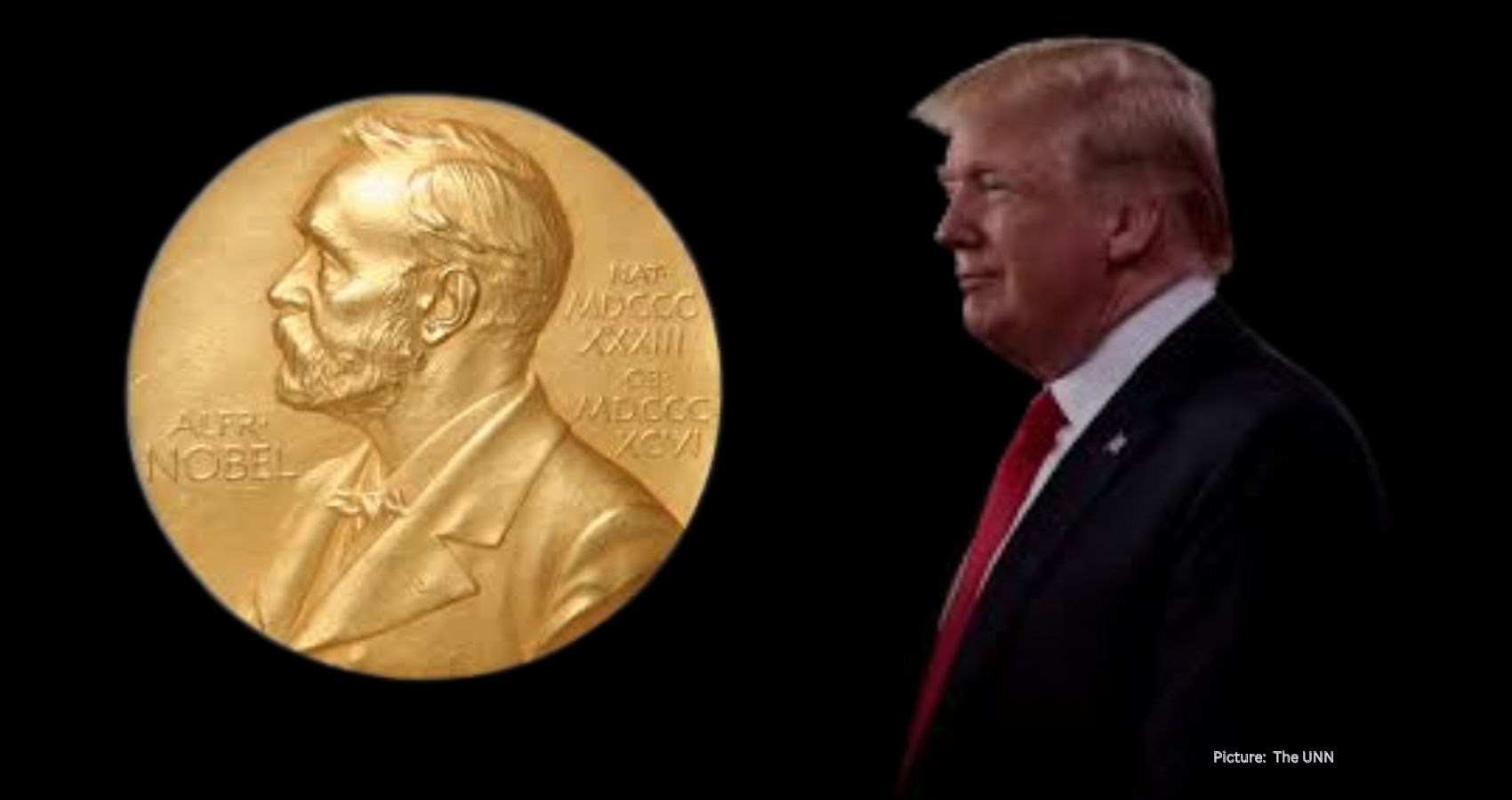
Donald Trump’s potential nomination for the 2026 Nobel Peace Prize has ignited global debate, with 287 candidates vying for the prestigious award amidst strict secrecy from the Nobel Committee.
Donald Trump’s prospects for the Nobel Peace Prize have become a topic of intense discussion as the 2026 nominations approach. With 287 candidates reportedly in the running, including several political leaders who have publicly claimed to have nominated Trump, speculation about his chances is escalating worldwide.
However, the Nobel Committee’s strict secrecy rules prevent any official confirmation regarding nominations, leaving the public debate largely fueled by indirect claims, expert opinions, and projections from betting markets rather than verified information.
As of now, there is no official confirmation that Donald Trump has been nominated for the 2026 Nobel Peace Prize. While leaders from countries such as Cambodia, Israel, and Pakistan have stated they submitted his name, the Nobel Committee does not disclose or verify nominee lists. Consequently, these claims remain unverified in official terms. It is common for nominators to announce their choices publicly, but this does not guarantee that the nomination has been formally accepted or included in the final pool. Thus, Trump’s status as a nominee remains uncertain despite extensive media coverage.
The Nobel Peace Prize process is designed to maintain confidentiality and independence. According to the Nobel Foundation’s statutes, all records related to nominations are sealed for 50 years, including the names of nominees, nominators, and the evaluation process. This means the public will not know with certainty whether Trump has been nominated until decades later. Even journalists and researchers cannot access this information in real time, a rule intended to protect the integrity of the selection process and shield it from political pressure or external influence.
A total of 287 candidates have been nominated for the 2026 Nobel Peace Prize, comprising 208 individuals and 79 organizations from around the globe. This diverse list reflects a wide range of global efforts, including diplomacy, conflict resolution, humanitarian work, and peace activism. Compared to previous years, officials have noted a significant influx of new nominees, indicating shifting global priorities. The large number of candidates underscores the competitive and selective nature of the award process, as only one individual or a small group will ultimately be chosen as the winner.
Although there is no official shortlist, some analysts and betting agencies have suggested that Trump could be among the stronger contenders this year. These predictions are often based on geopolitical developments, past nominations, and public visibility rather than insider information. Bookmakers have indicated fluctuating odds for Trump, at one point suggesting a higher probability before adjusting expectations. However, it is crucial to note that such odds are speculative and do not influence the Nobel Committee’s decision-making process.
Kristian Berg Harpviken, a member of the Nobel Committee, has emphasized that the nomination list changes significantly each year, with many new names appearing regularly. He remarked, “Since I am new in the job, one of the things that has to some extent surprised me is how much renewal there is from year to year on the list.” He also highlighted the continued relevance of the prize despite increasing global tensions, stating, “The Peace Prize is even more important in a period like the one we’re living in. There is as much good work, if not more, than ever.” His comments suggest that the committee focuses on recognizing ongoing peace efforts rather than political prominence alone.
The Nobel Peace Prize laureate for 2026 will be announced on October 9, with the award ceremony taking place on December 10 in Oslo, Norway, coinciding with the anniversary of Alfred Nobel’s death. In the lead-up to the announcement, the committee will conduct a detailed and confidential review of all nominations, which includes shortlisting candidates, consulting experts, and assessing the impact of their work before reaching a final decision.
Several prominent American leaders have received the Nobel Peace Prize over the years, including Theodore Roosevelt in 1906, Woodrow Wilson in 1919, Jimmy Carter in 2002, and Barack Obama in 2009. Additionally, Al Gore was honored in 2007. These examples illustrate that U.S. political figures have historically played a significant role in global peace efforts recognized by the Nobel Committee.
For Donald Trump, winning the Nobel Peace Prize would signify major international recognition of his diplomatic efforts. He has previously pointed to initiatives such as global negotiations and conflict de-escalation as part of his legacy. A Nobel win could profoundly influence how his presidency is perceived globally, placing him alongside past U.S. leaders who have received the honor. It would also carry symbolic value in reinforcing his claims of contributing to international peace.
The ongoing discussion about Trump’s potential nomination underscores the broader influence of the Nobel Peace Prize in shaping global narratives. The award remains one of the most prestigious recognitions for peace-related work, attracting worldwide attention each year. While speculation continues, the outcome will depend entirely on the Norwegian Nobel Committee’s independent evaluation. Until the official announcement, Trump’s chances and even his nomination status remain uncertain, keeping the story prominently in the public eye.
According to The Sunday Guardian, the debate surrounding Trump’s nomination illustrates the complex interplay between politics and the Nobel Peace Prize.