
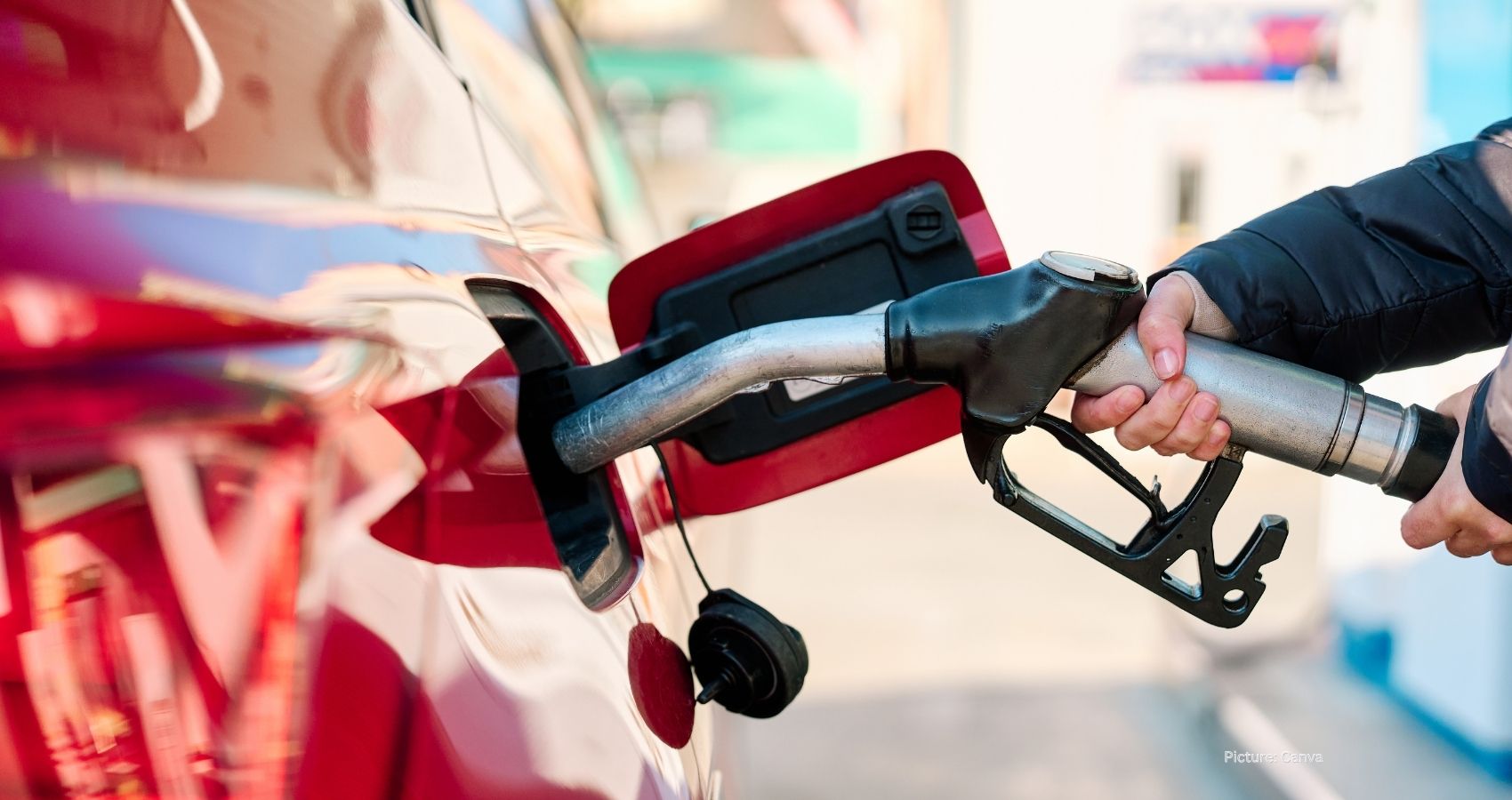
On October 16, 2023, the Pakistani government raised fuel prices, increasing petrol by Rs6.51 and diesel by Rs19.39 per litre, amid ongoing economic challenges and international financial commitments.
On October 16, 2023, the Pakistani government announced a significant increase in fuel prices, raising the cost of petrol by Rs6.51 and diesel by Rs19.39 per litre. This decision comes as the country grapples with ongoing economic challenges and commitments to international financial obligations.
The price of petrol now stands at Rs272.54 per litre, while diesel has risen to Rs305.55 per litre. This adjustment reflects the dual pressures of rising global oil prices and the continued depreciation of the Pakistani rupee, both of which have severely impacted the national economy.
The adjustment in fuel prices is particularly noteworthy as it influences transportation costs and has far-reaching effects on the prices of goods and services throughout Pakistan. Economic analysts indicate that such hikes in fuel prices typically correlate with inflationary pressures, which have been a persistent challenge for the Pakistani economy. Recent data shows that inflation reached a staggering 27.5% in September 2023, marking the highest rate in over a decade.
Amid these economic conditions, the Pakistani government has faced increasing pressure from the International Monetary Fund (IMF) to adopt measures that enhance fiscal discipline. As part of a $3 billion bailout agreement established earlier this year, the IMF has insisted that the government implement policies promoting economic stability, including aligning fuel prices with international market rates.
The fuel price hike has sparked substantial criticism from various sectors, including opposition political parties and consumer advocacy groups. Critics argue that these increases disproportionately impact low-income households, exacerbating the already challenging cost of living. Many citizens have voiced concerns over the rising expenses associated with daily life, which have become increasingly burdensome.
“The continuous rise in fuel prices is pushing many families to the brink of poverty,” stated a representative from the Pakistan Consumers Association, emphasizing the urgent need for the government to reconsider these hikes. “We urge the government to explore alternative solutions to manage the economy without further burdening the common citizen.”
In defense of the price adjustments, the Ministry of Finance has articulated that such measures are essential for stabilizing the economy and curbing further depreciation of the rupee. “These adjustments are necessary to ensure the sustainability of our economic framework and are consistent with our commitments to the IMF,” the Finance Minister remarked during a recent press briefing.
Historically, fuel prices in Pakistan have shown considerable volatility, often swayed by global oil market fluctuations and domestic economic policies. Previous administrations have encountered similar challenges, striving to balance economic stability with the welfare of the populace. The current government’s approach signifies an acknowledgment of the necessity to align domestic fuel prices with international trends, a strategy that has elicited mixed reactions from the public.
In 2022, the government faced significant backlash after executing a series of price hikes, which spurred widespread protests across the country. This historical context highlights the delicate balance policymakers must achieve in addressing both economic necessities and public sentiment. The tension between necessary economic reforms and the potential for public discontent remains a critical concern for the government.
Looking toward the future, analysts suggest that unless there is a notable decrease in global oil prices or stabilization of the Pakistani rupee, further adjustments to fuel prices may be inevitable. The ongoing negotiations with the IMF could also lead to additional economic reforms aimed at improving fiscal health and addressing the broader economic challenges facing the country.
“We are in a challenging situation, and the path to recovery is fraught with difficulties,” noted an economist at a leading financial institution. “However, the government must also remain sensitive to the plight of the citizens who are directly affected by these price changes.”
In conclusion, the recent fuel price hikes in Pakistan are indicative of broader economic challenges and the government’s commitment to fulfilling its obligations to international financial institutions. As the country navigates these tumultuous waters, the ramifications of such decisions will be closely scrutinized by both economic analysts and the general public. The intersection of economic policy and social welfare remains at the forefront of discussions surrounding Pakistan’s path forward, according to GlobalNet News.