
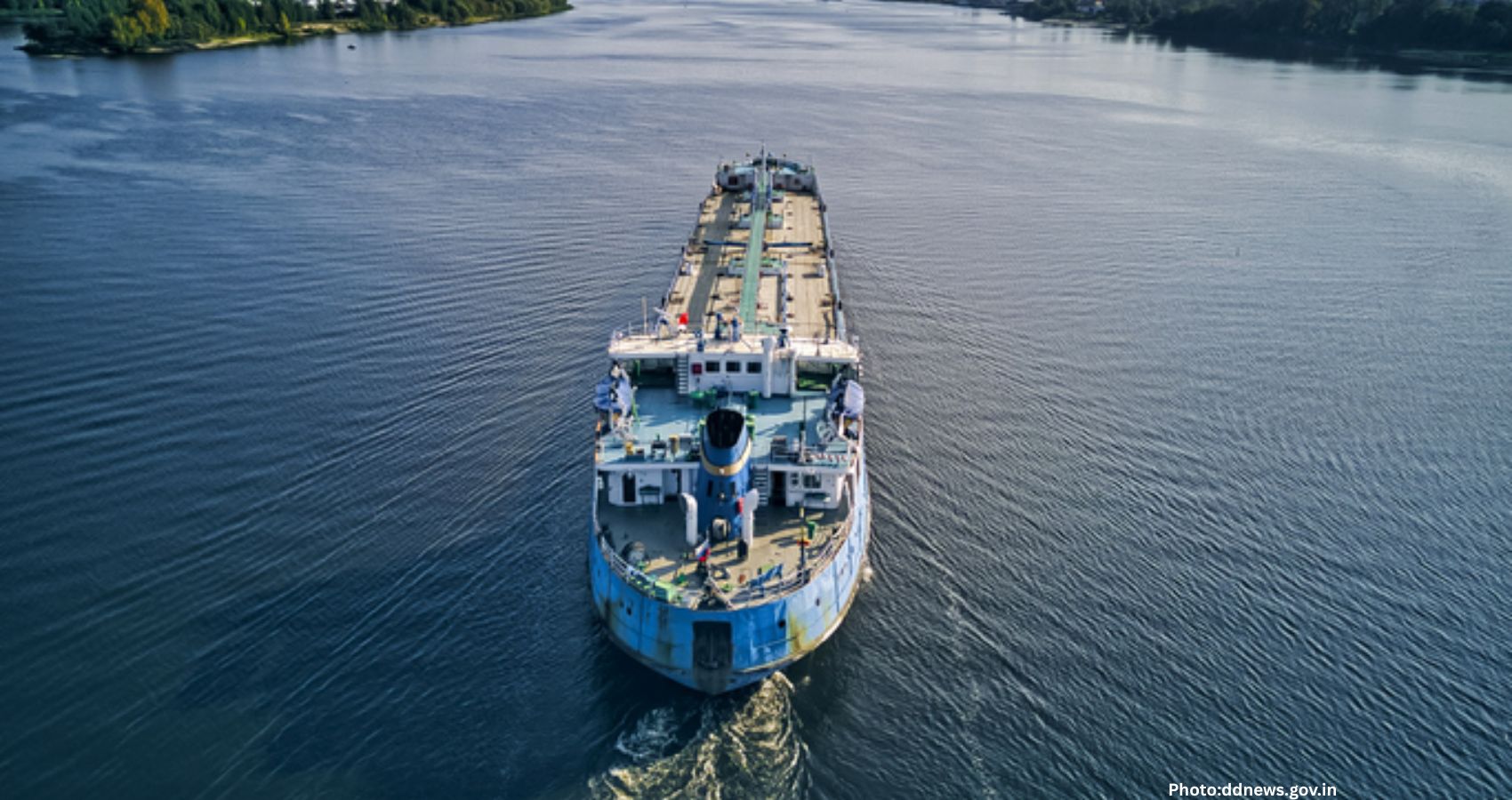
The U.S. is allowing a Russian oil tanker to deliver crude oil to Cuba, easing pressure on the island amid an ongoing energy crisis, according to reports.
The U.S. government has reportedly permitted a Russian oil tanker to reach Cuba, signaling a temporary easing of the blockade that has contributed to the island’s ongoing energy crisis. The Russian-flagged tanker, the Anatoly Kolodkin, was en route to Cuba on Sunday, carrying an estimated 730,000 barrels of crude oil, as reported by The New York Times, citing a U.S. official familiar with the situation.
Tracking data indicated that the Anatoly Kolodkin was positioned just off the eastern tip of Cuba on Sunday. President Donald Trump addressed the situation during a press briefing, stating, “We have a tanker out there. We don’t mind having somebody get a boatload, because they need … they have to survive.” He further emphasized his openness to oil shipments to Cuba, regardless of the source, saying, “If a country wants to send some oil into Cuba right now, I have no problem whether it’s Russia or not.”
This shift comes as Cuba faces severe fuel shortages, which President Miguel Díaz-Canel has attributed to ongoing sanctions and economic pressures. The island has been grappling with energy shortages for months, leading to strict gas rationing and widespread blackouts.
Historically, the U.S. has sought to restrict oil shipments to Cuba as part of its broader strategy to pressure the Cuban government. However, the current geopolitical climate has prompted a reevaluation of these policies. The U.S. has temporarily eased certain sanctions on Russian oil shipments to stabilize global energy markets, particularly in light of recent disruptions in the Strait of Hormuz due to military actions involving the U.S. and Israel against Iran.
The Anatoly Kolodkin departed from Primorsk, Russia, and is expected to dock at the Matanzas port in Cuba if it maintains its current trajectory, according to tracking services such as MarineTraffic and LSEG. The arrival of this oil shipment could provide significant relief to the Cuban economy, which has been severely impacted by the loss of oil supplies from Venezuela.
In January, the U.S. capture of former Venezuelan leader Nicolás Maduro effectively cut off a crucial ally that had been supplying oil to Cuba under favorable terms. Following this development, the Trump administration blocked all Venezuelan oil shipments to Cuba and threatened punitive tariffs on any third country that attempted to supply the island, which led to Mexico halting its exports to Cuba.
In addition to the Anatoly Kolodkin, another vessel, the Hong Kong-flagged Sea Horse, was reportedly carrying approximately 200,000 barrels of Russian fuel to Cuba but was rerouted to Venezuela.
This latest development underscores the complexities of U.S.-Cuba relations and the ongoing challenges faced by the Cuban government in securing essential resources. The easing of sanctions on Russian oil shipments may reflect a pragmatic approach to address the immediate energy needs of the island while navigating the intricate geopolitical landscape.
As the situation evolves, the implications of these oil shipments for Cuba’s energy crisis and the broader regional dynamics remain to be seen, according to The New York Times.