
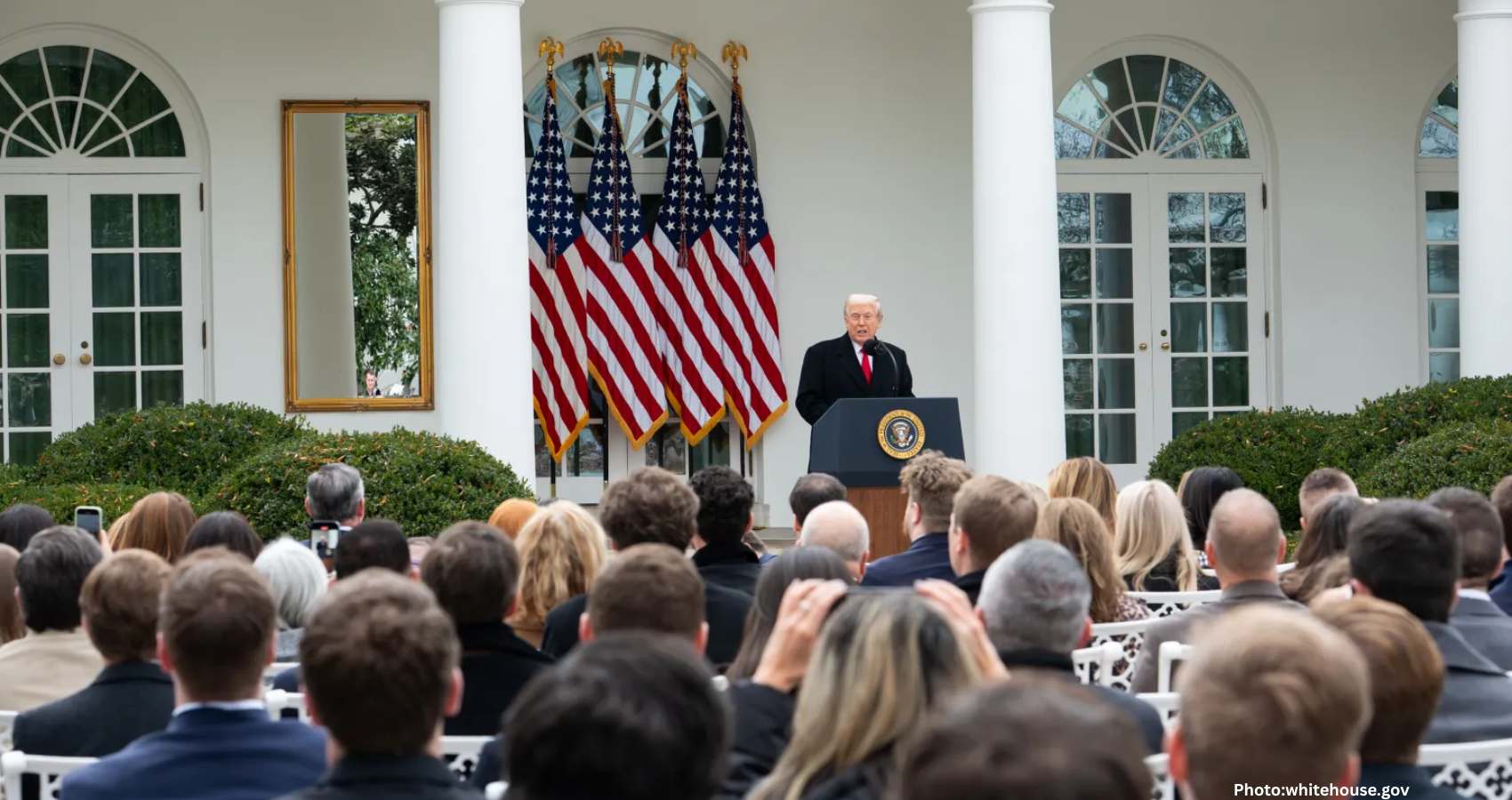
The United States has identified India as a target in new federal investigations into unfair trade practices, signaling heightened trade tensions under the Trump administration.
WASHINGTON, DC – The United States has officially named India as a focal point in a series of extensive federal investigations aimed at addressing unfair global trade practices. This development marks a significant escalation in trade tensions and represents a strategic shift for President Donald Trump, particularly following a recent Supreme Court ruling that dismantled his previous tariff framework.
The latest investigations, initiated under Section 301 of the Trade Act of 1974, concentrate on what the administration describes as structural excess industrial capacity. According to reports from AFP, the inquiries are part of a broader effort to scrutinize the trade practices of several major economies, including China, Japan, and the European Union.
U.S. Trade Representative Jamieson Greer confirmed that these investigations are specifically designed to identify countries that produce goods in quantities that far exceed domestic demand. The Trump administration argues that such practices displace American manufacturing and jeopardize domestic jobs.
Greer emphasized the administration’s readiness to impose new duties if the investigations reveal that trading partners are leveraging unfair subsidies or state-led industrial policies to gain a competitive edge. He stated that the overarching goal is to protect the American industrial base and ensure that international trade operates on a level playing field.
In a related development, the administration is preparing to launch a second, broader investigation into the use of forced labor within global supply chains. This forthcoming probe is expected to encompass as many as 60 trading partners, according to AFP. While officials have not disclosed whether penalties will differ by nation, the aggressive timeline suggests a desire to establish a new tariff structure by the third quarter of 2026.
These regulatory actions come at a critical diplomatic moment, as President Trump is gearing up for a high-stakes summit with Chinese leader Xi Jinping in Beijing, scheduled for April.
As the investigations unfold, the implications for U.S.-India trade relations remain to be seen, particularly in light of ongoing discussions about tariffs and trade agreements.
According to AFP, the administration’s focus on India and other major economies underscores its commitment to addressing perceived imbalances in global trade practices.