
Noise cameras are becoming increasingly common in U.S. cities, issuing automatic tickets for excessive noise, with New York City collecting nearly $2 million in fines since their introduction in 2021.
Noise cameras, the latest addition to automated enforcement technology, are making their way into cities across the United States. Similar to speed and red-light cameras, these devices are designed to monitor and penalize excessive noise from vehicles.
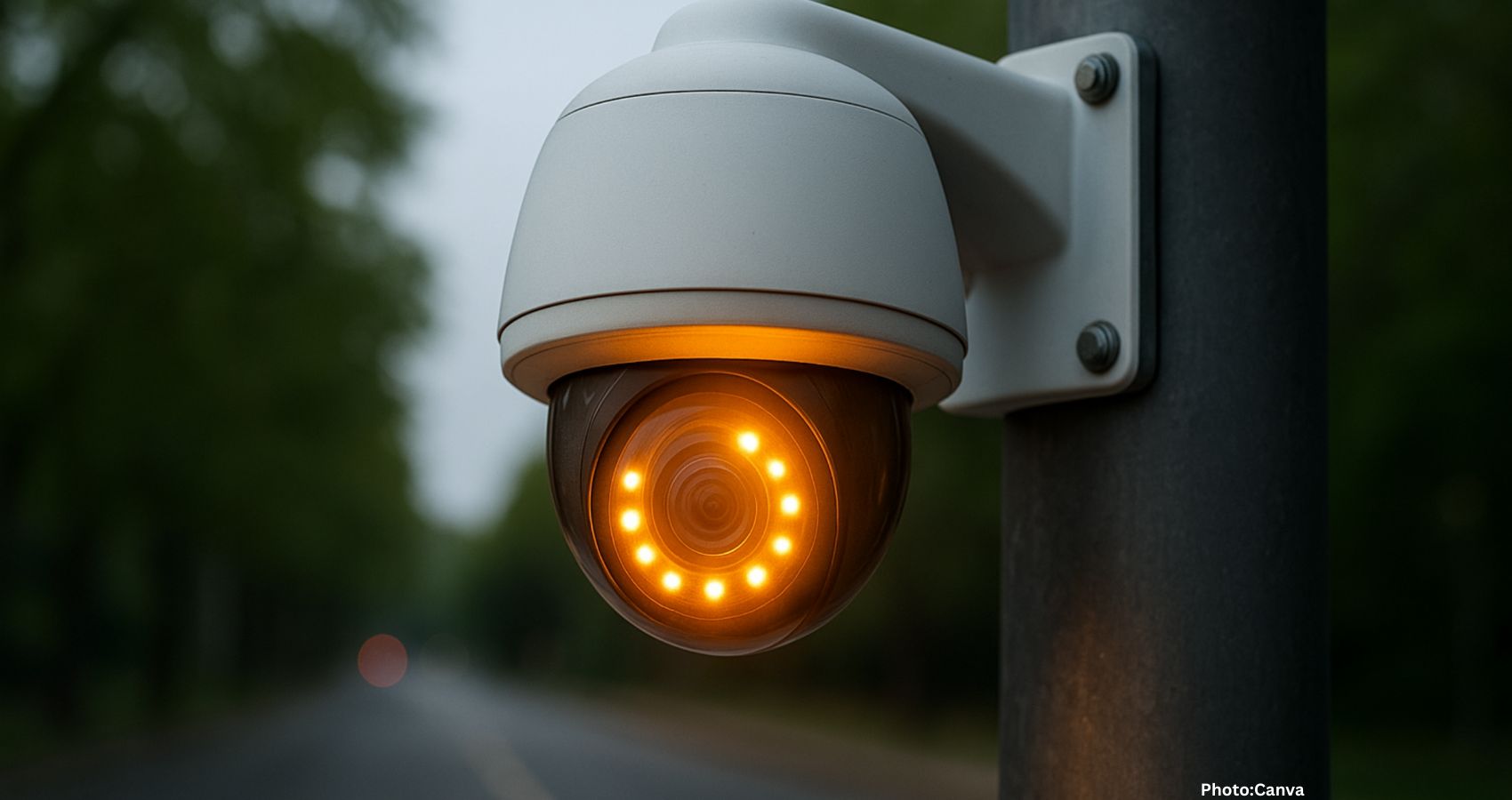
Mounted on poles, noise cameras are equipped with sensitive microphones and license plate recognition technology. When a vehicle passes by, the microphone detects sound levels that exceed the legal decibel limit. If the noise is too loud, a ticket is generated and mailed to the vehicle’s owner—no traffic stop, no flashing lights, just a fine arriving in the mailbox days later.
New York City has been utilizing noise cameras since 2021, issuing over 1,600 violations and collecting nearly $2 million in fines. The penalties start at $800 for a first offense and can escalate to $2,500 for repeat offenders.
In Newport, Rhode Island, two noise cameras were installed along the picturesque Ocean Avenue. Within days, a Mustang GT was ticketed for producing 85 decibels—just two decibels over the limit—resulting in a $250 fine. Providence has allocated $180,000 to implement additional cameras in 2026, while Connecticut has passed statewide legislation to address noise pollution.
California is also getting in on the action, with six cities participating in a five-year pilot program that imposes fines of up to $1,105. Other cities, including Chicago, Miami, Philadelphia, Sacramento, and Washington, D.C., are either deploying or testing similar systems. States like Colorado, New Jersey, and Hawaii have introduced legislation to follow suit. This trend is no longer confined to local jurisdictions; it is rapidly becoming a national issue that many drivers are unaware of.
The technology behind noise cameras is straightforward. The microphone detects sound levels above a predetermined threshold, typically ranging from 75 to 95 decibels, depending on the city. For context, a normal conversation is about 60 decibels, while a lawnmower can reach approximately 90 decibels. Most municipalities set their limits somewhere in between.
When a sound spike is detected, the camera captures the moment a vehicle passes by, photographs the license plate, and automatically generates a ticket—often without any human oversight. The process relies on a combination of mathematics, audio detection, and imaging technology.
For drivers of high-performance vehicles, such as a Porsche, the thrill of driving can come with a heightened awareness of noise regulations. Even those with stock vehicles should be cautious; the Mustang GT that received a ticket was not modified in any way, yet it still exceeded the limit by just two decibels. Motorcycles, particularly stock models like Harley-Davidsons, are also at risk, as they can easily reach noise levels that trigger fines.
Artificial intelligence is employed to accurately identify which vehicle in a group triggered the noise alert, ensuring that the ticket is issued to the correct offender rather than simply the loudest vehicle present.
The implementation of noise cameras has sparked a debate about their effectiveness and fairness. On one hand, they serve as a tool to combat noise pollution, which is linked to various health issues, including sleep disorders, elevated blood pressure, and anxiety. Many cities have struggled to find effective solutions to this problem, and noise cameras may offer a viable option.
On the other hand, critics argue that the deployment of these cameras may disproportionately affect lower-income neighborhoods, turning a public health initiative into a revenue-generating scheme that targets specific communities. These concerns raise important questions about the equitable distribution of enforcement measures.
As noise cameras continue to proliferate, it is essential for drivers to stay informed about local regulations. A simple online search for your city followed by “noise camera ordinance” can reveal the specific decibel limits in your area. Being aware of these regulations can help avoid unexpected fines.
For car enthusiasts, motorcycle riders, or anyone with a loud vehicle, sharing this information could be a valuable service. Awareness of noise camera enforcement can prevent unwelcome surprises and fines in the future.
According to Fox News, the trend of noise cameras is gaining momentum across the nation.