
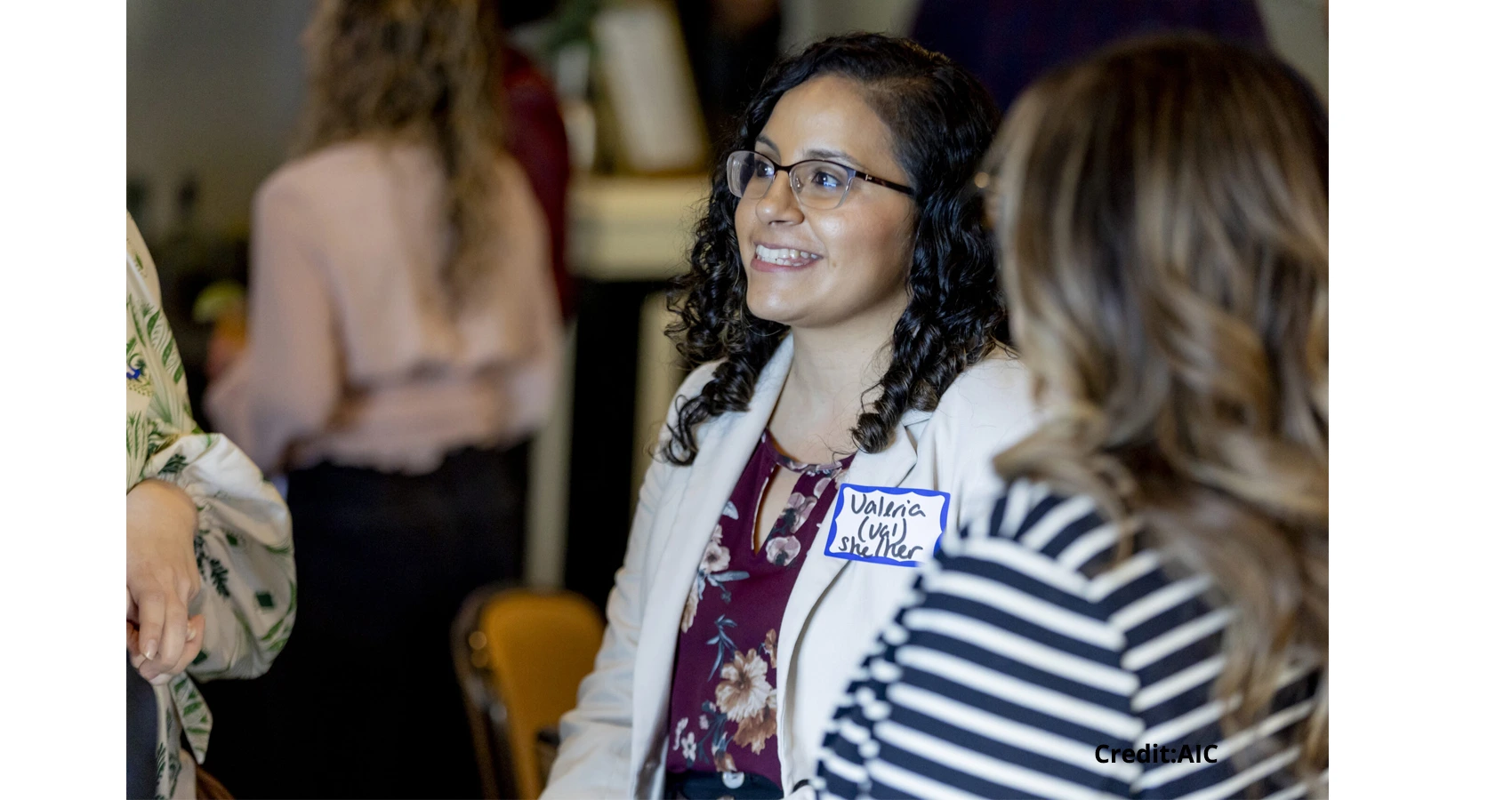
Empowering Families, a nonprofit in western Nebraska, is redefining its community impact by focusing on the concept of belonging through innovative programming and strategic assessments.
Empowering Families, a nonprofit organization based in western Nebraska, is making significant strides in transforming its programs and enhancing its impact within the community. Founded by Val Rodriguez, the organization initially focused on assisting immigrant families, fostering young leaders, and promoting civic engagement. However, a pivotal question arose: How can they effectively measure whether individuals feel a sense of belonging in their community? This inquiry led to the adoption of the Belonging Barometer.
The Belonging Barometer was introduced to Rodriguez during her graduate research, which examined how shifting demographics were influencing community dynamics. Its straightforward approach appealed to her: print the survey, adapt it thoughtfully for the local context, and begin listening to the community. After customizing several questions to better reflect the unique characteristics of her county, Rodriguez administered a 10-question survey, gathering responses from 369 residents through various channels, including churches, community events, a soup kitchen, and digital outreach. The process was uncomplicated yet yielded valuable insights.
The survey results were enlightening. While many respondents expressed a connection to familiar people and places, such as their churches and neighborhoods, they reported a lack of connection to the broader community and felt powerless to influence the institutions that impacted their lives. Trust in local systems was notably low, and many community members described an “us versus them” mentality. This sentiment was not confined to any single racial or ethnic group, as even White residents in Scotts Bluff County exhibited a diminished sense of belonging. These findings prompted a significant shift in Empowering Families’ approach.
Instead of viewing the Belonging Barometer as a one-time assessment, Empowering Families integrated it as an ongoing management tool. A prime example of this is the Youth Arise program, a seven-week civic leadership initiative aimed at at-risk high school students. Participants complete belonging assessments before and after the program, alongside other leadership metrics. In a recent cohort, the percentage of students reporting a strong sense of belonging surged from 61% to 89%.
The insights gained from the Belonging Barometer have also informed the development of new programming. Conversations with Native American residents highlighted that feelings of belonging can vary significantly depending on the environment. For instance, participants felt a strong sense of connection at the Lakota Lutheran Center but reported feeling disconnected in other community settings, such as public meetings.
Perhaps the most transformative outcome of implementing the Belonging Barometer has been the evolution of Empowering Families’ mission. The organization has utilized the insights gained to create new cultural programming, including Lakota language classes and cultural retreats designed to enhance both belonging and cultural pride. Originally centered on education, civic engagement, and empowerment, Empowering Families has now explicitly framed its work around fostering community belonging through these avenues.
Looking ahead, the organization aims to establish a countywide belonging strategy that encompasses healthcare, education, economic development, nonprofits, and local government. The findings from the Belonging Barometer have been instrumental in articulating the necessity of this initiative, positioning it as a viable community project that can attract funding and resources to sustain and expand efforts focused on belonging.
Rodriguez emphasizes that the key takeaway for organizations is that they do not require costly consultants or complex research projects to initiate meaningful change. Instead, they need a straightforward method to listen, learn, and act on community feedback. “You’re trusted individuals in the community,” she stated. “You are the trusted messengers.” For Empowering Families, the concept of belonging has transitioned from an abstract notion to a measurable and actionable goal that they can collectively pursue and enhance.
For those interested in beginning their own journey towards measuring belonging in their communities, a free Belonging Barometer Quick Start Guide and survey questions are available for download.
The insights and strategies shared by Empowering Families illustrate the profound impact that a focus on belonging can have on community cohesion and engagement, serving as a model for other organizations seeking to foster a sense of inclusion and connection.
According to American Immigration Council.