
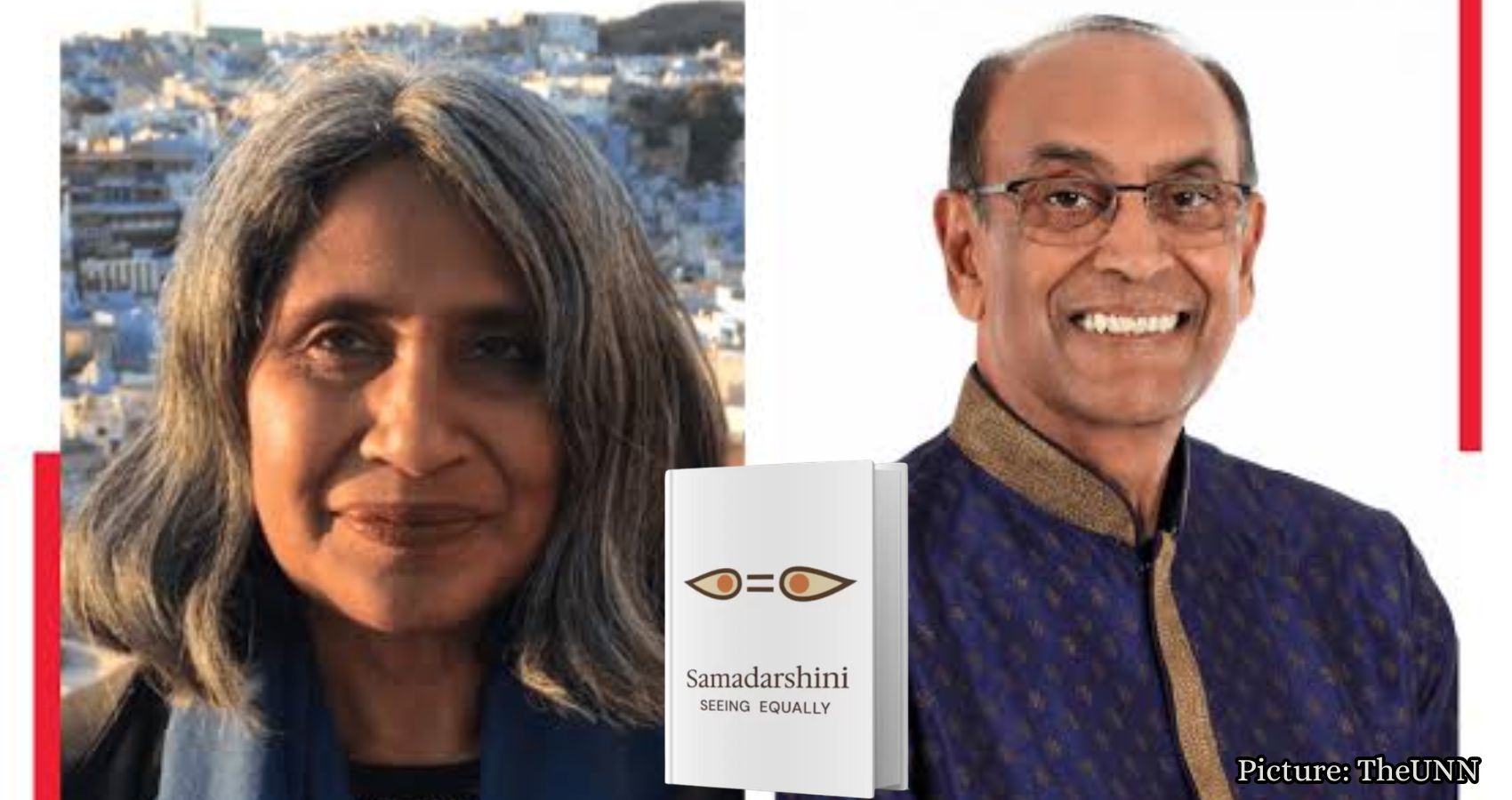
A new initiative called Samadarshini aims to promote a radically inclusive vision of Hinduism, focusing on social justice, equality, and community engagement.
A new initiative aimed at fostering a radically inclusive vision of Hinduism was officially launched on Thursday, June 25, 2026. The initiative, named Samadarshini, seeks to encourage dialogue on faith, social justice, caste, gender, democracy, and the responsibilities of Hindu communities both in India and within the global diaspora.
Samadarshini aims to create a space for theological reflection and community engagement, emphasizing the principle of “seeing equally.” This principle affirms the equal dignity of every individual, according to the organizers.
The initiative will culminate this fall with the publication of *Samadarshini: Seeing Equally*, an anthology of personal essays contributed by religious leaders from various Hindu and South Asian traditions. This collection, set to be published by Westland Books, will explore how spiritual traditions can address pressing issues such as caste discrimination, gender inequality, racism, religious exclusivism, and social exclusion.
Organizers of Samadarshini emphasize the importance of highlighting interpretations of Hindu scriptures, rituals, and practices that promote justice, compassion, democracy, environmental stewardship, and human dignity, while rejecting caste hierarchy, patriarchy, Islamophobia, and other forms of discrimination.
“Samadarshini asks us to take seriously the spiritual and ethical demand of equal vision,” said Sunita Viswanath, Co-Founder of Samadarshini. “It is not enough to say that all people are divine while leaving inherited hierarchies intact. A radically inclusive Hinduism must be anti-caste, feminist, democratic, and accountable to the communities most harmed by exclusion, not to mention our planet.”
The initiative emerges at a time when discussions surrounding Hindu identity are increasingly relevant in India and among diaspora communities worldwide. The project’s steering committee comprises scholars, religious leaders, ritual practitioners, and community organizers who are engaged in conversations about caste, nationalism, belonging, spiritual practice, and social justice.
One of the key programs under the Samadarshini initiative is *Baithaks for Liberation*, a virtual discussion series that brings together scholars, activists, and faith leaders to examine critical issues such as caste abolition, feminist ritual practices, queer inclusion, interfaith solidarity, and the ethical responsibilities of Hindu communities.
Additionally, Samadarshini has launched a curated Bookshelf featuring literature focused on progressive, anti-caste, and justice-oriented approaches to Hindu thought and South Asian religious traditions.
Anantanand Rambachan, a member of the steering committee, expressed the initiative’s intent to encourage both scholarship and self-examination within Hindu traditions. “The Hindu traditions contain profound resources for affirming dignity, interdependence, compassion, and liberation,” he stated. “But those resources must be articulated honestly, with a willingness to confront caste, patriarchy, and other forms of domination that have also shaped our religious histories.”
Samadarshini has partnered with Union Theological Seminary and Garrett-Evangelical Theological Seminary to support programs focused on social justice, interfaith learning, and public theology.
Organizers envision Samadarshini as an open platform for religious leaders, educators, students, and community members interested in shaping a vision of Hinduism centered on compassion, equality, and liberation, according to Source Name.