
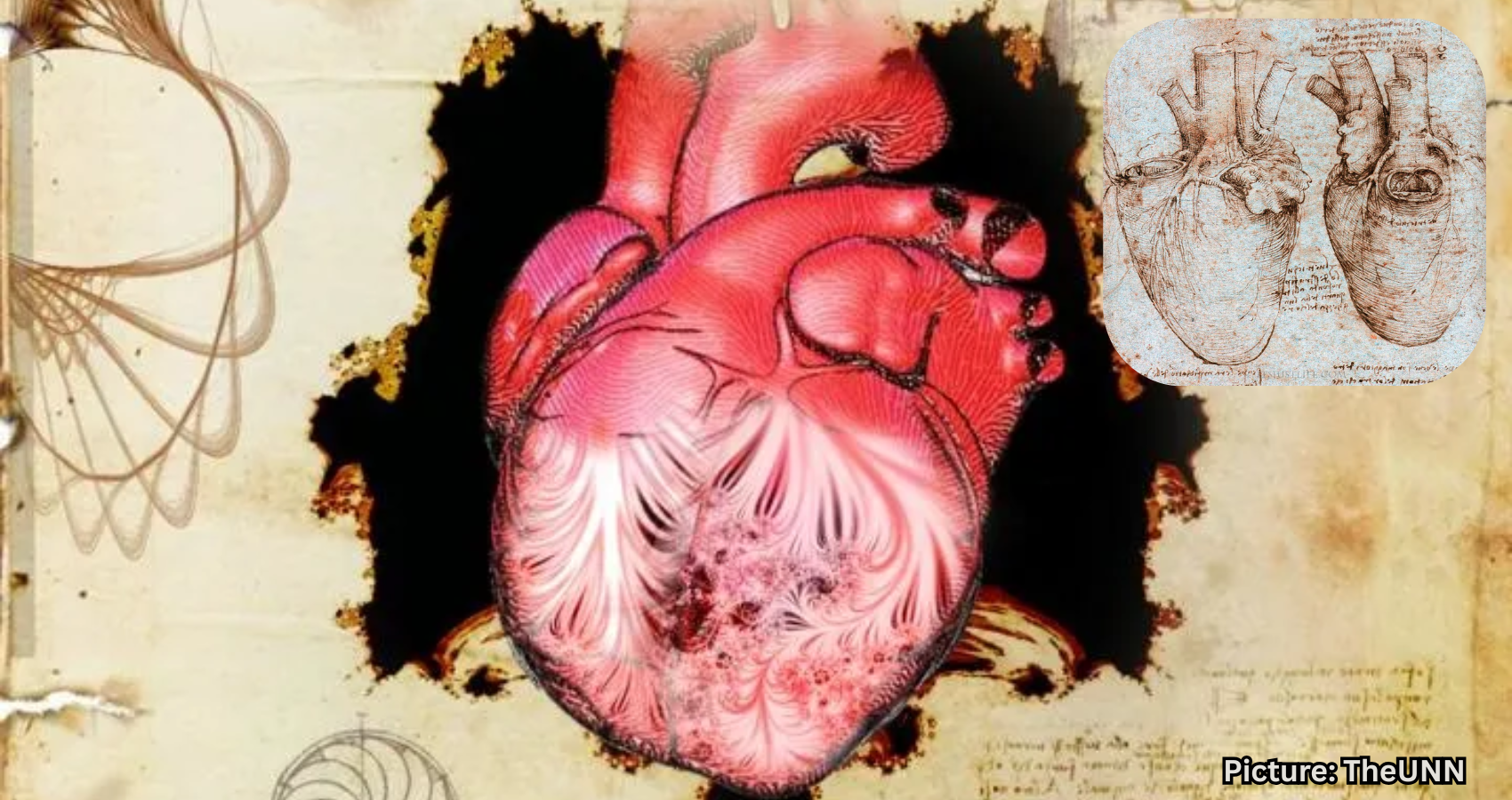
A recent study has clarified the role of trabeculae in the human heart, a feature first described by Leonardo da Vinci over 500 years ago.
A groundbreaking study published in the journal Nature has clarified the role of trabeculae in the human heart, complex structures first illustrated by the renowned artist and scientist Leonardo da Vinci. This research marks a significant advancement in our understanding of cardiac anatomy and has potential implications for cardiovascular health.
The study utilized advanced genetic analysis and fractal theory to investigate trabeculae in a cohort of 18,096 participants from the UK Biobank. The research team aimed to explore not only the morphology of these branching muscle structures but also their genetic underpinnings and their impact on heart function.
During his detailed anatomical studies in the late 15th century, Leonardo da Vinci created drawings that accurately depicted trabeculae, likening their intricate structure to that of tree roots or branches. He theorized that these structures played a vital role in the heart’s function, akin to systems designed to prevent ice from forming on roads. However, his observations remained largely unverified until modern science provided the tools to explore these theories further. The significance of da Vinci’s work lies in its pioneering nature; he was among the first to blend art with science, creating a legacy that continues to inspire contemporary research.
The authors of the recent study conducted a comprehensive analysis, integrating fractal theory to assess the trabecular structures. They identified that these branching features of the heart are remnants of embryonic development, and their adult function had remained largely unexplained until now. According to the researchers, “the inner surfaces of the human heart are covered by a complex network of muscular strands that is thought to be a remnant of embryonic development.”
By employing biomechanical simulations alongside observational data, the researchers demonstrated that the morphology of trabeculae plays a critical role in determining cardiac performance. Specifically, they found that certain structural configurations of trabeculae correlate with an increased risk of cardiovascular disease. The study identified 16 significant loci containing genes associated with hemodynamic phenotypes and the regulation of cytoskeletal arborization, providing new insights into how these features develop and function in adults.
The findings suggest that understanding the genetic and structural aspects of trabeculae can lead to a better grasp of cardiovascular health and disease. Researcher Hannah Meyer noted, “Only the combination of genetics, clinical research, and bioengineering led us to discover the unexpected role of myocardial trabeculae in the function of the adult heart.” This research represents an initial step toward a more nuanced understanding of trabeculae and their potential implications for cardiovascular medicine.
The implications of this study are profound, opening avenues for further research into how trabecular structures might influence heart disease risk and patient outcomes. The integration of advanced technologies, such as MRIs and genetic analysis, exemplifies the evolving landscape of cardiovascular research and its potential to inform clinical practices. For instance, identifying individuals with specific trabecular characteristics could lead to targeted interventions and personalized treatment plans for those at higher risk for heart conditions.
This study not only pays homage to Leonardo da Vinci’s early insights into human anatomy but also highlights the need for continued exploration of the complex structures within our bodies. The researchers emphasize that understanding trabeculae is merely the first step in a larger journey to uncover the intricacies of cardiac function and its relationship to genetic factors. Future research may delve deeper into the functional implications of trabecular morphology and its potential impact on heart health across various populations.
As the field of cardiovascular research progresses, the collaboration between art, science, and technology may yield further breakthroughs that could enhance our understanding of the heart. This integration of disciplines underscores the importance of interdisciplinary approaches in tackling complex health issues, particularly those related to cardiovascular disease, which remains a leading cause of mortality worldwide. By bridging historical insights with modern scientific inquiry, researchers are paving the way for innovations that could transform the prevention and treatment of heart disease.
In conclusion, the recent revelations regarding trabeculae not only validate da Vinci’s observations but also signify a critical advancement in cardiovascular research. As scientists continue to explore the implications of these findings, the hope is that they will lead to improved diagnostic tools and therapeutic strategies aimed at enhancing heart health for future generations, according to Source Name.