
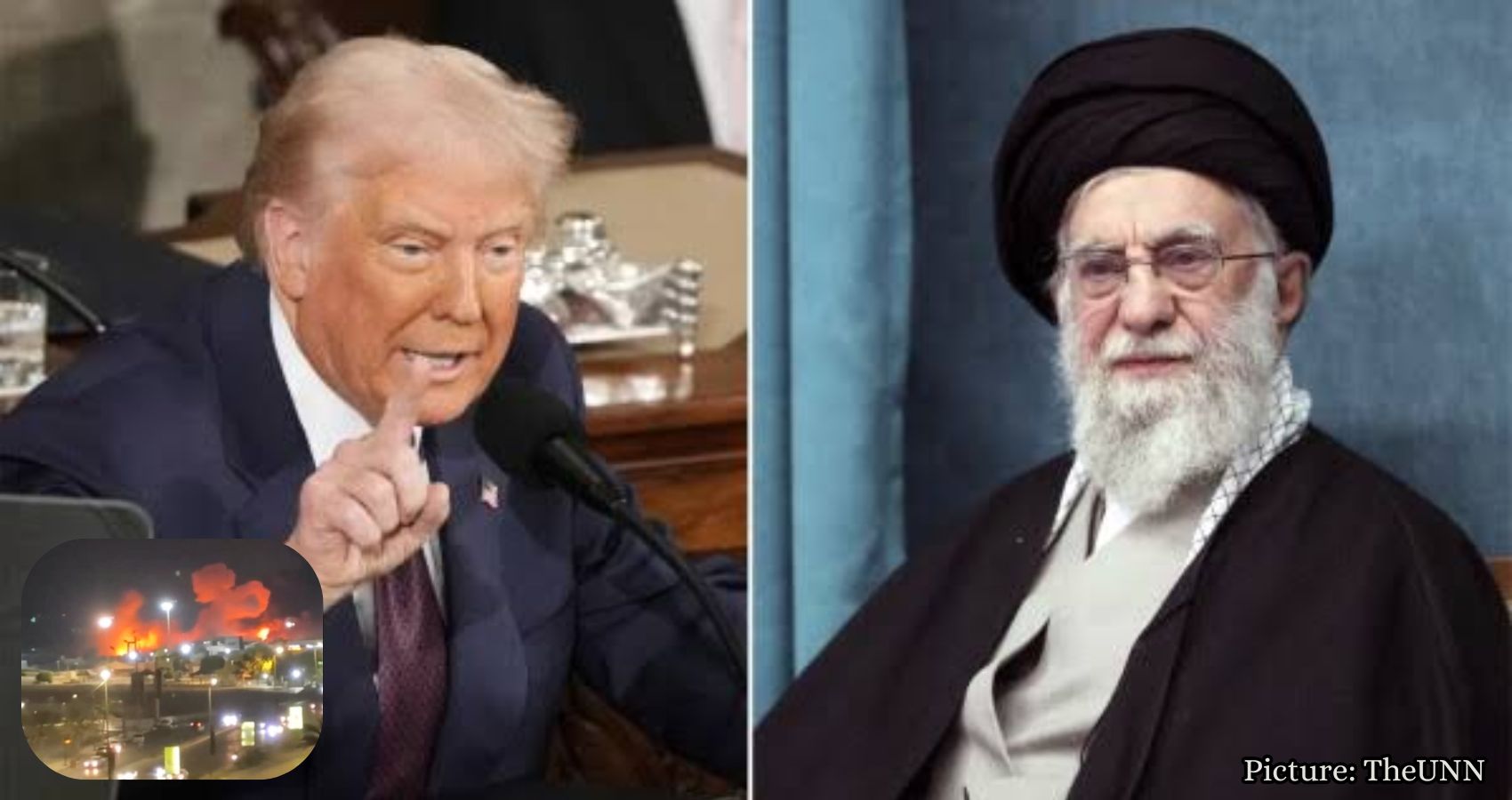
As the war approaches its ninth month, the Trump administration is reportedly considering strikes against senior Iranian leaders to pressure Tehran into ending the conflict.
Amid ongoing hostilities, the Trump administration is reportedly revisiting the option of targeting senior Iranian regime leaders, including Mojtaba Khamenei. This consideration comes as the conflict nears its ninth month, with some officials believing that eliminating key figures could compel Tehran to cease hostilities.
According to a report from NBC News, which cites a U.S. official and another source, internal discussions have intensified regarding potential strikes aimed at senior Iranian leaders. The rationale behind this strategy is to demonstrate Washington’s capability to locate and strike the regime’s leadership at any time, thereby exerting pressure on Tehran to end the war.
While the option of targeting Iranian leaders has been on the table for some time, it has gained renewed attention in recent weeks as President Donald Trump weighs the next phase of the conflict. This renewed focus coincides with alarming reports suggesting that Iran may be developing a radioactive “dirty bomb” and potential plots involving chemical weapons aimed at U.S. officials.
In a statement made to reporters at the White House on November 20, Trump emphasized the administration’s awareness of Iranian activities. “We know a lot about what’s happening in Iran. We know everything they say. We know who they are, where they are. We’ll find out about it. We will not allow that,” he asserted.
The current Iranian leadership includes Supreme Leader Mojtaba Khamenei, who took over after the death of his father, Ayatollah Ali Khamenei, in the initial strikes of the war on February 28. Other prominent figures in Iran’s military and national security apparatus include Islamic Revolutionary Guard Corps (IRGC) Commander Ahmad Vahidi, armed forces chief of staff Ali Abdollahi, army chief Amir Hatami, and Mohsen Rezaei, a former IRGC commander who was reportedly appointed secretary of Iran’s Supreme National Security Council in August 2026.
While NBC News did not specify any of these officials as potential targets, there are concerns among administration officials regarding the implications of such actions. Critics of the proposal warn that targeting Iranian leaders could provoke retaliatory attacks against American officials, strengthen the resolve of the remaining regime figures, and undermine future diplomatic efforts aimed at resolving the conflict.
As the administration continues to explore military options, it is also enforcing a naval blockade and asserting control over the strategically important Strait of Hormuz. This debate follows months after U.S. and Israeli strikes resulted in the deaths of Iran’s supreme leader and other senior military and intelligence officials, which ignited a prolonged conflict centered on Tehran’s nuclear ambitions, ballistic missile capabilities, and regional military activities.
Mojtaba Khamenei, who reportedly sustained injuries during the strikes that killed his father, has not been seen publicly since assuming power. However, he has issued warnings to Washington and Jerusalem against resuming significant attacks on Iranian leadership. “If the enemies once again launch military or terrorist attacks, it is the armed forces of the Islamic Republic and the Iranian nation that will determine the time and conditions for ending them,” a statement attributed to Khamenei declared.
This warning followed a meeting with senior Iranian military commanders, including Abdollahi, Hatami, and Vahidi. On October 31, Khamenei also instructed Iran’s armed forces to prepare for an “immediate, impactful and geographically unrestricted response” to any future threats.
A White House official expressed confidence in the U.S. position, stating, “The United States is in a very strong position with control of the Strait of Hormuz and the Iranian economy collapsing.” The official reiterated that the administration’s naval blockade, termed Operation Economic Outcast, along with the newly established Task Force Iron Gate, will remain in full effect.
“President Trump has many options at his disposal and will make the best possible decision to ensure Iran can never possess a nuclear weapon,” the official added.
As discussions continue, the potential for military action against Iranian leadership remains a contentious topic within the administration, reflecting the complexities of the ongoing conflict and the broader geopolitical landscape.
According to NBC News.