
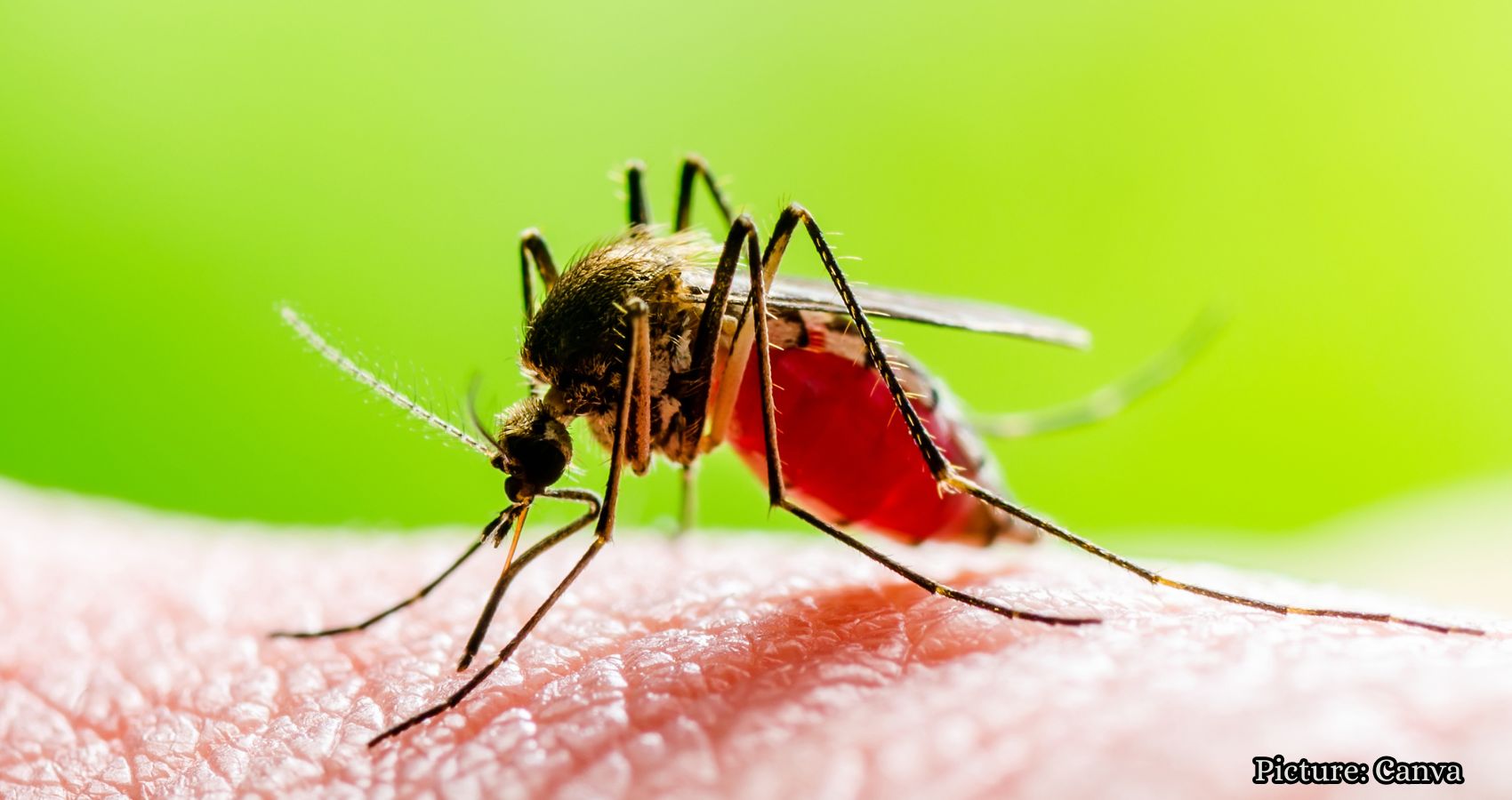
Researchers at the University of South Florida have developed an AI-powered mosquito trap that boasts over 98% accuracy, aiming to combat Florida’s largest dengue outbreak in decades.
As November rolls in, many parts of the United States are experiencing cooler weather, which typically drives mosquitoes into hiding. However, in Florida, these pests continue to pose a significant threat. The state is currently grappling with its largest dengue outbreak in decades, with 524 local cases reported, many of which were contracted without residents traveling abroad.
In response to this public health challenge, researchers at the University of South Florida (USF) have created an innovative AI mosquito trap designed to help health officials identify dangerous mosquito species more efficiently. This new technology can identify various mosquito species with over 98% accuracy in laboratory settings, making it a timely development as dengue continues to spread in the state.
According to the Florida Department of Health, Hillsborough County has recorded 407 locally acquired dengue cases in 2023, marking the largest outbreak on record for the area. Overall, Florida has seen 524 local cases through October 31, indicating that the virus is being transmitted by mosquitoes within the state rather than through international travel.
The Tampa area has been particularly hard hit, prompting the Florida Department of Health to confirm that Hillsborough County is still responding to this ongoing outbreak. Dengue fever can lead to severe symptoms, including high fever, intense headaches, and muscle pain, with serious cases potentially resulting in life-threatening complications. As a precaution, health officials are urging residents to take measures to protect themselves from mosquito bites.
On November 13, Hillsborough County extended its state of local emergency through November 19, as mosquito control crews ramped up both aerial and ground treatments to contain the outbreak. Surveillance efforts continue to monitor dengue virus activity in neighborhoods throughout the region.
Despite the seasonal shift, Florida’s situation serves as a reminder that mosquito threats do not simply vanish with the end of summer. The new AI technology developed by Digitomy, a startup founded by USF researchers, aims to provide communities with a more effective way to respond to mosquito populations before they spiral out of control.
The AI mosquito trap is designed to be user-friendly. It can be hung from a low tree branch or placed on the ground, where it attracts mosquitoes using light or bait. A small fan then pulls the insects inside, where they land on a sticky pad. Two built-in cameras photograph the captured mosquitoes, and artificial intelligence analyzes these images against a comprehensive database to identify the species.
In addition to species identification, the trap can determine whether a mosquito is male or female and whether it has recently fed on blood. This information is crucial, as only female mosquitoes bite humans and can transmit diseases. The researchers report that their system achieved over 98% accuracy in identifying mosquito species during laboratory tests.
Traditional methods of mosquito surveillance can take two to three days, as specialists often need to examine captured insects under a microscope. While this process is valuable, delays can hinder timely responses during disease outbreaks. Digitomy’s goal is to significantly reduce this wait time, enabling health officials to identify captured mosquito species on the same day they are collected. This rapid identification could help mosquito control teams target their efforts more effectively.
The Aedes aegypti mosquito is primarily responsible for spreading dengue in Florida, and understanding which species are present is vital for public health decision-making. It is important to note that while the trap identifies mosquito species capable of carrying diseases, it does not confirm whether a captured mosquito is infected with dengue. Laboratory testing is still required for virus confirmation.
Once a mosquito is identified, Digitomy’s system can relay this information to a mapping dashboard, allowing mosquito control teams to visualize where specific species are appearing. This capability could be particularly beneficial during an outbreak. If multiple traps detect a rise in Aedes aegypti mosquitoes in a particular neighborhood, officials can investigate and consider targeted control measures, potentially preventing further infections.
The researchers have already integrated trap data into a private layer of their Global Mosquito Observations Dashboard, which also includes over half a million citizen science reports. The aim is to combine automated trap data with public observations to enhance mosquito monitoring efforts. Digitomy’s technology is also expected to complement an existing early warning system developed for dengue and West Nile virus, providing public health departments with a clearer understanding of mosquito activity in their communities.
While early detection does not guarantee the prevention of outbreaks, faster access to information could enable officials to respond more promptly, especially in areas with limited mosquito control resources. Digitomy has tested its technology at USF and collaborated with the Anastasia Mosquito Control District in St. Johns County, which includes St. Augustine. The startup is preparing for field validation with Hillsborough County, where the dengue outbreak has been particularly severe.
Digitomy is also working with USF’s Technology Transfer office to license its AI identification system to established mosquito trap manufacturers. This partnership could allow companies to integrate the technology into their existing products. Although a consumer launch date and retail price have not yet been announced, the company received a $25,000 grant from the USF Research Foundation’s Bull Ring Accelerator in summer 2023 to expedite the licensing and commercialization process. Additionally, the team is developing an online education platform to help mosquito control professionals and the public practice identifying mosquito species using AI-generated feedback.
While you may not be hanging a Digitomy trap in your backyard just yet, the potential impact of this technology on community mosquito control efforts is significant. If adopted by mosquito control departments, these advanced surveillance systems could lead to quicker identification of dangerous mosquito populations and more informed intervention strategies. As we move further into November, residents in warmer regions should remain vigilant about mosquito activity and take necessary precautions.
For now, the best preventive measures include eliminating standing water in outdoor containers, using EPA-registered insect repellents, and wearing long sleeves and pants to minimize exposed skin. With the ongoing threat of mosquito-borne diseases, the development of AI technology like Digitomy’s trap could prove to be a valuable tool in protecting public health.
This innovative approach to mosquito surveillance highlights the potential of AI to make a meaningful difference in our lives, particularly in the context of public health. While the technology shows promise, its real-world effectiveness will be closely monitored as it undergoes further testing and validation. If successful, communities may gain a powerful new ally in the fight against mosquito-borne diseases.
For more information, visit the Global Mosquito Observations Dashboard at mosquitodashboard.org.
According to Fox News, the ongoing efforts to combat mosquito-borne diseases underscore the importance of timely and effective public health responses.