
Democrats achieved significant victories in the midterm elections, flipping key Republican seats and reclaiming control of both the House and Senate, though several races remain undecided.
In a remarkable turn of events, Democrats flipped Republican-held seats in states including Texas, Ohio, Iowa, North Carolina, and South Carolina, contributing to a blue wave that surpassed expectations during the midterm elections.
With the results still rolling in, Democrats have successfully recaptured majorities in both the House and Senate. However, the pivotal question now is whether these majorities will expand as the final votes are tallied.
In the Senate, Democrats gained ground by flipping GOP-held seats in Maine, Ohio, Kansas, Iowa, Texas, North Carolina, and South Carolina, while also defending open seats in Michigan and New Hampshire. Yet, two Senate races remain too close to call. In Mississippi, Republican incumbent Senator Cindy Hyde-Smith and Democratic challenger Scott Colom are locked in a tight contest. Meanwhile, in Alaska, GOP incumbent Senator Dan Sullivan holds a narrow lead over former Representative Mary Peltola as ballots continue to be counted.
On the House side, the Democrats have surpassed the crucial 218-seat threshold necessary to regain control of the chamber, thanks to the impressive blue wave. However, with numerous races still outstanding, the extent of the Democratic majority remains uncertain as counting continues.
In gubernatorial contests, the race in Nevada remains competitive and undecided, while votes are still being counted in Alaska and Kansas.
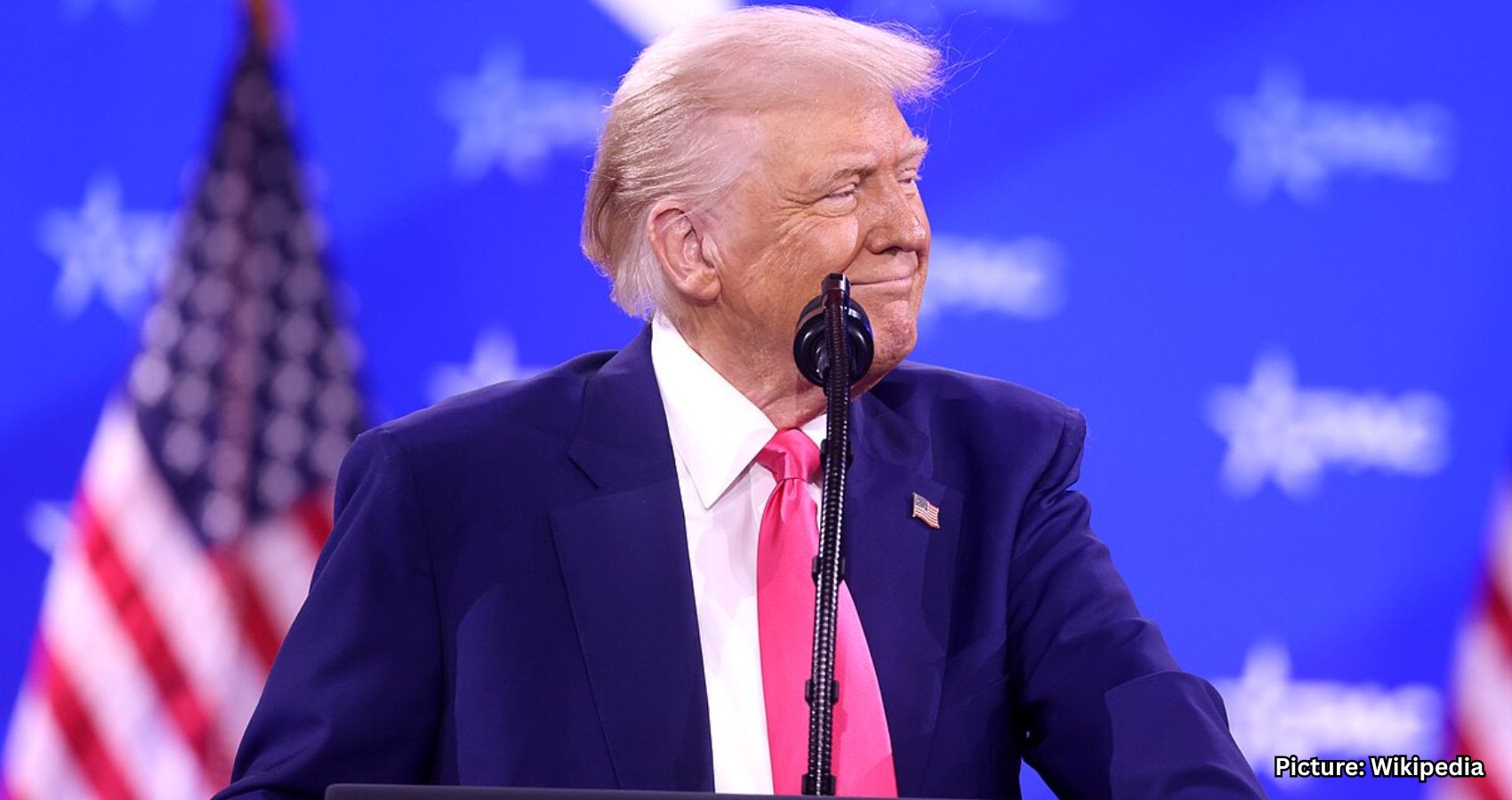
The election results represent a significant rebuke of former President Donald Trump and the Republican Party. Senate Minority Leader Chuck Schumer, a Democrat from New York, remarked, “The American people reduced the red brick wall to a pile of bricks,” highlighting the Democrats’ achievements.
Looking ahead to the new Congress in January, Schumer assured the American public, “We have five words for the American people. Relief is on the way.”
In contrast, Senate Majority Leader John Thune, a Republican from South Dakota, emphasized that Senate Republicans would not remain passive as the Democratic Party’s left wing seeks to reverse their legislative accomplishments. Thune stated, “We cannot let their fringe positions become the mainstream,” and pledged to collaborate with Trump to counteract what he termed “Democrat extremism.”
In the lead-up to the elections, Trump urged his supporters to “pretend I’m on the ballot,” aiming to galvanize the Republican base. As the results began to emerge on election night, Trump took to social media to assert, “I wasn’t on the Ballot and if I was, we would have won IN A LANDSLIDE!”
Shortly thereafter, during an interview on Fox News, Trump acknowledged the Democratic Party’s efforts, stating, “I think the Democrats did a good job.” He also expressed a willingness to work with them, noting, “I can work with them on many things,” in light of their incoming congressional majorities.
As the dust settles from the midterm elections, both parties are poised to navigate a new political landscape, with Democrats enjoying newfound power and Republicans strategizing to regain their footing.
According to Fox News, the final outcomes of several key races will shape the dynamics of Congress in the coming years.